


Organic Extra Virgin Olive Oil: How is it produced?
Introduction to Organic Extra Virgin Olive Oil
In the wonderful world of organic extra virgin olive oil, there is so much to discover and appreciate. Where do we begin? Well, it all starts with the olive trees, careful custodians of tradition and goodness. These majestic trees cover the hills with their silvery leaves, giving us the precious fruits from which extra virgin olive oil is made.
From olives carefully hand-picked to traditional extraction processes, every step is infused with passion and respect for nature. You breathe the fresh country air, listen to the gentle rustling of the leaves, and perceive the intense aroma of olives slowly transforming into a precious nectar.
The olives are carefully selected to ensure the highest quality of the final product, an organic extra virgin olive oil that gives dishes a unique and unmistakable taste. Thanks to organic farming, we respect the land and preserve the balance of ecosystems, contributing to creating a healthy and genuine product, rich in beneficial properties for our health.
A fascinating journey through the paths of our countryside, discovering ancient traditions and authentic flavors handed down for generations. Welcome to the world of organic extra virgin olive oil, where nature bestows upon us its most precious green gold with love and dedication.
Health Benefits
We at Frantoi Cutrera are proud to offer organic extra virgin olive oil not only for its delicious taste but also for the numerous health benefits it brings. Here's why you should choose our organic extra virgin olive oil:
The benefits of organic extra virgin olive oil largely depend on the concentration of antioxidant polyphenols — compounds that organic farming tends to preserve better than conventional farming.
-
Rich in antioxidants: Our organic extra virgin olive oil is rich in natural antioxidants, which help fight free radicals in the body and prevent cell damage.
-
Protects the heart: Thanks to its high content of monounsaturated fats, our organic extra virgin olive oil is known to promote heart health, reducing the risk of cardiovascular diseases.
-
Weight control: Contrary to popular belief, consuming organic extra virgin olive oil can help with weight management, as it helps maintain a feeling of fullness for longer.
-
Beneficial for mental health: The omega-3 fatty acids present in our organic extra virgin olive oil are essential for brain health and can contribute to improving mood and reducing the risk of depression.
-
Anti-inflammatory properties: The antioxidants and fatty acids present in our organic extra virgin olive oil have demonstrated anti-inflammatory properties that can help reduce inflammation in the body.
Choosing our organic extra virgin olive oil will not only enrich your dishes with a unique flavor but will also bring tangible benefits to your health.
Organic Extra Virgin Olive Oil and the Environment
We deeply care about the environment in which we live and produce our organic extra virgin olive oil. That's why, by following the principles of organic farming, we protect the health of the land, plants, and animals.
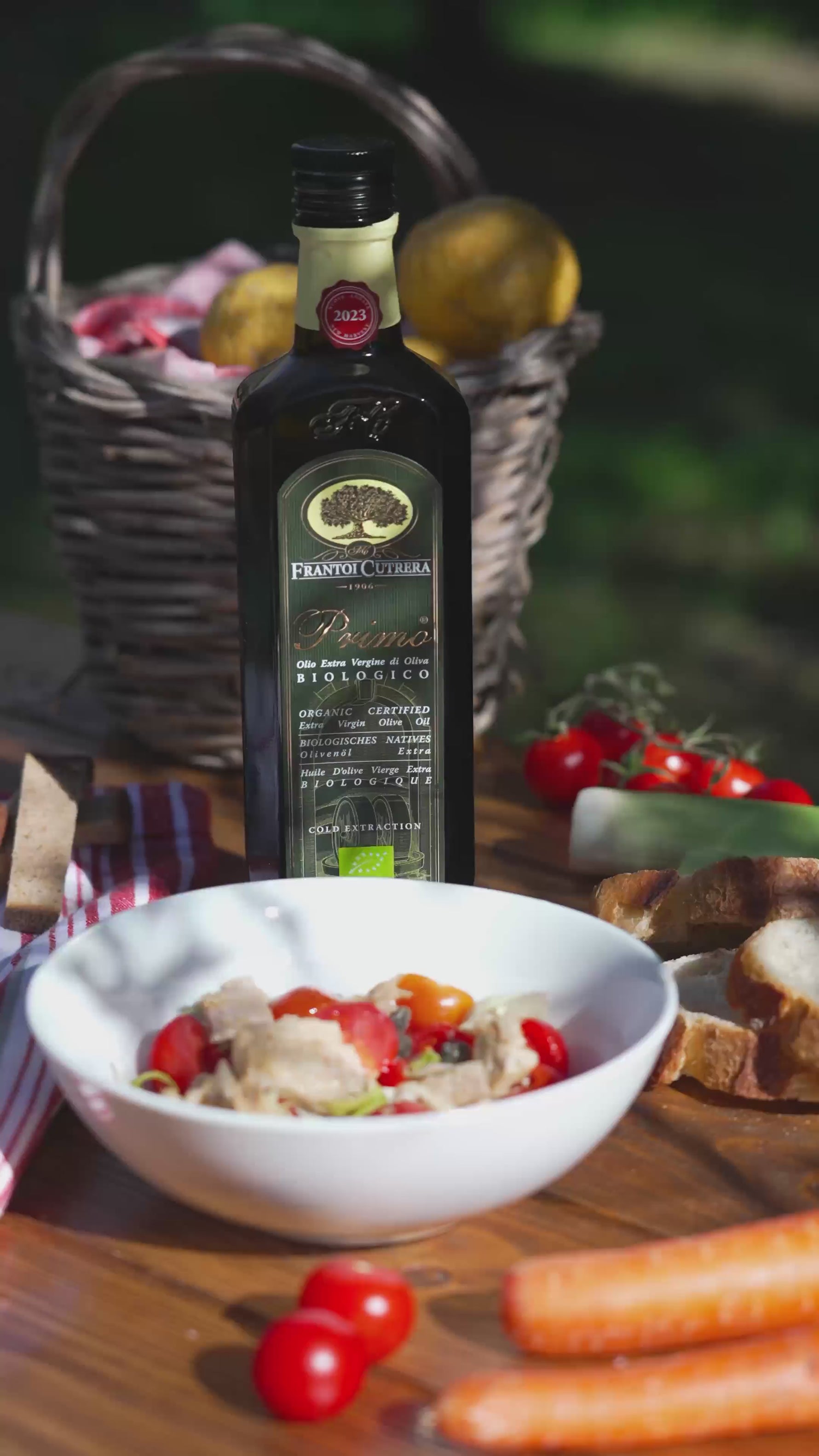
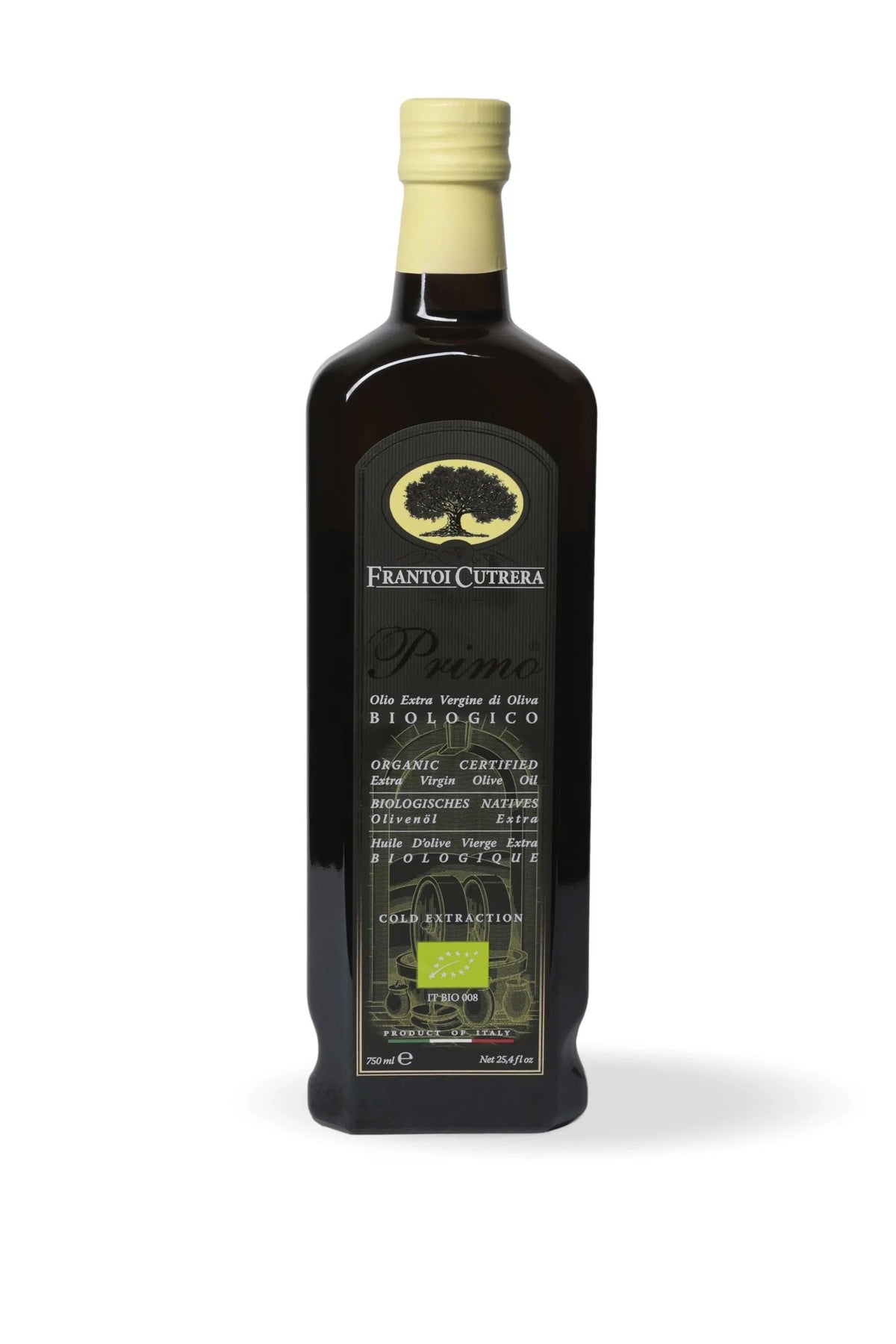
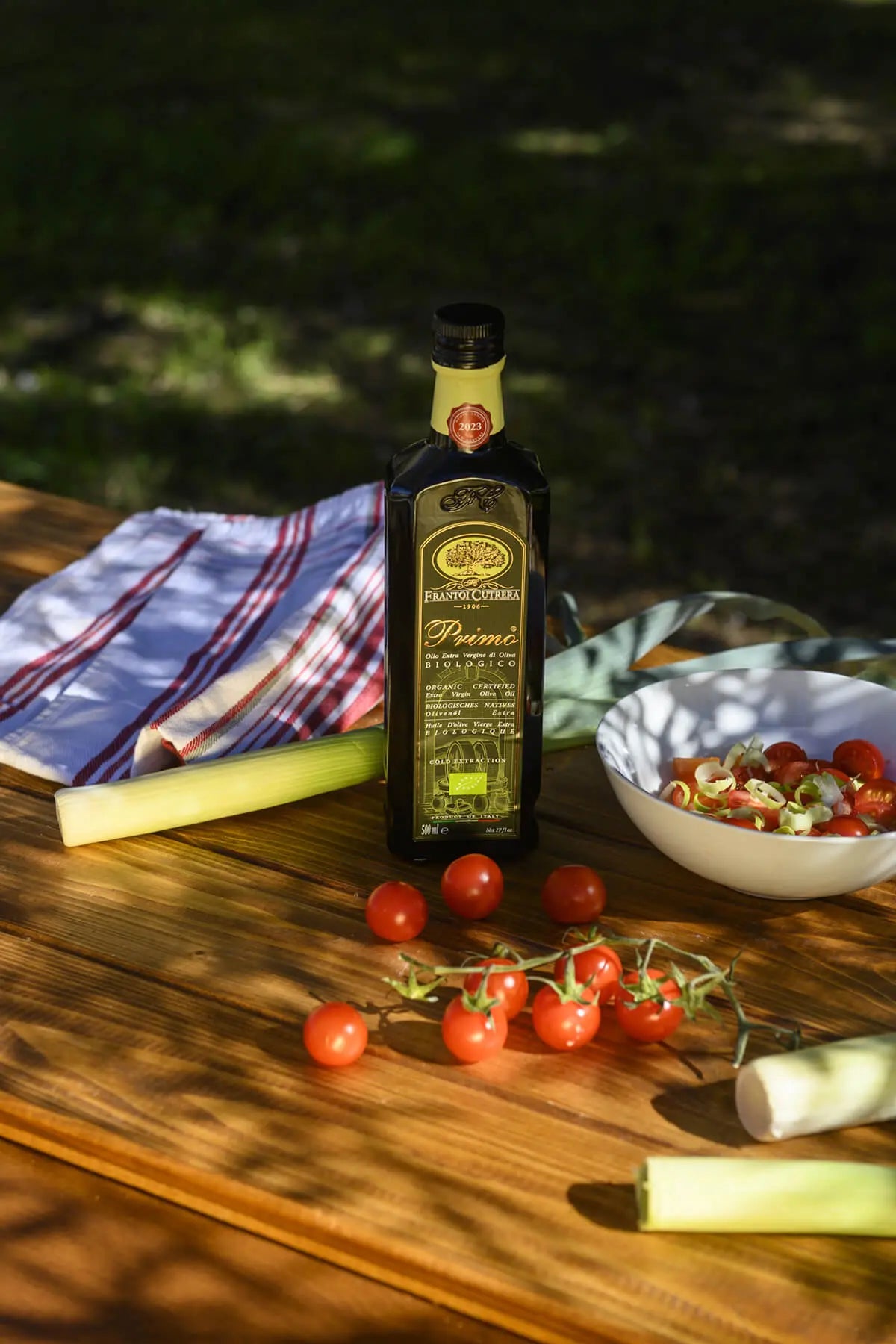
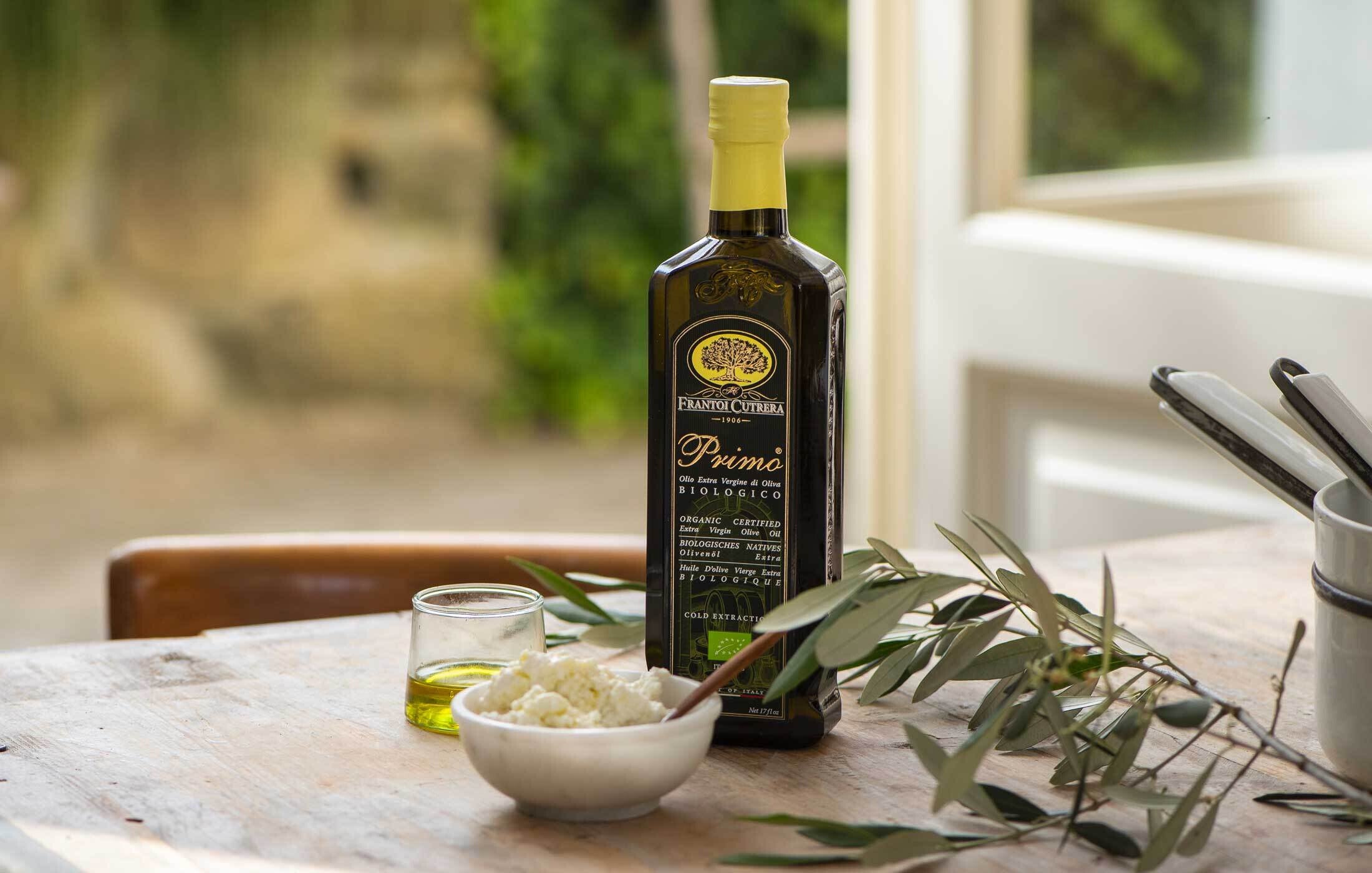
The Primo BIO by Frantoi Cutrera is our certified organic extra virgin olive oil: cold-extracted from Tonda Iblea olives from the Iblei Mountains, with early harvest.
-
Respect for the land: We use sustainable farming practices that preserve soil fertility and promote biodiversity. We avoid the use of harmful pesticides and chemical fertilizers.
-
Water saving: We are aware of the importance of sustainable water resource management. We use efficient irrigation systems that help reduce water waste.
-
Clean energy: We have implemented solutions to reduce energy consumption during the extra virgin olive oil production process. We use renewable energy sources to power our operations.
-
Pollution reduction: We have adopted measures to reduce polluting emissions and minimize the environmental impact of transport related to the distribution of our products.
In summary, our commitment to the production of organic extra virgin olive oil is not limited to product quality, but extends to respect for the environment and the sustainability of our agricultural practices.
Differences Between Organic and Non-Organic Extra Virgin Olive Oil
When it comes to choosing between organic and non-organic extra virgin olive oil, there are some key differences to keep in mind. Here's what we've learned during our experience in producing organic extra virgin olive oil:
To understand in detail how to read the label and recognize certified organic oil, read our complete guide to olive oil. To choose the most suitable organic cultivar, also read our article on the best Sicilian extra virgin olive oil.
To understand the differences between extra virgin, virgin, and refined olive oil — regardless of organic certification — read our complete guide to olive oil.
-
Cultivation method: With organic extra virgin olive oil, olives are cultivated without the use of pesticides or chemical fertilizers. This cultivation method respects the environment and promotes biodiversity.
-
Certification: Organic extra virgin olive oil is subject to strict controls and must be certified by an authorized body that guarantees its production in compliance with organic standards.
-
Extraction process: During the production of organic extra virgin olive oil, cold mechanical methods are used to extract the oil, thus preserving all its beneficial properties. In contrast, non-organic oil may be subjected to chemical or thermal processes that compromise its quality.
-
Organoleptic properties: Organic extra virgin olive oil often has a more intense and complex flavor than non-organic oil, thanks to the care and attention devoted during the production process.
-
Sustainability: By choosing organic extra virgin olive oil, you contribute to supporting more environmentally friendly agricultural practices and promoting the health of the planet in the long term.
Quality and Production of Organic Extra Virgin Olive Oil
In this section, we will explore the importance of the quality and production process of organic extra virgin olive oil. When it comes to organic extra virgin olive oil, the keyword is quality.
-
Olive Selection: We carefully examine the organic olives used in the production of extra virgin olive oil. Every step is crucial. From the olive grove to milling, care and attention are essential. Each olive has its value, and through careful selection, we ensure we obtain an oil of the highest quality.
-
Extraction Method: We use traditional methods for extracting organic extra virgin olive oil. Cold pressing is fundamental to ensure the oil retains all its beneficial properties. In this way, we preserve the unique taste, color, and aroma of our oil.
-
Organic Certification: We care about the environment and consumer health. For this reason, we strictly follow the regulations for organic farming in the production of our extra virgin olive oil. Organic certification guarantees a genuine product, free from pesticides and synthetic fertilizers.
-
Quality Controls: Our attention to quality never wanes. Through continuous laboratory controls, we verify that our organic extra virgin olive oil complies with high standards of purity and freshness. Only then can we offer an excellent product to those who choose to savor it.
The quality and production of organic extra virgin olive oil are a daily commitment for us. We want to ensure maximum satisfaction for those who appreciate the authentic taste and health benefits of such a precious product.
How to Recognize High-Quality Organic Extra Virgin Olive Oil
In the vast world of organic extra virgin olive oils, it can be difficult to distinguish between high-quality ones and those of lesser value. Here are some tips on how to identify top-quality organic extra virgin olive oil:
-
Certified organic label: Always check for the logo or wording on the label that certifies its organic status. This is a primary guarantee of product quality.
-
Production area: Prefer organic extra virgin olive oils from renowned olive growing regions, such as Sicily.
-
Taste and smell: A high-quality extra virgin olive oil should have a fresh, fruity, and slightly bitter taste, with herbaceous notes. The smell should be intense and rich.
-
Color and consistency: Look at the color of the oil: an intense green tone often indicates high quality. Furthermore, the oil should have a dense but fluid consistency.
-
PDO and PGI: The presence of PDO (Protected Designation of Origin) or PGI (Protected Geographical Indication) labels is a further indicator of excellence and respect for local traditions.
Remember that high-quality organic extra virgin olive oil is not only a delicious condiment but also a true ally for your health. We always pay attention to its origin and organoleptic characteristics to ensure we enjoy a genuine and superior quality product.
Uses and Applications of Organic Extra Virgin Olive Oil in Cooking
When it comes to cooking with organic extra virgin olive oil, the possibilities are truly endless. One of the simplest ways to fully enjoy its aroma and flavor is to use it as a raw condiment on salads, soups, or freshly cooked vegetable dishes. We have also found that it is ideal for marinating meats, fish, and vegetables before cooking, adding a touch of freshness and taste to every dish.
"The versatility of organic extra virgin olive oil makes it an essential element in the kitchen."
Another delicious culinary application of this exquisite oil is its use in preparing sauces and dressings. Mixed with balsamic vinegar to create a light and tasty vinaigrette, or with garlic and aromatic herbs for a flavorful sauce to pair with pasta or meat dishes.
And let's not forget its use for frying: thanks to its resistance to high temperatures and its fruity flavor, organic extra virgin olive oil is perfect for frying crispy chips, golden meatballs, or battered vegetables.
Finally, we must mention its use in preparing desserts: by replacing butter with organic extra virgin olive oil, it is possible to obtain lighter and healthier desserts without sacrificing the desired flavor and softness.
In the kitchen, organic extra virgin olive oil is our best ally for enhancing flavors and winning over the palate of anyone who sits at our table.
Tips for Best Storing Organic Extra Virgin Olive Oil
When it comes to best storing organic extra virgin olive oil, there are some precautions we can take to ensure it retains its freshness and properties. Here are some useful tips to keep in mind:
-
Light and heat: Avoid exposing extra virgin olive oil to direct sunlight or excessive heat sources, as these can alter its flavor and beneficial properties.
-
Air and humidity: Always store the oil in a tightly sealed container in a cool, dry place, away from sources of humidity. Oxidation is the worst enemy of organic olive oil, so protect it from air as much as possible.
-
Container: Prefer dark glass or tin containers for storing organic extra virgin olive oil. Avoid plastic containers, which could contaminate the oil with harmful substances.
-
Quick consumption: Organic extra virgin olive oil is best when consumed fresh, so try to use it within a year of production. Once opened, it should preferably be consumed within two or three months.
-
Temperature: Keep organic extra virgin olive oil away from excessive heat sources, but also be aware of excessive cold, which could cause it to solidify.
By following these simple tips, we can ensure that we best preserve all the flavor and healthy properties of our precious organic extra virgin olive oil.
Controversies and Criticisms of Organic Extra Virgin Olive Oil
The controversies and criticisms related to organic extra virgin olive oil are important to consider when discussing this precious product. Here are some points for reflection:
-
Food fraud: Unfortunately, the food industry is not immune to dishonest practices, and organic extra virgin olive oil is no exception. Fraud regarding the origin or quality of the oil sometimes occurs, compromising consumer trust.
-
Sustainability: Not all organic extra virgin olive oil producers adopt sustainable practices. It is important to evaluate not only compliance with organic regulations but also the overall environmental impact of the production process.
-
Misleading labeling: Some labels can mislead consumers, presenting a product as organic that does not actually meet the required standards.
-
Conflicts of interest: In a competitive sector such as extra virgin olive oil, conflicts of interest may arise that affect the transparency and accuracy of information provided to consumers.
-
Challenges in organic certification: Obtaining organic certification is not always a straightforward process for farmers, who may face complex bureaucratic requirements and additional costs.
In conclusion, it is important to be aware of the controversies and criticisms related to organic extra virgin olive oil to make informed choices and support producers who adhere to high standards of quality and sustainability.
Conclusion
We have journeyed together through the wonderful world of organic extra virgin olive oil production. We have immersed ourselves in the lush lands where olive trees thrive, followed the harvesting process of the golden fruits, and witnessed their transformation into precious oil. We have come to understand the care and passion that farmers pour into their work, guaranteeing a product of the highest quality.
During this exploration, we discovered the health benefits that organic extra virgin olive oil brings, rich in antioxidants and beneficial fatty acids for our well-being. We also understood the importance of supporting sustainable and environmentally friendly agricultural practices, preserving the beauty of the lands and the biodiversity that surrounds them.
Now that we have completed our journey through the production of this golden treasure, we can fully appreciate the craftsmanship and dedication that underlie every bottle of organic extra virgin olive oil. Its fragrance, its unique flavor, and its beneficial properties remind us how precious this gift from nature is.
We hope that our exploration has instilled in you a new appreciation for organic extra virgin olive oil and inspires you to carefully choose the products you bring to your table, valuing not only your palate but also the health and well-being of the planet we all share.
Share