Curiosities from the oil mill

Olio di Oliva: Guida Completa a Tipologie, Etichetta e Come Sceglierlo

Olive Oil: Complete Guide to Types, Labels, and How to Choose It

Everything you need to know about olive oil: legal categories, the meaning of EVO, how to read the label, the difference between PDO and PGI, properties and benefits, how to use it in the kitchen.
Miele Siciliano: l’oro dolce della Sicilia

Sicilian Honey: the sweet gold of Sicily

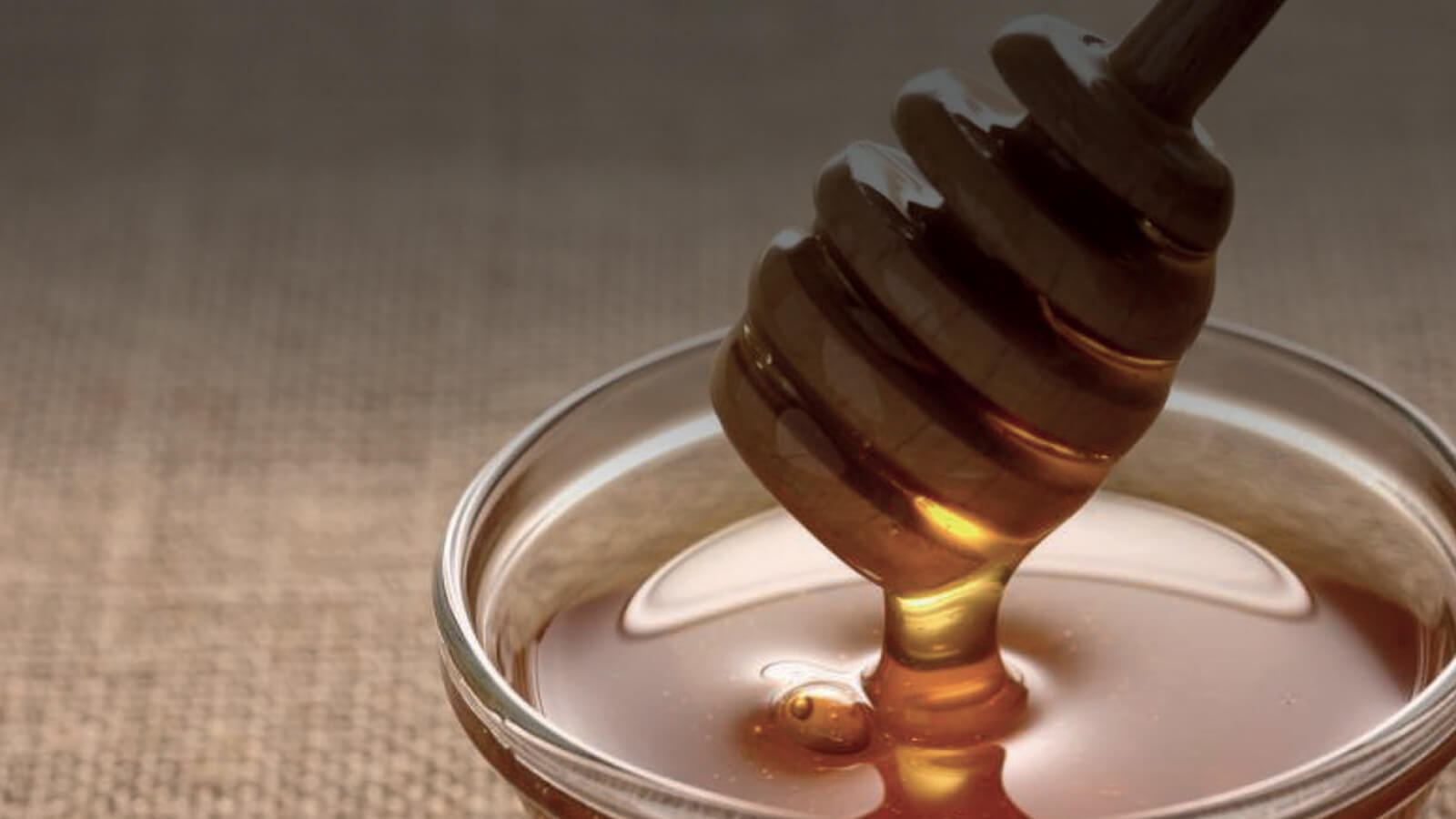
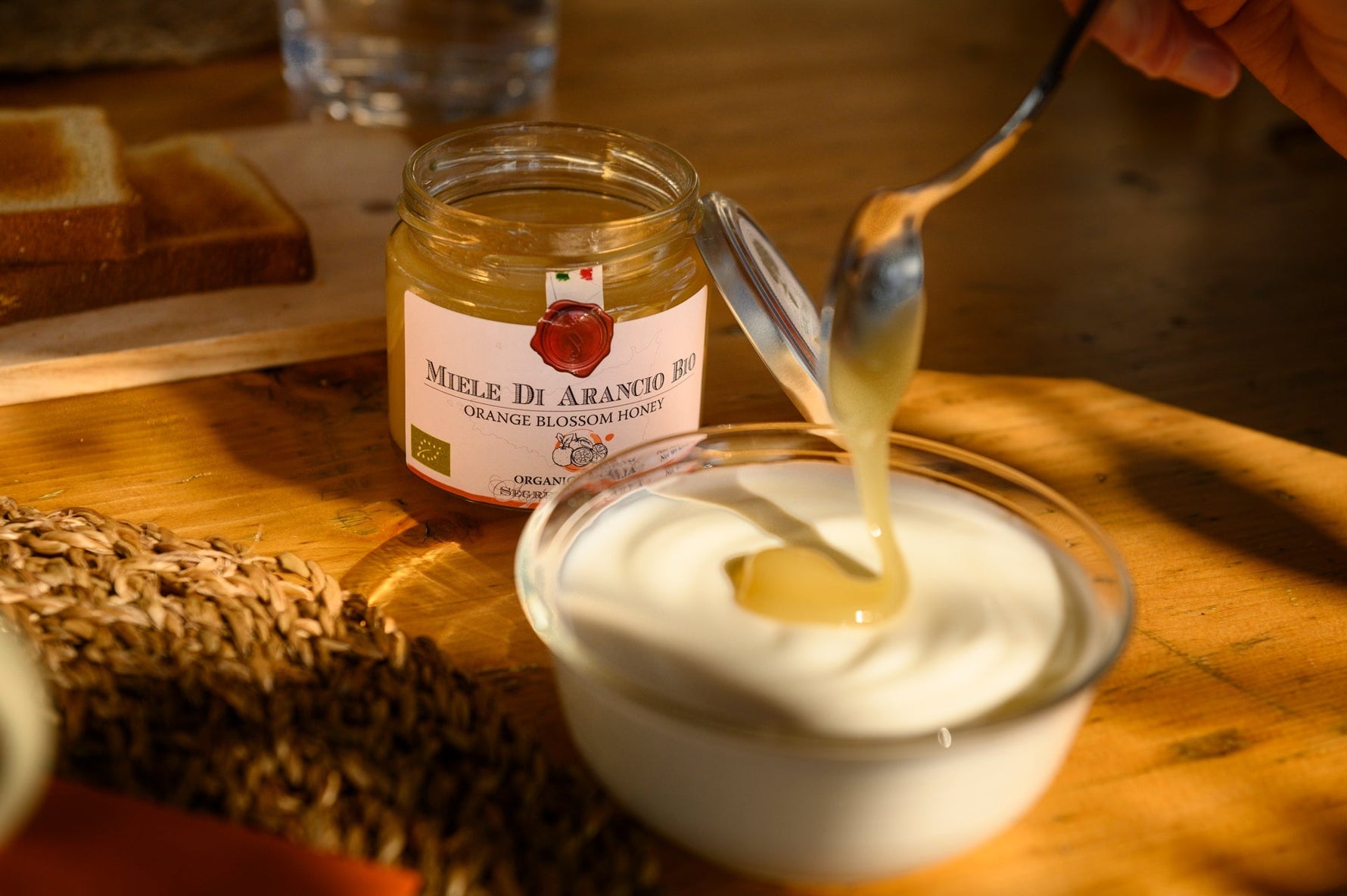
Index Sicilian Honey: a treasure of nature Why choose organic Sicilian honey Sicilian Honey Varieties Secrets of Sicily Sicilian Orange Honey Lemon Honey Chestnut Honey Sicilian Millefiori Honey The benefits of Sicilian honey: taste and well-being How to use Sicilian honey in cooking Where to buy organic Sicilian honey Conclusion Sicilian Honey: a treasure of nature Sicilian honey is one of the most beloved delicacies of the island's gastronomy. Produced in a territory rich in biodiversity, among fragrant citrus groves and pristine hills, Sicilian honey contains intense flavors and beneficial properties that make it a precious food. From the bees that work tirelessly in the sun-kissed landscapes comes a unique product, capable of telling the Sicilian beekeeping tradition in every teaspoon. If you love high-quality honey, the organic Sicilian honey Segreti di Sicilia by Frantoi Cutrera is the perfect choice to bring a pure, natural and flavorful product to your table. Why choose organic Sicilian honey Choosing organic Sicilian honey means opting for a product: ✅ 100% natural , without additives or industrial processes. ✅ Rich in beneficial properties , thanks to the purity of the raw material. ✅ Cold extracted , to preserve aromas and nutritional qualities. ✅ Produced in Sicily , in a contamination-free environment. Segreti di Sicilia honey is made with an artisanal and sustainable process, respecting bees and their fundamental role in the ecosystem. Sicilian Honey Varieties Secrets of Sicily Frantoi Cutrera, through the Segreti di Sicilia line, offers different varieties of organic honey, each with unique characteristics and uses. 🍊 Sicilian Orange Honey Sicilian orange honey is among the most appreciated for its floral scent and delicate taste with citrus notes. Perfect for sweetening teas and herbal teas , it is also an excellent ally for well-being, thanks to its calming and relaxing effect. Characteristics: ✔️ Light and golden color ✔️ Sweet flavour with notes of orange blossom ✔️ Relaxing and antioxidant effects 🍋 Lemon Honey With a slightly more acidic character, lemon honey is an explosion of freshness. Rich in vitamin C and polyphenols , it is ideal for strengthening the immune system and adding a special touch to desserts and drinks. Characteristics: ✔️ Fresh and fruity aroma ✔️ Purifying and digestive properties ✔️ Perfect for desserts and infusions 🌰 Chestnut Honey With an intense and slightly bitter flavour, chestnut honey is a dark and aromatic honey, much appreciated by connoisseurs. Excellent when paired with aged cheeses and meat , it is also known for its energizing and antibacterial properties. Characteristics: ✔️ Strong flavour, with woody notes ✔️ High concentration of minerals ✔️ Perfect with cheeses and savoury dishes 🌺 Sicilian Multi-Flower Honey Sicilian multi-flower honey is an explosion of biodiversity, produced by bees that collect nectar from different wild flowers on the island. Its flavor varies with the seasons, making it a unique and always different honey. Characteristics: ✔️ Varied and complex aroma ✔️ Rich in enzymes and antioxidants ✔️ Versatile in the kitchen The benefits of Sicilian honey: taste and well-being In addition to being delicious, organic Sicilian honey is a real panacea for your health. ✅ Natural source of energy – Perfect for athletes and students. ✅ Strengthens the immune system – Rich in enzymes and antioxidants. ✅ Aids digestion – Especially lemon honey. ✅ Calming and relaxing effect – Useful for reducing stress and promoting sleep. A precious food, which combines taste and well-being in a single spoon. How to use Sicilian honey in cooking Sicilian honey is a versatile ingredient, perfect for: 🍯 Sweeten drinks and herbal teas 🥞 Garnish yogurt, pancakes and desserts 🧀 Accompany cheeses and appetizers 🥩 Season meats and gourmet dishes 🍞 Spread on bread and rusks Whatever your taste, there is a Sicilian honey perfect for you! Where to buy organic Sicilian honey If you are looking for Sicilian honey online , Frantoi Cutrera offers a selection of organic honeys with the guarantee of a pure and artisanal product. 📌 Why buy Segreti di Sicilia honey? ✔️ Certified and organic quality ✔️ Sicilian artisan production ✔️ Fast shipping Discover the range and choose the honey that best suits you! 👉 Buy now the organic Sicilian honey Segreti di Sicilia Conclusion Organic Sicilian honey is not only an extraordinary food, but a true symbol of the uncontaminated nature of the island. Each variety has its own personality, its aroma and its benefits, making it an essential ingredient in the kitchen and a precious ally for health . If you want to savor the true taste of Sicily , choose Segreti di Sicilia honey and discover a unique and authentic product. 📢 Order now and let yourself be conquered by Sicilian sweetness!
Olio di Oliva Spray: Praticità e Qualità in Cucina

Olive Oil Spray: Practicality and Quality in the Kitchen

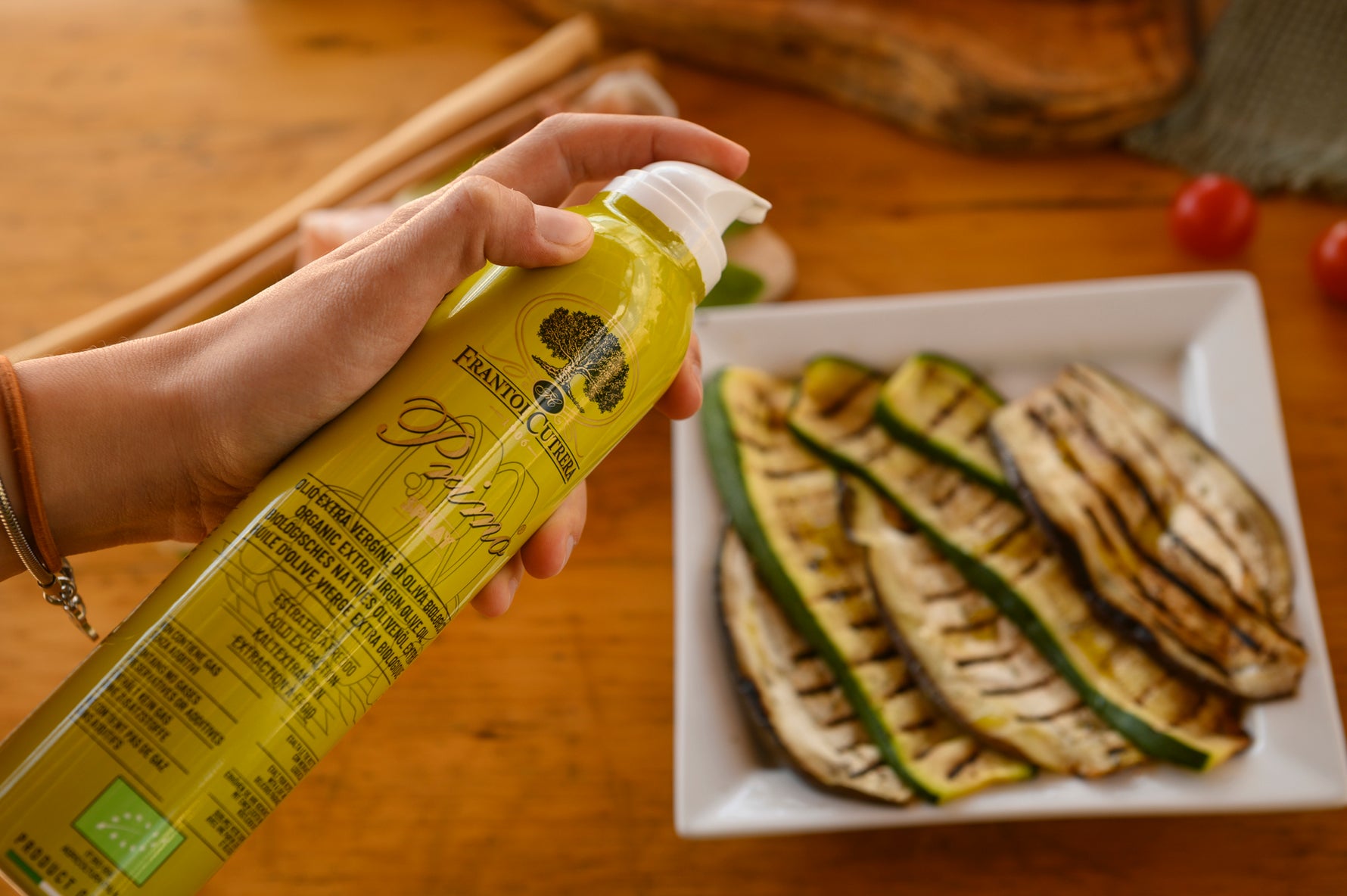
Table of Contents Frantoi Cutrera's Primo BIO Spray is 100% organic Sicilian extra virgin olive oil, with no additives or propellants. Introduction to Spray Olive Oil What Makes Spray Olive Oil a Unique Product? Advantages of Spray Extra Virgin Olive Oil in the Kitchen How to Use Spray Oil for the Air Fryer Spray Olive Oil: Perfect for Diet Organic Spray Oil: Frantoi Cutrera's Sustainability How to Choose the Best Spray Extra Virgin Olive Oil The Different Applications of Spray Olive Oil Frantoi Cutrera: Sicilian Excellence in Spray Format Conclusion: Why Choose Frantoi Cutrera's Spray Olive Oil Introduction to Spray Olive Oil If you've ever wondered how to make your cooking more practical without compromising on quality, spray olive oil might be the answer you've been looking for. This innovative product has become increasingly popular in the kitchens of those who want maximum convenience without compromise, and the reason is clear: it allows you to dispense oil with precision, avoiding waste and preserving all the flavor and beneficial properties of extra virgin olive oil. In this article, we will thoroughly explore all the features, benefits, and best applications of spray olive oil, with a particular focus on Frantoi Cutrera's extra virgin spray oil. Get ready to discover why it is considered one of the best on the market. What Makes Spray Olive Oil a Unique Product? Spray olive oil is an innovation that has changed the way we use oil in cooking. Unlike classic bottles or oil cans, the spray format allows you to mist the oil onto any surface with extreme precision. But what makes it so special? Precision and Control One of the main advantages of spray olive oil is its ability to ensure precise dosing. Not only can you apply a reduced amount of oil, but you can also ensure it spreads evenly on pans, dishes, or food, without using too much product. This makes it ideal for those who want to reduce fat intake without sacrificing taste. Practicality Extra virgin olive oil spray is extremely practical. Just a light press is enough to dispense the oil, which can be used on pans, salads, bread, and even on baked or grilled foods. It's also a great ally for those using an air fryer, thanks to its ability to mist small quantities without waste. Advantages of Spray Extra Virgin Olive Oil in the Kitchen Avoid Waste Spray olive oil allows you to use exactly the amount you need, drastically reducing waste. With a traditional bottle, we often pour more oil than necessary, but the spray gives you total control. A small spray is often all that's needed to flavor a dish or grease a pan. Even Distribution Thanks to its atomized form, spray oil distributes evenly, ensuring uniform coverage on any surface or food. This is particularly useful when preparing crispy or baked dishes, where an even application of oil can make all the difference. Fewer Calories and Fats For those who are figure-conscious, spray oil offers a significant advantage: it allows you to limit the use of oil, without sacrificing taste. Just a light spray is enough to season your dishes, reducing calorie and fat intake, while maintaining all the organoleptic properties of extra virgin olive oil. How to Use Spray Oil for the Air Fryer The use of spray oil is particularly recommended for those who own an air fryer. This appliance is now very popular in the kitchens of those who want to prepare crispy food without using large amounts of oil. For technical details on the smoke point: olive oil smoke point. Advantages of Spray Oil in the Air Fryer Crispy Cooking: A light spray of extra virgin olive oil before cooking ensures even browning and a crispy texture without making dishes heavy. Zero Waste: With spray oil, you can perfectly dose the oil to be applied to food, avoiding the use of too much product. Ease of Use: Spray oil is easy to use and requires no additional tools. Just spray it directly on food or on the surface of the air fryer basket. Tips for Use For optimal results, we recommend spraying the oil directly onto food before placing it in the air fryer. This way, you'll get crispy and golden food without the need to immerse it in oil. Spray Olive Oil: Perfect for Diet Extra virgin olive oil is well known for its health benefits, and it is an essential part of the Mediterranean diet. With the spray version, you can continue to reap these benefits, while reducing calorie and fat consumption. Health Benefits Extra virgin olive oil is rich in antioxidants and monounsaturated fats, which contribute to: Improve heart health: Studies have shown that consuming extra virgin olive oil helps reduce bad cholesterol and increase good cholesterol, protecting the heart. Reduce inflammation: Thanks to its antioxidants, extra virgin olive oil has natural anti-inflammatory properties, which help fight chronic diseases. Support weight loss: Spray oil allows for less oil to be used compared to traditional methods, while still retaining the health benefits of extra virgin olive oil. Organic Spray Oil: Frantoi Cutrera's Sustainability Another great advantage of Frantoi Cutrera's extra virgin olive oil spray is that it is an organic product, obtained from olives cultivated without the use of pesticides or chemical fertilizers. The Importance of Sustainability In an era where sustainability is increasingly important, choosing an organic oil means making a responsible choice for both your health and the environment. Frantoi Cutrera uses sustainable agricultural methods that respect the land and preserve biodiversity. A High-Quality Organic Product Frantoi Cutrera's extra virgin spray oil combines the superior quality of organic oil with the practicality of the spray format. It is perfect for those who want a healthy, natural, and sustainable product, without compromise. How to Choose the Best Spray Extra Virgin Olive Oil When it comes to choosing the best spray oil, there are several factors to consider: Read our complete guide to olive oil to understand the differences between extra virgin, virgin, and refined. Oil quality: Make sure the oil used is of the highest quality. Extra virgin olive oil must be pure, without additives or preservatives. Dispensing method: The spray format must ensure a fine and uniform mist, to prevent oil from accumulating in certain parts of the food. Sustainability: Choose an organic spray oil produced with sustainable methods. Not only is it better for your health, but it also helps protect the environment. The Different Applications of Spray Olive Oil Spray oil is extremely versatile and can be used in many different contexts in the kitchen: Salads: Perfect for dressing salads with a light touch of oil, without weighing them down. Grilling: Ideal for greasing grills before cooking meat, fish, or vegetables. Bread and Bruschetta: A light spray of oil on toasted bread or bruschetta delicately enhances flavors. Frying: When used with an air fryer, it allows for crispy frying with very little oil. Frantoi Cutrera: Sicilian Excellence in Spray Format When it comes to spray extra virgin olive oil, Frantoi Cutrera is synonymous with excellence. Our long tradition and attention to quality allow us to produce a spray oil that is the result of years of experience and passion for olive growing. To discover the complete range of Sicilian extra virgin olive oils: best Sicilian extra virgin olive oil. Why Choose Frantoi Cutrera? Certified Quality: Frantoi Cutrera's extra virgin olive oil is renowned for its superior quality, internationally awarded. Organic Product: Our spray oil is organic, additive-free, and completely natural. Ease of Use: The spray format is convenient, practical, and prevents waste. Perfect for those looking for a quick and healthy solution in the kitchen. Conclusion: Why Choose Frantoi Cutrera's Spray Olive Oil In conclusion, spray olive oil is the perfect solution for those who want a high-quality, convenient, and versatile product. Frantoi Cutrera's extra virgin spray oil represents the best of Sicilian tradition in an innovative format, perfect for those seeking maximum control in the kitchen without sacrificing the authentic flavor of extra virgin olive oil. Visit our online shop and discover the spray oil that is revolutionizing the kitchens of those who love quality and practicality!
Olio-di-Oliva-Extravergine-Biologico-Come-viene-prodotto FRANTOI CUTRERA

Organic Extra Virgin Olive Oil: How is it produced?

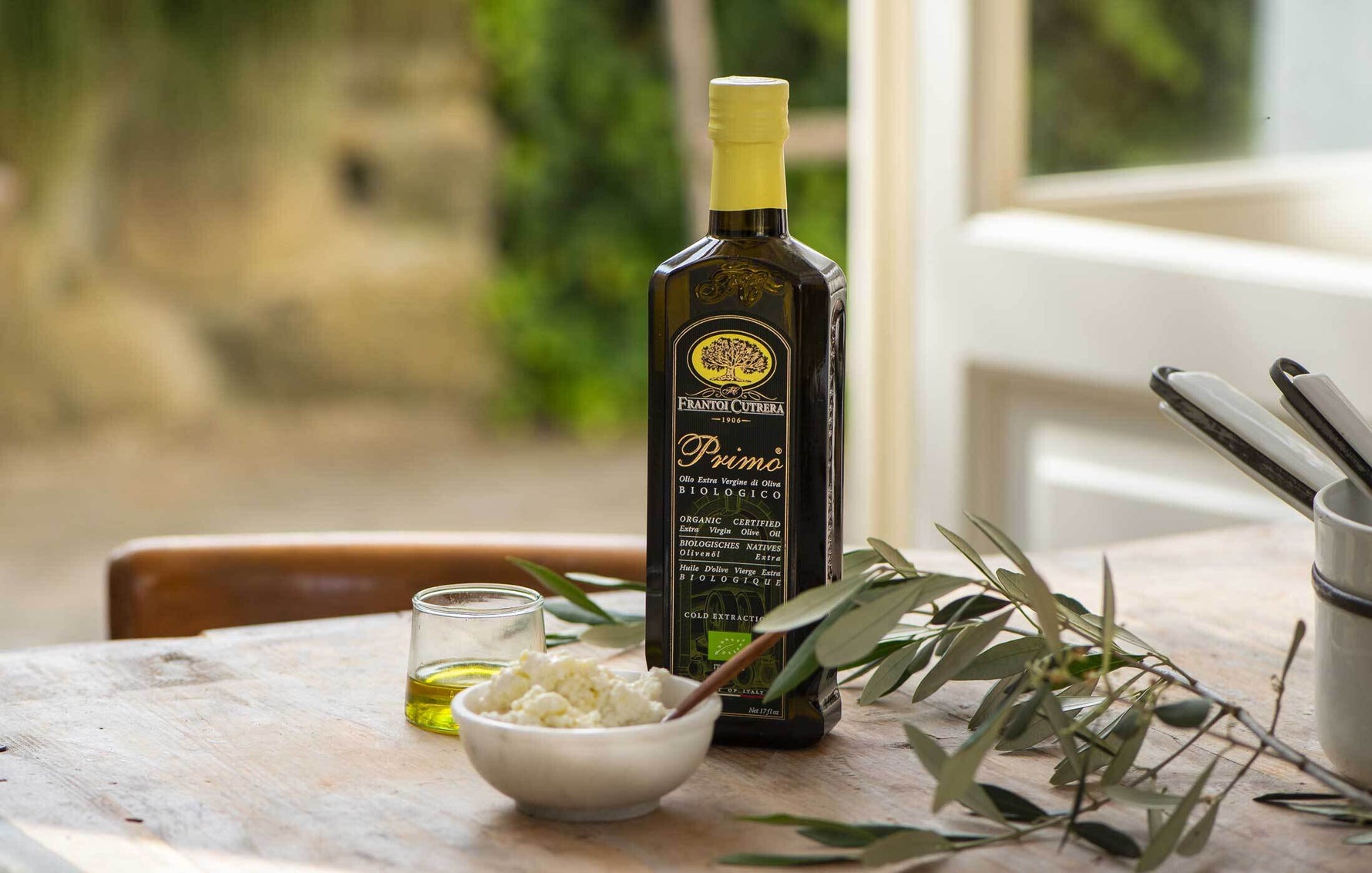
Introduction to Organic Extra Virgin Olive Oil In the wonderful world of organic extra virgin olive oil, there is so much to discover and appreciate. Where do we begin? Well, it all starts with the olive trees, careful custodians of tradition and goodness. These majestic trees cover the hills with their silvery leaves, giving us the precious fruits from which extra virgin olive oil is made. From olives carefully hand-picked to traditional extraction processes, every step is infused with passion and respect for nature. You breathe the fresh country air, listen to the gentle rustling of the leaves, and perceive the intense aroma of olives slowly transforming into a precious nectar. The olives are carefully selected to ensure the highest quality of the final product, an organic extra virgin olive oil that gives dishes a unique and unmistakable taste. Thanks to organic farming, we respect the land and preserve the balance of ecosystems, contributing to creating a healthy and genuine product, rich in beneficial properties for our health. A fascinating journey through the paths of our countryside, discovering ancient traditions and authentic flavors handed down for generations. Welcome to the world of organic extra virgin olive oil, where nature bestows upon us its most precious green gold with love and dedication. Health Benefits We at Frantoi Cutrera are proud to offer organic extra virgin olive oil not only for its delicious taste but also for the numerous health benefits it brings. Here's why you should choose our organic extra virgin olive oil: The benefits of organic extra virgin olive oil largely depend on the concentration of antioxidant polyphenols — compounds that organic farming tends to preserve better than conventional farming. Rich in antioxidants: Our organic extra virgin olive oil is rich in natural antioxidants, which help fight free radicals in the body and prevent cell damage. Protects the heart: Thanks to its high content of monounsaturated fats, our organic extra virgin olive oil is known to promote heart health, reducing the risk of cardiovascular diseases. Weight control: Contrary to popular belief, consuming organic extra virgin olive oil can help with weight management, as it helps maintain a feeling of fullness for longer. Beneficial for mental health: The omega-3 fatty acids present in our organic extra virgin olive oil are essential for brain health and can contribute to improving mood and reducing the risk of depression. Anti-inflammatory properties: The antioxidants and fatty acids present in our organic extra virgin olive oil have demonstrated anti-inflammatory properties that can help reduce inflammation in the body. Choosing our organic extra virgin olive oil will not only enrich your dishes with a unique flavor but will also bring tangible benefits to your health. Organic Extra Virgin Olive Oil and the Environment We deeply care about the environment in which we live and produce our organic extra virgin olive oil. That's why, by following the principles of organic farming, we protect the health of the land, plants, and animals. The Primo BIO by Frantoi Cutrera is our certified organic extra virgin olive oil: cold-extracted from Tonda Iblea olives from the Iblei Mountains, with early harvest. Respect for the land: We use sustainable farming practices that preserve soil fertility and promote biodiversity. We avoid the use of harmful pesticides and chemical fertilizers. Water saving: We are aware of the importance of sustainable water resource management. We use efficient irrigation systems that help reduce water waste. Clean energy: We have implemented solutions to reduce energy consumption during the extra virgin olive oil production process. We use renewable energy sources to power our operations. Pollution reduction: We have adopted measures to reduce polluting emissions and minimize the environmental impact of transport related to the distribution of our products. In summary, our commitment to the production of organic extra virgin olive oil is not limited to product quality, but extends to respect for the environment and the sustainability of our agricultural practices. Differences Between Organic and Non-Organic Extra Virgin Olive Oil When it comes to choosing between organic and non-organic extra virgin olive oil, there are some key differences to keep in mind. Here's what we've learned during our experience in producing organic extra virgin olive oil: To understand in detail how to read the label and recognize certified organic oil, read our complete guide to olive oil. To choose the most suitable organic cultivar, also read our article on the best Sicilian extra virgin olive oil. To understand the differences between extra virgin, virgin, and refined olive oil — regardless of organic certification — read our complete guide to olive oil. Cultivation method: With organic extra virgin olive oil, olives are cultivated without the use of pesticides or chemical fertilizers. This cultivation method respects the environment and promotes biodiversity. Certification: Organic extra virgin olive oil is subject to strict controls and must be certified by an authorized body that guarantees its production in compliance with organic standards. Extraction process: During the production of organic extra virgin olive oil, cold mechanical methods are used to extract the oil, thus preserving all its beneficial properties. In contrast, non-organic oil may be subjected to chemical or thermal processes that compromise its quality. Organoleptic properties: Organic extra virgin olive oil often has a more intense and complex flavor than non-organic oil, thanks to the care and attention devoted during the production process. Sustainability: By choosing organic extra virgin olive oil, you contribute to supporting more environmentally friendly agricultural practices and promoting the health of the planet in the long term. Quality and Production of Organic Extra Virgin Olive Oil In this section, we will explore the importance of the quality and production process of organic extra virgin olive oil. When it comes to organic extra virgin olive oil, the keyword is quality. Olive Selection: We carefully examine the organic olives used in the production of extra virgin olive oil. Every step is crucial. From the olive grove to milling, care and attention are essential. Each olive has its value, and through careful selection, we ensure we obtain an oil of the highest quality. Extraction Method: We use traditional methods for extracting organic extra virgin olive oil. Cold pressing is fundamental to ensure the oil retains all its beneficial properties. In this way, we preserve the unique taste, color, and aroma of our oil. Organic Certification: We care about the environment and consumer health. For this reason, we strictly follow the regulations for organic farming in the production of our extra virgin olive oil. Organic certification guarantees a genuine product, free from pesticides and synthetic fertilizers. Quality Controls: Our attention to quality never wanes. Through continuous laboratory controls, we verify that our organic extra virgin olive oil complies with high standards of purity and freshness. Only then can we offer an excellent product to those who choose to savor it. The quality and production of organic extra virgin olive oil are a daily commitment for us. We want to ensure maximum satisfaction for those who appreciate the authentic taste and health benefits of such a precious product. How to Recognize High-Quality Organic Extra Virgin Olive Oil In the vast world of organic extra virgin olive oils, it can be difficult to distinguish between high-quality ones and those of lesser value. Here are some tips on how to identify top-quality organic extra virgin olive oil: Certified organic label: Always check for the logo or wording on the label that certifies its organic status. This is a primary guarantee of product quality. Production area: Prefer organic extra virgin olive oils from renowned olive growing regions, such as Sicily. Taste and smell: A high-quality extra virgin olive oil should have a fresh, fruity, and slightly bitter taste, with herbaceous notes. The smell should be intense and rich. Color and consistency: Look at the color of the oil: an intense green tone often indicates high quality. Furthermore, the oil should have a dense but fluid consistency. PDO and PGI: The presence of PDO (Protected Designation of Origin) or PGI (Protected Geographical Indication) labels is a further indicator of excellence and respect for local traditions. Remember that high-quality organic extra virgin olive oil is not only a delicious condiment but also a true ally for your health. We always pay attention to its origin and organoleptic characteristics to ensure we enjoy a genuine and superior quality product. Uses and Applications of Organic Extra Virgin Olive Oil in Cooking When it comes to cooking with organic extra virgin olive oil, the possibilities are truly endless. One of the simplest ways to fully enjoy its aroma and flavor is to use it as a raw condiment on salads, soups, or freshly cooked vegetable dishes. We have also found that it is ideal for marinating meats, fish, and vegetables before cooking, adding a touch of freshness and taste to every dish. "The versatility of organic extra virgin olive oil makes it an essential element in the kitchen." Another delicious culinary application of this exquisite oil is its use in preparing sauces and dressings. Mixed with balsamic vinegar to create a light and tasty vinaigrette, or with garlic and aromatic herbs for a flavorful sauce to pair with pasta or meat dishes. And let's not forget its use for frying: thanks to its resistance to high temperatures and its fruity flavor, organic extra virgin olive oil is perfect for frying crispy chips, golden meatballs, or battered vegetables. Finally, we must mention its use in preparing desserts: by replacing butter with organic extra virgin olive oil, it is possible to obtain lighter and healthier desserts without sacrificing the desired flavor and softness. In the kitchen, organic extra virgin olive oil is our best ally for enhancing flavors and winning over the palate of anyone who sits at our table. Tips for Best Storing Organic Extra Virgin Olive Oil When it comes to best storing organic extra virgin olive oil, there are some precautions we can take to ensure it retains its freshness and properties. Here are some useful tips to keep in mind: Light and heat: Avoid exposing extra virgin olive oil to direct sunlight or excessive heat sources, as these can alter its flavor and beneficial properties. Air and humidity: Always store the oil in a tightly sealed container in a cool, dry place, away from sources of humidity. Oxidation is the worst enemy of organic olive oil, so protect it from air as much as possible. Container: Prefer dark glass or tin containers for storing organic extra virgin olive oil. Avoid plastic containers, which could contaminate the oil with harmful substances. Quick consumption: Organic extra virgin olive oil is best when consumed fresh, so try to use it within a year of production. Once opened, it should preferably be consumed within two or three months. Temperature: Keep organic extra virgin olive oil away from excessive heat sources, but also be aware of excessive cold, which could cause it to solidify. By following these simple tips, we can ensure that we best preserve all the flavor and healthy properties of our precious organic extra virgin olive oil. Controversies and Criticisms of Organic Extra Virgin Olive Oil The controversies and criticisms related to organic extra virgin olive oil are important to consider when discussing this precious product. Here are some points for reflection: Food fraud: Unfortunately, the food industry is not immune to dishonest practices, and organic extra virgin olive oil is no exception. Fraud regarding the origin or quality of the oil sometimes occurs, compromising consumer trust. Sustainability: Not all organic extra virgin olive oil producers adopt sustainable practices. It is important to evaluate not only compliance with organic regulations but also the overall environmental impact of the production process. Misleading labeling: Some labels can mislead consumers, presenting a product as organic that does not actually meet the required standards. Conflicts of interest: In a competitive sector such as extra virgin olive oil, conflicts of interest may arise that affect the transparency and accuracy of information provided to consumers. Challenges in organic certification: Obtaining organic certification is not always a straightforward process for farmers, who may face complex bureaucratic requirements and additional costs. In conclusion, it is important to be aware of the controversies and criticisms related to organic extra virgin olive oil to make informed choices and support producers who adhere to high standards of quality and sustainability. Conclusion We have journeyed together through the wonderful world of organic extra virgin olive oil production. We have immersed ourselves in the lush lands where olive trees thrive, followed the harvesting process of the golden fruits, and witnessed their transformation into precious oil. We have come to understand the care and passion that farmers pour into their work, guaranteeing a product of the highest quality. During this exploration, we discovered the health benefits that organic extra virgin olive oil brings, rich in antioxidants and beneficial fatty acids for our well-being. We also understood the importance of supporting sustainable and environmentally friendly agricultural practices, preserving the beauty of the lands and the biodiversity that surrounds them. Now that we have completed our journey through the production of this golden treasure, we can fully appreciate the craftsmanship and dedication that underlie every bottle of organic extra virgin olive oil. Its fragrance, its unique flavor, and its beneficial properties remind us how precious this gift from nature is. We hope that our exploration has instilled in you a new appreciation for organic extra virgin olive oil and inspires you to carefully choose the products you bring to your table, valuing not only your palate but also the health and well-being of the planet we all share.

Dall-abbondanza-della-natura-alla-tua-cucina-Esplora-la-versatilità-del-miele-di-limone-biologico FRANTOI CUTRERA

From nature's abundance to your kitchen: Explore the versatility of organic lemon honey

Organic lemon honey is a natural product that combines the beneficial properties of pure honey with the aroma and qualities of fresh lemon. This unique combination offers a wide range of health benefits and can be used in multiple ways in the kitchen. In the following article, we'll explore the benefits of organic lemon honey, discover different ways to use it in the kitchen, share some sweet and savory recipes, and talk about the health and skincare benefits. Furthermore, we will provide some DIY ideas that will allow you to take full advantage of the versatility of this incredible natural product. The benefits of organic lemon honey Organic lemon honey offers a wide range of health benefits. It is rich in antioxidants, vitamins and minerals that support the immune system, improve digestion and promote overall health. Lemon provides an extra dose of vitamin C, which is essential for the well-being of our body. Honey, on the other hand, has antibacterial and anti-inflammatory properties that can help fight colds and soothe a sore throat. Furthermore, organic lemon honey is an excellent natural remedy to soothe coughs and respiratory tract congestion. Simply mix a dollop of organic lemon honey in a cup of hot water or tea to make an effective natural syrup that can relieve cold and flu symptoms. Different ways of using organic lemon honey in cooking Organic lemon honey can be used in multiple ways in the kitchen, adding a touch of sweetness and freshness to your dishes. It is perfect for sweetening drinks such as tea, herbal teas and fruit juices. You can also use it to make sauces and marinades for meat, poultry and fish. Add a touch of organic lemon honey to salads, cereals and yogurt for a unique and delicious flavor. For a healthy and tasty breakfast, spread organic lemon honey on toast or use it as an ingredient to prepare delicious desserts such as cakes, biscuits and muffins. Its creamy texture and fresh aroma will make every bite a unique experience. Recipes with organic lemon honey - sweet and savory options Here are some recipes that will allow you to make the most of the versatility of organic lemon honey: Shrimp Salad with Lemon Honey Dressing: Mix fresh lemon juice, olive oil, organic lemon honey and minced garlic to create a light, flavorful dressing. Season some cooked mackerel or prawns and serve on a mixed salad for a fresh and delicious dish. Organic Lemon Honey Muffins: Prepare a classic muffin batter and add a generous dollop of organic lemon honey. Bake in the oven until the muffins are golden and fragrant. This variant will make your muffins irresistible. Hot Organic Lemon Honey Tea: Brew a cup of hot tea and add a dollop of organic lemon honey. Mix well and enjoy this warm and relaxing drink, perfect for cold winter days. The health benefits of organic lemon honey In addition to its general wellness benefits, organic lemon honey may offer several specific health benefits. Lemon is known for its detoxifying and purifying properties, which help eliminate toxins from the body and balance the pH. Honey, on the other hand, has antibacterial and anti-inflammatory properties that can help fight infections and soothe irritation. Furthermore, organic lemon honey is an excellent natural remedy for digestion. Lemon stimulates the production of bile, which helps break down fats and better assimilate nutrients. Honey, on the other hand, promotes the growth of beneficial bacteria in the intestine, improving intestinal flora and digestion. Organic lemon honey and skin care In addition to the health benefits, organic lemon honey can also be used for skin care. The antibacterial and anti-inflammatory properties of honey can help fight acne and reduce skin inflammation. Lemon, on the other hand, has whitening and astringent properties that can help reduce dark spots and tighten pores. For a natural skin treatment, mix a dollop of organic lemon honey with a teaspoon of virgin coconut oil. Apply to cleansed face and leave on for 15-20 minutes. Rinse with warm water and enjoy glowing, soft skin. DIY ideas with organic lemon honey In addition to recipes and skin care, organic lemon honey can be used in many other DIY ideas. Here are some simple ideas to make the most of the versatility of this incredible natural product: Lemon Honey Hair Mask: Mix a spoonful of organic lemon honey with a spoonful of olive oil and apply to the lengths of your hair. Leave it on for 30 minutes and then wash your hair as normal. Your hair will be nourished and shiny. Lemon Honey Body Scrub: Mix a dollop of organic lemon honey with two tablespoons of brown sugar and a tablespoon of coconut oil. Massage onto damp skin during the shower to exfoliate and hydrate the skin. Lemon Honey Face Mask: Mix a spoonful of organic lemon honey with a teaspoon of natural yogurt and a teaspoon of oatmeal. Apply to cleansed face and leave on for 15-20 minutes. Rinse with warm water for fresh, glowing skin. The versatility of Organic Lemon Honey Organic lemon honey is a versatile and healthy product that can be used in multiple ways in cooking and skin care. Its health-promoting properties, fresh aroma and unique flavor make it a valuable addition to your kitchen. Experiment with new sweet and savory recipes, enjoy the health benefits, and try some of the DIY ideas to take full advantage of the versatility of organic lemon honey. You can find top quality organic lemon honey in the Frantoi Cutrera online shop .
Dagli-agrumi-alla-marmellata-Scopri-la-storia-della-marmellata-di-arance FRANTOI CUTRERA

From citrus fruits to marmalade: Discover the history of orange marmalade

Orange marmalade is a culinary delight that has a long history. In this article, we will explore the origins of citrus fruits, the process of making orange marmalade, and its different variations and flavors. We'll also discuss the health benefits of orange marmalade, creative ways to use it in recipes, and popular dishes that include it. Finally, we'll talk about the perfect combinations for this jam and conclude by highlighting its enduring popularity. The history of orange marmalade Orange marmalade has a fascinating history that dates back many centuries. Oranges themselves have ancient origins, with the first traces of citrus fruits dating back to 2400 BC in China. It was the Chinese who first discovered citrus fruits, including oranges, and appreciated their unique flavor and versatility. Subsequently, citrus fruits were brought to Europe by Arab traders during the time of the Crusades. Orange marmalade became popular in Europe in the 18th century, when oranges from Spain and Portugal were considered a luxury. The first written documents mentioning orange marmalade date back to 1663, when a Dutch cookbook describes the production process. Since then, orange marmalade has become a popular culinary delicacy throughout the world. The origins of citrus fruits Citrus fruits are a family of fruits that include oranges, lemons, limes, mandarins and grapefruits. Originally from Asia, citrus fruits were brought to Europe by the Arabs during the period of the Crusades. They are fruits rich in vitamin C, antioxidants and fibre. Oranges, in particular, are a very versatile fruit and widely used in cuisine around the world. They are sweet, juicy and have a distinctive flavor that makes them perfect for jam making. The process of making orange marmalade Orange marmalade is made following a relatively simple process. The oranges are peeled and cut into thin slices, then cooked in a pot with sugar and water. During cooking, oranges release their juice and essential oils, creating an intense and aromatic flavor. The jam is then placed in jars and left to cool to solidify. Different variations and flavors of orange marmalade Orange marmalade offers a wide range of variations and flavors. In addition to traditional orange marmalade, there are variations with the addition of other ingredients such as ginger, cinnamon or chili pepper for a spicy touch. Some producers also use oranges of specific varieties, such as tarocco or blood oranges, to create jams with a unique flavor. Bitter orange marmalade is another popular variant, prized for its intense, slightly acidic taste. This jam is particularly used in British cuisine, where it is often accompanied by toast and butter. The health benefits of orange marmalade Orange marmalade also offers several health benefits. Oranges are rich in vitamin C, which helps support the immune system and promotes healthy skin. They also contain antioxidants that fight free radicals in the body, reducing inflammation and the risk of chronic disease. Additionally, oranges are a good source of fiber, which aids digestion and helps maintain a healthy weight. Orange marmalade, when consumed in moderation, can be a tasty addition to a balanced diet. Creative ways to use orange marmalade in recipes Orange marmalade isn't just delicious spread on a slice of toast. It can be used creatively in many recipes, adding a touch of sweetness and a unique citrus flavor. One of the simplest ideas is to use it as a filling for cakes and desserts. Orange marmalade can be spread between the layers of a cake or used to fill biscuits. It can also be added to creams and mousses for a touch of freshness. Beyond desserts, orange marmalade can also be used in savory recipes. It can be used as a glaze for roast meats or as a salad dressing. It adds a fruity, slightly sweet flavor that goes well with many dishes. Paired with orange marmalade Orange marmalade pairs well with many other ingredients, creating delicious flavor combinations. It can be spread on creamy cheeses such as brie or camembert, creating a contrast between the sweetness of the jam and the creaminess of the cheese. It can also be paired with fresh fruit, such as strawberries or bananas, in a fruit salad. This combination of sweet and tangy flavors is perfect for a breakfast or light dessert. The enduring popularity of orange marmalade Orange marmalade is a culinary delicacy with a rich history and delicious flavor. Its ancient origins, simple manufacturing process, and numerous variations and flavors available have contributed to its enduring popularity. In addition to being tasty, orange marmalade also offers health benefits thanks to the properties of citrus fruits. Experimenting with creative ways to use it in recipes and discovering interesting flavor combinations is part of the fun of this culinary delight. You can find orange marmalade in the classic version or Tarocco Oranges in the Frantoi Cutrera shop.
L-arte-della-bruschetta-un-viaggio-culinario-tra-storia-e-sapori FRANTOI CUTRERA

Bruschetta: History, Origins, Classic Recipe, and How to Choose the Oil

Bruschetta is one of the simplest and most iconic dishes in Italian cuisine: toasted bread, garlic, extra virgin olive oil. Yet, behind this simplicity lies a centuries-old history, a specific technique, and a variable that makes all the difference—the quality of the oil. In this article, you'll find its historical origins, the classic recipe, the most interesting regional variations, and how to choose the right oil for a truly worthwhile bruschetta. The origins of bruschetta: where it was born and what its name means Bruschetta is a dish from central Italy, with documented roots in Lazio and Umbria. The name derives from the Roman dialectal verb bruscare — to toast, to char — which in turn comes from the Latin bruscum. It is not a modern invention nor a restaurant appetizer: it originated as peasant food, linked to the tradition of olive pressing. Every year, after the harvest, millers would taste the new oil by pouring it raw onto toasted bread rubbed with garlic. It was a practical way to evaluate the quality of the freshly pressed oil — and at the same time, a moment of community celebration. From this custom, bruschetta as we know it today was born. Its region of origin is disputed: Rome, Umbria, and Abruzzo all claim paternity. The version with tomato — now the most widespread — is chronologically more recent, as tomatoes arrived in Italy only after the discovery of America. "Pure" bruschetta is bread + garlic + oil. The classic bruschetta recipe Classic bruschetta has four ingredients. It’s not the number that makes it difficult — it’s the quality of each. Bread: Tuscan, Pugliese, or Sicilian durum wheat bread — with a compact crumb and thick crust. Avoid baguettes and sandwich bread: they fall apart under the toppings. The slices should be at least 1.5 cm thick. Garlic: a fresh garlic clove rubbed directly on the surface of the still-warm bread. The amount depends on taste — one or two passes are enough to add fragrance without overwhelming. Salt: coarse sea salt, preferably Sicilian fleur de sel — a pinch just before serving, not during cooking. Extra virgin olive oil: the star. Poured raw, generously, over the entire surface. It must have an intense fruitiness, bitterness, and pungency — a neutral oil doesn't work on bruschetta. The technique: toast the bread on a grill or in the oven (200°C, 5-7 minutes per side) until the surface is golden and crispy but the inside is still soft. Immediately rub with garlic — while the bread is hot, the heat opens the pores and the aroma penetrates better. Pour the oil and add the salt. Serve immediately. The right oil for bruschetta: which one to choose Bruschetta is one of the few dishes where the oil truly stands out — it's not hidden by cooking or other strong flavors. It's when the difference between a good oil and a mediocre one is most noticeable. Characteristics to look for: Intense fruitiness: notes of fresh olive, grass, artichoke — not neutral and not rancid. Bitterness and pungency: signs of freshness and high polyphenol content. The tingling sensation in the throat is a positive indicator, not a defect. Recent harvest year: extra virgin oil deteriorates over time. Never use oil more than 18 months old for bruschetta. The most suitable Sicilian cultivars for bruschetta are Nocellara del Belice — with its decided fruitiness and notes of green tomato — and Tonda Iblea, more elegant and almondy. Frantoi Cutrera's Primo DOP Monti Iblei is our benchmark pairing for classic bruschetta. For autumn bruschetta, just after the harvest, Frescolio — Frantoi Cutrera's new oil — is the pairing most faithful to its origins: it's exactly the oil millers poured on bread to taste the new vintage. The most interesting regional variations The basic version (bread + garlic + oil) is the starting point. The variations most rooted in Italian tradition: Tomato bruschetta (Lazio): diced fresh tomato, basil, garlic, oil. The tomato should be ripe but firm — ideally San Marzano or cherry tomatoes. Don't marinate the tomato for too long: the vegetable water softens the bread. Bruschetta with beans (Tuscany/Umbria): boiled cannellini beans seasoned with oil, sage, and rosemary, arranged on toasted bread. A quintessential peasant dish, rich and substantial. Bruschetta with Lardo di Colonnata (Tuscany): thin slices of lardo on hot bread, which melts with the heat. Oil optional or not necessary. Bruschetta with 'nduja (Calabria): 'nduja spread on still-warm bread, sometimes with a drizzle of honey to balance the spiciness. Sicilian bruschetta: local cherry tomatoes, dried Sicilian oregano, coarse sea salt, and Sicilian extra virgin olive oil. The difference from the Lazio version lies in the oregano — a dry and intense aroma that completely changes the character of the dish. Pairings and usage contexts Bruschetta works as an appetizer, snack, informal aperitif, or light dinner. Some particularly successful combinations: With fresh cheeses: sheep's ricotta, burrata, Sicilian primo sale — the creaminess contrasts with the crunchiness of the bread. With Sicilian preserves: eggplant caponata, tuna in oil, semi-dried tomatoes — bruschetta as a base for a complete Sicilian appetizer. With new oil: the best time of year for bruschetta is November, when the new oil is freshly pressed and its aromatic intensity is at its peak. Frequently asked questions about bruschetta Where was bruschetta born? The origins of bruschetta are in central Italy, particularly in Lazio and Umbria, where the tradition of toasting bread and seasoning it with new oil was linked to the olive pressing season. There is no "official" region — it is a dish shared by many peasant traditions of central and southern Italy. What is the difference between bruschetta and crostino? Bruschetta involves thicker slices of bread, toasted on a grill or in the oven, seasoned with raw oil. Crostino is typically smaller, thinner, and often spread with pâté or mousse. Bruschetta is a dish in itself; crostino is more often a support for other toppings. Do you say "bruschetta" or "brusketta"? The correct pronunciation is "brusketta" — with the "ch" pronounced like the "k" in "school," not like the "sh" in "scene." It's a common mistake among non-Italians to pronounce it with the soft "sh" sound. Which oil to use for bruschetta? An extra virgin olive oil with intense fruitiness, noticeable bitterness, and pungency — signs of freshness and quality. Neutral or refined oils don't work: on bruschetta, the oil is the protagonist, and its quality is clearly felt.