



Home
>
Curiosities from the oil mill
>
Bruschetta: History, Origins, Classic Recipe, and How to Choose the Oil

Bruschetta: History, Origins, Classic Recipe, and How to Choose the Oil
Bruschetta is one of the simplest and most iconic dishes in Italian cuisine: toasted bread, garlic, extra virgin olive oil. Yet, behind this simplicity lies a centuries-old history, a specific technique, and a variable that makes all the difference—the quality of the oil. In this article, you'll find its historical origins, the classic recipe, the most interesting regional variations, and how to choose the right oil for a truly worthwhile bruschetta.
The origins of bruschetta: where it was born and what its name means
Bruschetta is a dish from central Italy, with documented roots in Lazio and Umbria. The name derives from the Roman dialectal verb bruscare — to toast, to char — which in turn comes from the Latin bruscum. It is not a modern invention nor a restaurant appetizer: it originated as peasant food, linked to the tradition of olive pressing.
Every year, after the harvest, millers would taste the new oil by pouring it raw onto toasted bread rubbed with garlic. It was a practical way to evaluate the quality of the freshly pressed oil — and at the same time, a moment of community celebration. From this custom, bruschetta as we know it today was born.
Its region of origin is disputed: Rome, Umbria, and Abruzzo all claim paternity. The version with tomato — now the most widespread — is chronologically more recent, as tomatoes arrived in Italy only after the discovery of America. "Pure" bruschetta is bread + garlic + oil.
The classic bruschetta recipe
Classic bruschetta has four ingredients. It’s not the number that makes it difficult — it’s the quality of each.
- Bread: Tuscan, Pugliese, or Sicilian durum wheat bread — with a compact crumb and thick crust. Avoid baguettes and sandwich bread: they fall apart under the toppings. The slices should be at least 1.5 cm thick.
- Garlic: a fresh garlic clove rubbed directly on the surface of the still-warm bread. The amount depends on taste — one or two passes are enough to add fragrance without overwhelming.
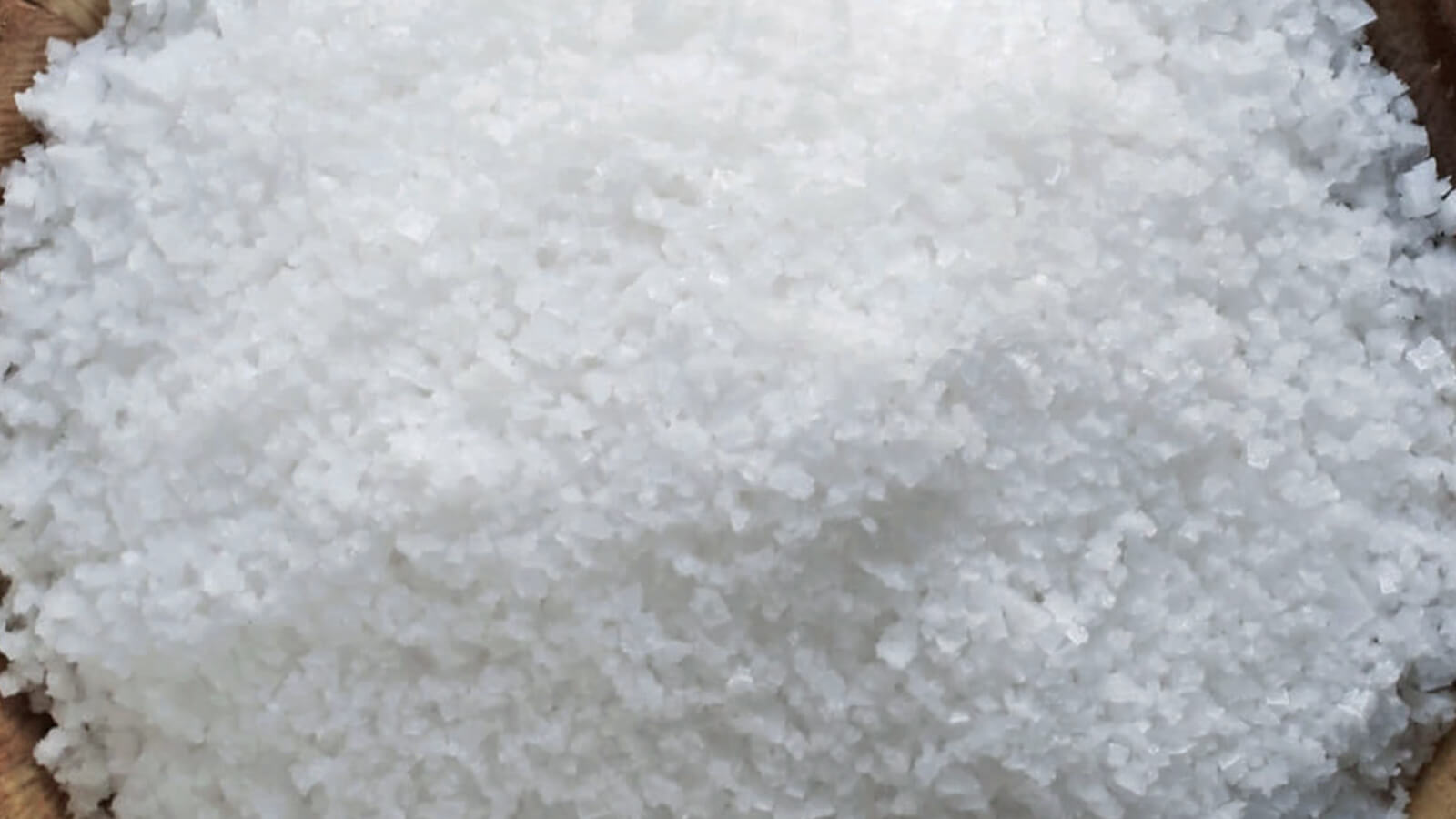
- Salt: coarse sea salt, preferably Sicilian fleur de sel — a pinch just before serving, not during cooking.
- Extra virgin olive oil: the star. Poured raw, generously, over the entire surface. It must have an intense fruitiness, bitterness, and pungency — a neutral oil doesn't work on bruschetta.
The technique: toast the bread on a grill or in the oven (200°C, 5-7 minutes per side) until the surface is golden and crispy but the inside is still soft. Immediately rub with garlic — while the bread is hot, the heat opens the pores and the aroma penetrates better. Pour the oil and add the salt. Serve immediately.
The right oil for bruschetta: which one to choose
Bruschetta is one of the few dishes where the oil truly stands out — it's not hidden by cooking or other strong flavors. It's when the difference between a good oil and a mediocre one is most noticeable.
Characteristics to look for:
- Intense fruitiness: notes of fresh olive, grass, artichoke — not neutral and not rancid.
- Bitterness and pungency: signs of freshness and high polyphenol content. The tingling sensation in the throat is a positive indicator, not a defect.
- Recent harvest year: extra virgin oil deteriorates over time. Never use oil more than 18 months old for bruschetta.
The most suitable Sicilian cultivars for bruschetta are Nocellara del Belice — with its decided fruitiness and notes of green tomato — and Tonda Iblea, more elegant and almondy. Frantoi Cutrera's Primo DOP Monti Iblei is our benchmark pairing for classic bruschetta.
For autumn bruschetta, just after the harvest, Frescolio — Frantoi Cutrera's new oil — is the pairing most faithful to its origins: it's exactly the oil millers poured on bread to taste the new vintage.
The most interesting regional variations
The basic version (bread + garlic + oil) is the starting point. The variations most rooted in Italian tradition:
- Tomato bruschetta (Lazio): diced fresh tomato, basil, garlic, oil. The tomato should be ripe but firm — ideally San Marzano or cherry tomatoes. Don't marinate the tomato for too long: the vegetable water softens the bread.
- Bruschetta with beans (Tuscany/Umbria): boiled cannellini beans seasoned with oil, sage, and rosemary, arranged on toasted bread. A quintessential peasant dish, rich and substantial.
- Bruschetta with Lardo di Colonnata (Tuscany): thin slices of lardo on hot bread, which melts with the heat. Oil optional or not necessary.
- Bruschetta with 'nduja (Calabria): 'nduja spread on still-warm bread, sometimes with a drizzle of honey to balance the spiciness.
- Sicilian bruschetta: local cherry tomatoes, dried Sicilian oregano, coarse sea salt, and Sicilian extra virgin olive oil. The difference from the Lazio version lies in the oregano — a dry and intense aroma that completely changes the character of the dish.
Pairings and usage contexts
Bruschetta works as an appetizer, snack, informal aperitif, or light dinner. Some particularly successful combinations:
- With fresh cheeses: sheep's ricotta, burrata, Sicilian primo sale — the creaminess contrasts with the crunchiness of the bread.
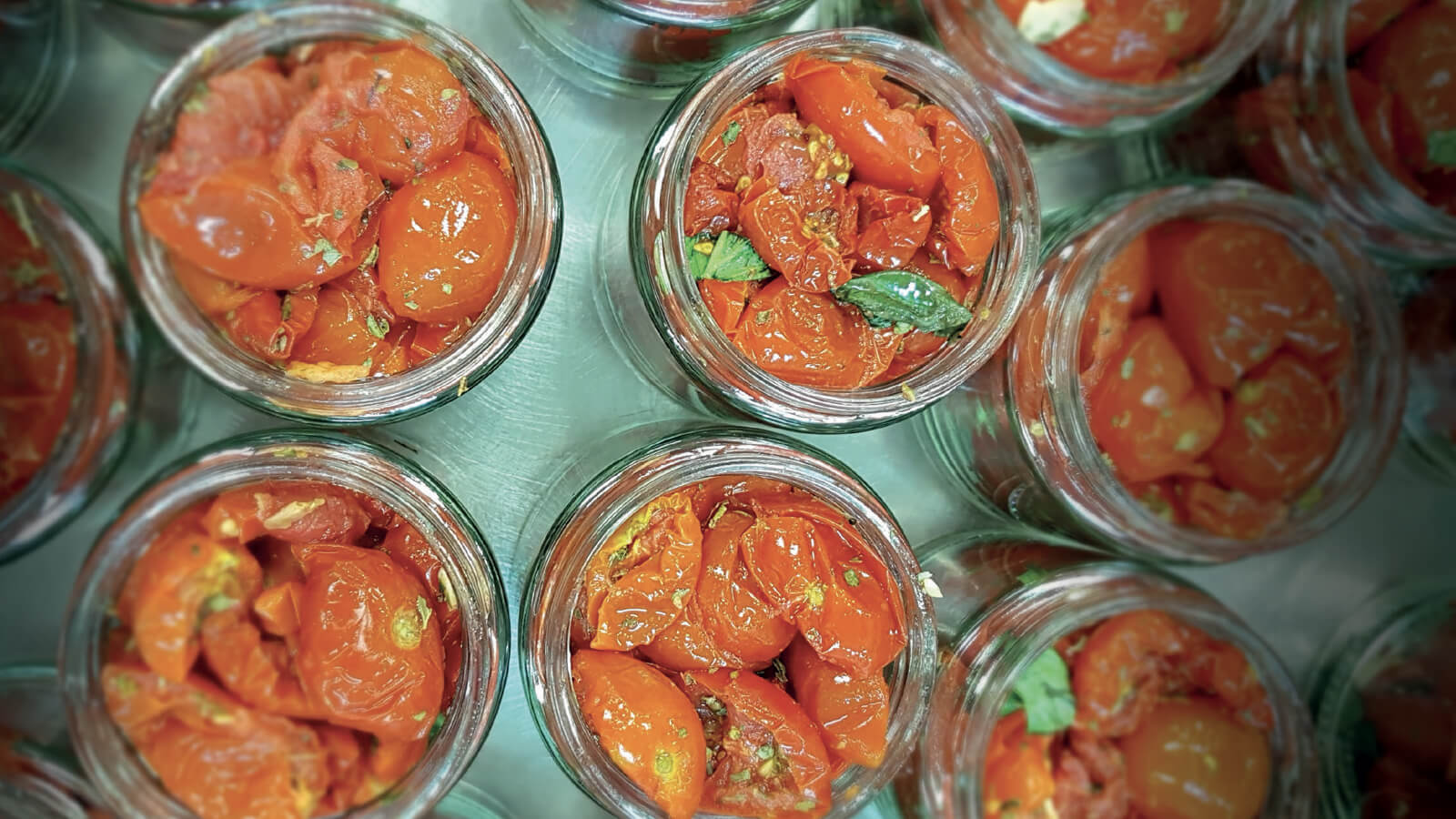
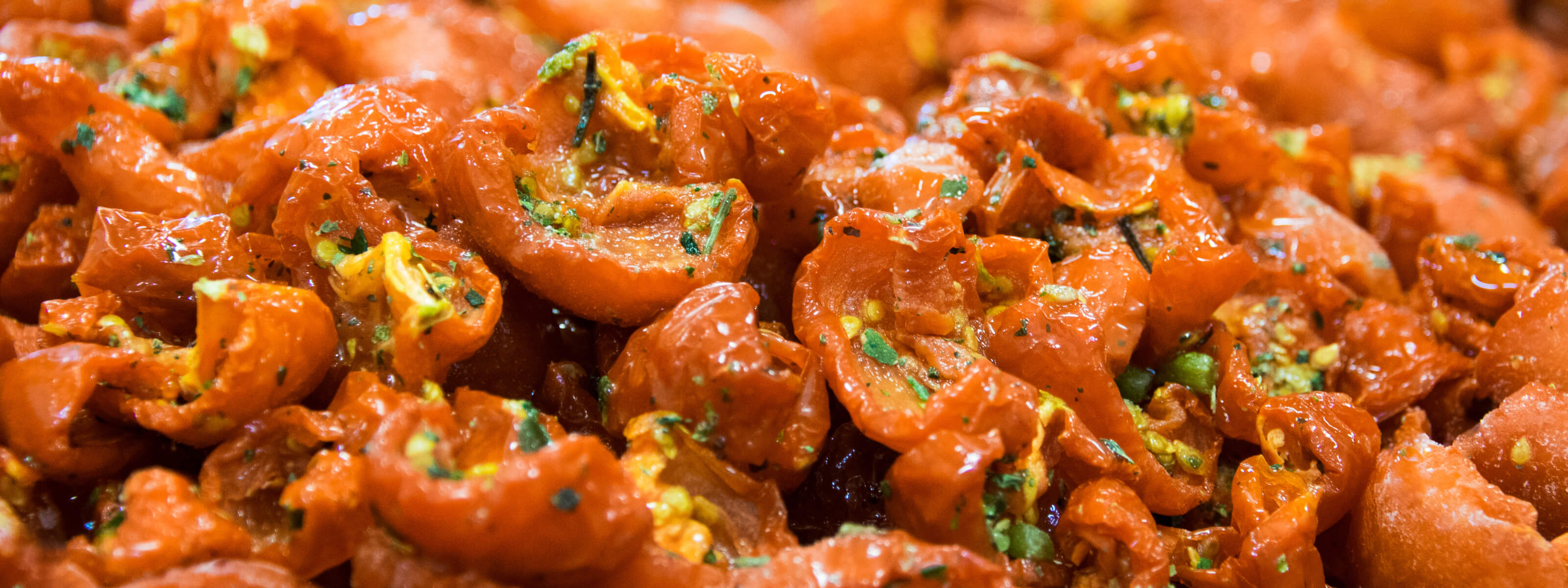
- With Sicilian preserves: eggplant caponata, tuna in oil, semi-dried tomatoes — bruschetta as a base for a complete Sicilian appetizer.
- With new oil: the best time of year for bruschetta is November, when the new oil is freshly pressed and its aromatic intensity is at its peak.
Frequently asked questions about bruschetta
Where was bruschetta born?
The origins of bruschetta are in central Italy, particularly in Lazio and Umbria, where the tradition of toasting bread and seasoning it with new oil was linked to the olive pressing season. There is no "official" region — it is a dish shared by many peasant traditions of central and southern Italy.
What is the difference between bruschetta and crostino?
Bruschetta involves thicker slices of bread, toasted on a grill or in the oven, seasoned with raw oil. Crostino is typically smaller, thinner, and often spread with pâté or mousse. Bruschetta is a dish in itself; crostino is more often a support for other toppings.
Do you say "bruschetta" or "brusketta"?
The correct pronunciation is "brusketta" — with the "ch" pronounced like the "k" in "school," not like the "sh" in "scene." It's a common mistake among non-Italians to pronounce it with the soft "sh" sound.
Which oil to use for bruschetta?
An extra virgin olive oil with intense fruitiness, noticeable bitterness, and pungency — signs of freshness and quality. Neutral or refined oils don't work: on bruschetta, the oil is the protagonist, and its quality is clearly felt.
Share


