


Curiosities from the oil mill
Wild Fennel: Properties, uses and beneficial effects
Introduction to wild fennel
Wild fennel, also known as mountain fennel or little fennel, is an aromatic plant that grows spontaneously in various types of soil, especially calcareous and sandy ones. This plant, belonging to the Apiaceae family, is widely appreciated for its many culinary and health benefits. It has an intense and fresh aroma, with notes of anise and lemon, which make it a versatile ingredient in the kitchen.
Characteristics of wild fennel
Wild fennel has thin, filiform leaves, similar to those of common fennel, but with a more intense flavor.
Its yellow flowers, gathered in umbels, give the plant a delicate and ornamental appearance.
It is a rustic and resistant plant, which grows easily even in adverse climatic conditions.
Culinary uses
Fresh wild fennel leaves are often used to flavor salads, meat, fish, and cheeses.
The seeds, harvested at the end of summer, add an aromatic touch to meat dishes, sauces, and preserves.
The infusion obtained from the aerial parts of the plant can be used to prepare digestive and relaxing drinks.
Health benefits
Wild fennel is rich in antioxidants and vitamins, which make it a valuable ally for the well-being of the body.
Its digestive and diuretic properties make it useful for promoting digestion and counteracting water retention.
In herbal medicine, it is used to alleviate gastrointestinal problems and menstrual pain.
Wild fennel, with its unmistakable fragrance and its many virtues, confirms itself as a precious treasure of nature to discover and appreciate in cooking and daily well-being.
Health benefits
Wild fennel is rich in antioxidant properties that can help protect cells from damage caused by free radicals.
Its anti-inflammatory properties can be useful in reducing inflammation and pain related to conditions such as arthritis.
Thanks to its fiber content, wild fennel can promote digestion and help regulate bowel function.
The vitamins and minerals present in this plant can contribute to strengthening the immune system.
Consuming wild fennel can be useful in improving respiratory system health and promoting airway health.
The presence of phytochemicals in wild fennel can have beneficial effects on heart health and help keep blood cholesterol levels low.
Wild fennel essential oil is known for its digestive properties and can be useful in treating gastrointestinal disorders.
Culinary uses
In Italian cuisine, wild fennel is a versatile and aromatic ingredient that can be used in many ways. Here are some ideas on how to incorporate this delicious wild herb into your recipes:
In Segreti di Sicilia, you will find naturally dried wild fennel seeds — harvested in Sicily and air-dried, ready to flavor sauces, bread, sausages, and marinades.
Fresh salads: Add wild fennel to your salads for an aromatic and fresh touch. The tender and fragrant leaves pair perfectly with lettuce, cherry tomatoes, and other seasonal vegetables.
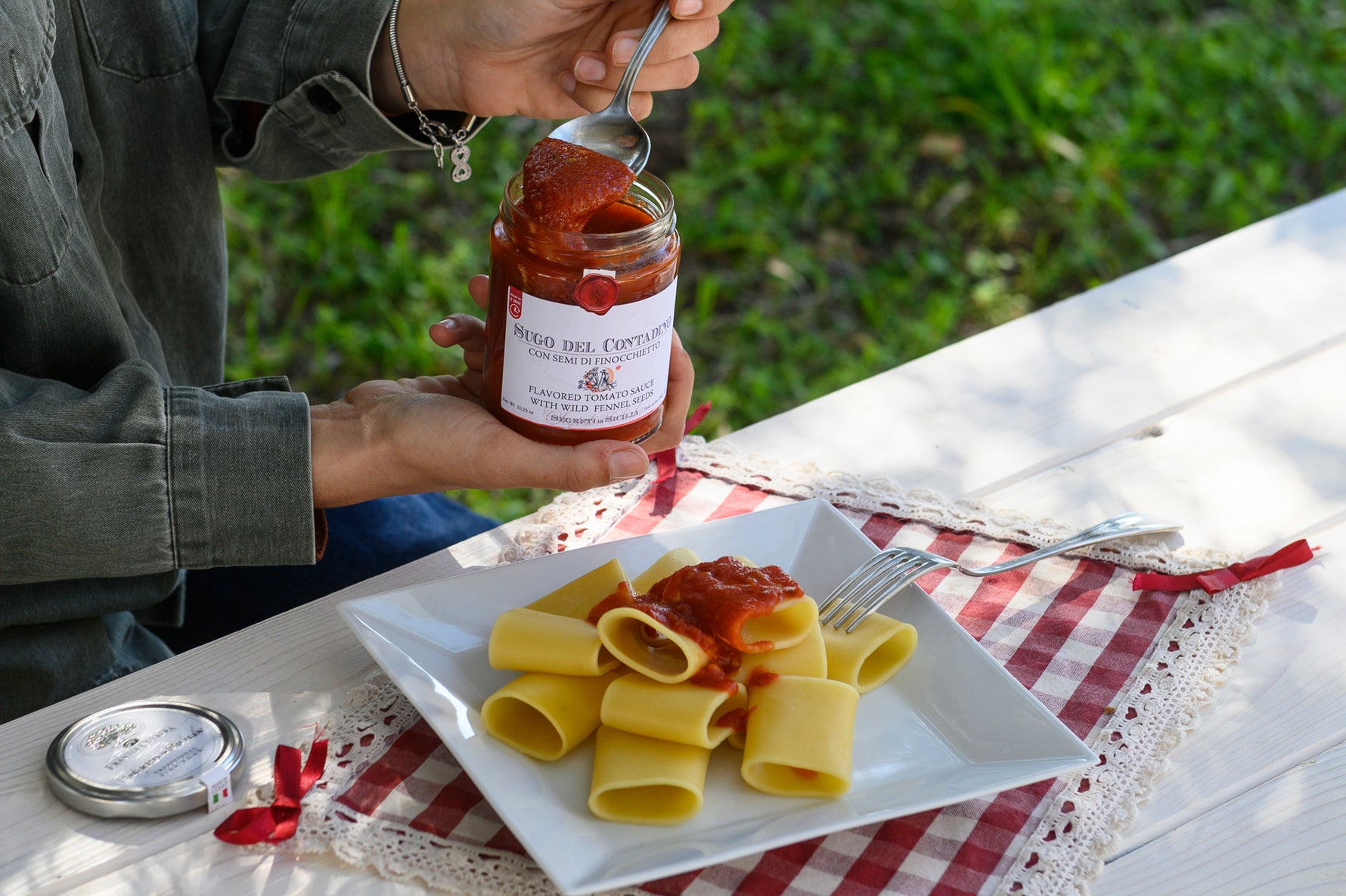
Pestos and sauces: Use wild fennel to prepare delicious pestos or fresh sauces to season pasta, bruschetta, or meat. The unique taste of this herb will add vibrancy to your dish. Curious? We invite you to try our Farmer's Sauce!
Soups and broths: Add wild fennel to your soups or broths to enrich them with flavor. Place it fresh or add it as a crunchy garnish to give a special touch to the dish.
Seasoning for meat: Finely chop wild fennel and use it as a seasoning to flavor grilled meats or roasts. Its intense aroma will give depth of taste to your preparation.
Omelets and savory pies: Add wild fennel to omelets or savory pies to give a touch of freshness and originality. Its unique fragrance will make your dishes irresistible.
Seasoning for cheeses: Accompany fresh or aged cheeses with wild fennel leaves to enhance their flavor and create tasty and refined pairings.
Experiment freely with wild fennel in the kitchen and let yourself be inspired by its versatility and goodness.
Tasty recipes with wild fennel
In the kitchen, wild fennel can be used in many ways to enrich our dishes with its unique and fresh aroma. Here are some delicious recipes that will allow you to fully appreciate the many virtues of this wild plant:
One of the most beloved preparations in Sicilian tradition is anchovy sauce with fennel: our Segreti di Sicilia anchovy sauce with fennel brings this ready-to-use combination to your table, featuring Cantabrian anchovies and Sicilian fennel seeds.
If you're looking for inspiration on how to cook fennel, also read our recipes with wild fennel and our article on 5 quick recipes with wild fennel and extra virgin olive oil.
Wild fennel salad: Finely chop the fennel and combine it with halved cherry tomatoes, black olives, diced feta, and season with extra virgin olive oil and lemon juice. A fresh and flavorful salad perfect for summer.
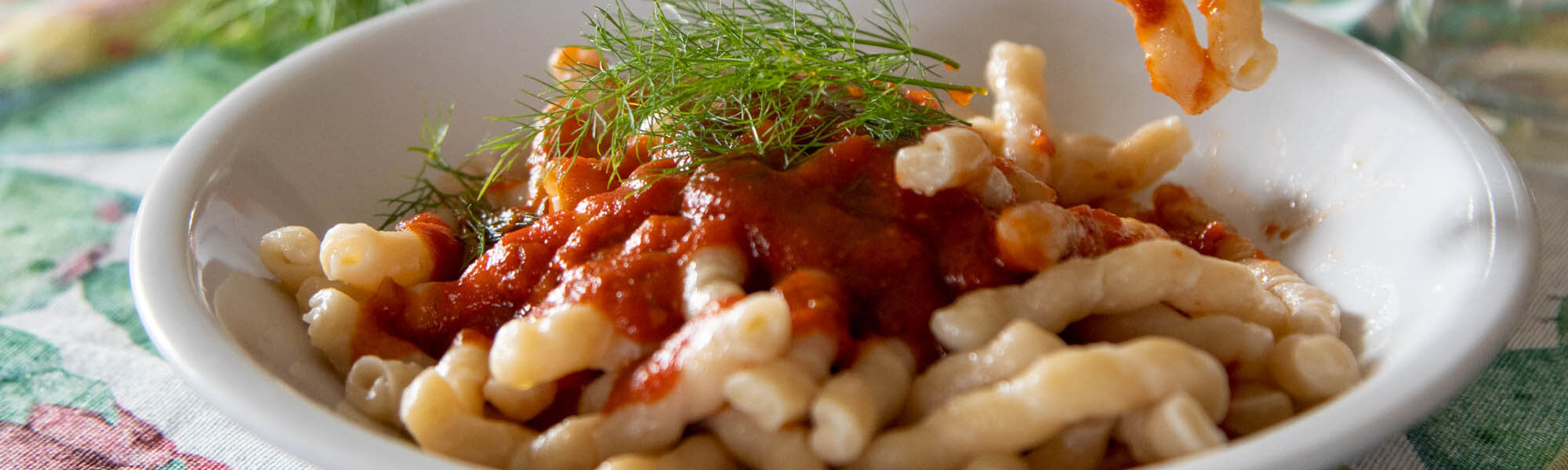
Pasta with wild fennel: Sauté garlic and chili pepper in a pan with fresh wild fennel, add fresh diced tomatoes, and season everything with grated pecorino cheese. A dish that will enhance the flavors of nature.
Wild fennel frittata: Add wild fennel leaves to beaten eggs with grated Parmesan cheese and cook in a pan. A light and fragrant frittata, perfect for a quick and tasty dinner.
Wild fennel risotto: Add chopped wild fennel to your favorite risotto during cooking. Its fresh and herbaceous flavor pairs perfectly with the creaminess of the rice.
Wild fennel green sauce: Blend fennel, parsley, capers, anchovies, garlic, extra virgin olive oil, and vinegar to obtain a strongly flavored sauce to serve with grilled meat or delicious crostini.
Join us in discovering the countless culinary possibilities offered by wild fennel and let yourself be captivated by its authentic aromas and the freshness it brings to dishes.
Cultivation of wild fennel
The cultivation of wild fennel requires some specific attention to ensure healthy and vigorous growth of the plants. Here are some important steps to consider:
Soil selection: Wild fennel prefers well-drained and sunny soils. Make sure the soil is light, fertile, and well-worked to promote root development.
Sowing: Sowing wild fennel is preferably done in spring or autumn. Dig small holes spaced apart and insert the seeds about 1 cm deep.
Irrigation: Wild fennel needs good watering, especially during warmer and drier periods. Keep the soil moist but not too wet to avoid waterlogging.
Thinning of seedlings: When wild fennel seedlings have reached a sufficient size, thin them out to ensure vital space for each plant.
Plant care: Remove weeds that could compete with wild fennel for nutrients and space. In addition, we can fertilize the soil with natural fertilizers to promote plant growth.
Harvesting: Wild fennel is ready for harvesting when the heads are well-formed but not too mature. Cut the plants at the base and hang them upside down to dry.
Cultivating wild fennel can be a rewarding experience, allowing us to enjoy this aromatic delicacy directly from our garden.
Storage and preservation of wild fennel
To preserve wild fennel and prolong its freshness and flavor, we can adopt several methods.
Storing fennel in the refrigerator: we can wrap it in a damp cloth and keep it in the least cold part of the refrigerator to maintain its crispness for a few days.
Freezing fennel: we can wash and cut wild fennel, then freeze it in airtight bags or containers to preserve it longer.
Drying fennel: by hanging the sprigs in a cool and airy place, we can dry wild fennel to preserve it for several months and use it in winter preparations.
Preserving fennel in brine: we can preserve wild fennel shoots by immersing them in a saline solution to prolong their shelf life and flavor.
In this way, we can long enjoy the beneficial properties and unique aroma of wild fennel, enriching our dishes with this precious ally for our health.
Curiosities and traditions related to wild fennel
Wild fennel has been used in cooking for centuries due to its aromatic and flavorful properties.
In the past, it was also used for its alleged healing and digestive properties.
In popular tradition, wild fennel was considered a symbol of good omen and was included in various rituals and ceremonies.
Numerous legends and popular beliefs are linked to this plant, which is often associated with protective and magical virtues.
The cultivation and harvesting of wild fennel have been passed down from generation to generation, respecting ancient traditions related to its collection and preservation.
In some regions of Italy, such as Sicily, Puglia, and Sardinia, wild fennel is an integral part of local cuisine and is used in many traditional recipes.
During local festivals and sagras, it is common to find dishes based on wild fennel, a symbol of culinary identity and tradition.
Today, thanks to its popularity and versatility in cooking, wild fennel is appreciated not only in traditional production areas but also worldwide for its unique aroma and its many virtues.
Possible contraindications and precautions in the use of wild fennel
Wild fennel is generally considered safe when consumed in normal dietary amounts. However, there are some precautions to keep in mind:
Allergies: People with known allergies to pyrethrum or other plants in the Asteraceae family, such as dandelion or chamomile, may be more prone to developing an allergic reaction to wild fennel.
Drug interactions: Since wild fennel can affect the central nervous system, it might interact with medications that have the same effects. It is always advisable to consult a doctor before using it, especially if you are taking medications that affect the nervous system.
Pregnancy and breastfeeding: Pregnant or breastfeeding women should avoid consuming high doses of wild fennel as it might have hormonal effects. It is always best to consult a doctor before using it during these life stages.
Side effects: In some cases, wild fennel intake might cause side effects such as allergic reactions, skin irritation, or gastrointestinal disorders. If such symptoms occur, it is advisable to stop consumption and consult a doctor.
Always remember to follow recommended dosages and pay attention to any adverse reactions. If in doubt or concerned, do not hesitate to ask your doctor or a healthcare professional for advice.
Wild fennel in cultural context
Wild fennel, also known as mountain fennel, has deep roots in the Italian cultural context.
In many regions, it is used in cooking to enrich traditional dishes, imparting a fresh and characteristic aroma.
Its presence in recipes passes down ancient culinary traditions, whose unique flavor is celebrated throughout the country.
Not only a popular ingredient in the kitchen, wild fennel also holds symbolic meaning in various local festivals and traditions, often linked to the celebration of nature and abundance.
Wild fennel also plays an important role in traditional medicine. Its digestive and anti-inflammatory properties are often exploited for bodily well-being.
It is also commonly found in art and literature, where it is described for its beauty and enveloping fragrance.
This wild herb thus represents a combination of tradition, culture, and biodiversity, which continues to be appreciated and valued.
Final considerations on wild fennel
Wild fennel is an extraordinary plant that offers a wide range of health benefits and culinary possibilities. Throughout this article, we have examined in detail the multiple virtues of this aromatic herb that grows spontaneously in various regions.
Wild fennel expresses its best when paired with a quality extra virgin olive oil: discover how to choose the right one in our complete guide to olive oil.
We have discovered that wild fennel is rich in antioxidants, vitamins, and essential minerals for our well-being.
We have explored the digestive and carminative properties of this plant, which can help alleviate digestive problems and abdominal bloating.
We have also highlighted its expectorant and anti-inflammatory characteristics, which make it valuable for combating flu-like and respiratory symptoms.
We cannot forget its use in cooking, where its unique aroma enriches a wide range of dishes, from first courses to side dishes.
Finally, we have emphasized the ease with which wild fennel can be harvested and used fresh or dried in various preparations.
Ultimately, wild fennel confirms itself as a true natural treasure that deserves to be appreciated and integrated into our diet and daily routine. Its multiple virtues and unique taste make it an excellent choice for both health and palate. Exploring the potential of this plant can bring tangible benefits, enriching our culinary experience and overall well-being.

Cantabrian anchovies and Sicilian fennel
For our Segreti di Sicilia anchovy sauce with fennel we choose Mediterranean anchovies, a typical blue fish widely used in traditional Sicilian recipes. Anchovies are rich in Omega3 (up to 11 grams per 100 of product). These fats play a very important role against the accumulation of cholesterol in the blood and therefore in the prevention of arterial hypertension and cardiovascular diseases. Wild fennel, an aromatic herb that grows spontaneously in many areas of Sicily, in addition to being very fragrant, has precious carminative (i.e., absorbs and eliminates gas from the intestine), antioxidant and anti-inflammatory properties.