





How olive oil can help reduce cholesterol
Introduction to Olive Oil
Olive oil is a fundamental food in the Mediterranean diet and offers numerous health benefits. Rich in monounsaturated fats, such as oleic acid, olive oil is known to reduce bad cholesterol (LDL) in the blood, thereby improving cardiovascular health. It also contains antioxidants that help fight inflammation and protect cells from free radical damage.
- Heart benefits: Olive oil can help reduce the risk of heart disease and stroke, thanks to its healthy fats that improve blood cholesterol levels.
- Anti-inflammatory properties: The antioxidants in olive oil help reduce inflammation in the body, which is often associated with chronic diseases like atherosclerosis.
When choosing olive oil, it is advisable to opt for extra virgin, as it is less refined and therefore retains a greater number of beneficial nutrients. It is important to remember that olive oil, although healthy, is still high in calories, so it should be consumed in moderation as part of a balanced diet.
Furthermore, olive oil is a versatile choice in the kitchen: it can be used to dress salads, marinate meat, cook vegetables, or even replace butter in many recipes. Regularly incorporating olive oil into your diet can bring numerous health benefits, helping to keep cholesterol levels low and promoting overall well-being.
Olive Oil Composition and Cholesterol
Olive oil is primarily composed of monounsaturated fats, such as oleic acid, which are known for their beneficial effects on cardiovascular health.
For a complete overview of the chemical composition of extra virgin olive oil—fatty acids, polyphenols, vitamin E—read our article on what olive oil contains.
-
Oleic acid: This monounsaturated fatty acid is the main component of olive oil and has been shown to effectively reduce bad LDL cholesterol in the blood.
-
Antioxidants: Olive oil also contains antioxidants such as vitamin E and polyphenols, which help fight inflammation and protect cells from damage caused by free radicals.
-
Low levels of saturated fats: Unlike other vegetable oils, olive oil has low levels of saturated fats, which can increase bad cholesterol levels in the blood.
-
HDL cholesterol: Olive oil has been shown to increase good HDL cholesterol levels, which plays a protective role against heart disease.
The beneficial properties of olive oil are mainly due to its unique composition of healthy fats and antioxidants. By incorporating olive oil into our diet, we can help reduce bad cholesterol in the blood and improve heart health.
The Role of Olive Oil in Cholesterol Regulation
Olive oil is a food rich in monounsaturated fats, which plays a fundamental role in regulating cholesterol levels in our body. Thanks to the presence of beneficial fatty acids like oleic acid, olive oil helps reduce bad LDL cholesterol and increase good HDL cholesterol, thereby contributing to maintaining balanced blood cholesterol levels.
-
Reduction of LDL cholesterol: Olive oil contains antioxidants and phenolic compounds that help reduce the accumulation of bad cholesterol in the arteries, preventing the formation of plaques that can impede blood flow.
-
Increase in HDL cholesterol: The monounsaturated fatty acids present in olive oil promote an increase in good cholesterol, which plays an important protective role against cardiovascular diseases.
-
Anti-inflammatory effect: Olive oil also contains anti-inflammatory compounds that help reduce systemic inflammation, promoting heart and artery health.
-
Promotion of heart health: Regular consumption of olive oil as part of a balanced diet can help reduce the risk of cardiovascular diseases, protecting the health of the heart and arteries.
In conclusion, incorporating olive oil into our daily diet can be a valuable ally in regulating cholesterol levels and promoting cardiovascular health.
Antioxidants in Olive Oil and Health Benefits
We love olive oil not only for its delicious taste but also for its powerful antioxidants that provide numerous health benefits. Here's how the antioxidants in olive oil can help us:
The antioxidants in extra virgin olive oil—oleuropein, hydroxytyrosol, oleocanthal—are the polyphenols that make it a functional food. Learn more in our article dedicated to EVOO polyphenols.
- Polyphenols: These antioxidant compounds combat oxidative stress in our body, reducing inflammation and protecting cells from free radical damage. This helps reduce the risk of heart disease and diabetes.
- Vitamin E: Another powerful antioxidant present in olive oil is vitamin E, which plays a key role in protecting cell membranes and maintaining skin health. It also helps reduce inflammation in the body.
- Phytosterols: The phytosterols present in olive oil help reduce the absorption of bad cholesterol in the blood, helping to keep cholesterol levels low and protect heart health.
Extra virgin olive oil, with its high concentration of antioxidants, is particularly beneficial for our health. Let's make sure to include it in our daily diet to enjoy all the advantages that antioxidants can offer.
Types of Fats in Olive Oil and Their Impact on Cholesterol
In olive oil, we primarily find two types of fats: saturated and unsaturated.
-
Saturated fats: present in smaller quantities compared to saturated fats, they are primarily found in olive oil. These fats can increase LDL cholesterol, commonly known as "bad cholesterol." However, olive oil is known to contain a significant percentage of monounsaturated fats, which can have positive effects on cholesterol.
-
Unsaturated fats: olive oil is rich in monounsaturated fats, particularly oleic acid. These fats can help reduce LDL cholesterol, contributing to an improved overall lipid profile. Furthermore, olive oil also contains polyunsaturated fats, such as omega-3 and omega-6 fatty acids, which are beneficial for cardiovascular health.
The beneficial effect of olive oil on cholesterol depends on the quantity and type of fats present. Consuming olive oil as part of a balanced and healthy diet can help keep cholesterol under control, reducing the risk of cardiovascular diseases.
Scientific Studies on the Effectiveness of Olive Oil in Combating Cholesterol
We have analyzed several scientific studies to better understand how olive oil can influence cholesterol levels in our body. Here's what we found:
For a summary of the effects of extra virgin olive oil on heart health and daily well-being, read our article on all the benefits and properties of EVOO.
- A study published in the "Journal of the American Medical Association" showed that regular consumption of olive oil can help reduce bad LDL cholesterol in the blood.
- Other studies conducted at Harvard University have highlighted that a diet rich in olive oil can have positive effects on the lipid profile, increasing good HDL cholesterol levels.
- Furthermore, the presence of antioxidants in olive oil can help reduce the oxidation of LDL cholesterol, thereby lowering the risk of plaque formation in the arteries.
These scientific evidences suggest that olive oil could be an important ally in keeping cholesterol levels under control in our body.
Creative Ways to Incorporate Olive Oil into a Balanced Diet
Here are some creative ways to incorporate olive oil into your daily diet in a delicious and nutritious way:
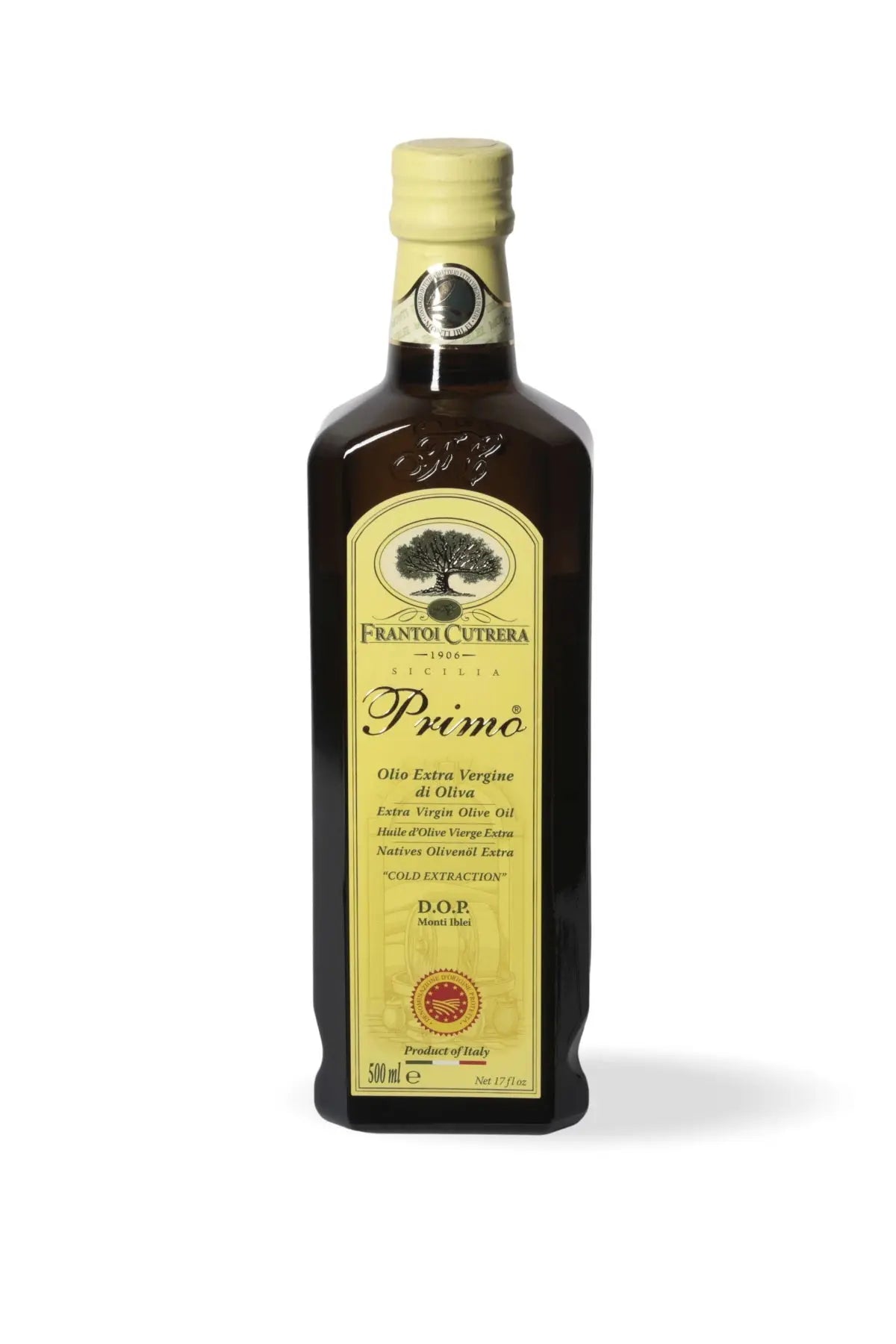
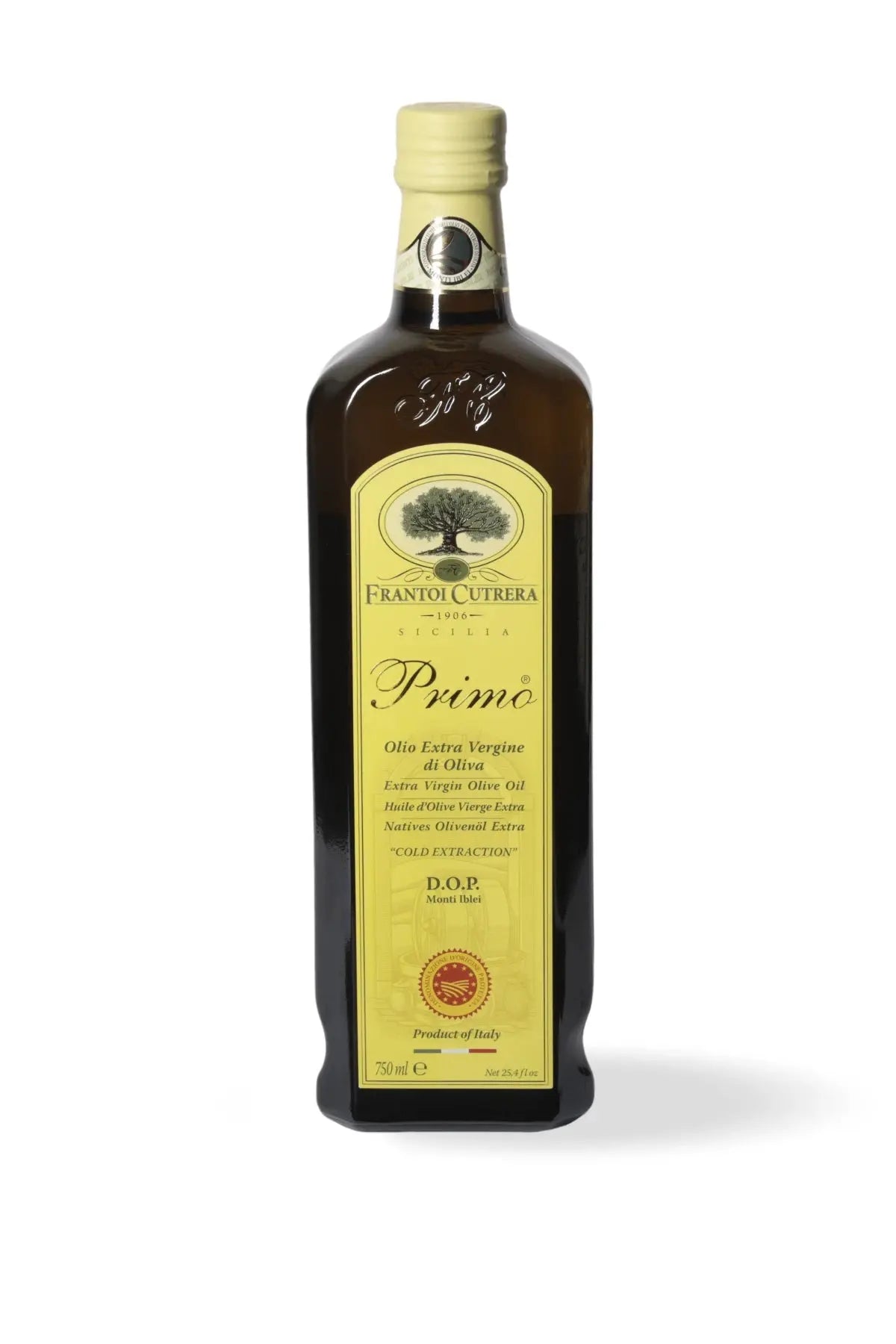
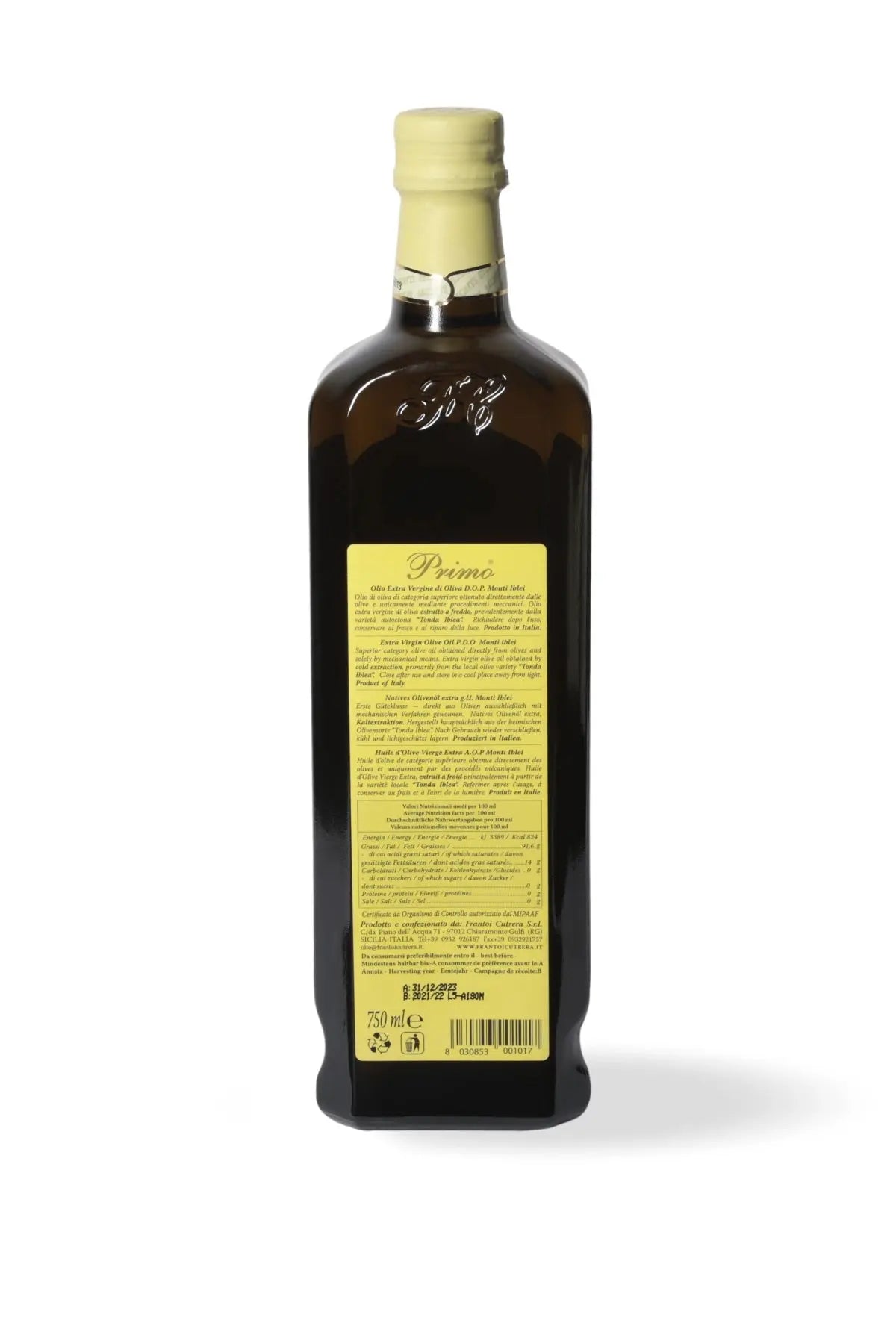
To integrate extra virgin olive oil with the highest polyphenol profile, Frantoi Cutrera's Primo DOP Monti Iblei is extracted from olives of the Hyblaean Mountains in Ragusa with early harvesting—among the richest in oleuropein in our range.
- Salad dressing: Replace dressings with a simple dressing of olive oil, lemon, garlic, and fresh herbs for a light and tasty salad.
- Addition to soups and stews: After cooking, add a drizzle of extra virgin olive oil to your soups and stews for a touch of flavor and healthy fats.
- Olive pesto: Create an alternative pesto using fresh basil, pine nuts, grated cheese, and olive oil instead of seed oil.
- Marinade for meat and fish: Mix olive oil with aromatic herbs and spices to create a tasty marinade for meat and fish.
- Roasting vegetables: Before baking vegetables, season them with a little olive oil, salt, and pepper for a flavorful and crispy side dish.
Olive oil is a healthy and delicious alternative to less healthy fats like butter or vegetable oil. Experiment with these creative ideas to integrate olive oil into your regular diet and enjoy the benefits for your cardiovascular health.
Considerations on the Quantity of Olive Oil to Consume for Desired Benefits
Consuming olive oil can bring numerous benefits to our health, particularly in reducing bad cholesterol in the blood. However, it is important to consider the quantity of olive oil we should consume to achieve the desired results. Here are some useful considerations:
-
Moderation is key: Even though olive oil is healthy, it's important to consume it in moderation. Excess calories, even from healthy fats like those in olive oil, can lead to unwanted weight gain.
-
Recommended portions: According to experts, a moderate amount of olive oil to consume daily is around two to three tablespoons. This quantity provides benefits without adding too many extra calories to the diet.
-
Choosing olive oil: To maximize health benefits, it is advisable to opt for extra virgin olive oil. This variety contains a high amount of antioxidants and healthy fatty acids that promote cardiovascular health. All Frantoi Cutrera oils are strictly extra virgin.
-
Integration into a balanced diet: To achieve maximum benefits in cholesterol control, it is essential to integrate olive oil into a balanced diet, rich in fruits, vegetables, whole grains, and lean proteins.
-
Consult a professional: Before making significant changes to your diet, it is advisable to consult a nutritionist or doctor. They can provide personalized guidance on the quantity of olive oil to consume based on individual needs.
Maintaining moderate consumption of olive oil within a balanced diet can significantly help reduce cholesterol and improve overall health.
Possible Contraindications of Excessive Olive Oil Consumption
Some potential risks from excessive olive oil consumption include:
- Weight gain: Olive oil is high in calories, and excessive consumption could lead to weight gain if the amount consumed is not controlled.
- Oxidative stress: If consumed in excess, olive oil could contribute to the accumulation of free radicals in the body, leading to oxidative stress harmful to cells.
- Digestive problems: Olive oil can have a laxative effect if consumed in large quantities, potentially causing intestinal discomfort.
- Alterations in lipid profile: Despite the benefits for cholesterol, excessive consumption of olive oil can lead to an increase in blood fat levels if not consumed in moderation.
It is therefore important to consume olive oil in moderation and incorporate it into a varied and balanced diet to avoid potential adverse effects.
Conclusions and Recommendations for Maximizing the Benefits of Olive Oil in Combating Cholesterol
Since olive oil has shown to have positive effects on cholesterol, it is important to adopt some recommendations to maximize its benefits:
To choose an extra virgin olive oil that provides all the described benefits, read our complete guide to olive oil: legal categories, label, DOP and IGP, purchasing criteria.
-
Choice of oil: Opt for high-quality extra virgin olive oil, as it contains more antioxidants and beneficial compounds for health than other varieties.
-
Daily consumption: Make sure to include a portion of olive oil in your daily meals, for example, by dressing salads or roasted vegetables.
-
Reduction of less healthy condiments: Replace butter, margarine, or other saturated fats with olive oil in your culinary preparations to reduce the intake of harmful fats.
-
Avoid overheating: Use olive oil for dressing dishes at low or medium temperatures and avoid overheating, as this could compromise its health benefits.
-
Healthy pairings: Combining olive oil with fiber-rich foods such as legumes, fruits, and vegetables can further enhance its positive effects on cholesterol.
By following these recommendations and consciously incorporating olive oil into your daily diet, you can fully benefit from its healthy properties in combating cholesterol and promoting overall well-being.
If you are looking for an extra virgin olive oil of the highest quality and 100% Italian origin, we recommend visiting our shop: you will find different types of oil that will surely suit your needs!
Frequently Asked Questions: Olive Oil and Cholesterol
Does olive oil raise cholesterol?
No. Extra virgin olive oil does not raise total cholesterol. Oleic acid (omega-9) promotes an increase in HDL ("good") cholesterol and a reduction in LDL ("bad") when it replaces saturated fats in the diet.
How many times a day can olive oil be used for cardiovascular benefits?
Studies on the Mediterranean diet indicate 3-4 tablespoons per day as the dose associated with the greatest cardiovascular benefits. A portion raw and a portion cooked is the most studied regimen in Mediterranean populations.
Is olive oil better than seed oil for cholesterol?
Yes. Extra virgin olive oil has a superior fatty acid profile (monounsaturated vs. polyunsaturated) and contains polyphenols and vitamin E which are absent in refined seed oils. For the same number of calories, EVOO provides bioactive compounds that industrial vegetable oils do not.
Does a tablespoon of olive oil on an empty stomach help with cholesterol?
Consumption on an empty stomach increases the bioavailability of polyphenols. Some observational studies associate this practice with a better lipid profile in the long term. It is not a medical therapy, but it is a habit consistent with a healthy diet.
Share