


Curiosities from the oil mill
Wine Marmalade: Discover the Refined Taste of Sicily
Index
What is Wine Jam?
Origins and Tradition of Wine Jam
How Wine Jam is Made
Wine Jam for Cheeses: A Perfect Pairing
Red Wine Grape Jam: Differences and Properties
Segreti di Sicilia Wine Jam: Why Choose It?
Conclusion
What is Wine Jam?
Wine jam is a refined preserve made from the reduction of wine with the addition of sugar and natural flavors. Unlike traditional fruit jams, this preserve encapsulates the intense aroma and flavor of wine grapes, transforming it into a unique delicacy perfect for accompanying cheeses, desserts, and gourmet dishes.
Like the production of extra virgin olive oil, the processing of artisan Sicilian jams also follows traditional methods that preserve the natural compounds of the fruit. To learn about Frantoi Cutrera's production philosophy: Sicilian jams: the authentic taste of tradition.
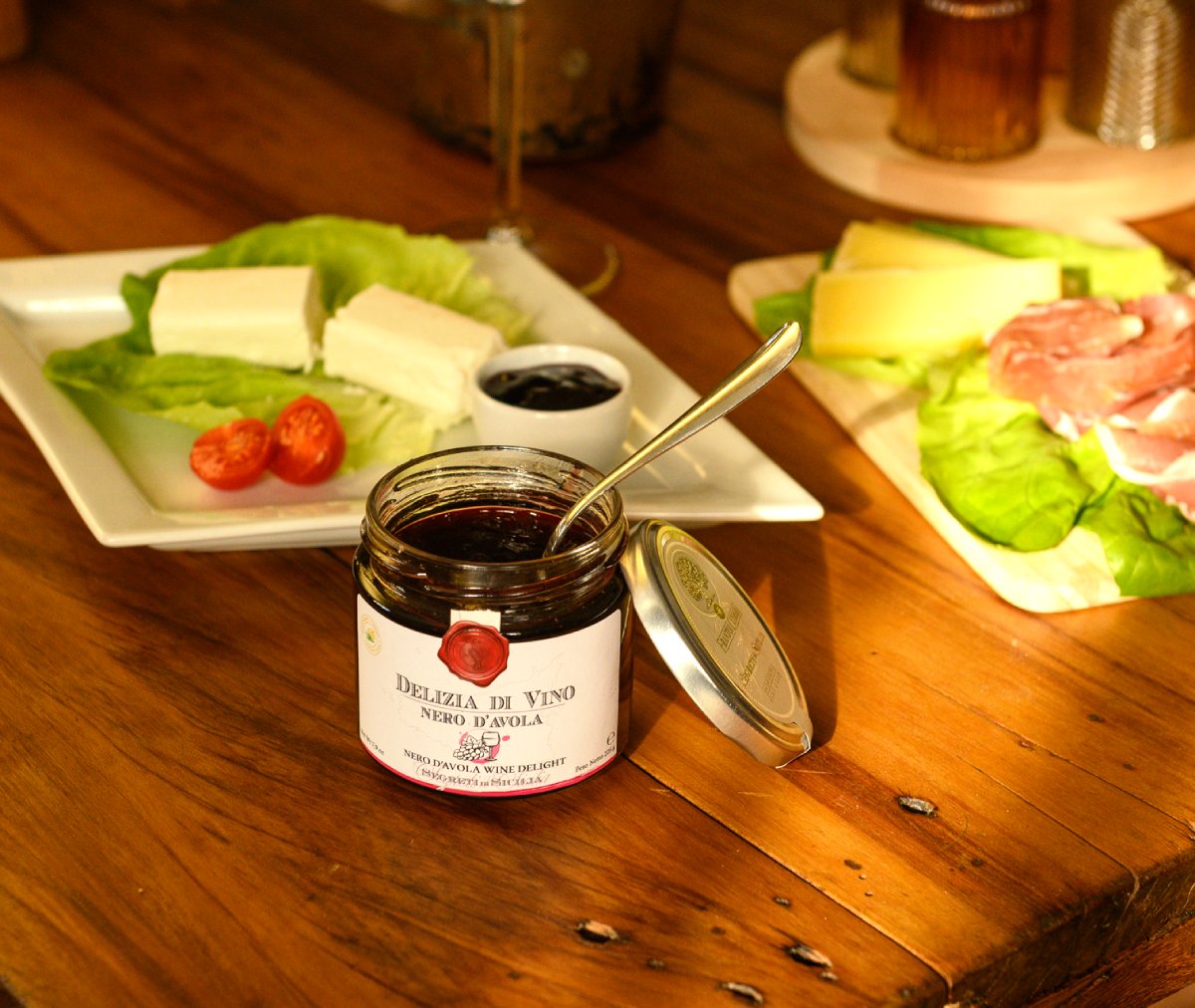
Segreti di Sicilia wine jam is produced with selected Sicilian grapes. You can find this and other artisanal products in the Marmellate Segreti di Sicilia collection.
Thanks to its versatility, wine jam is increasingly appreciated in cooking, becoming a key element for those who love to experiment with new flavors and enrich their preparations with a touch of elegance.
Origins and Tradition of Wine Jam
The first traces of a preparation similar to wine jam date back to peasant tradition, when in the Sicilian countryside, people sought ways to preserve the flavor of grapes throughout the year.
Artisans and local producers began to cook wine with sugar and spices to create a dense and fragrant reduction, which paired well with aged cheeses and homemade bread.
Today, this tradition continues thanks to excellent brands like Frantoi Cutrera, which with its Delizia di Vino Segreti di Sicilia offers an authentic and high-quality product.
How Wine Jam is Made
The preparation of wine jam follows a careful and artisanal process to preserve the authentic taste of the wine. Here are the main steps:
Wine selection – A quality wine, usually Nero d'Avola, is used for its intense aromatic structure.
Reduction – The wine is slowly boiled to concentrate the flavors.
Addition of sugar and spices – To balance sweetness and add a spicy note.
Slow cooking – The mixture is left to thicken until the perfect consistency is achieved.
Preservation – The jam is pasteurized and stored in glass jars to maintain its taste.
The result is a dense, intensely ruby-colored, and complex-flavored jam, which retains all the nuances of the wine used.
Wine Jam for Cheeses: A Perfect Pairing
One of the most beloved combinations is the pairing of wine jam and cheeses, a contrast that enhances the taste of both ingredients.
Which cheeses to pair with wine jam?
🧀 Aged cheeses – Parmigiano Reggiano, Pecorino Siciliano, Grana Padano
🧀 Blue cheeses – Gorgonzola, Roquefort, Blu di Bufala
🧀 Fresh and creamy cheeses – Ricotta, Goat cheese, Stracchino
The acidity and sweetness of the wine jam balance the savoriness of the cheeses, creating a perfect equilibrium for appetizers, gourmet cheese boards, and refined dinners.
Red Wine Grape Jam: Differences and Properties
There is often confusion between wine jam and red wine grape jam. Let's look at the main differences:
Wine Jam: Obtained by reducing the wine itself, maintaining its aroma and complexity.
Red Wine Grape Jam: Prepared with grapes used to produce wine, maintaining a greater consistency and a more fruity flavor.
Both are perfect for gourmet pairings and creative recipes, but wine jam has a more refined and liquor-like note, making it an excellent choice for accompanying savory dishes and unique desserts.
Segreti di Sicilia Wine Jam: Why Choose It?
Among the best wine jams on the market, Frantoi Cutrera's Delizia di Vino Segreti di Sicilia stands out for quality and authenticity.
Here's why it's a perfect choice:
✔️ 100% Sicilian – Produced with Nero d'Avola, one of the island's most renowned wines.✔️ Natural Ingredients – No preservatives or artificial flavors, just wine, sugar, and spices.✔️ Authentic Taste – Perfectly balanced between sweetness and aromatic intensity.✔️ Versatile in the Kitchen – Ideal with cheeses, meats, desserts, and even cocktails.
If you are looking for a refined, authentic, and passionately crafted wine jam, Frantoi Cutrera's Delizia di Vino is the best choice.
Conclusion
Wine jam is a unique product, capable of transforming a simple dish into a surprising gastronomic experience. Perfect for those who love authentic and refined flavors, this preserve is the perfect ally for gourmet pairings and creative ideas in the kitchen.
With the Delizia di Vino Segreti di Sicilia, you can bring all the taste and tradition of Sicily to your table.
Try it and let yourself be won over by a unique flavor!
Grapefruit jam: benefits and uses in the kitchen
Grapefruit Marmalade: Benefits and Culinary Uses
Here's an overview:
Introduction to grapefruit marmalade
Health benefits of grapefruit marmalade
How to make grapefruit marmalade at home
Various culinary uses of grapefruit marmalade
Grapefruit marmalade and cheese: a perfect pairing
Creative recipes with grapefruit marmalade
Grapefruit marmalade in baking
Pairings and tastings with grapefruit marmalade
Storage and shelf life of grapefruit marmalade
Curiosities and insights into grapefruit
Introduction to grapefruit marmalade
If you're looking for grapefruit marmalade, you'll surely know that it's an inimitable pleasure that brings with it a series of benefits and a world of culinary possibilities. Let's explore this precious product together and discover the characteristics that make it so unique. First of all, grapefruit marmalade is an excellent source of vitamin C, essential for supporting our immune system and promoting skin health. Thanks to its fresh acidity, this citrus fruit gives the marmalade a unique taste that lends itself to being used in various ways in the kitchen. Through our culinary adventures, let's experience together all the nuances of this delicious marmalade and learn to fully appreciate its flavor and benefits for our well-being.
Grapefruit marmalade is one of the products in the Marmellate Segreti di Sicilia range — selected by Frantoi Cutrera from the best artisanal Sicilian producers.
Like extra virgin olive oil, Sicilian citrus fruits are also rich in antioxidant compounds. To learn more about the nutritional profile of Mediterranean diet foods: polyphenols of EVO oil.
Health benefits of grapefruit marmalade
Grapefruit marmalade is not only delicious, but it also offers several health benefits. Here's why we should consider it a valuable ally in our daily diet:
Rich in vitamin C: Grapefruit is known to be a natural source of vitamin C, which plays an essential role in supporting our immune system and protecting against diseases.
Antioxidant: Thanks to the presence of flavonoids, grapefruit marmalade has antioxidant properties that help fight free radicals in our body, contributing to the prevention of diseases and cellular aging.
Low in calories: Compared to other higher-calorie marmalades, grapefruit marmalade is usually less dense in sugars and calories, making it a lighter choice for those looking for a sweet but healthy option.
Aids digestion: Grapefruit is known to aid digestion thanks to the presence of enzymes that help break down food, reducing the risk of bloating and discomfort.
Regulates cholesterol: Some studies suggest that moderate consumption of grapefruit can help reduce bad cholesterol levels in the blood, thus protecting heart health.
Incorporating grapefruit marmalade into our diet can be a tasty and healthy way to enjoy all these benefits and make our meals even more nutritious and appetizing.
How to make grapefruit marmalade at home
Today we want to reveal the delicious secret of how to make grapefruit marmalade at home, an explosion of taste and freshness to enjoy at any time of day. Follow our simple recipe and you'll see that in just a few steps you'll be able to create a marmalade that will conquer everyone's palate.
Necessary ingredients:
Fresh and juicy grapefruits
Cane sugar
Lemon juice
Method:
Peel the grapefruits and cut them into pieces, removing the seeds.
Put the grapefruit pieces in a pot with the sugar and lemon juice.
Cook over medium-low heat until the marmalade reaches the desired consistency.
Transfer the marmalade to previously sterilized jars.
Seal the jars tightly and let them cool upside down to create a vacuum seal.
Storage:
Store the marmalade in a cool, dark place to maintain its freshness.
Making grapefruit marmalade at home is a rewarding experience that will allow you to enjoy a genuine product free of preservatives. What are you waiting for? Get to work and delight yourself with the unique scent and flavor of this homemade delicacy.
Various culinary uses of grapefruit marmalade
In our experience, grapefruit marmalade proves to be a versatile ingredient in the kitchen, and we want to share some creative ways to use it:
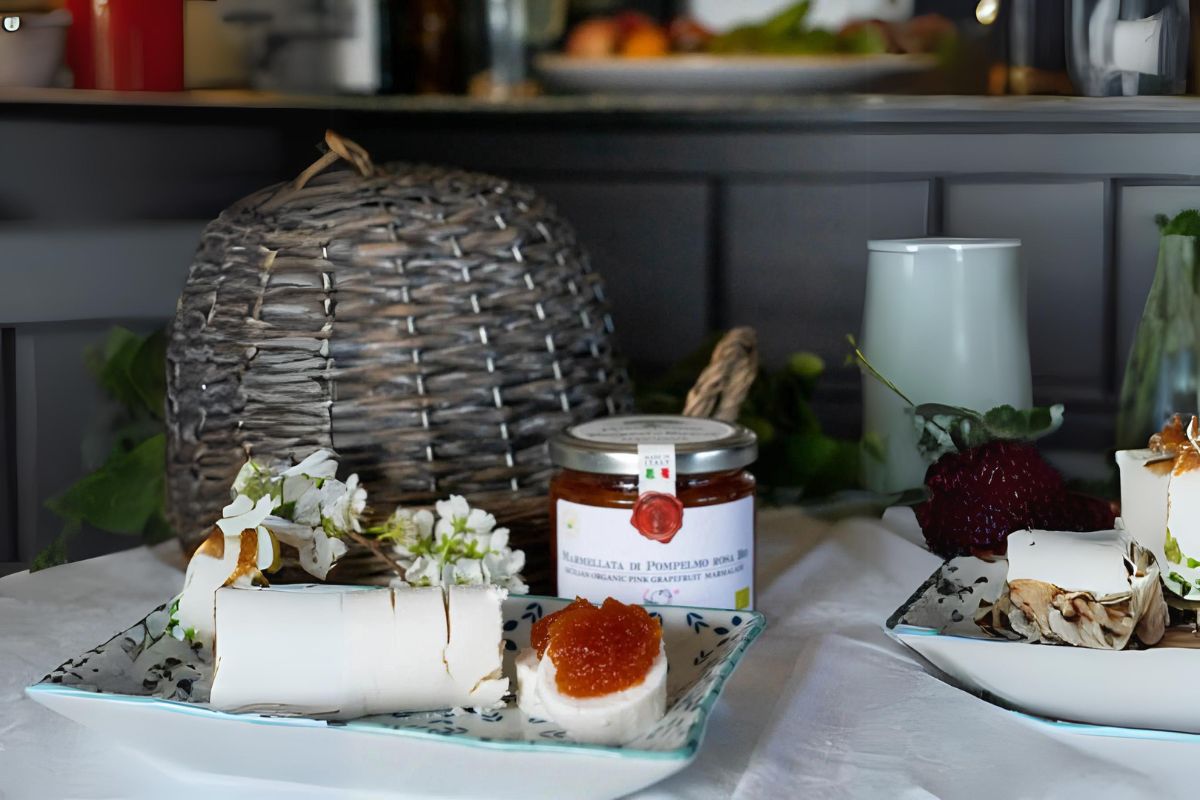
Topping for cheeses: We've found that spreading grapefruit marmalade on creamy cheeses like goat cheese adds a delightful sweet and sour note.
Marinade for meat: Mixing grapefruit marmalade with a little mustard and herbs can turn it into a succulent marinade for grilled meat or fish.
Homemade desserts: Adding a spoonful of grapefruit marmalade to the preparation of desserts like tarts, muffins, or cakes gives them a fruity and fresh flavor.
Salad dressing: Dilute grapefruit marmalade with a little vinegar and olive oil to create an unusual but tasty dressing for mixed salads.
Filling for sweets: Use grapefruit marmalade as a filling for cookies, cream puffs, or even between the layers of a layer cake for a zesty touch.
Accompaniment for yogurt: Mix grapefruit marmalade into natural yogurt for a breakfast or snack rich in flavor and vitamins.
As you can see, the possibilities are endless when it comes to making the most of grapefruit marmalade in the kitchen. Experiment and be surprised by its versatility!
Grapefruit marmalade and cheese: a perfect pairing
In cooking, the art of perfect ingredient combination can lead to the creation of extraordinary flavors. One of the pairings that has won us over is definitely that between grapefruit marmalade and cheese. The slightly bitter sweetness of grapefruit marmalade perfectly complements the creaminess and decisive flavor of cheese.
Grapefruit marmalade and fresh cheese: spread on crunchy slices of bread and accompanied by fresh cheese, it creates a contrast between the softness of the marmalade and the creamy texture of the cheese.
Grapefruit marmalade and aged cheese: the intense flavor of aged cheese harmonizes with the freshness and acidity of grapefruit marmalade, creating a unique balance of flavors.
An original and tasty idea is to prepare crostini with cheese and grapefruit marmalade for a sophisticated aperitif. Or, you can use this special pairing as a filling for delicious canapés.
Solve your doubts and be inspired by our excellent recipes to experiment with the combination of grapefruit marmalade and cheese!
Creative recipes with grapefruit marmalade
We've discovered that grapefruit marmalade can be a versatile addition to the kitchen, as well as a delicious option for breakfast. Here are some creative recipes we've tried and loved:
Toast with goat cheese and grapefruit marmalade: a surprising combination of flavors. Simply spread fresh goat cheese on toasted bread and add a generous layer of grapefruit marmalade on top.
Chicken salad with grapefruit marmalade: cook chicken and dice it, then mix it with mixed greens, walnuts, and a light dressing made with grapefruit marmalade, olive oil, and balsamic vinegar.
Cupcakes filled with grapefruit marmalade: prepare a fluffy cupcake base, and once baked and cooled, make a small indentation in the center of each. Fill the indentations with sweet and tangy grapefruit marmalade for a surprising touch.
Salmon glazed with grapefruit marmalade: a sauce made with grapefruit marmalade, Dijon mustard, and white wine vinegar will give the salmon a rich and flavorful glaze. Bake for an elegant and delicious dinner.
Experiment in the kitchen with grapefruit marmalade and prepare unique dishes that will surely surprise your palate!
Grapefruit marmalade in baking
In the kitchen, grapefruit marmalade is a real treasure. Thanks to its unique taste and versatility, it can be used in many ways in sweet preparations. Here are some ideas on how we can best use this delicious ingredient in baking:
Tarts: Grapefruit marmalade can be generously spread on a shortcrust pastry base to prepare delicious tarts with a citrusy and fresh flavor.
Cakes: Adding a layer of grapefruit marmalade between the layers of a cake, such as a lemon cake, will give the dessert an unexpected and delicious touch.
Muffins and cupcakes: Filling muffins or cupcakes with a core of grapefruit marmalade will make the treats even more succulent and surprising.
Cookies: Creating butter cookies with a grapefruit marmalade filling in the center will make them irresistible and perfect for dipping in tea or coffee.
Glazes and decorations: Mixing grapefruit marmalade with powdered sugar will create a fragrant and colorful glaze to use for covering desserts or decorations.
Grapefruit marmalade adds a fresh and sparkling note to any dessert, giving a touch of originality and flavor that will conquer anyone's palate. Experiment and let yourself be inspired by its versatility in the kitchen!
Pairings and tastings with grapefruit marmalade
We've discovered that grapefruit marmalade is incredibly versatile and can be used in many ways in the kitchen. And now, we want to share with you some pairings and tastings that will fully enhance its unique and fresh flavor. Here are some delicious ideas to try:
Cheeses: Try grapefruit marmalade with creamy cheeses like brie or goat cheese on croutons for a sophisticated appetizer.
Yogurt: Mix a spoonful of grapefruit marmalade into your favorite yogurt for a fresh and flavorful breakfast.
Cakes: Use the marmalade as a base for a tart or to fill desserts like muffins or donuts.
Meats: Drizzle grapefruit marmalade over chicken or pork during cooking for an irresistible sweet and sour note.
Cocktails: Add a spoonful of grapefruit marmalade to cocktails like Gin&Tonic or Moscow Mule for a fruity and refreshing touch.
Remember that grapefruit marmalade lends itself well to various combinations and experiments in the kitchen. Let yourself be surprised by its balanced flavors and versatility! Bon appétit!
Storage and shelf life of grapefruit marmalade
Do you know how to best store your delicious grapefruit marmalade to ensure its optimal shelf life? Here are some useful tips that will help you keep its fresh and fragrant flavor intact for a long time.
In the pantry:
Container choice: Make sure to use clean and sterilized glass jars. Seal the jars tightly to prevent air from entering, which could compromise preservation.
Cool and dark place: Store the jars in a cool, dark place, away from heat sources and direct sunlight. This will help maintain the flavors and nutrients of the marmalade.
Labeling: Don't forget to label the jars with the preparation date. This way, you'll always know how long the marmalade has been stored.
In the refrigerator:
Optimal temperature: If you prefer to store the marmalade in the refrigerator once opened, make sure the temperature is constant and not too cold. Too low a temperature could crystallize the sugar.
Shelf life: Once opened, grapefruit marmalade can be stored in the refrigerator for approximately 3-4 weeks. Make sure to check its appearance and smell before consuming it to verify that it is still fresh and edible.
By following these simple tips, you can enjoy the goodness of your homemade grapefruit marmalade for a long time. Happy preserving!
Curiosities and insights into grapefruit
During our research on the benefits and uses of grapefruit marmalade, we discovered some interesting curiosities regarding this citrus fruit.
Grapefruit is rich in vitamin C, which helps strengthen the immune system.
Pink grapefruit varieties contain lycopene, a powerful antioxidant beneficial for heart health.
Grapefruit is mostly made up of water, which makes it a low-calorie and hydrating food.
Insights into grapefruit cultivation: Grapefruit grows best in warm, sunny climates, preferably with high average temperatures. It requires well-drained soil and can be sensitive to cold and frost.
The care and attention required during grapefruit cultivation reflect its richness in nutrients and its unique flavor.
Curiosities about different types of grapefruit: There are different varieties of grapefruit, including pink grapefruit, white grapefruit, and red grapefruit. Each variety has unique characteristics of flavor, color, and texture, which influence the final result of the grapefruit marmalade.
Legends and traditions related to grapefruit: In some cultures, grapefruit is considered a symbol of prosperity and good fortune. Its regenerating and refreshing properties also make it popular in aromatherapy and wellness practices.
In this way, by exploring the curiosities and insights related to grapefruit, we can appreciate not only its unique flavor but also its many health and overall well-being benefits.
Conclusions on grapefruit marmalade
We have explored the many benefits of grapefruit marmalade, a true delight for both the palate and health. Thanks to the antioxidant and vitamin C-rich properties of this citrus fruit, grapefruit marmalade can be a valuable ally in strengthening the immune system and fighting free radicals. In the kitchen, its citrusy and slightly bitter notes pair perfectly with fresh cheeses, tarts, or even meat dishes.
Rich in anti-inflammatory and purifying substances, grapefruit marmalade can be a valid aid for digestion, keeping the body in balance. Furthermore, thanks to its versatility, it can be used in various recipes, from preparing desserts to making sauces for savory dishes.
We always remember to favor artisanal or organic marmalades, to ensure we get a genuine and superior quality product. Experiment with grapefruit marmalade in the kitchen and let yourself be captivated by its unique taste and the benefits it can bring to your general well-being.
What are you waiting for? Make space in your pantry for grapefruit marmalade and enjoy every spoonful of this citrus delicacy!

From citrus fruits to marmalade: Discover the history of orange marmalade
Orange marmalade is a culinary delight that has a long history. In this article, we will explore the origins of citrus fruits, the process of making orange marmalade, and its different variations and flavors. We'll also discuss the health benefits of orange marmalade, creative ways to use it in recipes, and popular dishes that include it. Finally, we'll talk about the perfect combinations for this jam and conclude by highlighting its enduring popularity.
The history of orange marmalade
Orange marmalade has a fascinating history that dates back many centuries. Oranges themselves have ancient origins, with the first traces of citrus fruits dating back to 2400 BC in China. It was the Chinese who first discovered citrus fruits, including oranges, and appreciated their unique flavor and versatility. Subsequently, citrus fruits were brought to Europe by Arab traders during the time of the Crusades.
Orange marmalade became popular in Europe in the 18th century, when oranges from Spain and Portugal were considered a luxury. The first written documents mentioning orange marmalade date back to 1663, when a Dutch cookbook describes the production process. Since then, orange marmalade has become a popular culinary delicacy throughout the world.
The origins of citrus fruits
Citrus fruits are a family of fruits that include oranges, lemons, limes, mandarins and grapefruits. Originally from Asia, citrus fruits were brought to Europe by the Arabs during the period of the Crusades. They are fruits rich in vitamin C, antioxidants and fibre.
Oranges, in particular, are a very versatile fruit and widely used in cuisine around the world. They are sweet, juicy and have a distinctive flavor that makes them perfect for jam making.
The process of making orange marmalade
Orange marmalade is made following a relatively simple process. The oranges are peeled and cut into thin slices, then cooked in a pot with sugar and water. During cooking, oranges release their juice and essential oils, creating an intense and aromatic flavor. The jam is then placed in jars and left to cool to solidify.
Different variations and flavors of orange marmalade
Orange marmalade offers a wide range of variations and flavors. In addition to traditional orange marmalade, there are variations with the addition of other ingredients such as ginger, cinnamon or chili pepper for a spicy touch.
Some producers also use oranges of specific varieties, such as tarocco or blood oranges, to create jams with a unique flavor. Bitter orange marmalade is another popular variant, prized for its intense, slightly acidic taste. This jam is particularly used in British cuisine, where it is often accompanied by toast and butter.
The health benefits of orange marmalade
Orange marmalade also offers several health benefits. Oranges are rich in vitamin C, which helps support the immune system and promotes healthy skin. They also contain antioxidants that fight free radicals in the body, reducing inflammation and the risk of chronic disease.
Additionally, oranges are a good source of fiber, which aids digestion and helps maintain a healthy weight. Orange marmalade, when consumed in moderation, can be a tasty addition to a balanced diet.
Creative ways to use orange marmalade in recipes
Orange marmalade isn't just delicious spread on a slice of toast. It can be used creatively in many recipes, adding a touch of sweetness and a unique citrus flavor. One of the simplest ideas is to use it as a filling for cakes and desserts. Orange marmalade can be spread between the layers of a cake or used to fill biscuits. It can also be added to creams and mousses for a touch of freshness.
Beyond desserts, orange marmalade can also be used in savory recipes. It can be used as a glaze for roast meats or as a salad dressing. It adds a fruity, slightly sweet flavor that goes well with many dishes.
Paired with orange marmalade
Orange marmalade pairs well with many other ingredients, creating delicious flavor combinations. It can be spread on creamy cheeses such as brie or camembert, creating a contrast between the sweetness of the jam and the creaminess of the cheese.
It can also be paired with fresh fruit, such as strawberries or bananas, in a fruit salad. This combination of sweet and tangy flavors is perfect for a breakfast or light dessert.
The enduring popularity of orange marmalade
Orange marmalade is a culinary delicacy with a rich history and delicious flavor. Its ancient origins, simple manufacturing process, and numerous variations and flavors available have contributed to its enduring popularity. In addition to being tasty, orange marmalade also offers health benefits thanks to the properties of citrus fruits. Experimenting with creative ways to use it in recipes and discovering interesting flavor combinations is part of the fun of this culinary delight. You can find orange marmalade in the classic version or Tarocco Oranges in the Frantoi Cutrera shop.