






Curiosities from the oil mill

Olive Oil for Hair: uses and benefits
Olive Oil for Your Hair: Does It Work?
Olive oil is a natural and versatile ally for hair care, rich in nutrients that can bring significant benefits to your hair. In this article, we will explore five simple yet effective ways to use olive oil to improve the health and appearance of your hair.
Here are some of the key benefits that olive oil can offer to hair:
Hydration: Olive oil helps to hydrate dry and damaged hair, reducing dryness and fragility.
Nourishment: The nutrients present in olive oil can nourish the scalp and the hair itself, helping to make them healthier and stronger.
Repair: Thanks to its regenerating properties, olive oil can help repair hair damaged by external agents such as heat and chemicals.
Stay with us to discover how to fully leverage the benefits of olive oil to achieve radiant and healthy hair.
Benefits of Olive Oil for Hair Health
We all desire healthy and shiny hair, and olive oil can be a valuable ally in this journey. Here are some of the benefits that this natural oil can offer to the health of our hair:
The benefits of extra virgin olive oil for hair largely derive from its antioxidant polyphenols — the same compounds that make it valuable in the Mediterranean diet.
Deep Hydration: Olive oil is rich in antioxidants and fatty acids that help deeply moisturize dry and damaged hair.
Dandruff Reduction: The anti-inflammatory properties of olive oil can help reduce dandruff and maintain a healthy scalp.
Protection from Heat Damage: Before using styling tools such as hair dryers or flat irons, applying a little olive oil to your hair can protect it from heat damage.
Promoting Hair Growth: Massaging olive oil into the scalp can promote blood circulation and stimulate hair growth.
Softness and Shine: Olive oil can give hair a softer and shinier appearance, making it easier to comb and manage.
By harnessing the benefits of olive oil for our hair, we can improve its health naturally and effectively.
How to Apply Olive Oil Correctly to Hair
Here's how we can correctly apply olive oil to hair to get the maximum benefits:
If you have particularly dry or frizzy hair, also read our guide on packs and remedies with olive oil for dry and frizzy hair: you'll find detailed mask recipes and tips for every hair type.
Warm the oil: Before applying olive oil, warm a small amount in the microwave or a double boiler. It shouldn't be too hot, just lukewarm.
Massage the scalp: With your fingers, gently massage olive oil into the scalp to promote blood circulation and stimulate hair growth.
Distribute along the lengths: After treating the scalp, distribute the olive oil along the lengths of the hair, making sure to cover every strand well.
Leave on: Wrap your hair in a shower cap or a warm towel and leave the oil on for at least 30 minutes, or even overnight for a more intense treatment.
Thorough washing: After the resting time, wash your hair with a mild shampoo to completely remove the oil. You may need to shampoo twice to clean everything.
Now we are ready to correctly apply olive oil to our hair and enjoy the nourishing and moisturizing benefits that this treatment can offer.
DIY Recipes for Olive Oil Treatments
Moisturizing mask: We can mix olive oil with a little honey and apply it to damp hair for 30-45 minutes. This treatment helps to hydrate dry and damaged hair.
Scalp massage: A scalp massage with olive oil can improve blood circulation and promote hair growth. Simply massage the oil gently into the scalp for a few minutes before shampooing.
Pre-wash pack: Before washing hair, we can apply olive oil to the lengths and leave it on for at least 20 minutes. This will help to nourish and repair damaged hair.
Anti-dandruff treatment: Mixing olive oil with lemon juice and applying it to the scalp can help combat dandruff naturally. Leave on for 20-30 minutes before shampooing.
Serum for ends: To nourish and repair dry hair ends, we can apply a few drops of olive oil to the ends after styling. This will help keep the ends healthy and prevent split ends.
With these simple DIY recipes, we can make the most of olive oil's properties to improve the health and appearance of our hair.
DIY Hair Masks with Olive Oil
To enrich our beauty routine, we can prepare DIY hair masks using olive oil as the main ingredient. Here are some ways to use olive oil to revitalize our hair:
Nourishing Mask: Mix olive oil with a little honey and apply it to damp hair for about 30 minutes before rinsing. This nourishing treatment will make hair softer and shinier.
Regenerating Mask: Combine olive oil with coconut oil and gently massage the mixture onto the scalp. Leave it on for at least an hour before washing off. This mask helps regenerate damaged hair.
Anti-Dandruff Mask: Mix olive oil with lemon juice and apply it to the scalp, leaving it on for about 20 minutes before rinsing. This natural treatment helps combat dandruff.
Moisturizing Mask: For dry and dehydrated hair, we can mix olive oil with mashed avocado and a little honey. Apply to the lengths for about 20-30 minutes before washing off for deep hydration.
Strengthening Mask: Combine olive oil with an egg and apply the mixture to wet hair. Leave it on for about 30 minutes before rinsing. This treatment helps make hair stronger and more resistant.
By experimenting with these DIY masks, we can discover the benefits that olive oil can bring to our hair in a natural and healthy way.
Olive Oil as a Pre-Shampoo Treatment
We love using olive oil as a pre-shampoo treatment for our hair. Here's how we can do it best:
Warm the olive oil: Before applying it, gently warm the olive oil to make it more fluid and easier to apply to the hair.
Massage the scalp: Apply olive oil to the roots of the hair and gently massage the scalp to promote blood circulation and ensure better absorption of the product.
Distribute along the lengths: After treating the scalp, distribute the olive oil along the lengths of the hair to the ends to deeply hydrate and nourish them.
Leave it on: Wrap your hair in a shower cap or a warm towel and leave the olive oil on for at least 30 minutes, so it can effectively penetrate the hair structure.
Shampoo wash: After the waiting time, proceed with normal washing using a gentle shampoo to remove excess oil and admire your revitalized and nourished hair.
Using olive oil as a pre-shampoo treatment can be a regenerating pampering for our hair, giving it shine, softness, and vitality.
Interesting Facts About Olive Oil and Hair
Using olive oil in hair treatments is an ancient practice that offers numerous benefits. Here are some interesting facts about olive oil and hair that you might not know:
Rich in antioxidants: Olive oil is rich in antioxidants that help protect hair from damage caused by free radicals, keeping it healthy and strong.
Deep hydration: Thanks to its rich and nourishing consistency, olive oil deeply penetrates the hair, moisturizing and repairing it from within.
Natural shine: Applying olive oil to hair gives it a natural shine and makes it softer to the touch, without the heavy effect of some commercial products.
Frizz reduction: Olive oil can help tame frizzy and dehydrated hair, making it more manageable and easier to comb.
Growth stimulant: Massaging olive oil into the scalp can promote hair growth by stimulating hair follicles and improving blood circulation.
Exploring the various properties and benefits of olive oil for hair can lead to healthier and shinier hair.
How to Choose the Right Olive Oil for Your Hair
When choosing olive oil for your hair, it is important to consider certain characteristics to ensure you get the maximum benefits. Here are some tips on how to select the right olive oil for your hair:
For hair treatments, it is essential to use an unrefined extra virgin olive oil, rich in polyphenols and vitamin E. Primo BIO by Frantoi Cutrera is cold-pressed from organic Sicilian olives: ideal both for cooking and as a cosmetic treatment. For an even more intense polyphenol profile, the monovarietal Nocellara Salvatore Cutrera is among the richest in oleuropein in our range.
Choosing the purity grade: Opt for extra virgin olive oil, as it is the purest type and contains no harmful additives.
Prefer organic olive oil: Organic olive oil is produced without the use of pesticides or harmful chemicals, so it might be a better choice for hair.
Checking the origin: Check the label to find out the origin of the olive oil. Oil from local cultivation could be fresh and high quality.
Look for cold-pressed olive oil: This extraction method preserves all the beneficial properties of olive oil.
Check the expiration date: Make sure the oil is fresh and not expired to guarantee its effectiveness on your hair.
Remember, choosing the right olive oil is crucial to ensuring you get the best results for your hair care. If you want a recommendation, our choice is Primo BIO Frantoi Cutrera.
Extra Tips for Optimal Results with Olive Oil
Here are some additional tips to maximize the benefits of olive oil in hair treatments:
Lightly warm the oil: Before applying olive oil to your hair, it is useful to warm it slightly to promote better absorption by the hair and scalp.
Gently massage the scalp: During the application of olive oil, take time to gently massage the scalp to stimulate blood circulation and promote better hydration.
Wrap your hair with a shower cap or a warm towel: After applying olive oil, wrap your hair with a shower cap or a warm towel to create a sauna effect that will help the oil penetrate deep into the hair.
Leave the oil on for at least 30 minutes: For optimal results, leave the olive oil on your hair for at least 30 minutes, so that it can deeply hydrate and repair damaged hair.
Rinse thoroughly with lukewarm water: Make sure to rinse your hair thoroughly with lukewarm water after the olive oil treatment, to remove any residue and leave your hair clean and shiny.
With these extra tips, you can make the most of olive oil's properties and give your hair new life, making it soft, shiny, and nourished.
Conclusions and Precautions to Keep in Mind
After exploring the various ways olive oil can revitalize your hair, it's important to remember some conclusions and precautions to keep in mind for the best possible results.
If extra virgin olive oil works well on hair, it works just as well on facial skin. Read our dedicated article: olive oil on skin and face: benefits, how to use it, and for which skin type.
If you want to learn more about how to choose and recognize quality extra virgin olive oil — essential for both cooking and cosmetic treatments — read our complete guide to olive oil.
Buy high-quality olive oil: Make sure to use high-quality extra virgin olive oil to maximize the benefits for your hair.
Always perform a sensitivity test: Before using any olive oil treatment, it is advisable to do a sensitivity test to avoid allergic reactions or skin irritations.
Choose the method suitable for your needs: Everyone has different needs, so experiment with different methods and find out which works best for you and your hair.
Apply in moderation: Although olive oil is beneficial for hair, excessive use could make it too heavy. Apply in moderation to avoid the opposite effect.
Wash hair thoroughly: After using olive oil, make sure to wash your hair thoroughly to remove any residue and prevent your hair from appearing greasy.
Consult a professional: If you have scalp problems or damaged hair, it is always advisable to consult a professional for personalized treatment.
Remember that consistency is key when it comes to natural hair treatments. With regular and conscious use of olive oil, your hair could soon shine with health and vitality.

What does olive oil contain? Composition and benefits
Olive oil, especially Extra Virgin Olive Oil (EVOO), is much more than just a condiment. It's a cornerstone of the Mediterranean Diet and a true "functional food," capable of positively influencing our health. But what exactly does olive oil contain to earn this reputation?
Behind its color and flavor lies a complex chemical composition that is the true source of its renowned benefits. In this article, we will analyze in detail what olive oil contains, why it's so good for you, and how to choose the best one for your table.
Origin and production: Olive oil comes from the extraction of juice from olives, the fruit of the olive tree. Its production mainly takes place in Mediterranean countries, where favorable climate and traditional techniques help preserve its properties.
Varieties of olive oil: There are several varieties of olive oil, each with unique characteristics in terms of taste and nutritional profile. From the delicate extra virgin variety to the versatile virgin variety, we can choose the one best suited to our culinary preferences. If you want to learn more about the various technical distinctions of olive oil, we invite you to read our article on the subject.
Health benefits: Olive oil is rich in heart-healthy monounsaturated fats and antioxidants like vitamin E, which help counteract the damaging action of free radicals. Regular consumption of olive oil is associated with a reduced risk of heart and inflammatory diseases.
Use in cooking: Thanks to its delicate flavor and various fruity intensities, olive oil is a versatile ingredient that lends itself to multiple culinary preparations. From salads to fish to baking dishes, we can leverage its gustatory and healthy properties.
The Chemical Composition of Olive Oil: What's Really Inside?
When we analyze olive oil, its composition is divided into two main parts: a very large fraction that defines its "fat" nature and a very small fraction that contains its health secrets.
The Saponifiable Fraction (98-99%): Fatty Acids
This is the main part of the oil, almost entirely composed of triglycerides (fats). However, not all fats are created equal. Olive oil is famous for its lipid profile:
Oleic Acid (55-83%): It is the undisputed king. This is a monounsaturated fat (Omega-9) known for its ability to help maintain normal cholesterol levels in the blood, favoring HDL ("good") over LDL ("bad").
Polyunsaturated Fatty Acids (e.g., Linoleic Acid - 3.5-21%): Present in smaller quantities, these are essential fats that the body cannot produce on its own.
Saturated Fatty Acids (e.g., Palmitic Acid - 7.5-20%): Present in a much smaller percentage compared to unsaturated fats.
The Unsaponifiable Fraction (1-2%): The "Super-Components"
This 1-2% is what transforms a fat into a "superfood." It is in this small fraction that we find the bioactive compounds responsible for the oil's most potent benefits. The main ones are:
To delve deeper into the role of antioxidants and their impact on health, read our article dedicated to the polyphenols in EVOO.
Polyphenols: These are the most important. They act as powerful antioxidants and anti-inflammatories. Two names to remember are Oleuropein (responsible for the bitter taste) and Oleocanthal (which causes the typical "peppery" sensation in the throat, with an anti-inflammatory action similar to ibuprofen). In particular, our specialty Mille is one of the oils with the highest concentration of polyphenols on the market.
Tocopherols (Vitamin E): Another powerful antioxidant that protects cells from oxidative stress and helps the oil last longer.
Sterols (e.g., Beta-sitosterol): Compounds that help reduce cholesterol absorption in the intestine.
Squalene: A compound that participates in the synthesis of good cholesterol and contributes to skin health.
The Nutritional Benefits of Olive Oil
Thanks to this unique composition, EVOO does not just season food, but actively contributes to our health.
Cardiovascular Protection: The combined action of oleic acid (which balances cholesterol) and polyphenols (which protect the integrity of blood vessels) is a panacea for the heart.
Anti-inflammatory Power: Oleocanthal, as seen, acts as a natural anti-inflammatory, helping to reduce chronic low-grade inflammatory states, which are at the root of many modern diseases.
Combatting Cellular Aging: Polyphenols and Vitamin E fight free radicals, the main culprits of oxidative stress and the aging of our cells.
Brain Support: Some studies suggest that the antioxidant compounds in EVOO may help protect brain health and preserve cognitive function.
Gut Health: It seems to promote the balance of the intestinal microbiota, nourishing "good" bacteria.
The Health Advantages of Consuming Olive Oil
Consuming olive oil brings numerous health benefits. Here are some of the advantages gained by including this precious food in your diet:
For a thorough discussion of the effects on heart and cholesterol, read our article on all the benefits of EVOO.
Rich in healthy fats: Olive oil is an important source of monounsaturated fats, such as oleic acid, which are beneficial for heart health. These healthy fats can help reduce the risk of cardiovascular diseases.
Antioxidants: Olive oil contains powerful antioxidants, such as vitamin E and polyphenols, which help fight oxidative stress and inflammation in the body. These compounds help protect cells from damage and support the immune system.
Beneficial for brain health: The antioxidants present in olive oil can have positive effects on the brain, helping to protect against neuronal degeneration and improve cognitive functions.
Anti-inflammatory effects: Extra virgin olive oil is known for its anti-inflammatory effects, which can help reduce the risk of chronic diseases related to inflammation, such as heart disease and diabetes. Source: PubMed (NIH - National Institutes of Health)
Promotes skin health: Thanks to its antioxidant and anti-inflammatory properties, olive oil can help maintain healthy and radiant skin, protecting it from damage caused by free radicals.
Regulates blood sugar levels: As also indicated by the Fondazione Veronesi article: "Extra Virgin Olive Oil, Elixir of long life," it is also a boon for our blood vessels. Olive oil can help improve insulin sensitivity and regulate blood sugar levels, offering benefits for those with diabetes or wanting to prevent this condition.
Including olive oil in our daily diet can, therefore, bring numerous benefits to our health, both physically and mentally.
Olive oil as part of a balanced diet
We maintain that olive oil is an essential component of a balanced diet. Here's why:
Healthy fatty acids: Olive oil is rich in monounsaturated fats, which are beneficial for our heart health. These fats can help lower bad cholesterol in the blood.
Antioxidants: Olive oil contains important antioxidants that help fight oxidative stress in our body and protect our cells from damage.
Vitamins: It is a source of fat-soluble vitamins like vitamin E, which play a fundamental role in maintaining our health.
Anti-inflammatory properties: Olive oil is known for its anti-inflammatory properties that can help reduce inflammation in our body.
Benefits for brain health: Some research suggests that olive oil can have positive effects on the brain and long-term memory.
Alternative Uses of Olive Oil
We can not only enjoy the benefits of olive oil through food, but we can also leverage its properties in multiple ways. Here are some alternative uses we can undertake:
Skin hydration: Mixing olive oil with sugar or salt will create an effective natural scrub to exfoliate and moisturize the skin.
Makeup remover: Olive oil can be an effective natural makeup remover, gentle on the skin and able to remove stubborn makeup.
Hair conditioner: Applying olive oil to hair, letting it sit for a while, and then rinsing, will make hair soft, shiny, and moisturized.
Natural lubricant: When household lubricant is missing, we can use olive oil on hinges, pivots, or small tools to make them glide better.
Plant protection: Adding a few drops of olive oil to plant water helps protect them from pests and insects.
Nail care: Regularly massaging cuticles with olive oil will keep them hydrated and healthy.
Remove gum or adhesive residue: Olive oil can help remove chewing gum residue from children's hair or stubborn adhesives from smooth surfaces.
Utilizing olive oil in these alternative ways not only allows us to benefit from its beneficial properties in different contexts but also offers us natural and sustainable solutions for many daily needs.
Virgin olive oil vs. extra virgin olive oil: what's the difference?
We often hear about virgin and extra virgin olive oil, but what's the difference between the two? Here's what you need to know:
For a comprehensive overview of all legal categories, how to read labels, and choose consciously, read our complete guide to olive oil.
Production process: Virgin olive oil is obtained through mechanical processes, without the use of chemical solvents. Extra virgin olive oil, on the other hand, is produced from high-quality olives without sensory defects, making it of superior quality.
Acidity: Virgin olive oil has a maximum acidity of 2%, while extra virgin olive oil has a maximum acidity of 0.8%. This indicates greater freshness and purity in extra virgin olive oil.
Taste and aroma: Extra virgin olive oil has a richer and more intense taste than virgin. Its aroma is fruitier and offers greater sensory complexity.
Uses in cooking: Both oils can be used in cooking, but extra virgin olive oil is often preferred for raw dressings, such as in salads or finished dishes, while virgin olive oil can also be used for cooking at higher temperatures.
In summary, the main difference between virgin and extra virgin olive oil lies in the quality of the olives used and the production process, which gives extra virgin olive oil a more intense taste and aroma.
Tips for Purchasing and Storing Olive Oil
Here are some useful tips to ensure optimal purchase and storage of olive oil:
Choose high-quality extra virgin olive oil: Opt for extra virgin olive oil from local production or regions renowned for the quality of their olives. Check that it is DOP (Protected Designation of Origin) or IGP (Protected Geographical Indication) certified to guarantee its authenticity. If you are looking for top-quality DOP or IGP oils, you can find them in our shop.
Prefer dark glass bottles: Olive oil is sensitive to light and oxidation. Choose dark glass bottles to protect it from direct light and store it in a cool, dark place. Alternatively, tins can also be a simple and ecological option.
Check the expiration date and origin: Make sure to check the expiration date on the label and prefer recently bottled oils. Knowing the origin of the oil will allow you to assess its quality.
Store correctly: Once opened, store olive oil in a cool, dark place, preferably in a cabinet at a constant temperature. Avoid exposing it to heat sources and intense light to preserve its properties.
Use glass or stainless steel containers: If you transfer the oil to another container, opt for dark glass or stainless steel containers, which do not react with the oil and maintain its freshness.
Avoid air exposure: Always seal the bottle tightly after use to prevent air from compromising the oil's quality.
By following these tips, you can fully enjoy the benefits and flavor of olive oil for a very long period.
Healthy Recipes with Olive Oil
We love using olive oil in many of our recipes to add flavor and health benefits. Here are some ideas to integrate this precious oil into daily cooking:
Quinoa Salad: Prepare a delicious quinoa salad with fresh vegetables and dress it with a light vinaigrette made with extra virgin olive oil.
Garlic Bruschetta: Toast slices of whole wheat bread and rub with fresh garlic. Add a drizzle of olive oil, diced cherry tomatoes, and a sprinkle of fresh basil.
Pesto Pasta: Prepare a fresh pesto with basil, garlic, pine nuts, and olive oil. Toss cooked al dente pasta with this delicious pesto.
Grilled Vegetables: Marinate fresh sliced vegetables in olive oil, garlic, and herbs, then grill them for a flavorful and healthy side dish.
Grilled Salmon: Brush fresh salmon fillets with olive oil and spices, then grill for a light and Omega-3 rich dinner.
Integrating olive oil into your daily recipes not only enhances the flavor of your dishes but also brings numerous benefits to your health thanks to its antioxidant and anti-inflammatory properties.
Organic vs. Non-Organic Olive Oil: Which to Choose?
When it comes to selecting between organic and non-organic olive oil, it's important to consider several factors that can influence your decision. Here are some key points to keep in mind:
Cultivation method: Organic olive oil is produced from olives grown without the use of pesticides, herbicides, or synthetic fertilizers. In contrast, in conventional olive groves, synthetic chemicals may be used to protect the plants. By opting for the organic variety, you support a more environmentally friendly cultivation method.
Health: Organic olive oil tends to be richer in antioxidants than its non-organic counterpart, as organic farming practices promote biodiversity and preserve soil quality. Antioxidants are known for their health benefits, as they help fight free radicals in our body.
Taste and quality: Many consumers believe that organic olive oil has a more intense and authentic flavor than non-organic. This can be attributed to the extra care given to the plants in the organic cultivation process.
Environmental impact: By choosing organic olive oil, you contribute to supporting sustainable agricultural practices that respect natural ecosystems and promote biodiversity.
In conclusion, the choice between organic and non-organic olive oil depends on your personal preferences and your priorities in terms of environment, health, and taste. While both options offer the benefits of olive oil, opting for the organic version could mean a more sustainable and healthier choice. If you are looking for an organic extra virgin olive oil, you can find a multi-award-winning one in our shop by clicking here.
Beyond the Kitchen: Alternative Uses of Olive Oil
The emollient and antioxidant properties of the oil make it a versatile ingredient for personal care too, just as the ancients did.
Skin Moisturizer: A few drops can soften dry skin.
Natural Makeup Remover: It's effective for removing even waterproof makeup.
Hair Mask: Nourishes dry and brittle hair. If you want to know more, you can read our article on the subject.
Nail Care: Massaged into cuticles, it softens them.
Final Considerations on Olive Oil
In conclusion, olive oil is a true treasure when it comes to benefits for our health. We have carefully examined some of the most important components of this extraordinary food and we have discovered that it is rich in antioxidants, healthy fatty acids, and anti-inflammatory compounds. These elements work together to protect our body from heart disease, inflammation, and premature aging.
The antioxidants present in olive oil help fight oxidative stress in cells, preventing damage and reducing the risk of chronic diseases.
Monounsaturated fatty acids, such as oleic acid, play a fundamental role in improving heart health and lowering bad cholesterol in the blood.
The anti-inflammatory compounds present in olive oil help reduce inflammation in the body, playing a key role in preventing diseases such as arthritis and obesity.
Rich in essential nutrients and with a delicious taste, olive oil is a valuable addition to our daily diet. Try replacing other less healthy fat sources with olive oil in your recipes for an extra touch of health. Enjoy your meal and good health with Frantoi Cutrera olive oil!

Introduction to olive oil
Olive oil is a food rich in history and tradition, appreciated not only for its unique flavor, but also for its numerous health benefits. In this article we will explore together the many virtues of this precious ingredient.
Olive oil is obtained by pressing olives, the fruit of the olive tree, and has been appreciated since ancient times for its beneficial properties. Rich in monounsaturated fats, especially oleic acid, it is considered one of the healthiest oils for our diet.
Thanks to the presence of antioxidant substances such as vitamin E and polyphenols, olive oil is able to counteract the harmful action of free radicals, helping to prevent cellular aging and numerous pathologies.
The health benefits of olive oil include :
Reduced risk of cardiovascular disease
Improvement of blood cholesterol levels
Anti-inflammatory and protective effects on the nervous system
Beneficial action on skin health and general well-being
Potential role in the prevention of some forms of cancer
Furthermore, olive oil is a fundamental component of the Mediterranean diet, unanimously recognized as one of the healthiest in the world. Its versatility in the kitchen makes it a precious ally to enrich our daily dishes with taste and beneficial properties.
So, let's get ready to discover together all the secrets and benefits that olive oil can offer to our daily health and well-being.
Nutritional composition of olive oil
Olive oil is rich in nutrients beneficial to our health. Here is its nutritional composition:
Monounsaturated fatty acids: olive oil is particularly rich in monounsaturated fatty acids, such as oleic acid, known for its beneficial effects on heart and cardiovascular health.
Antioxidants: contains vitamin E, polyphenols and other compounds that act as powerful antioxidants, helping to fight oxidative stress and cellular aging.
Phytoesterols: Found in olive oil, phytoesterols are compounds that can help reduce blood cholesterol, thus helping to protect heart health.
Anti-inflammatory substances: Thanks to the presence of polyphenols, olive oil can help reduce inflammation in the body, playing a protective role against chronic diseases.
The wide range of beneficial substances contained in olive oil makes it an essential food for a balanced diet and for our overall health.
Benefits for heart health
There are several benefits of olive oil for heart health that we should take into consideration:
Reduces the risk of heart disease thanks to the antioxidants present in extra virgin olive oil.
It helps reduce bad cholesterol in the blood, known as LDL cholesterol, thus protecting our heart.
It helps regulate blood pressure, an important factor in preventing heart disease.
The presence of monounsaturated fats in olive oil can help improve vascular health.
Remember that olive oil is one of the key foods of the Mediterranean diet, which is renowned for its benefits on heart health. Integrating olive oil into our daily diet can therefore be a smart choice to take care of our heart health.
Role in cancer prevention
The consumption of olive oil plays a fundamental role in the prevention of cancer. The antioxidant and anti-inflammatory properties of olive oil can help reduce the risk of developing several types of cancers. Oleuropein, a component of olive oil, has demonstrated potential anti-cancer effects, capable of inhibiting the growth of tumor cells and promoting programmed cell death.
Additionally, extra virgin olive oil is rich in polyphenols, which are natural compounds known for their anticancer properties. These compounds help protect cells from damage caused by free radicals and reduce inflammation that can contribute to the development of cancer.
A study conducted on a Mediterranean population highlighted that a diet rich in olive oil and low in saturated fat may be associated with a lower risk of developing some types of cancer, including breast cancer and colorectal cancer.
Furthermore, olive oil can help combat obesity, a risk factor for several types of cancer. Its regular consumption can promote weight loss and help maintain a healthy body weight, thus reducing the risk of developing certain forms of cancer associated with obesity.
Finally, olive oil is an integral part of the Mediterranean diet, known for its many health benefits, including reducing the risk of cancer. Incorporating olive oil into our daily diet can therefore significantly contribute to protecting our body against this disease.
Positive effects on the digestive system
Olive oil has numerous positive effects on the digestive system that can contribute to our overall well-being. Here are some ways that consuming olive oil can positively influence the health of our digestive system:
Facilitates digestion : Olive oil facilitates digestion by stimulating the secretion of bile by the gallbladder, which aids the digestive process.
Protects the gastric mucosa : Thanks to its anti-inflammatory properties, olive oil can help protect the gastric mucosa, reducing the risk of inflammation and ulcers.
Regulates intestinal function : Olive oil plays an important role in maintaining the balance of intestinal flora, promoting the growth of beneficial bacteria and reducing inflammation in the intestine.
Fights constipation : The laxative properties of olive oil can help fight constipation and promote regular intestinal function.
Reduces the risk of digestive diseases : The antioxidants present in olive oil can help reduce the risk of digestive diseases, such as colorectal cancer.
Ultimately, olive oil is a healthy choice that can bring tangible benefits to our digestive system, improving our overall health.
Antioxidant properties
The antioxidant properties of olive oil are fundamental for our health.
Reduction of oxidative stress : The antioxidants present in olive oil counteract free radicals in our body, preventing cellular damage and protecting against inflammatory processes.
Benefits for the skin : Thanks to its antioxidant properties, olive oil can help keep the skin soft and elastic, counteracting premature aging and protecting it from harmful external agents.
Cardioprotection : Regular intake of olive oil, thanks to the antioxidants present, can help reduce the risk of cardiovascular diseases, protecting the heart and arteries.
Anti-inflammatory effect : The antioxidants contained in olive oil can help reduce inflammation in the body, helping to prevent pathologies linked to chronic inflammatory processes.
Including olive oil in our daily diet can provide our body with a valuable source of antioxidants, helping to improve our overall health.
Incorporate olive oil into your daily diet
We usually use olive oil mainly in cooking, but do we really know all the benefits it can bring to our health? This is why we should consider olive oil a precious ally for the general well-being of our body.
Source of Healthy Fats : Olive oil is rich in monounsaturated fats, which are known to be beneficial for the heart and overall health.
Rich in antioxidants : The antioxidants found in olive oil can help fight oxidative stress in our body, reducing the risk of chronic diseases.
Anti-inflammatory properties : Thanks to its polyphenol content, olive oil has been shown to have anti-inflammatory properties, useful in fighting inflammation in our body.
Beneficial for heart health : Regularly consuming olive oil can help improve cholesterol levels and reduce the risk of cardiovascular disease.
Aids the absorption of nutrients : Olive oil is important for the optimal absorption of fat-soluble nutrients, such as vitamins A, D, E and K.
So, incorporating olive oil into our daily diet can bring numerous benefits to our overall health. Let's try replacing other sources of fat with this precious food and notice the differences in our overall well-being.
Choice of high quality olive oil
To ensure maximum benefits for our health, it is important to be careful when choosing a high quality olive oil. Here are some tips on how to select a high-quality olive oil:
Production label :
We choose an olive oil that clearly reports the origin and production method. We look for the indication "extra virgin olive oil" to ensure the highest quality.
Color and transparency :
A good extra virgin olive oil should have an intense green color and some cloudiness, indicating that it has not been filtered or refined and thus keeping its beneficial properties intact.
Smell and taste :
High-quality olive oil should have a fruity aroma and a slightly spicy, bitter flavor. These characteristics indicate the presence of antioxidants beneficial to health.
Packaging :
We prefer olive oils packaged in dark bottles or cans that protect the product from light, helping to keep its beneficial properties intact.
Quality certifications :
We look for olive oils with recognized quality certifications, such as DOP (Protected Designation of Origin) or IGP (Protected Geographical Indication), which guarantee the authenticity and provenance of the product.
Paying attention to these aspects will help us choose a high quality olive oil that brings numerous benefits to our health.
Contraindications and precautions in the use of olive oil
When it comes to olive oil, it is important to take into account some contraindications and precautions for safe and effective consumption. The following guidelines can help us maximize health benefits and avoid potential risks:
Food Allergies : Although rarely reported, some people may be allergic to olive oil, so it is advisable to exercise caution and monitor for any adverse reactions after consumption.
Drug interactions : For those taking anticoagulant drugs or other specific drugs, it is advisable to consult a doctor before increasing the consumption of olive oil, as they could interact with the drugs and influence their effectiveness.
Correct storage : To keep olive oil fresh and rich in antioxidants, it is essential to store it away from light and heat and use it within the expiry date to ensure maximum quality.
Taking the necessary precautions when using olive oil can contribute to safe and beneficial consumption for your health. Always consult a healthcare professional for further information and personalized advice.
Final conclusions and recommendations
In conclusion, olive oils are a mainstay of the Mediterranean diet and offer a wide range of health benefits. We've looked at how olive oil can reduce the risk of heart disease, lower blood pressure, improve brain health, and even aid in weight loss. The presence of antioxidants and healthy fats makes it a valuable addition to our daily diet.
Here are some final recommendations for maximizing the benefits of olive oil:
Choose high-quality extra virgin olive oil : Opt for high-quality extra virgin oils to maximize health benefits.
Use olive oil creatively : In addition to dressing salads, try using it for cooking, marinating and even making desserts.
Store olive oil properly : Keep it away from direct light and heat to avoid rancidity.
Include olive oil in your daily diet : We try to replace other sources of less healthy fats with olive oil to maximize the health benefits.
Remember that olive oil is a precious ally for our general health and well-being. Integrate it into your diet in a creative way and enjoy all its wonderful benefits.
If you are looking for a very high quality olive oil, you can find different types in our online shop . Come and visit us to discover them all!
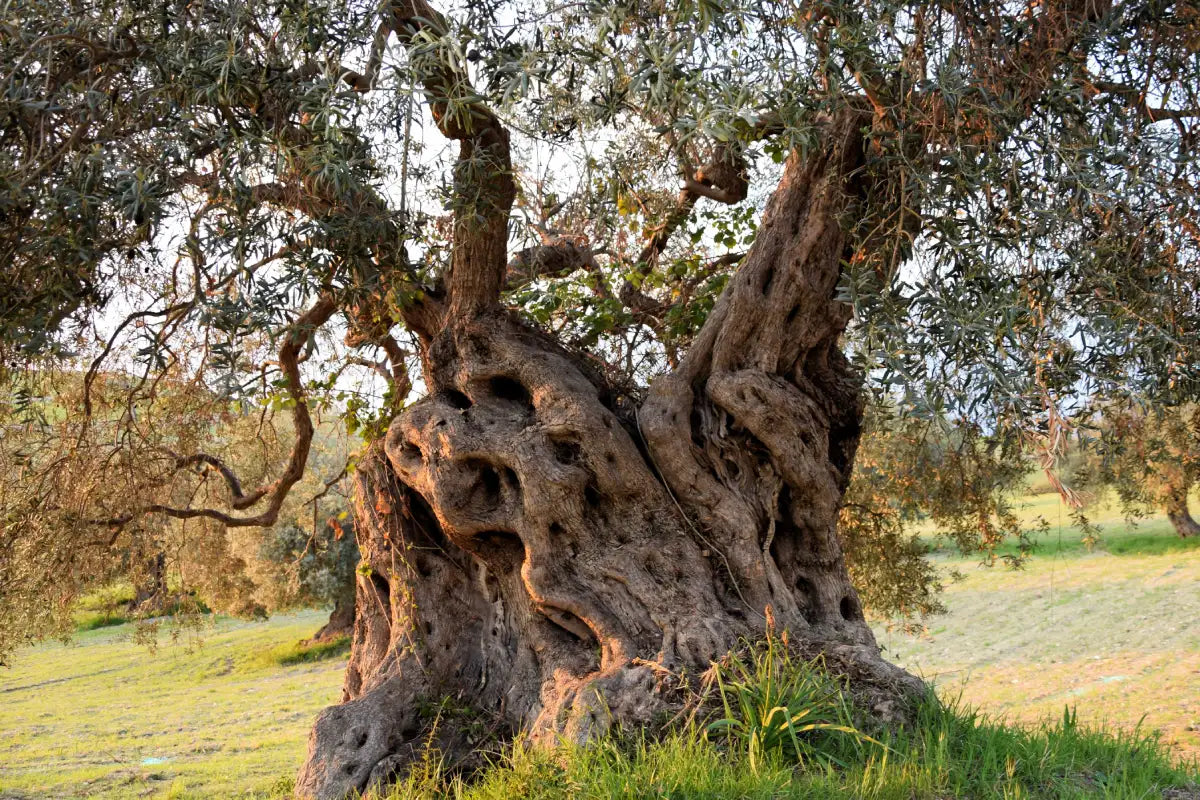
Wild wild olive: the secrets of its high quality olive oil
Discover the secrets of the wild olive tree and its high-quality extra virgin olive oil.
Here's an overview:
Introduction to the wild olive tree
Health benefits of olive oil obtained from wild olive trees
Differences between olive oil from wild olive trees and other varieties
Traditional methods of harvesting and producing wild olive oil
Protection and conservation of the wild olive tree
Price evaluation of olive oil from wild olive trees
Role of the wild olive tree in biodiversity
Sustainability and environmental impact in wild olive oil production
Culinary use of olive oil from wild olive trees
Conclusion and future prospects
Introduction to the wild olive tree
Our journey into the world of the wild olive tree begins with the discovery of a tree with ancient roots and extraordinary potential. By exploring the characteristics of this plant, we can fully understand the exceptional quality of its oil, a precious treasure of nature.
To understand how to best pair this intense oil with other extra virgin olive oils in the Cutrera range, read our complete guide to olive oil.
The benefits of wild olive oil are amplified by its extraordinary polyphenol profile. Learn more in our article dedicated to EVOO polyphenols.
For the most recent and in-depth guide — including sensory profile, chemical composition, and Frantoi Cutrera's "Mille" product — read: Wild Olive Tree: what it is and why its oil is so rare.
During our research, we will delve into the unique properties of the wild olive tree, highlighting its resistance to adverse climatic conditions and its ability to adapt to the most inaccessible terrains.
We will explore the different varieties of wild olives, highlighting the nuances of flavor and intense aromas that characterize the fruit of this ancient tree.
We will also discover the production process of wild olive oil, from the harvesting of the olives to the cold pressing method that preserves all beneficial properties intact.
Through this introduction to the wonders of the wild olive tree, we prepare to thoroughly explore the secrets that make its oil such a prized and appreciated product worldwide.
Health benefits of olive oil obtained from wild olive trees
We have discovered that oil obtained from wild olive trees is not only delicious, but also offers a range of health benefits worth knowing about. Here's why we love incorporating it into our daily diet:
Rich in antioxidants: Olive oil obtained from wild olive trees is rich in polyphenols, powerful antioxidants that help protect cells from damage caused by free radicals.
Good for the heart: Thanks to its high content of monounsaturated fatty acids, olive oil from wild olive trees can help reduce bad cholesterol in the blood, thus contributing to improved cardiovascular health.
Anti-inflammatory effects: Compounds present in wild olive oil can help reduce inflammation in the body, helping to prevent a range of chronic diseases.
Brain protection: Some studies suggest that olive oil obtained from wild olive trees may have protective effects on the brain and help prevent neurodegenerative diseases such as Alzheimer's.
Reduced cancer risk: Phytochemical compounds present in wild olive oil may help reduce the risk of developing certain types of cancer, thanks to their anti-tumor properties.
With all these health benefits, it's no wonder that olive oil obtained from wild olive trees is considered a true treasure of nature.
Differences between olive oil obtained from wild olive trees and other varieties
In this section, we will explore the key distinctions between olive oil obtained from wild olive trees and that obtained from other olive varieties. The differences between the two types of oil can be significant and affect both taste and healthy properties.
Origin of the olives: While the wild olive tree grows spontaneously and in the wild, other olive varieties are often cultivated and managed.
Taste characteristics: Olive oil obtained from wild olive trees often has a more intense and spicy flavor compared to that produced from cultivated varieties. This is due to the greater genetic diversity of the wild olive tree.
Nutritional content: Olive oil derived from wild olive trees may have higher levels of polyphenols and antioxidants compared to other varieties. These compounds provide health benefits.
Cultivation methods: While cultivated varieties are often subject to intensive techniques, the wild olive tree develops in natural conditions, absorbing nutrients from the surrounding soil and climate.
Environmental sustainability: The wild olive tree requires less human intervention and can contribute to more balanced ecosystems, while intensive cultivation of other varieties can have a negative impact on the environment.
Popularity and availability: Olive oil obtained from wild olive trees is often considered a niche product, while other varieties are more widespread on the market.
Exploring and understanding these differences can help to develop greater awareness of the various types of olive oil available and to make more informed choices in selecting this precious food.
Traditional methods of harvesting and producing wild olive oil
The secrets of high-quality wild olive oil lie in the traditional methods of harvesting and production that have been passed down for generations. The harvesting of wild olives is done by hand, still following ancient techniques that safeguard the quality of the fruit.
"Hand-harvesting wild olives is a process that requires patience and care to avoid damaging the fruit and preserve its unique characteristics."
Hand harvesting: Harvesters carefully select ripe olives, avoiding those that are too green or too ripe, thus ensuring high-quality olive oil.
Traditional mills: The olives are transported to mills, where they are slowly ground with stone mills to preserve all their properties.
Cold malaxation: The next step involves cold malaxation, which allows the oil to be extracted without damaging its aromatic and gustatory compounds.
"The use of traditional mills and cold malaxation are fundamental for obtaining wild olive oil of superior quality."
Natural decantation: After malaxation, the oil is left to rest in terracotta containers to facilitate separation from solid residues.
Gentle filtration: Finally, the oil is gently filtered to ensure its clarity without altering its flavor and aroma.
By following these traditional methods, we are able to obtain wild olive oil of the highest quality, rich in unique aromas and flavors that characterize our precious product.
Protection and conservation of the wild olive tree
We are actively committed to the protection and conservation of the wild olive tree, a precious resource that deserves to be safeguarded for future generations. Here's how we care for the preservation of this unique plant:
Constant monitoring: We constantly monitor the health and spread of the wild olive tree to intervene promptly in case of risks or threats.
Respect for natural habitat: We strive to ensure that the wild olive tree continues to grow in its intact and uncontaminated natural habitats, preserving biodiversity and the surrounding ecosystem.
Biodiversity conservation: We promote the genetic diversity of the wild olive tree to preserve its unique characteristics and foster resilience to diseases and climate change.
Awareness and education: Educating on how to protect and value the wild olive tree is fundamental to engaging the community and promoting sustainable practices.
Together we can ensure a safe future for the wild olive tree and make sure we can continue to enjoy its prized high-quality oil.
Price evaluation of olive oil from wild olive trees
In this section, we will explore the important aspect of evaluating the price of olive oil from wild olive trees. Evaluating the price of this precious high-quality oil can be influenced by several factors:
Harvesting and production methods: The price of olive oil obtained from wild olive trees can vary depending on the methods used in harvesting and production. Traditional and manual techniques can result in a more expensive oil compared to mechanized processes.
Yield and product quality: The yield of oil extracted from wild olive trees, along with its quality and purity, play a fundamental role in determining its market value. High-quality olive oils with a distinctive aromatic profile can be priced higher.
Certifications and awards: Olive oil from wild olive trees that holds quality certifications or has received awards from specialized organizations in the sector may be valued higher than uncertified products.
Supply and demand: Finally, the simple principle of supply and demand can influence the price of olive oil obtained from wild olive trees. The rarity of this sought-after product on the market could increase its value.
The price evaluation of olive oil from wild olive trees is therefore a complex process that takes into account various determining factors to guarantee a high-quality product with an adequate economic value.
We will be happy to answer any questions or doubts related to this topic.
Role of the wild olive tree in biodiversity
The wild olive tree plays a fundamental role in promoting biodiversity as it constitutes a precious habitat for numerous animal and plant species. Thanks to its complex structure and the presence of natural shelters such as tree cavities, the wild olive tree offers an environment rich in resources and protection for a wide range of organisms.
Benefits for wildlife:
The wild olive tree provides food and shelter for birds, insects, and mammals, contributing to the ecological diversity of the ecosystem.
Wild olives are an important food source for many animals, helping to maintain the nutritional balance within the food chain.
Cavities in wild olive trees offer nesting and shelter opportunities for birds of prey, small mammals, and beneficial insects, promoting their presence and species conservation.
Contribution to vegetation:
The wild olive tree promotes plant diversity due to its resistance to adverse environmental conditions and its ability to adapt to marginal soils.
The deep roots of the wild olive tree help prevent soil erosion and favor the development of more varied plant communities.
In summary, the wild olive tree represents an important pillar of the Mediterranean ecosystem, playing a key role in the conservation of biodiversity and the balance of natural habitats. Its preservation is essential to ensure the survival of numerous species and the safeguarding of the environment in which we live.
Sustainability and environmental impact in wild olive oil production
In the production process of wild olive oil, we are committed to ensuring maximum sustainability and minimizing environmental impact. Here are some of the key points that guide our approach:
Sustainable harvesting: We carry out the harvesting of wild olives responsibly, respecting natural cycles and without damaging the trees. This approach allows the plant to regenerate naturally and continue to produce high-quality fruit in the long term.
Low-impact processing: We use processing techniques that minimize environmental impact. Our processes are designed to consume fewer resources and produce less waste, while maintaining high quality standards for wild olive oil.
Respect for biodiversity: Preserving biodiversity is fundamental for us. We protect the natural habitats surrounding wild olive trees and adopt agricultural practices that promote harmonious coexistence with local flora and fauna.
Environmental certifications: We constantly seek to obtain and maintain recognized environmental certifications that attest to our commitment to sustainability and the reduction of environmental impact in the production of wild olive oil.
Our goal is to produce high-quality olive oil not only in terms of taste and organoleptic properties, but also by ensuring the healthiness and sustainability of the production process for future generations.
Culinary use of olive oil from wild olive trees
We use olive oil from wild olive trees not only to enrich our dishes with a unique and authentic flavor, but also to exploit its countless health benefits. Here's how we can best utilize this precious oil:
Dressing for salads and cold dishes: Pour extra virgin olive oil from wild olive trees over fresh salads, grilled vegetables, or cold dishes to enhance their flavor and add a touch of elegance.
Finishing condiment for hot dishes: Add a drizzle of extra virgin olive oil at the end of cooking soups, stews, risottos, or meat dishes to enhance flavors and impart an enveloping aroma.
Base for marinades and sauces: Use olive oil to create aromatic marinades for meat, fish, or vegetables, or to make delicate and tasty sauces to dress first courses and main dishes.
Ingredients for cakes and desserts: Surprise the palate by adding a special note to cakes and desserts with olive oil: from cakes to cookies, as well as homemade creams and ice creams.
Rich in antioxidants and monounsaturated fatty acids, olive oil from wild olive trees not only makes dishes delicious, but also helps keep our bodies healthy. Experiment with new recipes and let yourself be captivated by the versatility and authenticity of this treasure of nature.
Conclusion and future prospects
After closely examining the wild olive tree and its precious oil, we can affirm with certainty that it is a treasure of nature rich in benefits and with an unmistakable flavor. Thanks to its unique characteristics and artisanal production, this extra virgin olive oil stands out for its high quality and versatility in the kitchen. We have explored the numerous healthy properties of this green elixir, which make it not only a delicious condiment but also an ally for the health of our body.
Looking to the future, we can hypothesize that awareness of the importance of preserving the wild olive tree and its high-quality oil will continue to grow. Interest in genuine, organic, and local food products is constantly increasing, and the wild olive tree fits well into this context as an authentic and sustainable product.
Future prospects may lead to greater enhancement and protection of these ancient plants, ensuring biodiversity and safeguarding a unique heritage in the world. Furthermore, continuous research and innovation in the sector could lead to further discoveries about the potential of the wild olive tree and its oil, paving the way for new applications and benefits for consumers.
In conclusion, the wild olive tree and its oil represent an excellence of the Mediterranean territory that, with commitment and attention, can be passed down to future generations, keeping tradition alive and offering the best of nature to anyone who appreciates the fruits of the earth processed with love and dedication.If you are curious to try the best extra virgin olive oil from wild olive trees, we recommend trying "Mille" by Frantoi Cutrera. It is among the most prized in its category.

What is the origin of panettone?
According to legend, this Christmas cake was created in Milan at the end of the 15th century. On Christmas Eve, the Sforzas' cook accidentally burned the dessert he had prepared for dinner. A servant, a man named Toni, took his loaf of dough, kneaded it with flour, eggs, sugar, raisins, and candied fruit, and after a long leavening, put it in the oven. The "pan di Toni" (Toni's bread) was a great success.
Among traditional Italian desserts, panettone stands alongside Sicilian products such as mandorlato, cannoli, and almond pastries. To discover Sicilian dessert specialties, visit our Secrets of Sicily range.
Showing 20/20