




Home
>
Curiosities from the oil mill
>
Wild Fennel Herbal Tea: Properties, How to Prepare It, and Contraindications

Wild Fennel Herbal Tea: Properties, How to Prepare It, and Contraindications
Wild fennel tea is one of the traditional Mediterranean remedies with the most documented uses — from the digestive system to the respiratory system, from water retention to mild insomnia. In this guide, you'll find out how to prepare it correctly, its active properties, the differences between cultivated fennel and wild fennel, and warnings for those who cannot consume it.
Wild fennel vs. cultivated fennel: they are not the same thing
First of all, an important distinction that many guides ignore. Wild fennel (Foeniculum vulgare var. piperitum or simply Foeniculum vulgare in its wild form) grows spontaneously throughout the Mediterranean basin — roadsides, uncultivated land, coastal areas. It does not form the white bulb of cultivated garden fennel. Its tender shoots, flowers, and especially its seeds are used.
Cultivated fennel (Foeniculum vulgare var. azoricum) is selected for its fleshy bulb — the part eaten in salads. It has a more delicate aromatic profile and a lower concentration of active ingredients compared to wild fennel.
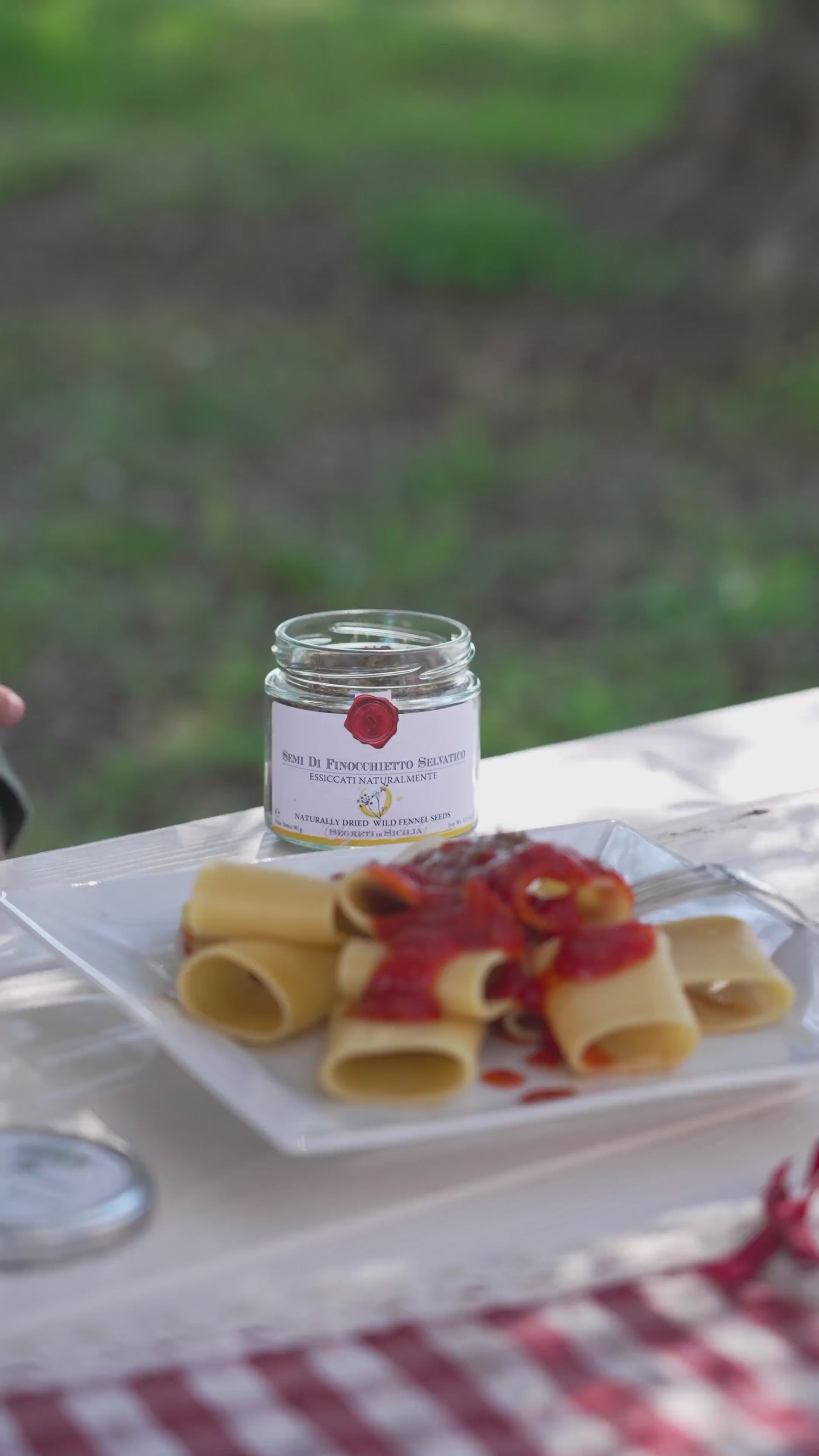
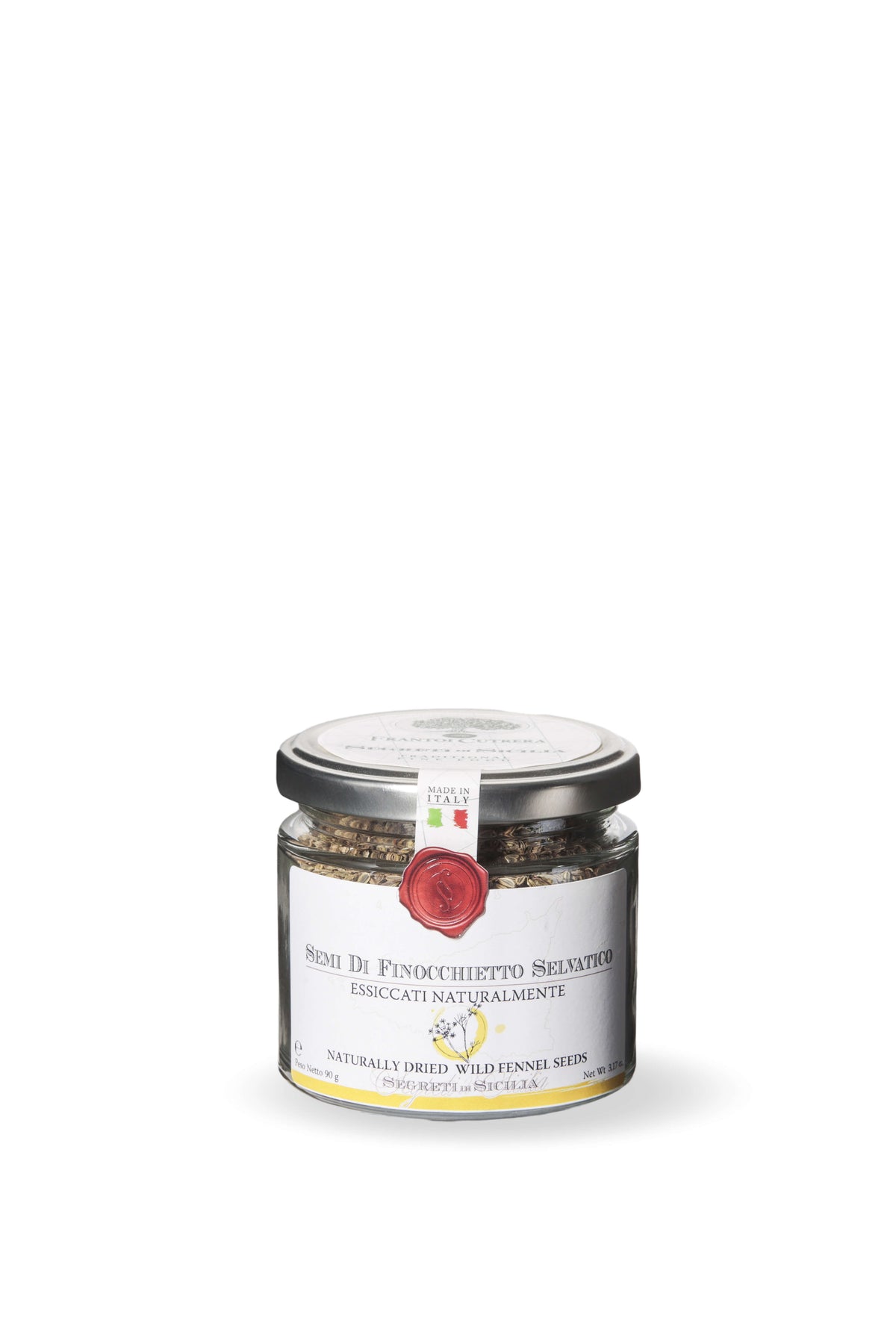
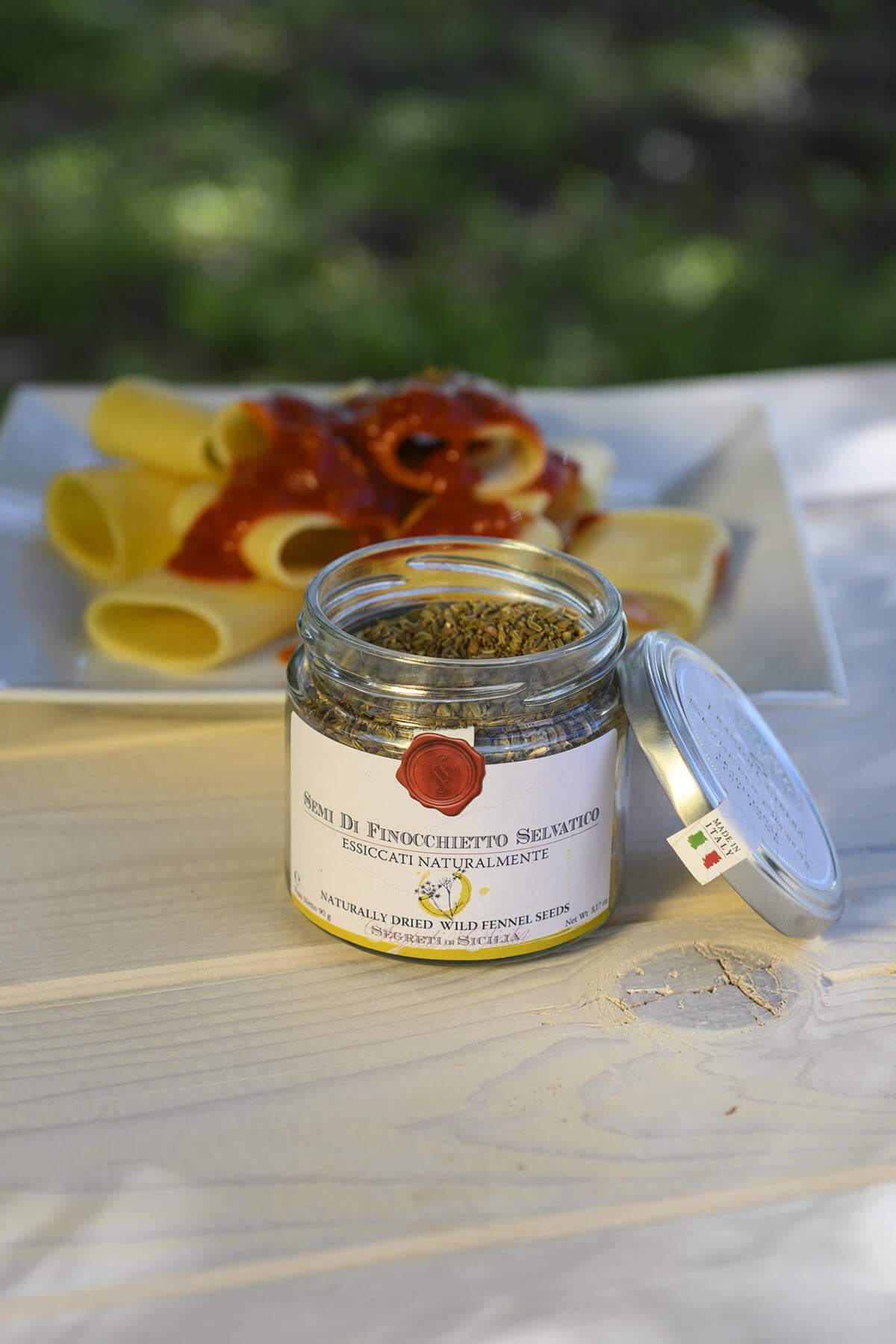
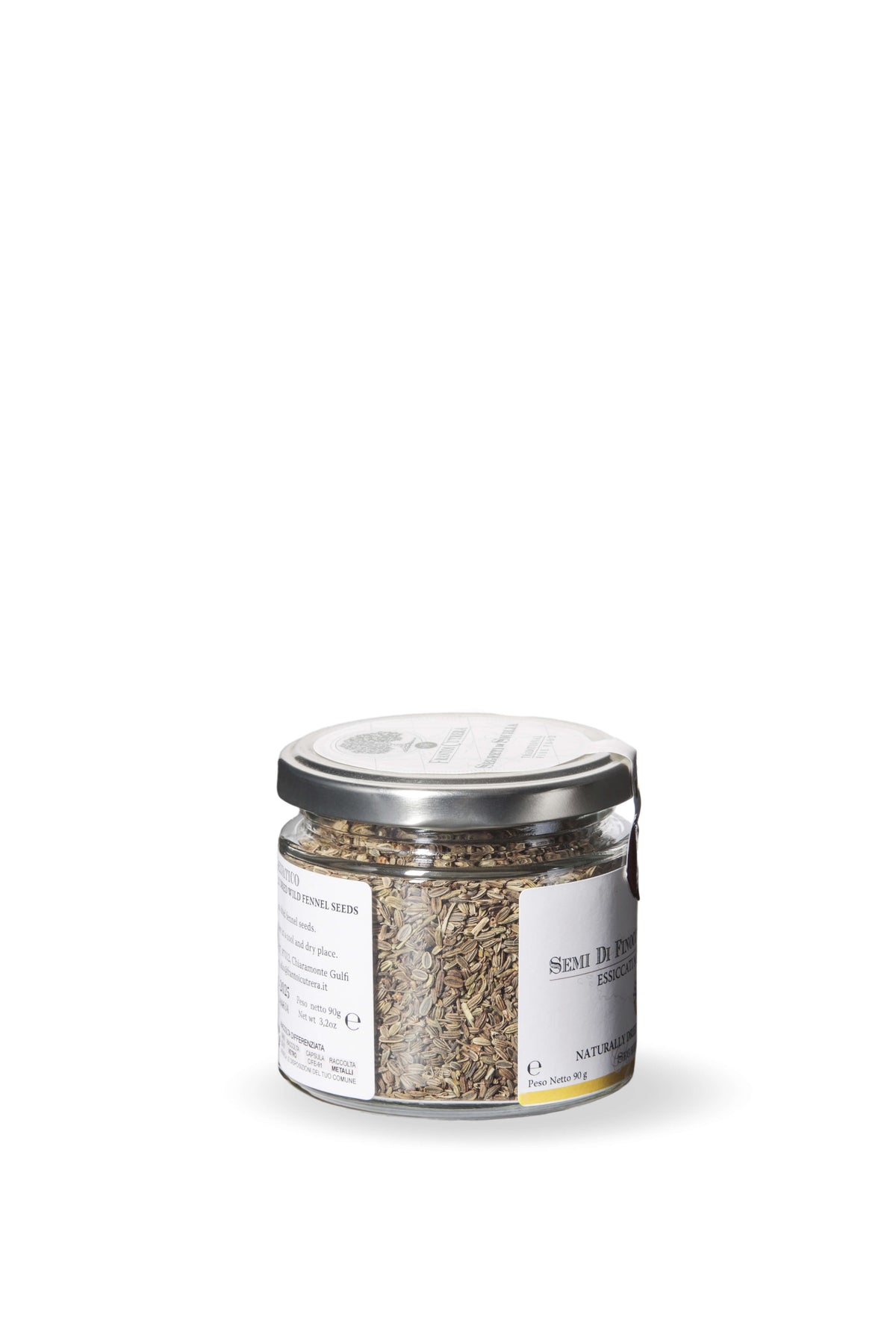
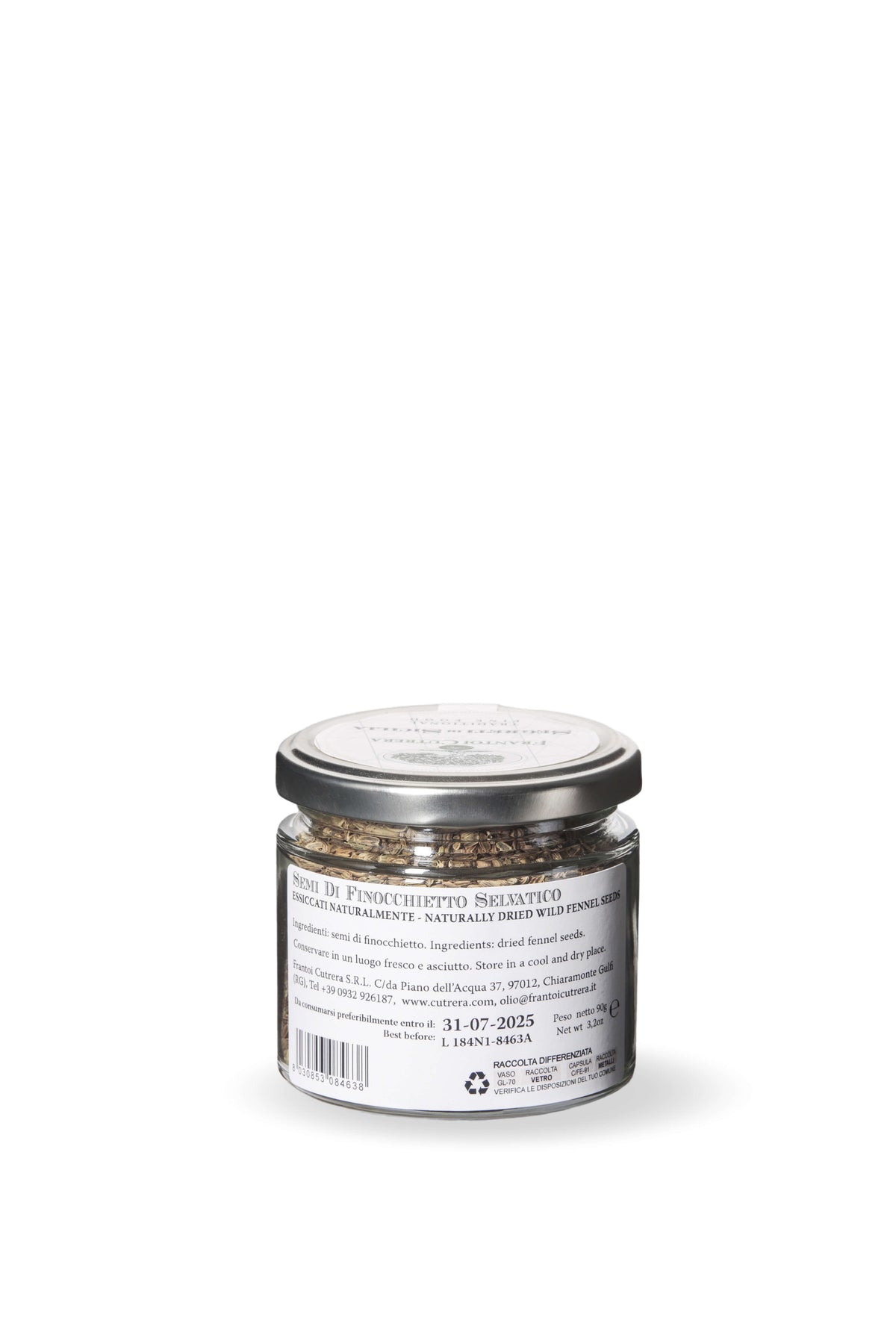
For tea, wild fennel — particularly its seeds — is the form with the highest concentration of anethole, the main active compound responsible for its aroma and therapeutic effects. Dried seeds are readily available in herbal stores and Sicilian farmers' markets. To learn more about the general properties of fennel: wild fennel: properties, uses, and beneficial effects.
Active ingredients in fennel tea
The effectiveness of fennel tea depends on the compounds extracted in hot water. The main ones are:
- Anethole (80-90% of essential oil): The main aromatic compound, responsible for the characteristic anise flavor. It has antispasmodic properties on the intestine (relaxes smooth muscle), expectorant properties on the respiratory tract, and a modest estrogenic action (relevant for contraindications).
- Fenchone: A terpenic compound with carminative properties — it reduces the formation and promotes the expulsion of intestinal gases.
- Flavonoids (quercetin, kaempferol, rutin): Antioxidants with anti-inflammatory and mild diuretic action.
- Phenolic acids (chlorogenic acid, caffeic acid): Contribute to antioxidant action and gastric mucosal protection.
- Potassium and other minerals: The seeds are rich in potassium — which contributes to the tea's natural diuretic effect.
Important: the concentration of active ingredients in the tea is much lower than in pure essential oil. The properties documented in studies on fennel essential oil are not directly transferable to the tea — but centuries of traditional use and observational data support its efficacy for common indications.
Documented properties and benefits
Digestive system
The primary and most supported indication. Fennel tea is effective for:
- Abdominal bloating and flatulence: Anethole and fenchone relax intestinal muscles and promote gas expulsion. This effect is noticeable within 20-30 minutes of consumption.
- Intestinal spasms and irritable bowel syndrome: The antispasmodic action is well-documented. Several studies have shown a reduction in irritable bowel syndrome symptoms with fennel-based preparations.
- Slow digestion: Stimulates gastric motility and the secretion of digestive juices — indicated after heavy meals.
- Mild nausea: Useful for nausea from difficult digestion, less effective for motion sickness or pregnancy-related nausea.
Respiratory system
Anethole has expectorant properties — it thins respiratory mucus and facilitates expectoration. Hot tea amplifies this effect through steam. Indicated for catarrhal cough, colds with thick phlegm, mild bronchitis.
Mild diuretic effect
The flavonoids and potassium in the seeds promote diuresis. The effect is moderate — not comparable to pharmacological diuretics — but useful for mild water retention and swollen legs.
Lactation
Fennel tea is traditionally used to increase milk production (galactagogue). Preliminary studies show a possible positive effect mediated by anethole's estrogenic action on prolactin. Use during breastfeeding is considered safe at moderate doses — but should be reported to a doctor, especially if consumed in large quantities.
How to prepare fennel tea: basic recipe
Three versions in order of increasing concentration:
Seed tea (most effective)
- Lightly crush 1 teaspoon of wild fennel seeds in a mortar — this breaks the outer membrane and releases the essential oil into the water.
- Bring 250 ml of water to a boil.
- Pour the boiling water over the crushed seeds in a cup or teapot.
- Cover and let steep for 10-15 minutes.
- Filter and drink hot, preferably after meals.
Covering during infusion is crucial: anethole is volatile — without a cover, the active ingredients dissipate into the steam.
Fresh twig tea
Use 2-3 tender twigs of fresh (or dried) wild fennel, break them up, cover with 250 ml of boiling water, infuse for 8-10 minutes covered. Milder aroma than seeds, lower concentration of active ingredients.
Seed decoction (concentrated)
For more pronounced effects on cough and bronchitis: bring 1 generous tablespoon of seeds to a boil in 500 ml of water, maintain a gentle boil for 5 minutes, let rest for 10 minutes covered, then filter. Drink in two servings throughout the day.
When to drink it and how many cups per day
- For digestion: one cup after main meals, preferably hot.
- For abdominal bloating: one cup as soon as you feel bloated, or before meals if bloating is chronic.
- For cough and phlegm: 2-3 cups a day, even between meals.
- For water retention: 2 cups a day, in the morning and afternoon (avoid in the evening to avoid disturbing sleep with diuresis).
Chronic prolonged use (over 4-6 continuous weeks) is not recommended without medical supervision, due to the estrogenic action of anethole which could interfere with hormonal balance in sensitive individuals.
Contraindications and warnings
- Pregnancy: To be avoided, especially in the first weeks. Anethole has a weak estrogenic action and could stimulate uterine contractions at high doses. Occasional tea in advanced pregnancy is considered low risk by most sources, but caution is recommended.
- Allergy to Apiaceae (Umbelliferae): Those allergic to celery, carrots, parsley, anise, cumin should use fennel with caution — they belong to the same botanical family and cross-reactions are possible.
- Children under 4 years old: Fennel essential oil is contraindicated in young children due to possible neurological toxicity at high doses. Diluted tea is generally considered safe, but for young children, it is preferable to consult a pediatrician.
- Hormone-sensitive cancer (breast, uterus, ovary): The estrogenic action of anethole is a relative contraindication. In these cases, consult an oncologist before regular use.
- Estrogenic or anticoagulant drugs: Possible interactions. Report regular use to your doctor.
Combinations with other herbs
Fennel tea combines well with other herbs to enhance specific effects:
- + Chamomile: for antispasmodic and relaxing effects — ideal for stress-induced bloating or irritable bowel.
- + Lemon balm: for nervous digestion and anxiety-related nausea.
- + Ginger: for a more potent digestive and antiemetic effect — add a slice of fresh ginger to the infusion.
- + Licorice (root): for cough and phlegm — combines the expectorant action of fennel with the soothing effect of licorice.
- + Mint: for post-meal bloating — adds freshness and enhances the carminative effect.
Recipes with wild fennel in cooking
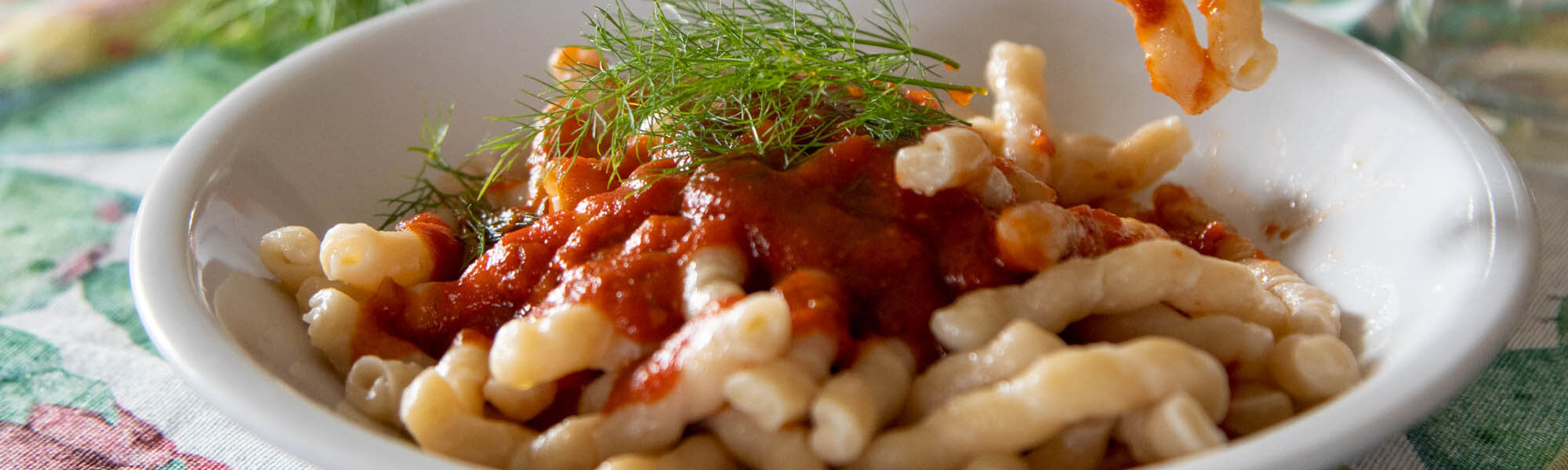
Wild fennel is not just for teas — it is a key ingredient in Sicilian cuisine. You'll find it as the star in pasta con le sarde, arancine, sausages, olive bread, and many traditional island recipes. For recipes: recipes with wild fennel.
Frequently Asked Questions
Does fennel tea help with weight loss?
No, not directly. It can reduce abdominal bloating (which is not fat but retention of gas and fluids) and has a mild diuretic effect — but it does not burn fat or speed up metabolism. Those who use it for "weight loss" achieve at most a temporary reduction in abdominal circumference due to reduced bloating.
Is fennel tea good for babies with colic?
Preliminary studies show positive results with emulsified fennel oil for infantile colic. Diluted tea is traditionally used, but infants under 4 months should not consume liquids other than milk. For babies with colic, it is always preferable to consult a pediatrician before any herbal remedy.
How many times a week can you drink fennel tea?
For occasional use (digestion, bloating, cough), even daily for 2-4 weeks. For prolonged use, it is recommended to alternate with other remedies and not exceed 2-3 cups per day. Chronic continuous use for months is not advised without medical evaluation.
Fennel tea during pregnancy: can it be drunk?
It's best to avoid it, especially in the first trimester. Anethole has a weak estrogenic and potentially uterotonic action at high doses. An occasional cup in advanced pregnancy is considered low risk by most herbal sources, but prudence suggests consulting your gynecologist.
Share