

Home
>
Curiosities from the oil mill
>
Olive Oil on an Empty Stomach: Benefits, How Many Tablespoons, and Contraindications

Olive Oil on an Empty Stomach: Benefits, How Many Tablespoons, and Contraindications
Drinking a tablespoon of extra virgin olive oil on an empty stomach in the morning is one of the most widespread wellness practices in the Mediterranean – and one of those with the most unanswered questions. Does it really work? For what? How much to take? Are there any contraindications? In this guide, you will find available evidence, plausible mechanisms, and practical advice.
What happens in the body when EVOO is consumed on an empty stomach
On an empty stomach, extra virgin olive oil is absorbed differently than when consumed with food. Some documented or plausible effects:
- Gallbladder stimulation: Fats on an empty stomach stimulate the contraction of the gallbladder and the release of bile – which in turn activates intestinal peristalsis. This is likely the main mechanism behind the known mild laxative effect of oil on an empty stomach.
- Activation of gastric motility: Fat stimulates the production of cholecystokinin (CCK), a hormone that slows gastric emptying but stimulates colon motility. Net effect: digestion throughout the day starts more regularly.
- Absorption of polyphenols on an empty stomach: Some studies suggest that EVOO polyphenols (oleuropein, hydroxytyrosol) are absorbed more quickly on an empty stomach, without competition from other foods. Bioavailability might be higher compared to consumption with a meal.
- Buffering effect on the gastric mucosa: Fat forms a thin film on the gastric mucosa that can reduce contact with hydrochloric acid. Useful for those who suffer from morning acidity – although the effect is temporary and depends on the quantity.
Benefits supported by evidence
Intestinal regularity
This is the most established benefit and the one for which oil on an empty stomach is traditionally used throughout the Mediterranean. The mechanism is clear (biliary stimulation + colonic motility), the effect is noticeable within 30-60 minutes of intake in those prone to constipation. One tablespoon (15 ml) in the morning on an empty stomach is the traditional dose – equivalent to that used in studies on the mild laxative effect.
Control of mild gastric acidity
Extra virgin olive oil has a slightly alkaline pH, and its fatty component forms a protective barrier on the gastric mucosa. In case of morning heartburn from mild acidity, a tablespoon of EVOO can buffer the symptoms. It is not an antacid – it does not neutralize gastric pH – but it reduces the contact of the mucosa with acid. For ongoing gastritis or ulcers, consult a doctor before any dietary remedy.
Potential effect on lipid profile
Observational studies on Mediterranean populations associated with morning consumption of oil on an empty stomach show a better lipid profile (higher HDL, lower LDL) compared to control groups. It is not possible to isolate the "empty stomach" effect from that of the overall EVOO consumption in the diet – but the practice is consistent with the known mechanisms of oleic acid on lipid metabolism.
Antioxidant and anti-inflammatory activity
If the bioavailability of polyphenols is indeed higher on an empty stomach, morning intake of quality EVOO contributes to the daily intake of antioxidants at an optimal time. The chronic anti-inflammatory effect of oleocanthal – documented in studies on the Mediterranean diet – adds to the contribution of each individual intake.
How much oil to take on an empty stomach
The traditional dose is 1 tablespoon (15 ml). This is also the dose used in most observational studies. Practical considerations:
- Below 1 teaspoon (5 ml): too little to stimulate biliary motility noticeably.
- 1 tablespoon (15 ml): effective dose for digestive effects, tolerated by almost everyone.
- 2 tablespoons (30 ml): the dose used in the PREDIMED study as part of the Mediterranean diet regimen. Effective but can cause gastric discomfort in those not accustomed to fats on an empty stomach.
- Over 30 ml on an empty stomach: no additional documented benefits – increases the risk of nausea and reflux, especially in the morning.
Those starting should begin with 1 teaspoon (5 ml) the first week and gradually increase to 1 tablespoon.
How to take it: practical variations
- Pure, by the spoon: the simplest method. Swallow slowly, not in a single gulp.
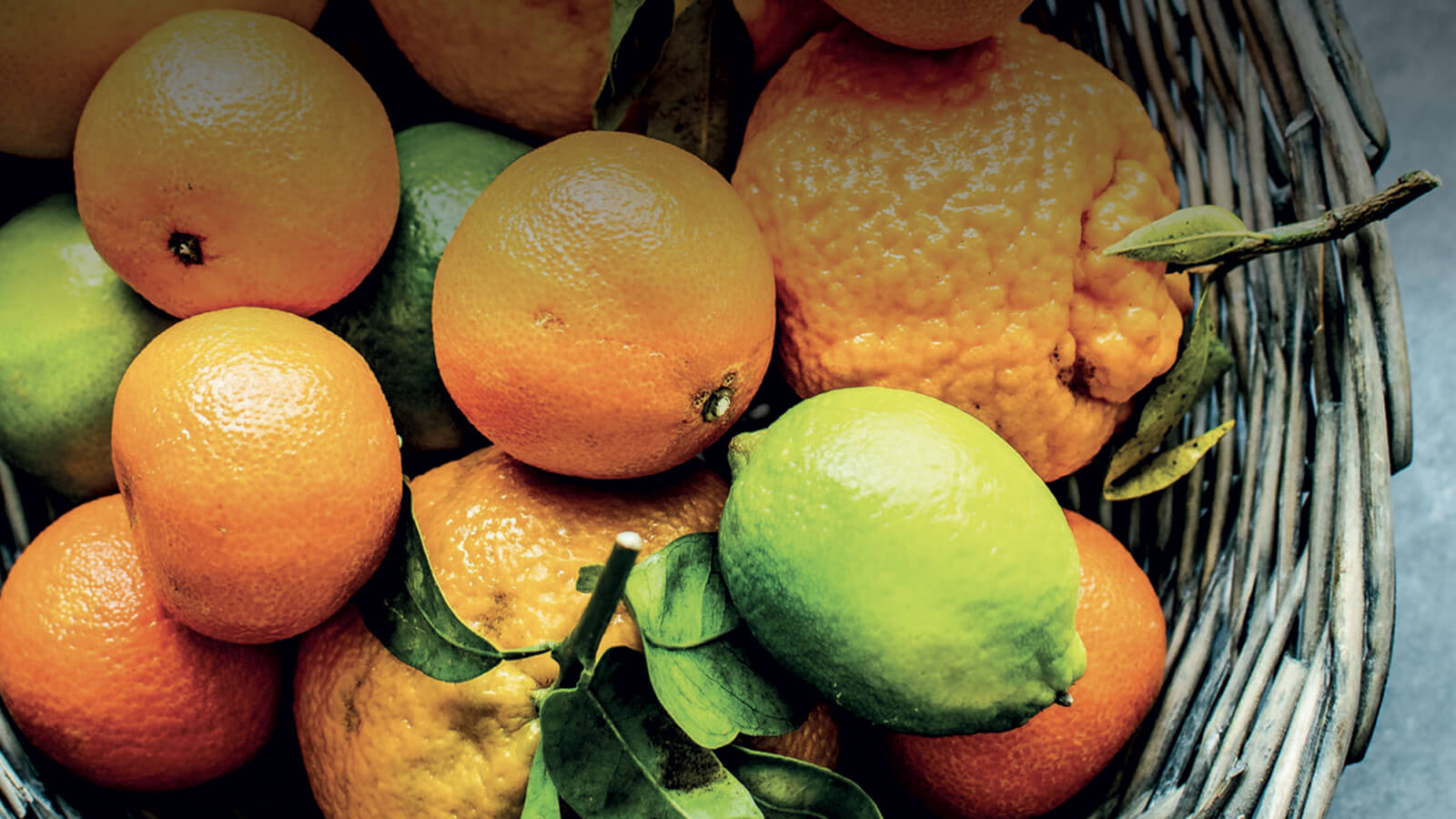
- With lemon: the combination of EVOO + lemon juice on an empty stomach is very popular. Lemon adds vitamin C and acidity which could improve the absorption of polyphenols. There are no specific studies on this combination, but it is well tolerated and pleasant.
- In warm water: add a tablespoon of oil to a glass of warm water (not hot – heat degrades polyphenols). Water facilitates swallowing for those who find it difficult to ingest pure oil.
- On toasted whole wheat bread: technically not "on an empty stomach" but it is an alternative for those who have difficulty with an empty stomach. It maintains many of the digestive benefits while reducing the risk of nausea.
Which oil to choose for consumption on an empty stomach
For consumption on an empty stomach, the quality of the oil matters more than in any other context – there are no other flavors to mask defects, and the goal is to maximize the absorbed bioactive compounds. Essential characteristics:
- Perceptible fruitiness: an oil without fruitiness has lost its aromatic compounds – often indicating poor quality or advanced oxidation. The slight pungency in the throat after swallowing is a sign that polyphenols are present.
- Recent harvest year: polyphenols decay over time. For therapeutic intake on an empty stomach, always use oil from the latest campaign.
- Cold extracted: preserves vitamin E and antioxidant compounds.
- Organic if possible: on an empty stomach, the gastric mucosa is more exposed – reducing pesticide residues is a reasonable precaution.
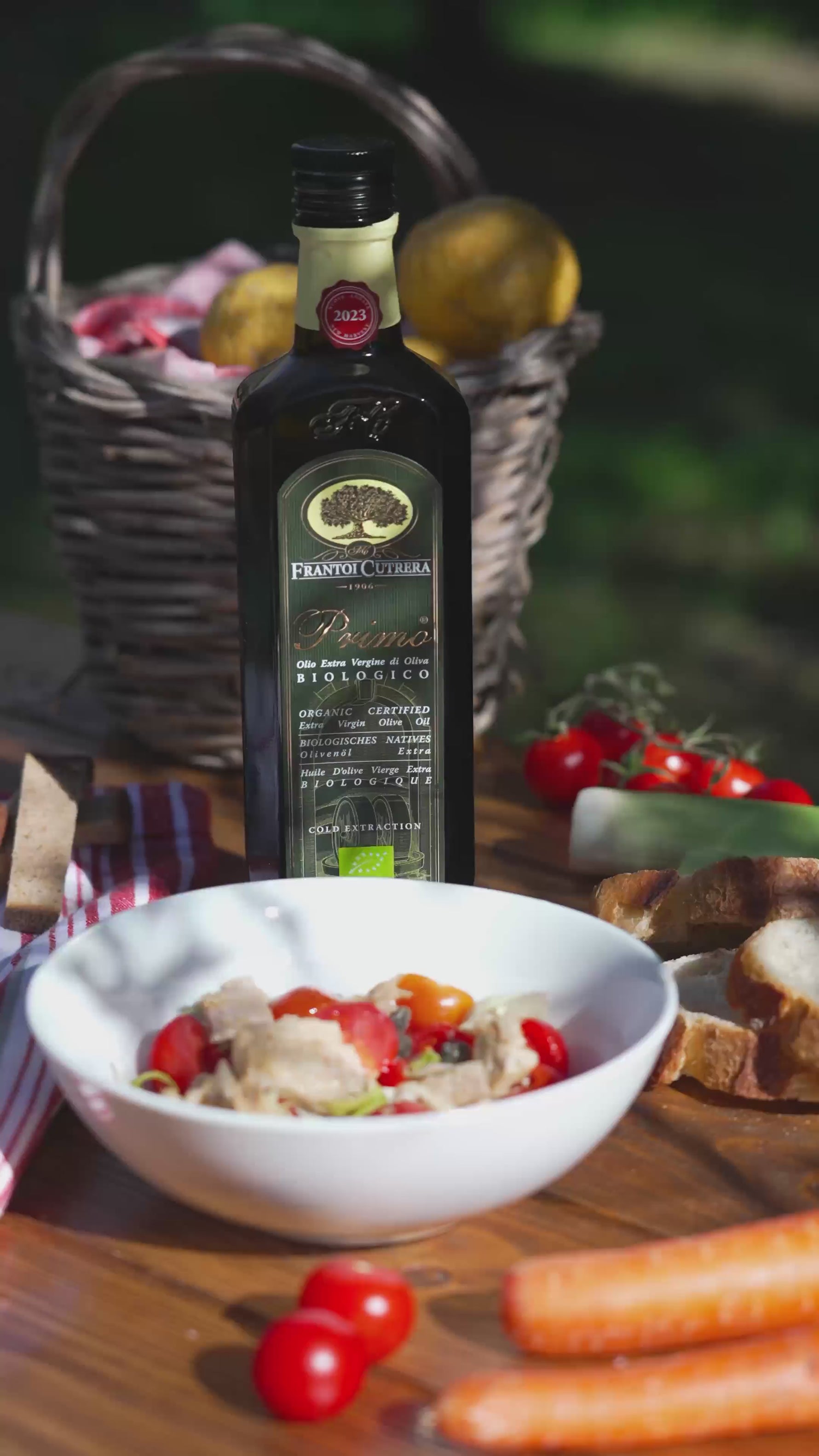
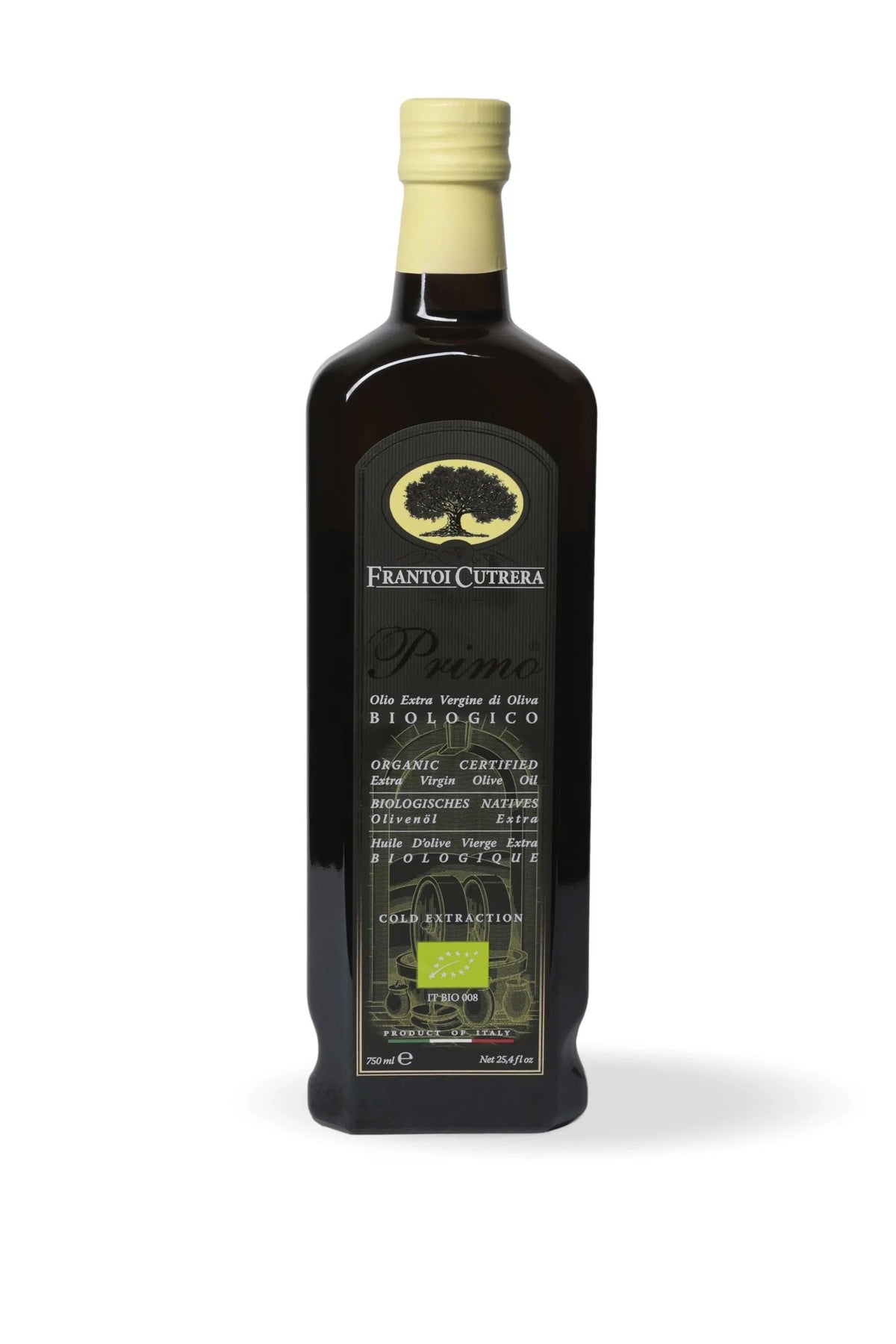
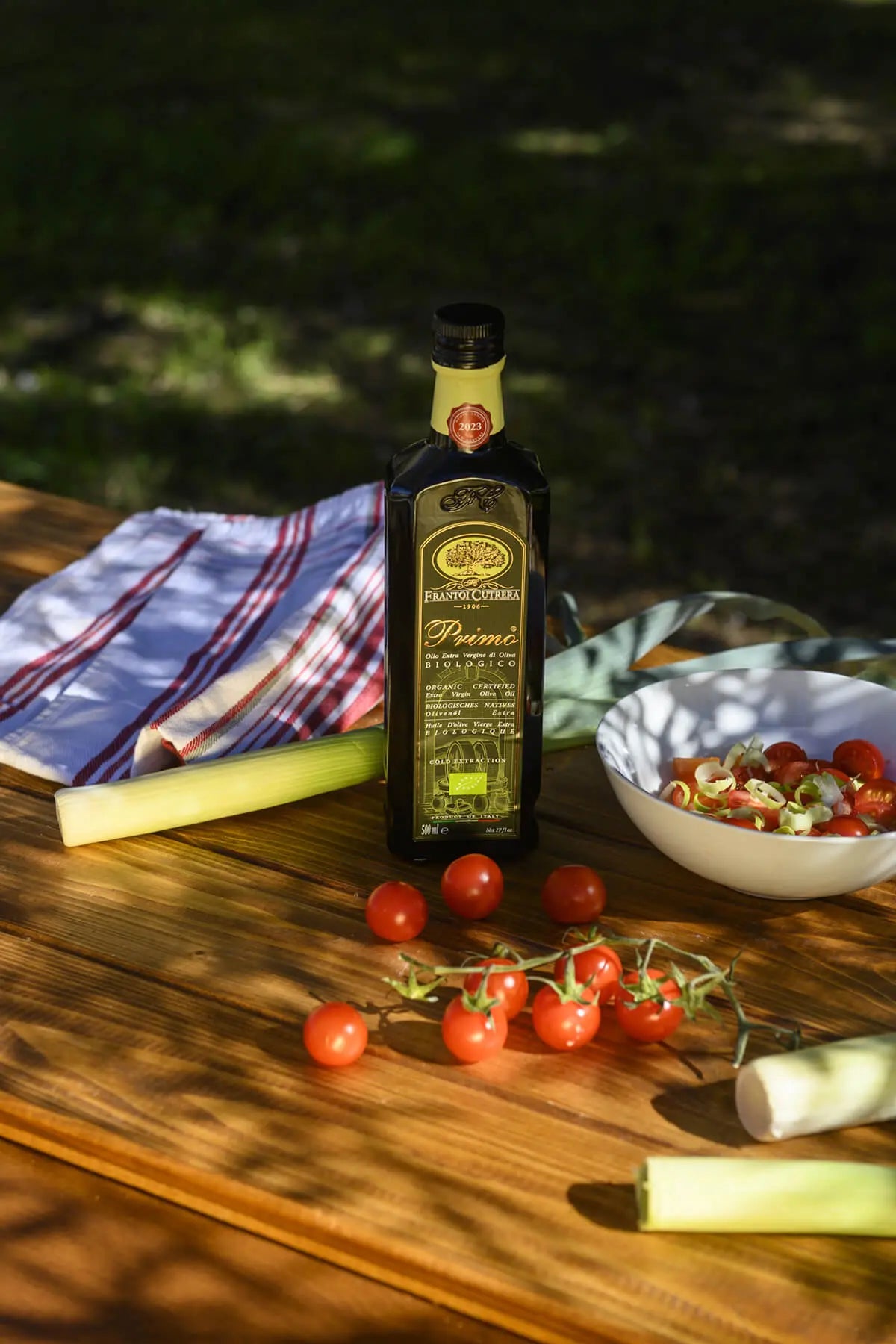
The Primo BIO by Frantoi Cutrera – certified organic, early harvest, high polyphenol content – is the optimal choice for this use. The characteristic peppery taste in the throat (due to oleocanthal) is a sign that you are consuming oil with a real antioxidant profile. To learn more about the role of polyphenols: polyphenols of EVOO.
Contraindications and situations of attention
- Severe gastroesophageal reflux disease (GERD): fats slow gastric emptying and relax the lower esophageal sphincter – effects that can aggravate reflux in subjects with diagnosed GERD. Those suffering from severe reflux should avoid large amounts of fat on an empty stomach.
- Symptomatic gallstones: gallbladder stimulation on an empty stomach can trigger biliary colic in those with gallstones. Those diagnosed with cholelithiasis should consult a doctor before adopting this practice.
- Acute or chronic pancreatitis: fats are the main stimulant of pancreatic secretion – contraindicated in the acute phase and to be managed with caution in chronic forms.
- Medications taken on an empty stomach: some medications require consumption on a completely empty stomach to be absorbed correctly. If taking morning medications on an empty stomach, evaluate compatibility with oil with your doctor.
Frequently asked questions
Does a tablespoon of olive oil on an empty stomach help you lose weight?
Not directly. EVOO on an empty stomach has no documented thermogenic or lipolytic properties. The possible indirect contribution to weight control comes from increased satiety (fat delays gastric emptying) which can reduce the caloric intake of the subsequent meal – but this is a modest and variable effect. Those looking for help with weight loss will not find a turning point in the practice of oil on an empty stomach.
Is olive oil on an empty stomach bad for the liver?
No – on the contrary. Extra virgin olive oil has documented hepatoprotective effects. Monounsaturated fatty acids and polyphenols reduce liver inflammation and counteract steatosis (fatty liver). Studies on patients with NAFLD (non-alcoholic fatty liver disease) show improvements in liver parameters with a Mediterranean diet rich in EVOO.
Is oil better on an empty stomach or with food?
It depends on the goal. For the effect on intestinal motility and the potential absorption of polyphenols: on an empty stomach. For the contribution to the Mediterranean diet and the lipid profile in the context of a complete meal: with food. They are not mutually exclusive – many people use both practices: a tablespoon on an empty stomach in the morning, then EVOO normally with meals throughout the day.
For how many days should olive oil be taken on an empty stomach?
There is no documented time limit. It is a daily practice adopted by entire Mediterranean populations for generations without known adverse effects. Those who wish to follow it can do so steadily as a morning habit, unlike some "detox" practices that require cycles and breaks.
Share