Curiosities from the oil mill

Olivastro-selvatico-i-segreti-del-suo-olio-di-oliva-di-alta-qualità FRANTOI CUTRERA

Wild wild olive: the secrets of its high quality olive oil

on Apr 08 2024
Discover the secrets of the wild wild olive and its high quality extra virgin olive oil. Here is an overview: Introduction to the wild wild olive Health benefits of olive oil obtained from wild wild olive Differences between olive oil obtained from wild wild olive and other varieties Traditional methods of harvesting and producing wild olive oil Protection and conservation of the wild wild olive Price evaluation of olive oil from wild wild olive Role of the wild wild olive in biodiversity Sustainability and environmental impact in the production of wild olive oil Culinary use of olive oil from wild wild olive Conclusion and future prospects Introduction to the wild wild olive Our journey into the world of the wild wild olive begins with the discovery of a tree with ancient roots and extraordinary potential. By exploring the characteristics of this plant, we can fully understand the exceptional quality of its oil, a precious treasure of nature. During our research, we will immerse ourselves in the unique properties of the wild wild olive, highlighting its resistance to adverse climatic conditions and its ability to adapt to the most inaccessible terrain. We will explore the different varieties of wild olives, highlighting the nuances of flavor and intense aromas that characterize the fruit of this centuries-old tree. We will also discover the production process of wild olive oil, from the harvesting of the olives to the cold pressing method which preserves all the beneficial properties intact. Through this introduction to the wonders of the wild wild olive, we prepare to fully explore the secrets that make its oil such a valuable and appreciated product throughout the world. Health benefits of olive oil obtained from wild wild olive We have found that the oil obtained from wild wild olive is not only delicious, but also offers a number of health benefits that are worth knowing about. That's why we love incorporating it into our daily diet: Rich in antioxidants : Olive oil obtained from wild wild olive is rich in polyphenols, powerful antioxidants that help protect cells from damage caused by free radicals. Beneficial for the heart : Thanks to the high content of monounsaturated fatty acids, wild olive oil can help reduce bad cholesterol in the blood, thus helping to improve cardiovascular health. Anti-inflammatory effects : Compounds found in wild olive oil can help reduce inflammation in the body, helping to prevent a number of chronic diseases. Brain Protection : Some studies suggest that olive oil obtained from wild wild olive may have protective effects on the brain and help prevent neurodegenerative diseases such as Alzheimer's. Reduced cancer risk : Phytochemical compounds found in wild olive oil could help reduce the risk of developing certain types of cancer, thanks to their anticancer properties. With all these health benefits, it is no wonder that olive oil obtained from wild wild olive is considered a true treasure of nature. Differences between olive oil obtained from wild wild olive and other varieties In this section we will explore the key distinctions between olive oil made from wild wild olive and that made from other varieties of olive trees. The differences between the two types of oil can be notable and affect both taste and health properties. Origin of the olives : While the wild olive grows spontaneously and wildly, other varieties of olive trees are often cultivated and managed. Taste characteristics : Olive oil obtained from wild wild olive often has a more intense and spicier flavor than that produced from cultivated varieties. This is due to the greater genetic diversity of the wild wild olive. Nutritional Content : Olive oil derived from wild wild olive may have higher levels of polyphenols and antioxidants than other varieties. These compounds confer health benefits. Cultivation methods : While cultivated varieties are often subject to intensive techniques, wild olive grows in natural conditions, absorbing nutrients from the soil and surrounding climate. Environmental sustainability : Wild wild olive requires less human intervention and can contribute to more balanced ecosystems, while intensive cultivation of other varieties can have a negative impact on the environment. Popularity and availability : Olive oil obtained from wild wild olive is often considered a niche product, while other varieties are more widespread on the market. Exploring and understanding these differences can help you develop greater awareness of the various types of olive oil available and make more informed choices when selecting this precious food. Traditional methods of harvesting and producing wild olive oil The secrets of high-quality wild olive oil lie in the traditional harvesting and production methods that have been passed down for generations. The wild olive harvest is done by hand, still following ancient techniques that safeguard the quality of the fruit. "Hand-harvesting wild olives is a process that requires patience and care so as not to damage the fruit and preserve its unique characteristics." Hand harvested : The pickers carefully select the ripe olives, avoiding those that are too green or too ripe, thus guaranteeing a high quality olive oil. Traditional oil mills : The olives are transported to the oil mills, where they are slowly ground with stone millstones to preserve all their properties. Cold malaxing : The next step involves cold malaxing, which allows the oil to be extracted without damaging its aromatic and taste compounds. "The use of traditional mills and cold malaxing are essential to obtain superior quality wild olive oil." Natural decantation : After malaxing, the oil is left to rest in terracotta containers to facilitate separation from solid residues. Gentle Filtration : Finally, the oil is gently filtered to ensure its clarity without altering its flavor and aroma. By following these traditional methods, we are able to obtain a very high quality wild olive oil, rich in unique aromas and flavors that characterize our precious product. Protection and conservation of the wild wild olive We are actively committed to the protection and conservation of the wild wild olive, a precious resource that deserves to be safeguarded for future generations. This is how we care about the protection of this unique plant: Constant monitoring: We constantly monitor the health and spread of the wild wild olive to intervene promptly in case of risks or threats. Respect for the natural habitat: We work to ensure that the wild olive continues to grow in its intact and uncontaminated natural habitats, preserving biodiversity and the surrounding ecosystem. Conservation of biodiversity: We promote the genetic diversity of the wild wild olive to preserve its unique characteristics and promote resilience to disease and climate change. Awareness and education: Educating on how to protect and enhance wild wild olive is key to engaging the community and promoting sustainable practices. Together we can ensure a secure future for the wild wild olive and ensure we can continue to enjoy its prized, high-quality oil. Price evaluation of olive oil from wild wild olive In this section, we will explore the important aspect of pricing olive oil from wild wild olive. Evaluating the price of this precious high quality oil can be influenced by several factors: Harvesting and production methods : The price of olive oil obtained from wild wild olive may vary depending on the methods used in harvesting and production. Traditional, manual techniques can result in more expensive oil than mechanized processes. Product yield and quality : The yield of the oil extracted from the wild olive, together with its quality and purity, play a fundamental role in determining its value on the market. High quality olive oils with a distinctive flavor profile can command a higher price. Certifications and recognitions : Olive oil from wild wild olive that holds quality certifications or has received recognition from organizations specializing in the sector may be rated higher than non-certified products. Supply and Demand : Finally, the simple principle of supply and demand can influence the price of olive oil obtained from wild wild olive. The rarefaction of this product so sought after on the market could increase its value. The evaluation of the price of olive oil from wild wild olive is therefore a complex process that takes into account various determining factors to guarantee a high quality product with adequate economic value. We will be happy to answer any questions or concerns related to this topic. Role of the wild wild olive in biodiversity The wild wild olive plays a fundamental role in promoting biodiversity as it constitutes a precious habitat for numerous animal and plant species. Thanks to its complex structure and the presence of natural shelters such as tree cavities, the wild wild olive offers a resource-rich and protective environment for a wide range of organisms. Benefits for wildlife: Wild wild olive provides food and shelter for birds, insects, and mammals, contributing to the ecological diversity of the ecosystem. Wild olives represent an important source of nutrition for many animals, helping to maintain dietary balance within the food chain. The cavities present in olive trees offer nesting and refuge opportunities for birds of prey, small mammals, and beneficial insects, favoring their presence and the conservation of the species. Contribution to vegetation: The wild olive promotes plant diversity thanks to its resistance to adverse environmental conditions and ability to adapt to marginal lands. The deep roots of wild olive help prevent soil erosion and encourage the development of more diverse plant communities. In summary, the wild wild olive represents an important pillar of the Mediterranean ecosystem, playing a key role in the conservation of biodiversity and the balance of natural habitats. Its preservation is essential to guarantee the survival of numerous species and the protection of the environment in which we live. Sustainability and environmental impact in the production of wild olive oil In the production process of wild olive oil, we are committed to ensuring maximum sustainability and minimizing environmental impact. Here are some of the main key points that guide our approach: Sustainable harvesting : We harvest wild olives responsibly, respecting natural cycles and without damaging the trees. This approach allows the plant to regenerate naturally and continue to produce high-quality fruit in the long term. Low-impact manufacturing : We use manufacturing techniques that minimize the impact on the environment. Our processes are designed to consume fewer resources and produce less waste, while maintaining high quality standards for wild olive oil. Respect for biodiversity : Preserving biodiversity is essential for us. We protect the natural habitats surrounding wild olive trees and adopt agricultural practices that promote harmonious coexistence with local flora and fauna. Environmental Certifications : We continually seek to obtain and maintain recognized environmental certifications that attest to our commitment to sustainability and reducing environmental impact in the production of wild olive oil. Our goal is to produce a high quality olive oil not only in terms of taste and organoleptic properties, but also ensuring the healthiness and sustainability of the production process for future generations. Culinary use of olive oil from wild wild olive We use olive oil from wild wild olive not only to enrich our dishes with a unique and authentic flavour, but also to take advantage of its countless health benefits. Here's how we can make the most of this precious oil: Dressing for salads and cold dishes: Pour wild wild olive extra virgin olive oil over fresh salads, grilled vegetables or cold dishes to enhance the flavor and add a touch of elegance. Final seasoning for hot dishes: Add a drizzle of extra virgin olive oil at the end of cooking soups, broths, risottos or meat dishes to enhance the flavors and give an enveloping aroma. Base for marinades and sauces: Use olive oil to create aromatic marinades for meat, fish or vegetables, or to make delicate and tasty sauces to season first and second courses. Ingredients for sweets and desserts: Surprise the palate by adding a special note to sweets and desserts with olive oil: from cakes to biscuits, to homemade creams and ice creams. Rich in antioxidants and monounsaturated fatty acids, olive oil from wild wild olive not only makes dishes delicious, but also helps keep our bodies healthy. Experiment with new recipes and let yourself be won over by the versatility and authenticity of this natural treasure. Conclusion and future prospects After having closely examined the wild wild olive and its precious oil, we can state with certainty that it is a treasure of nature rich in benefits and with an unmistakable flavour. Thanks to its unique characteristics and artisanal production, this extra virgin oil stands out for its high quality and versatility in the kitchen. We have explored the numerous healthy properties of this green elixir, which make it not only a delicious condiment but also an ally for the health of our body. As we look to the future, we can assume that awareness of the importance of preserving the wild wild olive and its high-quality oil will continue to grow. Interest in genuine, organic and local food products is constantly increasing, and the wild wild olive fits well into this context as an authentic and sustainable product. Future prospects can lead to greater valorisation and protection of these thousand-year-old plants, guaranteeing biodiversity and the protection of a unique heritage in the world. Furthermore, continued research and innovation in the sector could lead to further discoveries about the potential of wild wild olive and its oil, paving the way for new applications and benefits for consumers. In conclusion, the wild wild olive and its oil represent an excellence of the Mediterranean territory which, with commitment and attention, can be handed down to future generations, keeping tradition alive and offering the best of nature to anyone who appreciates the processed fruits of the earth with love and dedication. If you are curious to try the best extra virgin olive oil from wild wild olive, we recommend you try "Mille" by Frantoi Cutrera . It is among the most valuable in the category.
Tonda-Iblea-l-eccellenza-dell-olio-d-oliva-Siciliano FRANTOI CUTRERA

Tonda Iblea: the excellence of Sicilian olive oil

on Feb 01 2024
Olive oil is a fundamental ingredient in Italian cuisine, and Tonda Iblea olive oil is one of the most prized and sought after varieties. This oil is produced traditionally in Sicily, and is widely appreciated for its pristine quality and unique flavor. History and origin of Tonda Iblea olives Tonda Iblea olives have an ancient history that dates back many centuries. Originating from Sicily, these olives are mainly grown in the province of Ragusa, in the south-eastern region of the island. The Tonda Iblea variety is known for its resistance to diseases and its ability to adapt to the soil and climate of the region. The unique characteristics of Tonda Iblea olive oil Tonda Iblea olive oil stands out for its unique characteristics that make it so special. This oil has an intense green color with golden reflections and a fruity and delicate aroma. On the palate, there are notes of freshly cut grass and a light almond aftertaste. Its acidity is very low, which indicates great purity and quality. The benefits of using Tonda Iblea olive oil in cooking Tonda Iblea olive oil is not only a delicious ingredient, but it also offers numerous health benefits. It is rich in antioxidants and monounsaturated fatty acids, which may help reduce the risk of heart disease and improve overall health. Additionally, Tonda Iblea olive oil is known for its anti-inflammatory power and can help keep skin healthy and glowing. How Tonda Iblea olive oil is produced The production of Tonda Iblea olive oil is an artisanal process that requires great attention to detail. The olives are harvested by hand when they are still green and then cold pressed within a few hours of harvesting. This cold extraction method preserves the nutritional and organoleptic qualities of the oil, guaranteeing a very high quality product. Tasting notes and aromatic profile of Tonda Iblea olive oil Tonda Iblea olive oil has a complex and satisfying aromatic profile. On the nose, notes of fresh grass, tomato and almond can be perceived. To the taste, the oil is slightly spicy with a sweet and persistent aftertaste. It is ideal for dressing salads, grilled vegetables and fish dishes, enhancing the flavors and adding a note of elegance. Cooking with Tonda Iblea olive oil - recipes and ideas Tonda Iblea olive oil is a versatile ingredient that can be used in numerous recipes. Its delicacy and fruity flavor make it perfect for seasoning fresh pasta, risottos and meat dishes. It can also be used to make sauces and marinate meats and vegetables. Here are some ideas for using Tonda Iblea olive oil in your cooking: Tomato and mozzarella salad : season fresh tomatoes and buffalo mozzarella with Tonda Iblea olive oil, salt and pepper for a light and tasty summer salad. Spaghetti with garlic, oil and chilli : cook the spaghetti al dente and season them with garlic, Tonda Iblea olive oil and chilli for a simple but tasty dish. Bruschetta with fresh tomatoes : toast some slices of bread and season them with diced fresh tomatoes, basil, salt, pepper and Tonda Iblea Giovanni Cutrera olive oil for a tasty and colorful appetizer. Tonda Iblea olive oil in the culinary world Tonda Iblea olive oil is appreciated not only in Italy, but also throughout the culinary world. Top chefs and restaurants use this oil for its superior quality and unique flavor. It is often considered a luxury ingredient and is used to enrich gourmet dishes and create unforgettable dining experiences. Where to buy Tonda Iblea olive oil If you want to buy Tonda Iblea olive oil, you can find it in our online shop or at official Cutrera retailers. We offer two different qualities of Tonda Iblea olive oil: Giovanni Cutrera Tonda Iblea , produced exclusively with olive groves owned by the Cutrera family for generations; or the Monocultivar Tonda Iblea , which collects the best Tonda Iblea variety olives produced in Sicily. Always remember to check the label to make sure you are buying a real Tonda Iblea olive oil. Transform your kitchen with Tonda Iblea olive oil Tonda Iblea olive oil is a culinary treasure that deserves to be discovered and appreciated. Its pristine quality, unique flavor and numerous health benefits make it a valuable addition to your kitchen. Use it to enrich your dishes and to give a touch of authentic Sicilian tradition to your culinary preparations.
come cucinare e gustare il carciofo violetto ricetta

Violet artichoke: how to cook and enjoy this exquisite vegetable

on Dec 05 2023
The purple artichoke is a culinary delight loved by many for its distinctive flavor and versatility in the kitchen. This unique-looking vegetable has a fascinating history, offers numerous nutritional benefits, and can be prepared into multiple delicious recipes. Let's explore the world of the purple artichoke together, discovering how to select it, prepare it, cook it and enjoy it best alone or in a delicious recipe. Violet artichoke: introduction The violet artichoke , also known as purple artichoke, is a variety appreciated for its compact head and deep purple leaves. These vegetables are an explosion of flavor when cooked correctly, giving a slightly sweet flavor and a characteristic herbaceous aftertaste that conquers the palates of connoisseurs. It is important to select fresh, firm artichokes, with compact and tightly closed leaves, to ensure they are of excellent quality. Before cooking the purple artichoke, it is essential to clean it carefully to remove any residues of earth and thorns. History and origins of purple artichokes The origins of the purple artichoke date back to ancient Rome, where it was considered a delicious food. It is said that it was appreciated for its culinary qualities and therapeutic properties, considered a symbol of abundance and well-being. Over the centuries, this delicacy has spread throughout the world, becoming a popular dish in many traditional cuisines. Nutritional benefits of the purple artichoke Purple artichokes are not only delicious, but also extremely beneficial for our health. This is why including them in our diet can bring several advantages: Rich in antioxidant substances: Purple artichokes contain antioxidants that help fight oxidative stress in our body, reducing the risk of chronic diseases. They promote liver health: Thanks to their purifying properties, artichokes can help protect and regenerate the liver, playing an important role in our overall health. They support digestion: Artichokes are rich in fibre, which promote intestinal transit and help prevent digestive problems such as constipation or abdominal bloating. They regulate cholesterol: Some studies suggest that artichokes may help reduce bad cholesterol levels in the blood, thus protecting heart health. Incorporating the purple artichoke into our diet can therefore bring numerous benefits to our general health. The different varieties of purple artichoke There are various varieties of purple artichoke, each with its own unique characteristics and flavors. Some have larger, more compact heads, ideal for stuffing, while others are smaller and suitable for steaming or roasting. How to select and preserve purple artichokes When selecting purple artichokes, look for those with dense, tight leaves and a vibrant color. Avoid any that look wilted or have dark spots. It is important that the stems are fresh and robust. Store them in the refrigerator and use them within a few days to ensure optimal freshness. Preparation and cooking of purple artichokes Preparing purple artichokes may seem intimidating, but by following a few simple steps it becomes child's play. Remove the hardest outer leaves, cut off the thorny tips and then immerse them in acidulated water to prevent them from oxidising. They can be steamed, boiled, grilled or roasted until soft and delicious. Delicious recipes with purple artichokes Purple artichokes lend themselves to many recipes, from the classic grilled artichoke with olive oil and garlic, to stuffed artichokes with breadcrumbs, aromatic herbs and cheese. They can be added to salads, risottos, pizzas or pasta to give a touch of refinement to dishes. Here is an example of a recipe with purple artichokes to maximize their flavor. Recipe: Grilled Violet Artichokes Ingredients: purple artichokes Garlic Parsley Lemon juice Extra virgin olive oil Frantoi Cutrera Biancolilla variety Fine salt (Fior di Sale or lemon-flavoured sea salt) black pepper Instructions: Clean the artichokes by removing the tough outer leaves and cut the top. Soak the artichokes in cold water acidulated with lemon juice to prevent them from blackening. Cook the whole artichokes in boiling water for about 10 minutes, then drain them and let them cool. Cut the artichokes in half and remove the internal beard. In a bowl, prepare a dressing with minced garlic, parsley, extra virgin olive oil, salt, black pepper and lemon juice. Brush the artichokes with the sauce obtained. Heat a grill and cook the artichokes on the cut side for about 5-7 minutes, until they are golden and slightly crispy. This simple and tasty recipe allows you to prepare delicious grilled artichokes, perfect as a side dish or appetizer. Preparation of artichokes stuffed with minced meat To prepare stuffed artichokes with minced meat, we start by cleaning the artichokes following the steps described previously. Once the artichokes are ready, cook some minced meat in a pan with olive oil, garlic, onion and chopped parsley. Add salt and pepper to taste and let it cook until the meat is well cooked and all the ingredients are blended. At this point, fill the artichokes with the minced meat mixture and place them in a baking pan. Add a little broth or water to the bottom of the pan to keep the artichokes moist while cooking in the oven. Bake at 180°C for about 30-40 minutes, or until the artichokes are soft and the surface is golden. Serve hot, perhaps garnished with a drizzle of extra virgin olive oil and a sprinkling of fresh chopped parsley. Stuffed artichokes with minced meat are a rich and tasty dish, perfect to enjoy as a second course in a special lunch or on a festive occasion. Pasta with purple artichokes and crispy bacon We love preparing pasta with purple artichokes and crispy bacon for a dish full of flavors and contrasts. Here's how to make this delight in the kitchen: Ingredients needed: Pasta (preferably short) Violet artichokes Bacon Garlic Extra virgin olive oil Fresh parsley Chili pepper (optional) Salt and pepper Method: Clean the purple artichokes, removing the hardest external leaves and cutting them into thin slices. In a pan, brown the garlic in extra virgin olive oil, then add the cut artichokes and cook until soft. In the meantime, cut the bacon into cubes and brown it in a pan until crispy. Cook the pasta in abundant salted water and drain it al dente. Combine the cooked artichokes with the crispy bacon and sauté everything in the pan to blend the flavors. Add the pasta to the pan with the sauce and sauté for a couple of minutes. Season with salt, pepper and, if desired, chilli pepper. Serve the pasta with artichokes and crispy bacon, garnishing with chopped fresh parsley. With this recipe, you can delight the palates of your guests with a dish with a rich and enveloping flavour. Crispy fried artichokes We love preparing crispy fried artichokes because they represent a tasty and irresistible side dish. Here's how we can create them by following a few simple steps: Preparation of the artichokes: Let's start by cleaning the artichoke, removing the hardest external leaves until we get to the heart. Cut the artichoke into thin slices or quarters, depending on your preference. Light batter: Prepare a light batter by mixing flour, water, salt and pepper. The consistency must be rather liquid to guarantee perfect crunchiness. Breading and frying: Dip the artichoke slices in the batter, making sure they are well coated and then fry them in hot oil until they are golden and crispy. Drainage and service: Once ready, we place the artichokes on absorbent paper to eliminate the excess oil and then we can serve them hot, perhaps adding a sprinkle of salt and a little fresh parsley. With these simple steps we can enjoy delicious crispy fried artichokes that will be appreciated by all diners. Pairing purple artichokes with other ingredients Combining purple artichokes with other ingredients can lead to surprising flavor combinations. They go well with cheeses such as pecorino or parmesan, with cured meats such as raw ham, and with aromatic herbs such as parsley, basil or mint. And remember, it's always best to enjoy your purple artichokes with a drizzle of Frantoi Cutrera oil! Tips for enjoying and serving purple artichokes To fully enjoy the goodness of the purple artichoke, serve them hot and seasoned with a drizzle of extra virgin olive oil, lemon juice or a light sauce. More daring cooks can experiment with spices like black pepper, thyme or rosemary to further enhance the flavors. The versatility and goodness of the purple artichoke In conclusion, the purple artichoke is an extraordinary addition to the table, offering not only a rich and unique flavor but also significant nutrition. Experiment with different preparation techniques and recipes to discover the many possibilities this versatile vegetable has to offer. With its fascinating history, multiple nutritional benefits and its ability to enrich any dish, the purple artichoke certainly deserves a prominent place in the cuisine of those who love exploring new flavors and experimenting with ingredients. Whether combined with other delicacies or the protagonist of a main course, the purple artichoke never ceases to surprise and delight the palates of connoisseurs.
il potenziale aromatico dell'origano

The aromatic potential of oregano in your culinary creations

on Dec 05 2023
Oregano is one of the most versatile and popular herbs in the kitchen. Its unique flavor and intense aroma can transform any simple dish into a delicious culinary creation. In this article, we will explore the origin and history of oregano, the different types and varieties available, its health benefits, harvesting and drying methods, and of course, how to best use this wonderful herb in your culinary preparations . You will also discover some delicious recipes that will allow you to make the most of oregano's aromatic potential. History and origins of oregano Oregano has a long culinary history dating back to ancient Greece and Rome. It was considered a sacred plant and was used as a symbol of happiness and prosperity. The Romans also used it as an antidote for poisons and as a remedy for various stomach ailments. Oregano is native to the Mediterranean and grows wild in many regions of the world. Today it is widely cultivated and used in different cuisines, from Italian to Mexican and Middle Eastern cuisines. Types and varieties of oregano There are several species of oregano, each with its own distinctive characteristics. Common oregano, known scientifically as Origanum vulgare, is the most popular type and is used primarily in cooking. It has a strong and pungent flavour, with notes of citrus and pepper. Other types of oregano include Greek oregano (Origanum heracleoticum), which has a milder, sweeter flavor, and Mexican oregano (Lippia graveolens), which has a spicier, spicier flavor. Each type of oregano can be used to give a unique flavor to your preparations. The health benefits of oregano In addition to its delicious flavor, oregano also offers numerous health benefits. It is rich in antioxidants, essential vitamins and minerals. Antioxidants help protect the body from free radicals, reducing the risk of chronic diseases such as cancer and heart disease. Oregano also contains antibacterial and anti-inflammatory compounds, which can help strengthen the immune system and fight infections. Recent studies have also suggested that oregano may have anti-tumor and antiviral properties. So, adding oregano to your recipes will not only make your dishes tastier, but it could also contribute to your overall health. Harvesting and drying oregano for use in cooking To make the most of oregano's aromatic potential, it is important to harvest and dry it correctly. Harvesting oregano can be done when the plant is in full bloom. Cut the oregano sprigs near the base of the plant, avoiding removing more than 30% of the plant to ensure its survival. Once harvested, gently wash the oregano to remove any debris or insects. Next, hang the sprigs in a cool, dry place, such as a cellar or pantry, and let them dry for a week or two. Once the oregano is completely dried, you can munch on it and store it in an airtight container for use throughout the year. Use of oregano in various dishes and cuisines Oregano is incredibly versatile and can be used in a variety of dishes and cuisines. It is a key ingredient in Italian cuisine, where it is often used in the preparation of sauces, gravies, pizza and pasta. Adding a pinch of oregano to your homemade pizzas can make a difference in the final flavor. Oregano is also an essential component of Greek cuisine, where it is used to season salads, meat and fish. Additionally, oregano is a popular ingredient in Mexican cuisine, where it is used to add flavor to salsas, tacos, and enchiladas. Experiment with oregano in your favorite recipes and discover how it can improve the flavor and aroma of your dishes. Oregano recipes: to make the most of its aromatic potential Here are some delicious recipes that will allow you to make the most of oregano's aromatic potential: Greek Salad : Mix diced tomatoes, cucumbers, black olives, feta, red onion and a generous amount of oregano. Season with extra virgin olive oil, lemon juice, salt and pepper. This fresh and flavorful salad is perfect for summer. Spaghetti with garlic, oil and oregano : Cook the spaghetti in salted water until al dente. In a pan, sauté minced garlic in olive oil until golden. Add the oregano and sauté for a few seconds. Drain the spaghetti and season them with the garlic oil and oregano. Sprinkle with grated cheese and enjoy the simplicity of this delicious pasta. Oregano Chicken : Marinate the chicken with lemon juice, garlic, olive oil, salt, pepper and plenty of oregano. Cook the chicken in the oven until well cooked and golden. This tasty and aromatic dish is perfect for a family dinner. Oregano as a condiment and flavor enhancer Oregano is not just an herb to add as an ingredient, but it can also be used as a seasoning and flavor enhancer. Sprinkle oregano on a slice of freshly toasted bread with a drizzle of olive oil for a simple but delicious appetizer. Add a generous amount of oregano to your pasta sauce for extra flavor. Oregano can also be used as a rub for meat and fish, giving a unique and intense flavour. Explore the use of oregano as a seasoning and discover how it can enhance the flavor of your dishes. Elevate your culinary creations with oregano In conclusion, oregano is a versatile and aromatic herb that can elevate the flavor of your culinary creations. With its ancient history and many varieties, oregano offers a wide range of possibilities in the kitchen. Make the most of its aromatic potential by using it in various recipes, from Italian to Mexican cuisine. Remember to harvest and dry oregano properly to maintain its freshness and flavor. Experiment and play with oregano and you'll discover how this wonderful herb can transform the way you cook.
Dall-orto-al-gourmet-l-arte-di-conservare-i-pomodori-con-le-tecniche-di-semi-essiccazione FRANTOI CUTRERA

From garden to gourmet: the art of preserving tomatoes with semi-drying techniques

on Dec 05 2023
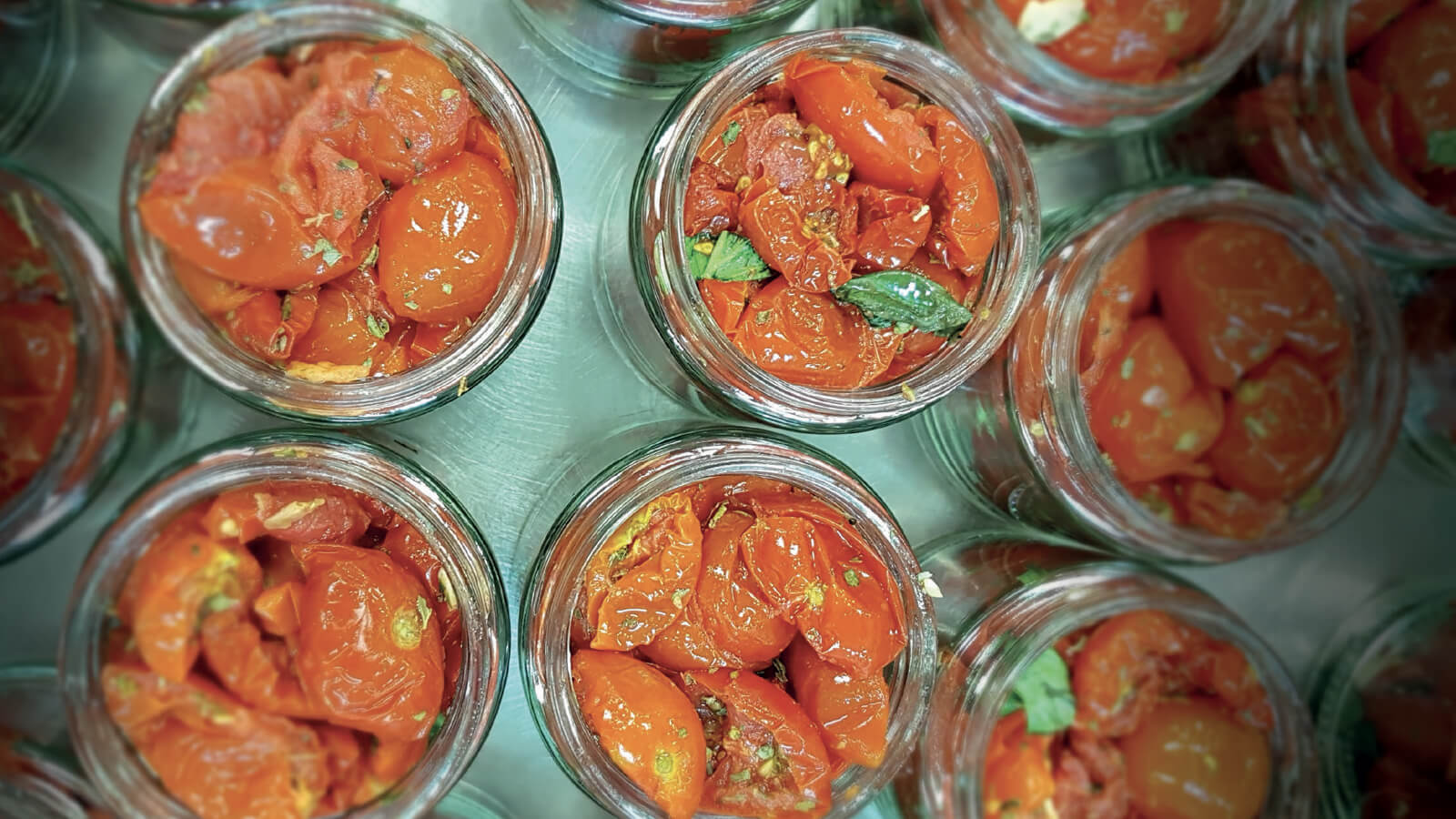
Tomatoes are one of the most versatile and beloved ingredients in the kitchen, but we often find ourselves with a surplus of tomatoes that we can't consume immediately. Preserving tomatoes is essential to enjoying them all year round, and semi-drying techniques have proven to be an excellent solution for obtaining flavorful, flavor-packed tomatoes that can be used in a variety of gourmet dishes. Benefits of preserving tomatoes Preserving tomatoes through semi-drying techniques offers numerous advantages. First, semi-dried tomatoes have a much more intense flavor than fresh tomatoes. Drying tomatoes allows the flavors to be concentrated, making semi-dried tomatoes a perfect ingredient for enriching sauces, pestos and pasta dishes. Furthermore, preserving tomatoes allows you to extend their shelf life, avoiding waste and allowing you to enjoy tomatoes even out of season. Semi-drying techniques for preserving tomatoes There are several techniques you can use for semi-drying tomatoes. One of the most common techniques is to cut tomatoes in half and remove the seeds, then place them on a rack and leave them to dry in the sun for a few days. Another technique is to cut the tomatoes into slices and place them in the oven at a low temperature for several hours. You can also use an electric dryer to speed up the drying process. Whichever technique you choose, it is important to check the tomatoes regularly during the drying process to prevent them from burning or becoming too dry. Tips for Successfully Canning Tomatoes Using Semi-Drying Techniques To get perfect semi-dried tomatoes, it is important to follow some tips. First, choose ripe, high-quality tomatoes. Tomatoes that are too unripe or of poor quality will not give a satisfactory result. Secondly, be sure to carefully remove all seeds and excess water from the tomatoes before starting the drying process. This will help prevent mold and bacteria from forming during storage. Additionally, it is important to store semi-dried tomatoes in airtight containers to avoid moisture and maintain the freshness of the tomatoes. Finally, be sure to label your containers with the can-by date to keep track of the shelf life of your tomatoes. Recipes and ideas for using semi-dried tomatoes Semi-dried tomatoes can be used in a variety of dishes to add a pop of flavor and sophistication. One of the most popular recipes is semi-dried tomato pesto, which can be used as a sauce for pasta or as a base for crostini and bruschetta. Semi-dried tomatoes can also be used to enrich salads, pizzas, risottos and sauces. Furthermore, they can be used as a condiment for meat, fish and cheese. The possibilities are endless and depend only on your creativity in the kitchen. Storage and shelf life of semi-dried tomatoes Semi-dried tomatoes can be stored for several months if stored properly. It's important to store them in a cool, dry, dark place, such as a pantry or closet. Additionally, it is crucial to keep tomatoes in airtight containers to prevent air or moisture from entering. When stored properly, semi-dried tomatoes can maintain their flavor and texture for an extended period of time, allowing you to enjoy the taste of tomatoes all year round. The art of presentation: using semi-dried tomatoes in gourmet dishes Semi-dried tomatoes are not only delicious, but they can also be used to create gourmet dishes that will wow your guests. You can use semi-dried tomatoes as a decorative element for salads, appetizers and main courses. Furthermore, you can use them to create original sauces and condiments that will give a touch of refinement to your dishes. Presentation of dishes is key to creating a complete dining experience, and semi-dried tomatoes can help you achieve this. The health benefits of semi-dried tomatoes In addition to their delicious flavor and versatility in cooking, semi-dried tomatoes also offer numerous health benefits. Tomatoes are rich in lycopene, a powerful antioxidant that may help reduce the risk of heart disease and some forms of cancer. Additionally, tomatoes are an excellent source of vitamin C, vitamin A, and potassium, which are essential nutrients for good health. By using semi-dried tomatoes in your recipes, you can enjoy all these health benefits in a tasty and creative way. The delicious and versatile world of semi-dried tomatoes Preserving tomatoes using semi-drying techniques is an art that allows you to enjoy the flavor and freshness of tomatoes all year round. Semi-dried tomatoes are a versatile ingredient that can enrich numerous dishes and add a touch of sophistication to your cooking. Additionally, semi-dried tomatoes offer numerous health benefits due to their nutrient-rich nature. Experiment with recipes and ideas with semi-dried tomatoes and discover the delicious and versatile world of this precious ingredient.
Dall-abbondanza-della-natura-alla-tua-cucina-Esplora-la-versatilità-del-miele-di-limone-biologico FRANTOI CUTRERA

From nature's abundance to your kitchen: Explore the versatility of organic lemon honey

on Dec 04 2023
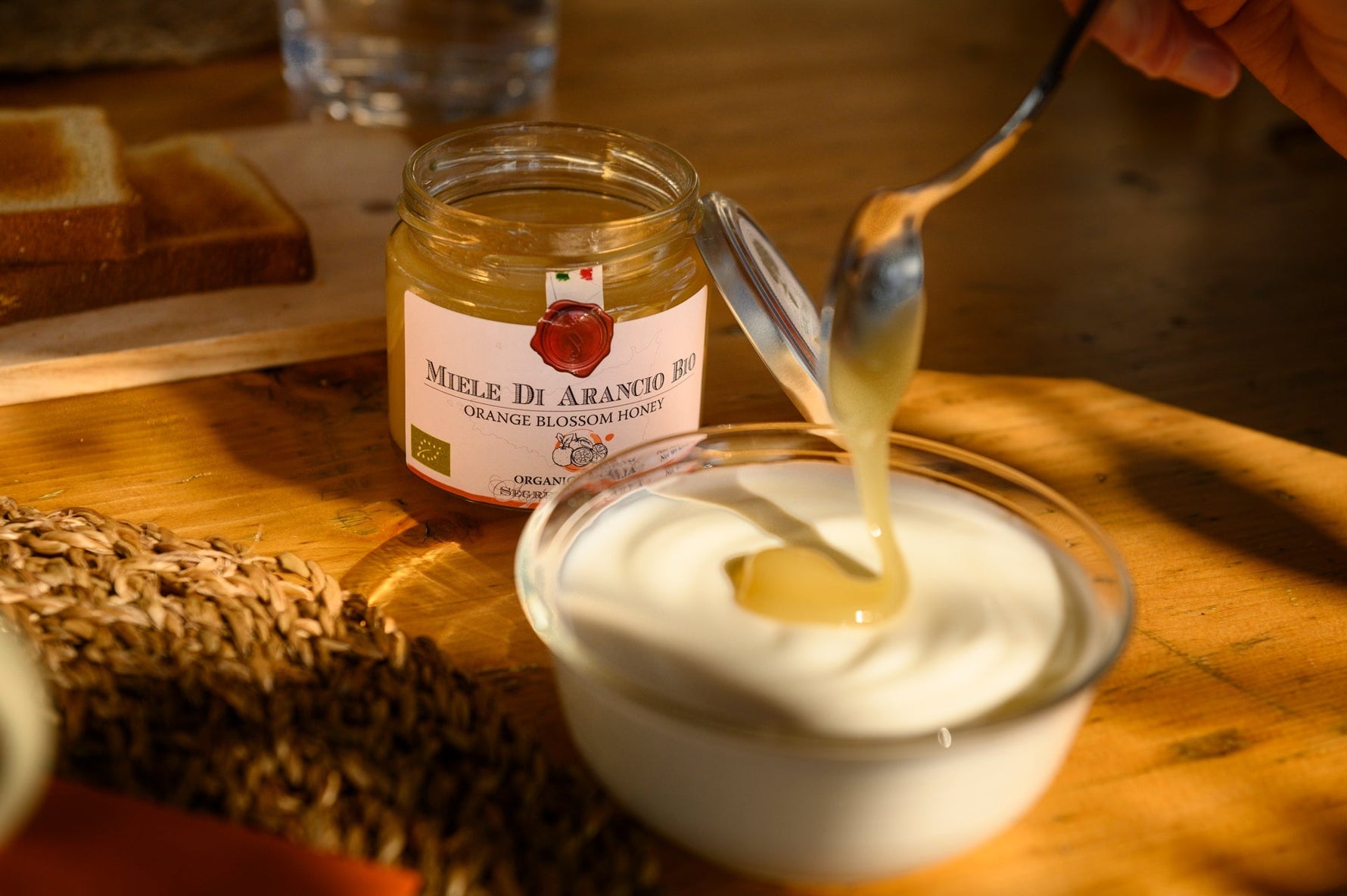
Organic lemon honey is a natural product that combines the beneficial properties of pure honey with the aroma and qualities of fresh lemon. This unique combination offers a wide range of health benefits and can be used in multiple ways in the kitchen. In the following article, we'll explore the benefits of organic lemon honey, discover different ways to use it in the kitchen, share some sweet and savory recipes, and talk about the health and skincare benefits. Furthermore, we will provide some DIY ideas that will allow you to take full advantage of the versatility of this incredible natural product. The benefits of organic lemon honey Organic lemon honey offers a wide range of health benefits. It is rich in antioxidants, vitamins and minerals that support the immune system, improve digestion and promote overall health. Lemon provides an extra dose of vitamin C, which is essential for the well-being of our body. Honey, on the other hand, has antibacterial and anti-inflammatory properties that can help fight colds and soothe a sore throat. Furthermore, organic lemon honey is an excellent natural remedy to soothe coughs and respiratory tract congestion. Simply mix a dollop of organic lemon honey in a cup of hot water or tea to make an effective natural syrup that can relieve cold and flu symptoms. Different ways of using organic lemon honey in cooking Organic lemon honey can be used in multiple ways in the kitchen, adding a touch of sweetness and freshness to your dishes. It is perfect for sweetening drinks such as tea, herbal teas and fruit juices. You can also use it to make sauces and marinades for meat, poultry and fish. Add a touch of organic lemon honey to salads, cereals and yogurt for a unique and delicious flavor. For a healthy and tasty breakfast, spread organic lemon honey on toast or use it as an ingredient to prepare delicious desserts such as cakes, biscuits and muffins. Its creamy texture and fresh aroma will make every bite a unique experience. Recipes with organic lemon honey - sweet and savory options Here are some recipes that will allow you to make the most of the versatility of organic lemon honey: Shrimp Salad with Lemon Honey Dressing: Mix fresh lemon juice, olive oil, organic lemon honey and minced garlic to create a light, flavorful dressing. Season some cooked mackerel or prawns and serve on a mixed salad for a fresh and delicious dish. Organic Lemon Honey Muffins: Prepare a classic muffin batter and add a generous dollop of organic lemon honey. Bake in the oven until the muffins are golden and fragrant. This variant will make your muffins irresistible. Hot Organic Lemon Honey Tea: Brew a cup of hot tea and add a dollop of organic lemon honey. Mix well and enjoy this warm and relaxing drink, perfect for cold winter days. The health benefits of organic lemon honey In addition to its general wellness benefits, organic lemon honey may offer several specific health benefits. Lemon is known for its detoxifying and purifying properties, which help eliminate toxins from the body and balance the pH. Honey, on the other hand, has antibacterial and anti-inflammatory properties that can help fight infections and soothe irritation. Furthermore, organic lemon honey is an excellent natural remedy for digestion. Lemon stimulates the production of bile, which helps break down fats and better assimilate nutrients. Honey, on the other hand, promotes the growth of beneficial bacteria in the intestine, improving intestinal flora and digestion. Organic lemon honey and skin care In addition to the health benefits, organic lemon honey can also be used for skin care. The antibacterial and anti-inflammatory properties of honey can help fight acne and reduce skin inflammation. Lemon, on the other hand, has whitening and astringent properties that can help reduce dark spots and tighten pores. For a natural skin treatment, mix a dollop of organic lemon honey with a teaspoon of virgin coconut oil. Apply to cleansed face and leave on for 15-20 minutes. Rinse with warm water and enjoy glowing, soft skin. DIY ideas with organic lemon honey In addition to recipes and skin care, organic lemon honey can be used in many other DIY ideas. Here are some simple ideas to make the most of the versatility of this incredible natural product: Lemon Honey Hair Mask: Mix a spoonful of organic lemon honey with a spoonful of olive oil and apply to the lengths of your hair. Leave it on for 30 minutes and then wash your hair as normal. Your hair will be nourished and shiny. Lemon Honey Body Scrub: Mix a dollop of organic lemon honey with two tablespoons of brown sugar and a tablespoon of coconut oil. Massage onto damp skin during the shower to exfoliate and hydrate the skin. Lemon Honey Face Mask: Mix a spoonful of organic lemon honey with a teaspoon of natural yogurt and a teaspoon of oatmeal. Apply to cleansed face and leave on for 15-20 minutes. Rinse with warm water for fresh, glowing skin. The versatility of Organic Lemon Honey Organic lemon honey is a versatile and healthy product that can be used in multiple ways in cooking and skin care. Its health-promoting properties, fresh aroma and unique flavor make it a valuable addition to your kitchen. Experiment with new sweet and savory recipes, enjoy the health benefits, and try some of the DIY ideas to take full advantage of the versatility of organic lemon honey. You can find top quality organic lemon honey in the Frantoi Cutrera online shop .
Dagli-agrumi-alla-marmellata-Scopri-la-storia-della-marmellata-di-arance FRANTOI CUTRERA

From citrus fruits to marmalade: Discover the history of orange marmalade

on Dec 04 2023
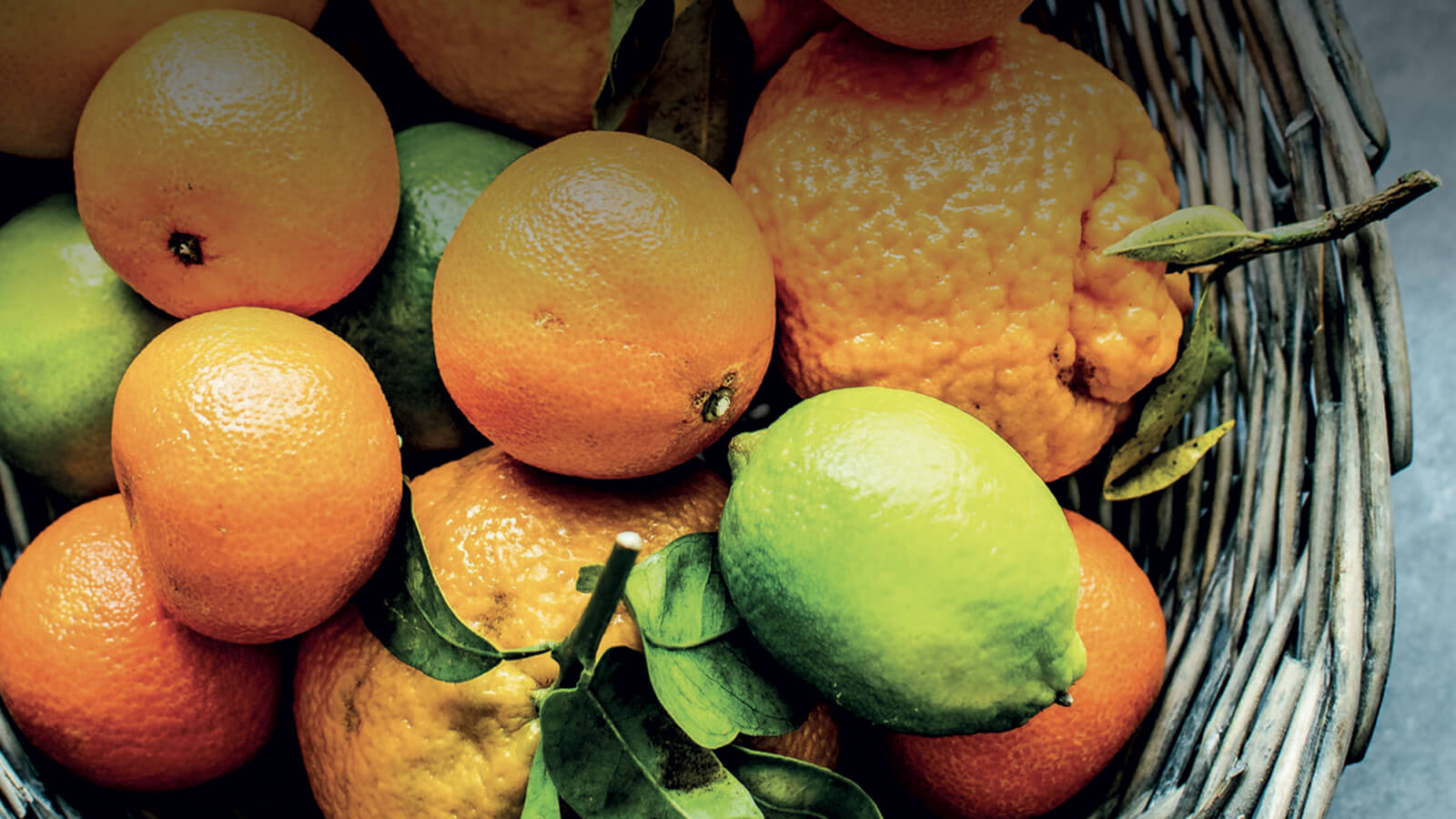
Orange marmalade is a culinary delight that has a long history. In this article, we will explore the origins of citrus fruits, the process of making orange marmalade, and its different variations and flavors. We'll also discuss the health benefits of orange marmalade, creative ways to use it in recipes, and popular dishes that include it. Finally, we'll talk about the perfect combinations for this jam and conclude by highlighting its enduring popularity. The history of orange marmalade Orange marmalade has a fascinating history that dates back many centuries. Oranges themselves have ancient origins, with the first traces of citrus fruits dating back to 2400 BC in China. It was the Chinese who first discovered citrus fruits, including oranges, and appreciated their unique flavor and versatility. Subsequently, citrus fruits were brought to Europe by Arab traders during the time of the Crusades. Orange marmalade became popular in Europe in the 18th century, when oranges from Spain and Portugal were considered a luxury. The first written documents mentioning orange marmalade date back to 1663, when a Dutch cookbook describes the production process. Since then, orange marmalade has become a popular culinary delicacy throughout the world. The origins of citrus fruits Citrus fruits are a family of fruits that include oranges, lemons, limes, mandarins and grapefruits. Originally from Asia, citrus fruits were brought to Europe by the Arabs during the period of the Crusades. They are fruits rich in vitamin C, antioxidants and fibre. Oranges, in particular, are a very versatile fruit and widely used in cuisine around the world. They are sweet, juicy and have a distinctive flavor that makes them perfect for jam making. The process of making orange marmalade Orange marmalade is made following a relatively simple process. The oranges are peeled and cut into thin slices, then cooked in a pot with sugar and water. During cooking, oranges release their juice and essential oils, creating an intense and aromatic flavor. The jam is then placed in jars and left to cool to solidify. Different variations and flavors of orange marmalade Orange marmalade offers a wide range of variations and flavors. In addition to traditional orange marmalade, there are variations with the addition of other ingredients such as ginger, cinnamon or chili pepper for a spicy touch. Some producers also use oranges of specific varieties, such as tarocco or blood oranges, to create jams with a unique flavor. Bitter orange marmalade is another popular variant, prized for its intense, slightly acidic taste. This jam is particularly used in British cuisine, where it is often accompanied by toast and butter. The health benefits of orange marmalade Orange marmalade also offers several health benefits. Oranges are rich in vitamin C, which helps support the immune system and promotes healthy skin. They also contain antioxidants that fight free radicals in the body, reducing inflammation and the risk of chronic disease. Additionally, oranges are a good source of fiber, which aids digestion and helps maintain a healthy weight. Orange marmalade, when consumed in moderation, can be a tasty addition to a balanced diet. Creative ways to use orange marmalade in recipes Orange marmalade isn't just delicious spread on a slice of toast. It can be used creatively in many recipes, adding a touch of sweetness and a unique citrus flavor. One of the simplest ideas is to use it as a filling for cakes and desserts. Orange marmalade can be spread between the layers of a cake or used to fill biscuits. It can also be added to creams and mousses for a touch of freshness. Beyond desserts, orange marmalade can also be used in savory recipes. It can be used as a glaze for roast meats or as a salad dressing. It adds a fruity, slightly sweet flavor that goes well with many dishes. Paired with orange marmalade Orange marmalade pairs well with many other ingredients, creating delicious flavor combinations. It can be spread on creamy cheeses such as brie or camembert, creating a contrast between the sweetness of the jam and the creaminess of the cheese. It can also be paired with fresh fruit, such as strawberries or bananas, in a fruit salad. This combination of sweet and tangy flavors is perfect for a breakfast or light dessert. The enduring popularity of orange marmalade Orange marmalade is a culinary delicacy with a rich history and delicious flavor. Its ancient origins, simple manufacturing process, and numerous variations and flavors available have contributed to its enduring popularity. In addition to being tasty, orange marmalade also offers health benefits thanks to the properties of citrus fruits. Experimenting with creative ways to use it in recipes and discovering interesting flavor combinations is part of the fun of this culinary delight. You can find orange marmalade in the classic version or Tarocco Oranges in the Frantoi Cutrera shop.
L-arte-della-bruschetta-un-viaggio-culinario-tra-storia-e-sapori FRANTOI CUTRERA

The art of bruschetta: a culinary journey through history and flavors

on Dec 04 2023
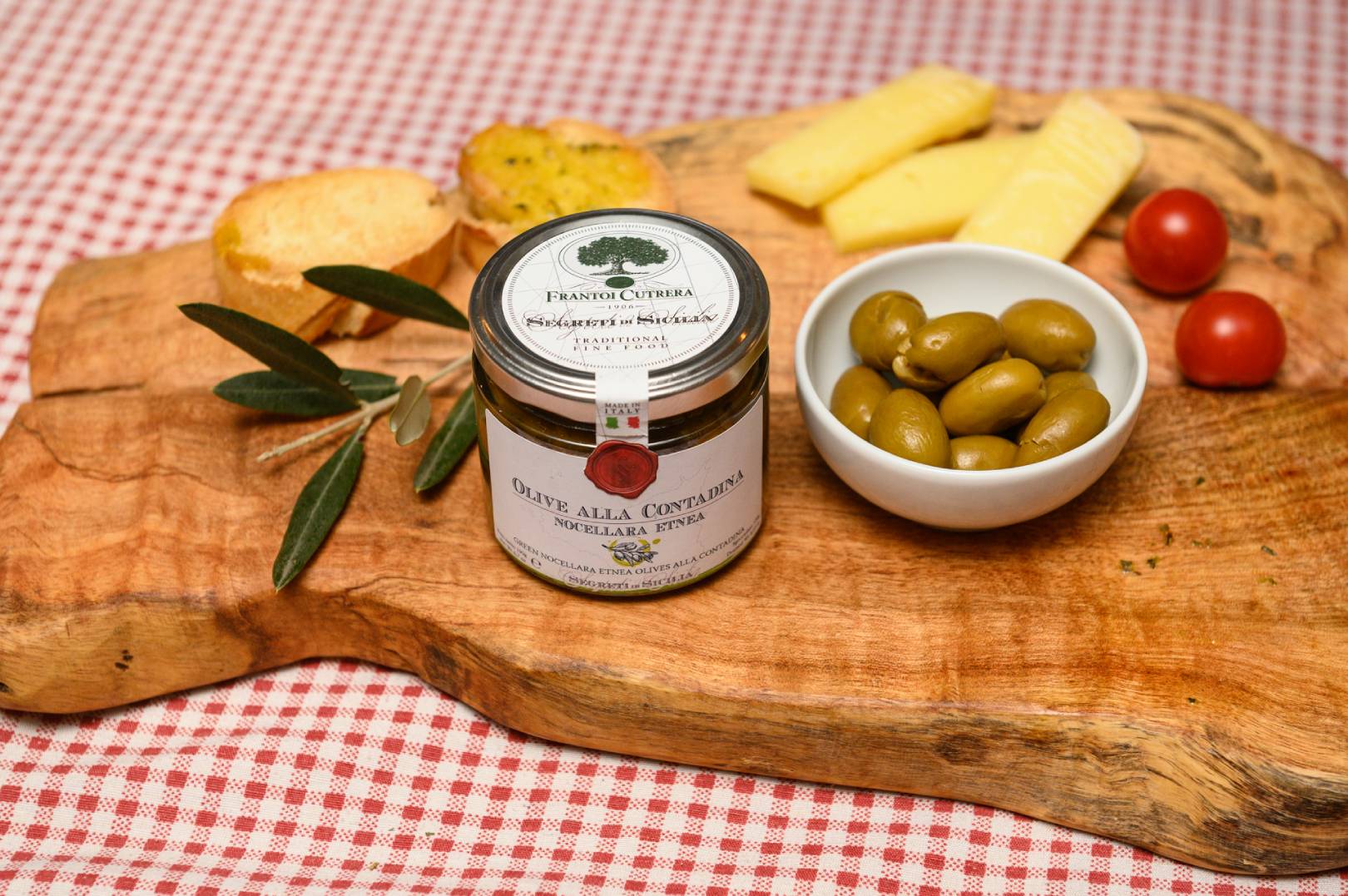
Bruschetta is a traditional Italian dish with ancient roots and a flavor that enchants palates around the world. In this article, we will explore the origins of bruschetta, its different variations, traditional toppings, modern modifications, the perfect bread for bruschetta, how to make it at home, how to pair it with other dishes, and its impact on popular culture. You will discover that bruschetta is much more than a simple appetizer - it is a culinary experience that combines history and flavors in a unique way. The origins of bruschetta Bruschetta has ancient origins, dating back to the times of the Etruscans and Romans. Originally, bruschetta was simply toasted bread rubbed with garlic and drizzled with olive oil. This method of toasting bread was used to preserve it longer and make it more digestible. Over the centuries, bruschetta has become a popular dish throughout Italy, with each region developing its own variations and toppings. The different variations of bruschetta Today, bruschetta is prepared in many different variations, depending on regional and personal preferences. One of the most common variations is tomato bruschetta, in which toasted bread is topped with fresh tomatoes, basil, garlic and olive oil. Other variations include bruschetta with mushrooms, with cheeses such as pecorino or gorgonzola, with raw ham or with grilled vegetables. Each variation offers a unique combination of flavors and textures, making bruschetta a dish suitable for every palate. Traditional condiments for bruschetta Traditional bruschetta toppings include simple but tasty ingredients that enhance the flavor of the toasted bread. In addition to garlic and olive oil, fresh tomatoes are a key element in traditional bruschetta. Their sweetness and acidity go perfectly with crunchy bread. Other traditional seasonings include fresh basil, salt and pepper, which add additional depth of flavor. The choice of condiments depends on personal taste and the region of origin. The perfect bread for bruschetta Choosing the right bread is essential for a perfect bruschetta. The traditional bread used for bruschetta is Tuscan bread, with its dense texture and crunchy crust. However, you can also use ciabatta bread, baguette or wholemeal bread depending on your personal preference. The important thing is that the bread is thick enough to handle the toppings without becoming too soft. Before toasting the bread, you can rub it with garlic to add extra flavor. How to prepare homemade bruschetta Preparing homemade bruschetta is simple and rewarding. Start by cutting the bread into thick slices and toast them lightly in the oven or on a grill. While the bread cools slightly, rub it with garlic for extra flavor. Drizzle the bread with olive oil and add your favorite toppings, such as fresh tomatoes, basil, cheese or grilled vegetables. Make sure to distribute the toppings evenly on each slice of bread. Homemade bruschetta is perfect to serve as a starter or light main course. Pair bruschetta with other dishes Bruschetta is a versatile dish that can be paired with many other dishes to create a complete meal. It can be served as an appetizer in an Italian meal, accompanied by a mixed salad or light soups. Bruschetta can also be a delicious side dish for meat or fish dishes, adding a touch of freshness and crunchiness. You can experiment with different combinations of bruschetta and main dishes to create a balanced and tasty dining experience. Bruschetta in popular culture Bruschetta has become an icon of Italian cuisine and has had a significant impact on popular culture. It is often featured on Italian restaurant menus around the world and is a dish loved by many famous chefs. Bruschetta has also appeared in films and television series, further cementing its position as a classic of Italian cuisine. Its simplicity and versatility make it a dish loved by everyone, both on formal and informal occasions. The timeless appeal of bruschetta Bruschetta is a dish that has stood the test of time thanks to its combination of history and delicious flavors. Its ancient origins, different regional variations and traditional seasonings make it a dish rich in history and culture. At the same time, modern modifications and pairing with other dishes make it a contemporary and versatile option. Preparing homemade bruschetta is a rewarding experience that allows you to explore new flavors and create unique dishes. Whether you are a cooking enthusiast or simply a lover of good food, bruschetta is a culinary experience not to be missed.
Le-alici-del-Cantabrico-e-il-finocchietto-siciliano FRANTOI CUTRERA

Cantabrian anchovies and Sicilian fennel

on Dec 04 2023
For our Segreti di Sicilia anchovy sauce with fennel we choose Mediterranean anchovies, a typical blue fish widely used in traditional Sicilian recipes. Anchovies are rich in Omega3 (up to 11 grams per 100 of product). These fats play a very important role against the accumulation of cholesterol in the blood and therefore in the prevention of arterial hypertension and cardiovascular diseases. Wild fennel, an aromatic herb that grows spontaneously in many areas of Sicily, in addition to being very fragrant, has precious carminative (i.e., absorbs and eliminates gas from the intestine), antioxidant and anti-inflammatory properties.
La-ricetta-originale-della-Caponata-di-Melanzane FRANTOI CUTRERA

Slice of Swordfish grilled with Caponata Eggplant Secrets of Sicily

on Nov 03 2023
Our recipe for aubergine caponata strictly follows tradition but the processing and cooking methods have been innovated to allow greater respect for the raw material and its organoleptic qualities. This recipe, typical of the eastern part of Sicily (each area has its own variations) involves frying the aubergines, strictly in extra virgin olive oil, and the addition, as a condiment, of tomato sauce, carrots, green olives, capers , celery, onion, cane sugar, vinegar, Frantoi Cutrera extra virgin olive oil, salt, basil and oregano.
I-Paccheri-alla-Norma-Segreti-di-Sicilia FRANTOI CUTRERA

Paccheri alla Norma - Secrets of Sicily

on Nov 03 2023
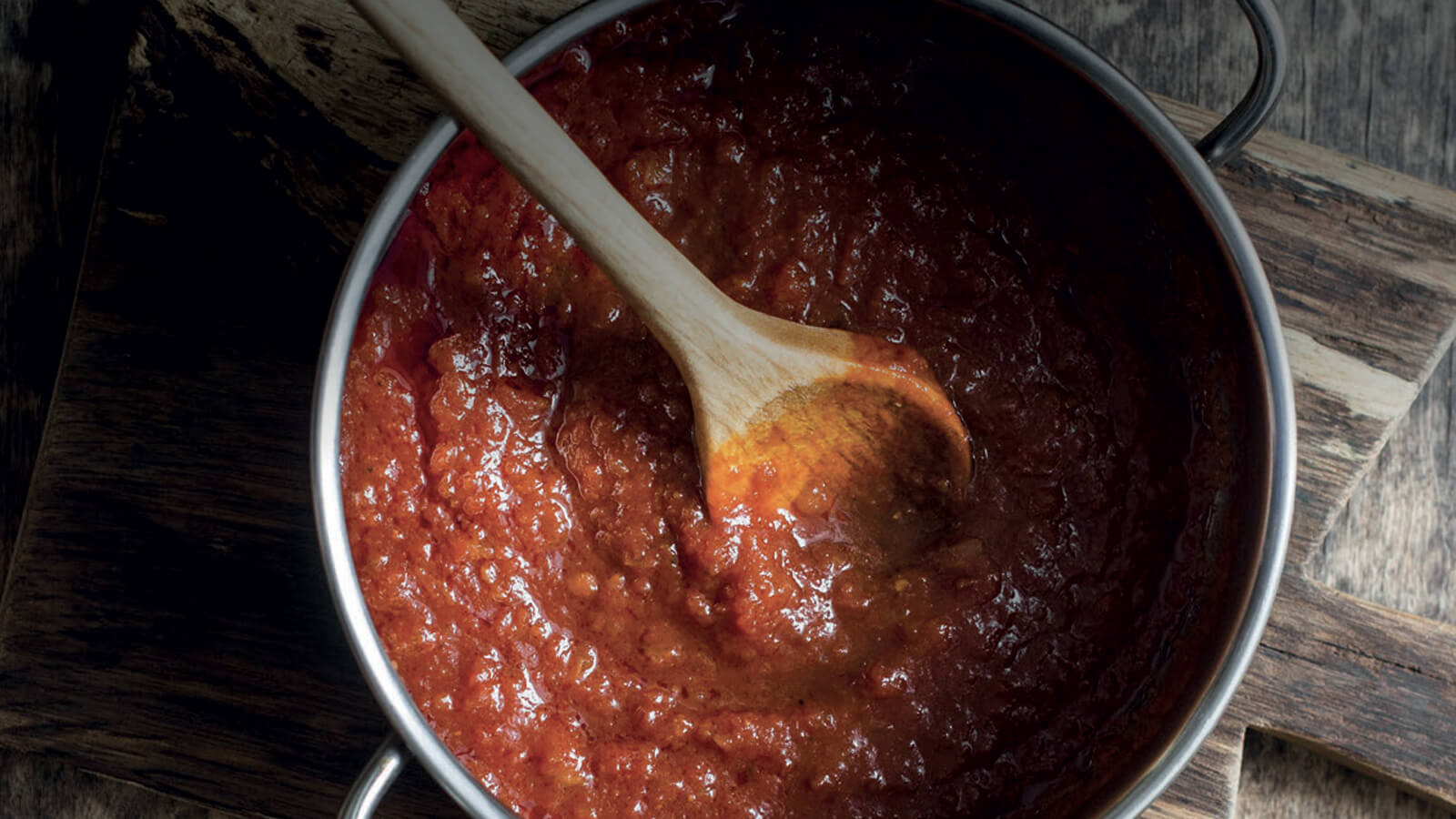
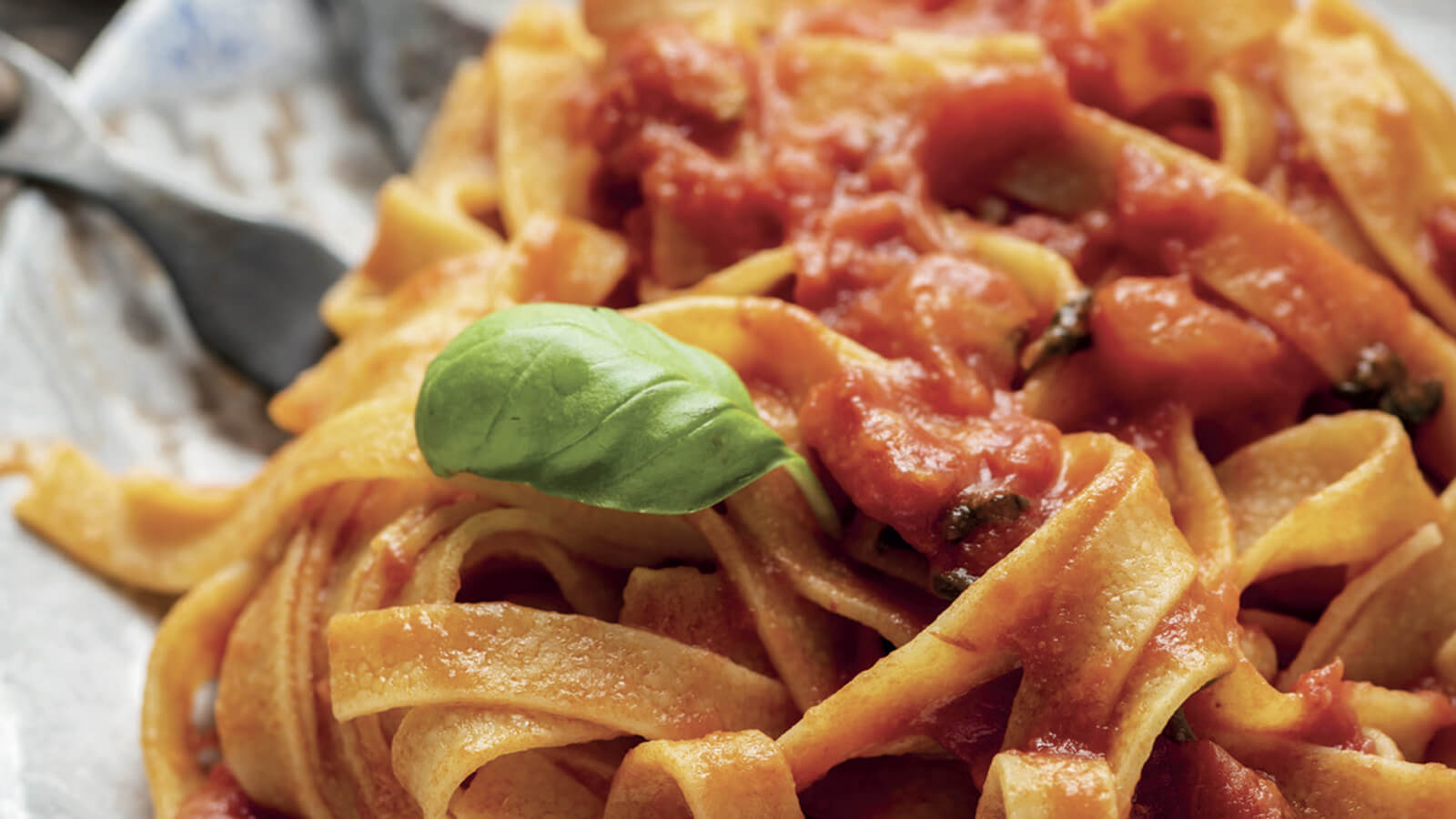
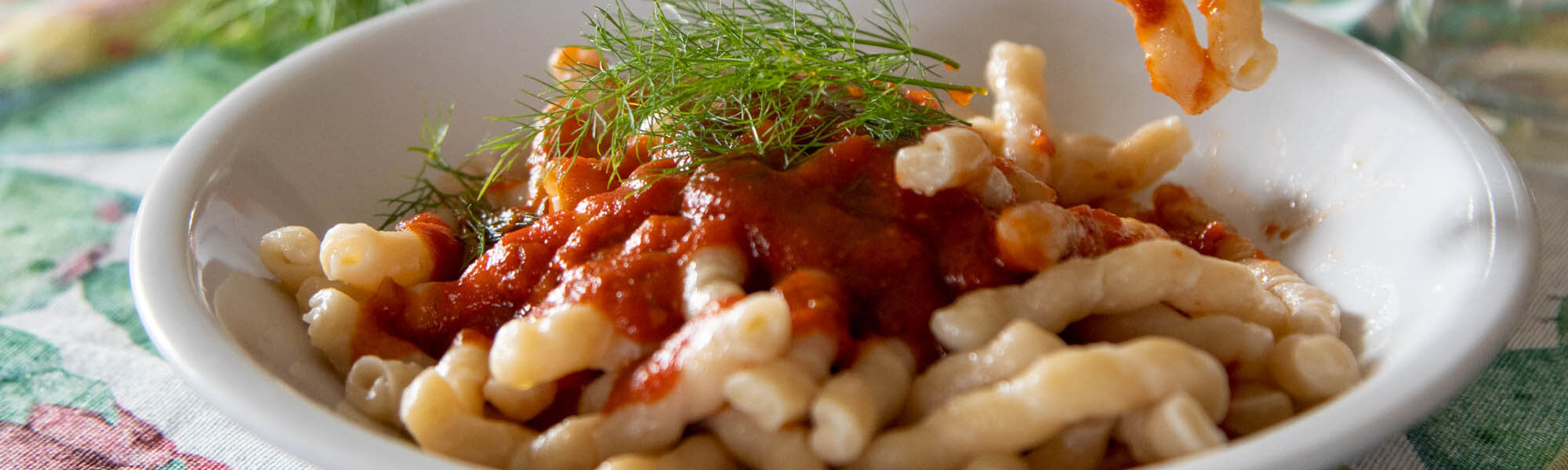
From Sicily to the plate: The history of Pasta alla Norma and its authentic roots Pasta is one of the most loved dishes in the world, and in Italy it has a long and rich culinary history. One of the most famous and loved preparations is Pasta alla Norma, a dish that has its roots in Sicily. In this article we will explore the history of Pasta alla Norma, its traditional ingredients and cooking techniques, variations and common false beliefs about this dish. Plus, we'll discover the cultural significance that Pasta alla Norma has for Sicily and why it pairs so well with rigatoni. Before we dive into the history and nuances of this delicious dish, it's important to understand its origins. The origins of pasta alla Norma The recipe is typical of the city of Catania but the origin is not certain. There are two most accredited versions. The first traces the name of the recipe to the work of the same name by Vincenzo Bellini, the famous composer from Catania: the recipe was apparently developed by a Sicilian chef on the occasion of the celebrations for Norma (1831), the composer's opera. The second version instead traces the origin to an exclamation of the Sicilian playwright Nino Martolgio: in front of a dish seasoned with tomato sauce and fried aubergines he seems to have exclaimed "This pasta is a norm" to indicate that it was prepared according to the rules art or, perhaps, referring to the beauty and perfection of Bellini's work of the same name. The original Pasta alla Norma recipe involved the use of simple but high quality ingredients. The sauce was made with ripe tomatoes, fried aubergines, fresh basil and ricotta salata. These ingredients together created a perfect balance of flavors, with the ricotta salata adding a touch of salty, creamy flavor to the sauce. The pasta of choice for Pasta alla Norma was short pasta, like rigatoni, which managed to capture the sauce and seasoning in every bite. Traditional ingredients and cooking techniques Pasta alla Norma is a simple dish but one that requires attention to detail to obtain maximum flavour. The traditional ingredients of Pasta alla Norma include ripe tomatoes, aubergines, fresh basil, ricotta salata and extra virgin olive oil. The sauce is prepared by cooking the ripe tomatoes with a little extra virgin olive oil and adding the fried aubergines. Fresh basil is then added to flavor the sauce and give it a fresh and fragrant flavour. Finally, ricotta salata is sprinkled over the pasta before serving, to add the final touch of flavor. The cooking techniques for Pasta alla Norma are relatively simple, but require some attention. The aubergines are cut into slices and fried in olive oil until soft and lightly browned. The tomatoes are then peeled and cooked with olive oil until a thick and tasty sauce forms. Finally, the pasta is cooked al dente and tossed with the tomato and aubergine sauce, before being garnished with fresh basil and savory ricotta. Variations and adaptations of Pasta alla Norma Like many traditional dishes, Pasta alla Norma has undergone several variations and adaptations over the years. Some variations include adding ingredients such as capers, black olives or chili peppers to add a touch of extra flavor. However, despite being different, these variations still maintain the essence and authentic flavor of Pasta alla Norma. Additionally, many Sicilian families have their own Pasta alla Norma recipes passed down from generation to generation. These grandmother's recipes often include little secrets and tricks to make the dish even tastier and more authentic. For example, some recipes may suggest lightly cooking the aubergines before frying them, to make them softer and creamier. These grandmother's recipes are a culinary treasure that preserves the authenticity and tradition of Pasta alla Norma. The most common misunderstandings about Pasta alla Norma Despite the popularity of Pasta alla Norma, there are some common misconceptions surrounding this dish. One of the most widespread misconceptions is that Pasta alla Norma must necessarily contain salted ricotta. While ricotta salata is a traditional ingredient, there are many variations of Pasta alla Norma that do not include it. Some people prefer to use grated pecorino instead of salted ricotta for a slightly different flavor. It is important to remember that the original Pasta alla Norma recipe does not necessarily require salted ricotta, but is a personal choice. The cultural significance of Pasta alla Norma in Sicily Pasta alla Norma is much more than a simple pasta dish for Sicilians. This dish represents the soul and culinary tradition of Sicily. It is a symbol of pride for the region and is often served during special occasions and celebrations. Pasta alla Norma is a way to honor and preserve the culture and history of Sicily through food. Why Pasta alla Norma pairs so well with paccheri One of the most common questions about Pasta alla Norma is why it pairs so well with paccheri. The answer lies in the characteristics of the paccheri themselves. Paccheri are a type of pasta that retains the sauce and seasoning. These characteristics make them perfect for Pasta alla Norma, as they capture every drop of sauce and every piece of aubergine, creating an explosion of flavors in every forkful. Paccheri and Norma sauce: a special combination Pasta alla Norma is a dish rich in history, tradition and flavour. Its roots in Sicily and its history linked to Bellini's work make this dish unique and special. With simple but high quality ingredients and careful cooking techniques, Pasta alla Norma represents the culinary excellence of Sicily. Whether you choose to prepare the original recipe from Catania or follow your grandmother's recipe, Pasta alla Norma is a dish that conquers the palate and the heart. Try preparing it with rigatoni, and you will discover why this combination is a real riot of flavours. Enjoy your meal! Ah, if you haven't tried Pasta alla Norma yet, I invite you to prepare it using Frantoi Cutrera and Segreti di Sicilia products. You will discover a world of authentic flavors that will make you fall in love with Sicilian cuisine!
Qual-è-l-origine-del-panettone FRANTOI CUTRERA

What is the origin of panettone?

on Oct 17 2023
According to legend, the Christmas dessert was born in Milan at the end of the 15th century. On Christmas Eve, the Sforza cook accidentally burned the dessert he had prepared for dinner. The servant, a certain Toni, took his loaf of yeast, mixed it with flour, eggs, sugar, raisins and candied fruit and after a long leavening, put it in the oven. The “pan di Toni” was a great success.

Showing 57/57