Introduction to Sicilian Pasta alla Marinara
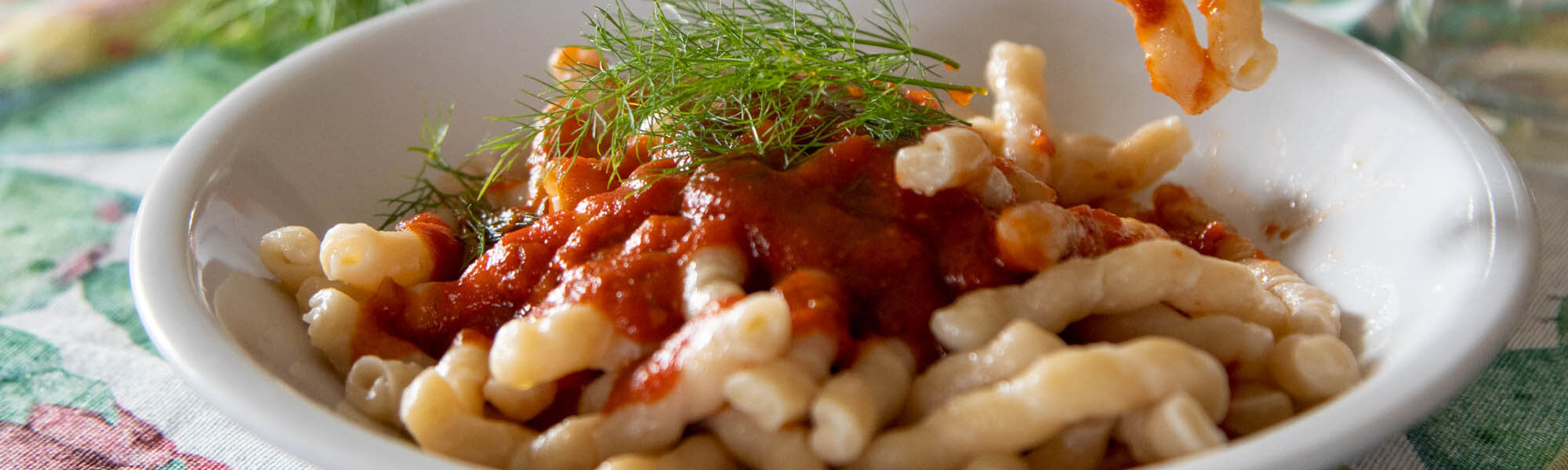
In the heart of Sicily, where culinary traditions intertwine with the island's millennial history, lies an emblematic dish: Sicilian pasta alla marinara. This dish, rich in flavor and authenticity, is prepared with simple ingredients yet boasts an unmistakable taste.
Tradition at the Roots of a Unique Dish
Sicilian pasta alla marinara has deep roots that date back centuries. Passing down the recipe from generation to generation has been an act of love for one's land and origins. What makes this dish so special is the attention to detail and the care with which each ingredient is selected and prepared.
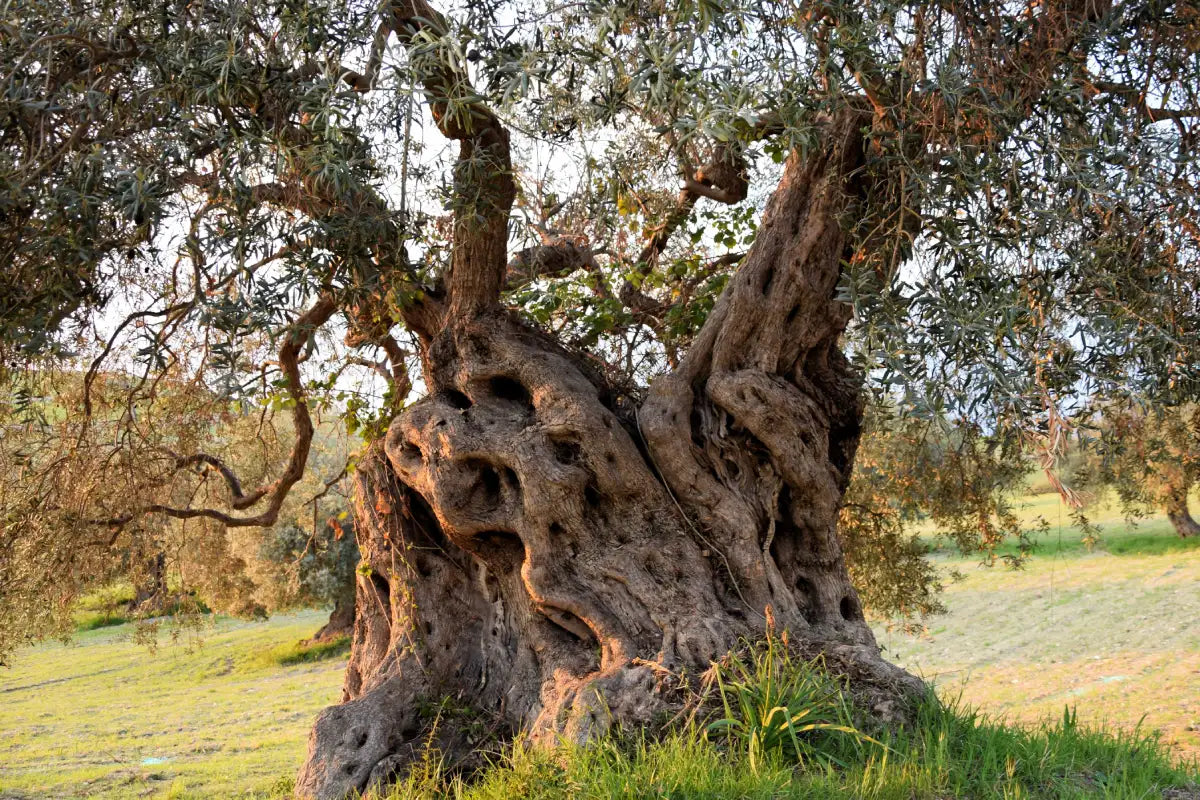
Sicilian cuisine relies on a few quality ingredients, starting with extra virgin olive oil. To learn more: complete guide to olive oil.
The Ingredients That Make the Difference
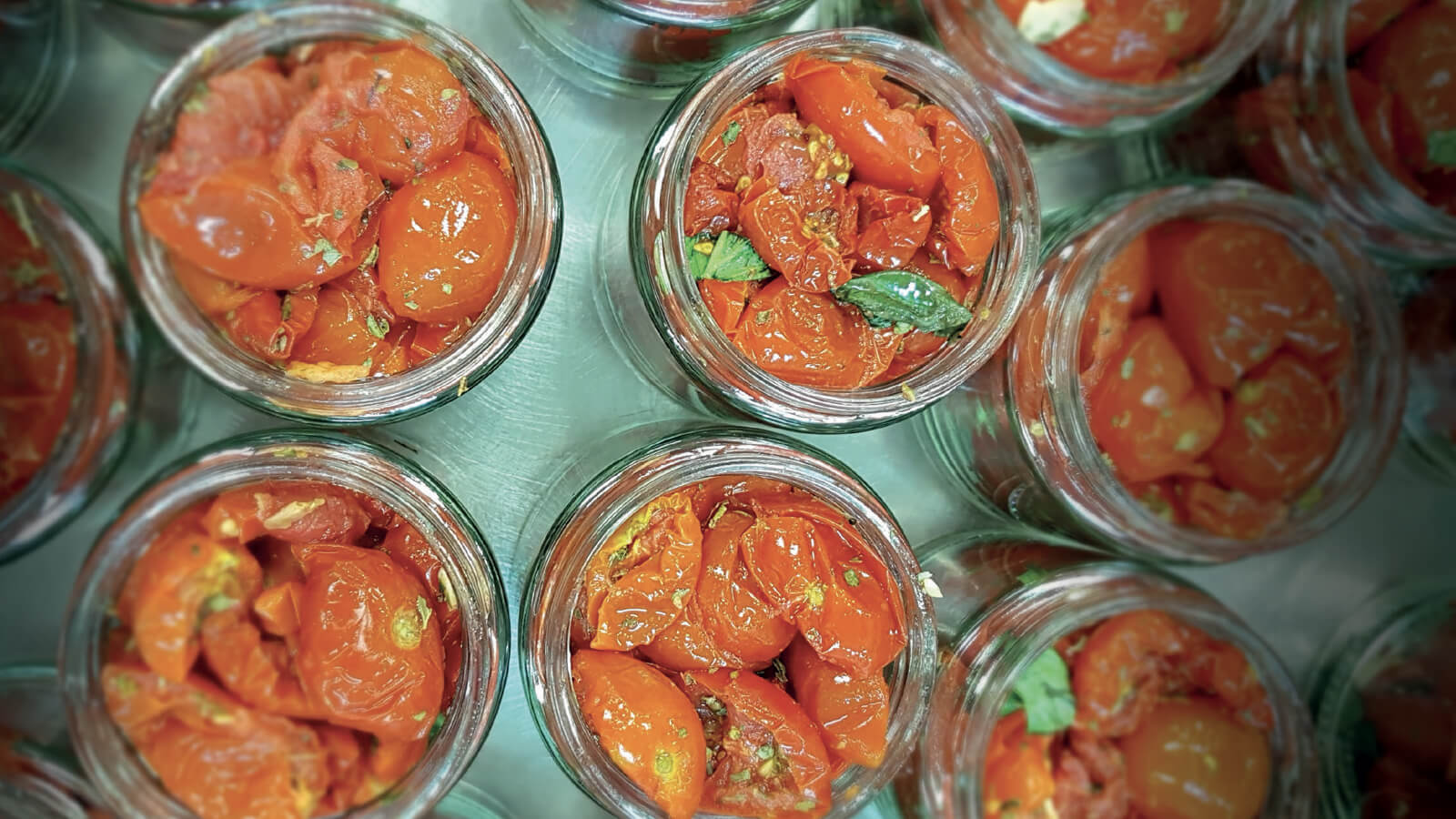
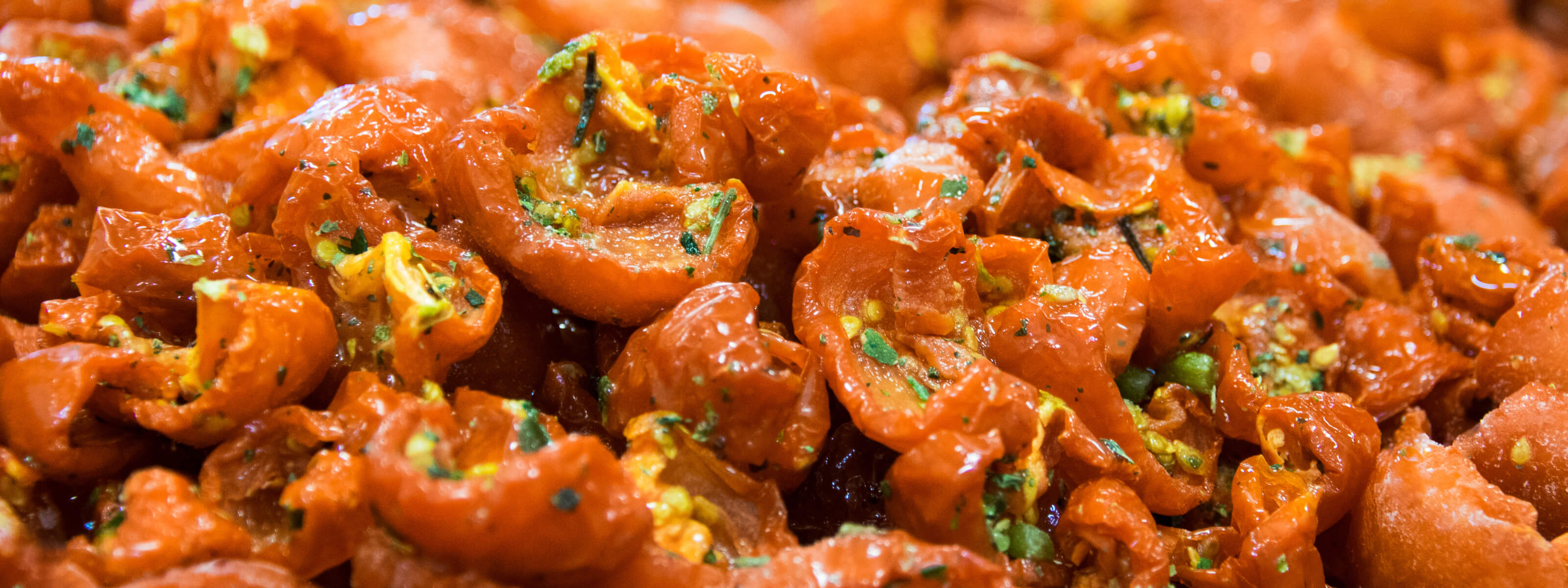
In the recipe for Sicilian pasta alla marinara, we find ripe, juicy tomatoes grown under the island's warm sun, which give the sauce a sweet and intense flavor. The addition of fresh parsley and basil provides a unique aroma to each dish, while garlic and onions add a touch of character.
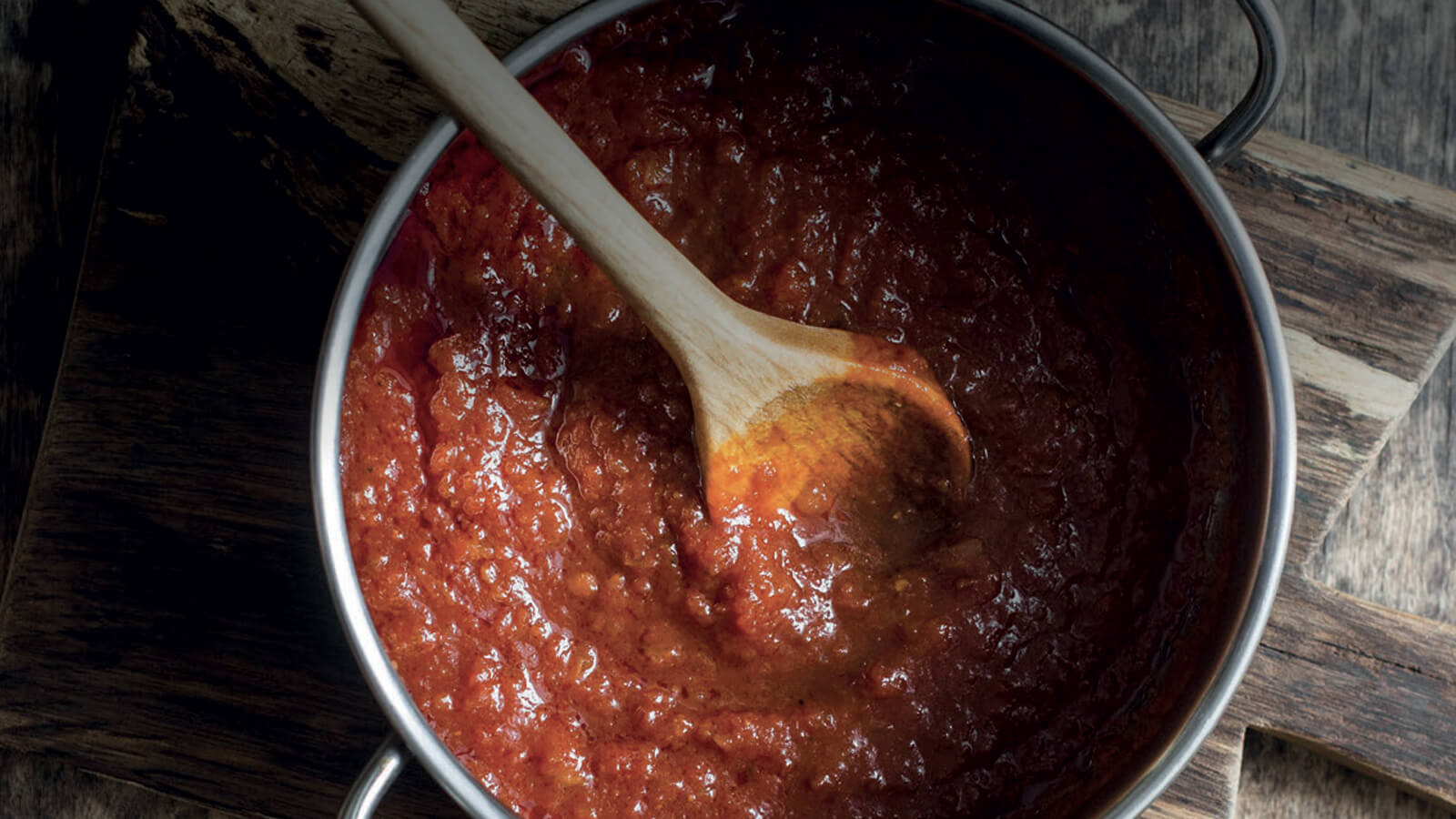
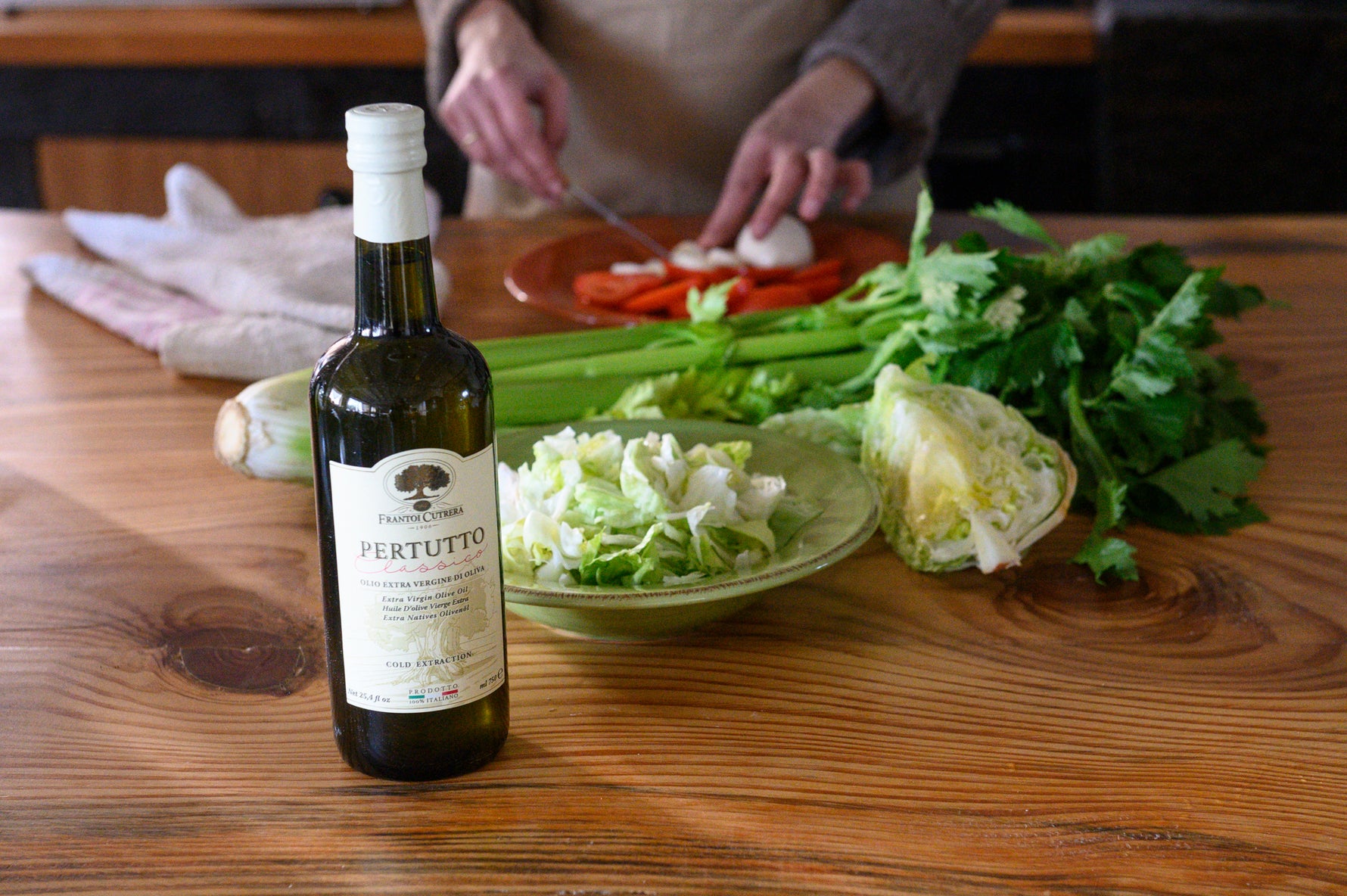
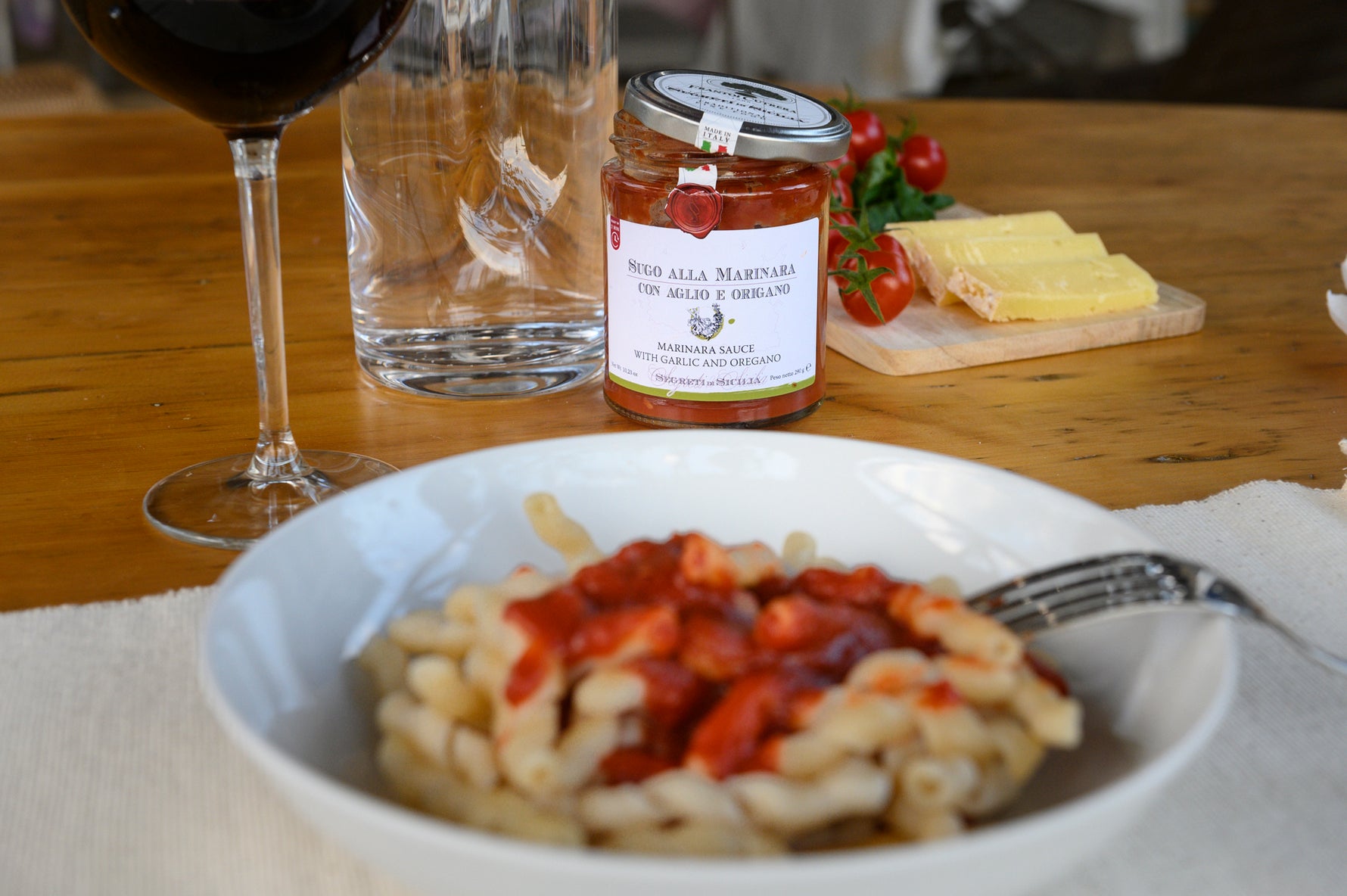
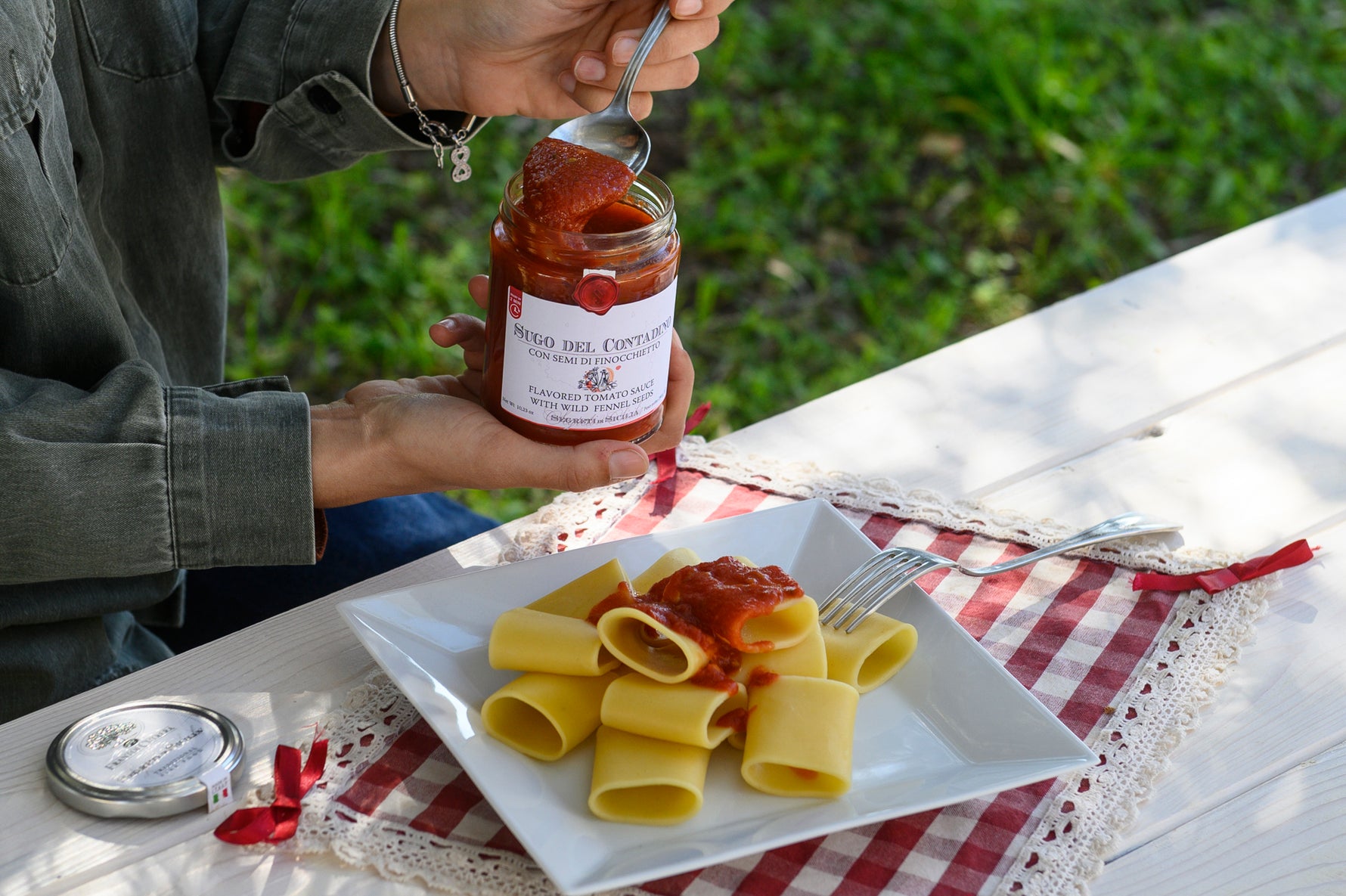
A good marinara sauce depends on the quality of the oil: use a medium fruity Sicilian extra virgin olive oil so as not to overpower the tomato. Pertutto Cutrera is the ideal daily blend for sauces. Alternatively, the ready-made product: Marinara Sauce Segreti di Sicilia.
The Secret to Perfect Cooking
Sicilian pasta alla marinara requires careful and patient cooking. Cooking the pasta just right and slowly blending it with the sauce allows the flavors to meld and create a gastronomic harmony that captivates the palate of anyone who tastes it.
A Journey Through the Flavors of the Island
Savoring Sicilian pasta alla marinara means immersing oneself in a sensory journey through the aromas and flavors of the island. Each bite tells a story of tradition, passion, and love for Sicilian cuisine.
The Origins of Sicilian Pasta alla Marinara
We delve into the past, among the narrow stone streets of an ancient Sicilian village, where cooking is a ritual passed down from generation to generation. The origins of Sicilian pasta alla marinara date back to ancient times, when sailors returned to port and, with few ingredients at hand, prepared a dish that would conquer palates worldwide.
To discover all the traditional Sicilian recipes with their sauces, read our article on Sicilian sauces: traditional recipes.
Meeting of Lands and Seas
The rich waters of the Strait of Sicily offer seafood delicacies, and the fertile fields of the island provide juicy and aromatic tomatoes. This is how the excellences of the sea and the land meet to create a unique combination: pasta alla marinara.
A Simple Recipe, a Great Flavor
Simplicity is the key to this dish: garlic browned in extra virgin olive oil, anchovies, and fresh cherry tomatoes that slowly break down, releasing their intense aromas. A sprinkle of chili pepper gives the vibrant touch typical of Sicilian tradition.
A Heritage to Preserve
Today, more than ever, it is important to preserve the roots and culinary traditions that make Sicilian pasta alla marinara unique. Each bite is a journey into the authentic flavors of an island rich in history and passion for good food.
In this scenario of colors, aromas, and flavors lies the secret of a dish that goes far beyond culinary art: it is the very soul of a generous land, which gives the world a piece of itself through the simplicity and excellence of pasta alla marinara.
The Main Ingredients of Sicilian Pasta alla Marinara
Let's start by talking about the ingredients that make up the delicious Sicilian pasta alla marinara. When preparing this traditional dish, we must ensure we have certain fundamental elements. So, what do we need to create this tasty recipe?
Ripe tomatoes: Tomatoes are the base of this marinara sauce. Choose ripe and juicy ones for the best flavor.
Fresh garlic and parsley: Garlic adds that aromatic touch, while fresh parsley brings freshness and color to the sauce.
Extra virgin olive oil: Olive oil is essential for creating the base of the sauce. Make sure to use high-quality oil for an authentic taste.
Anchovies and capers: Anchovies and capers give the sauce that unique, slightly salty flavor typical of Sicilian cuisine.
Chili pepper: If you like a touch of spice, chili pepper will add that kick of vibrancy to your pasta alla marinara.
Salt and pepper: Be sure to season well with salt and pepper to balance all the flavors of the ingredients.
Now that we know the main ingredients of this Sicilian delicacy, we can proceed with the preparation of pasta alla marinara to delight the palate with a dish rich in Mediterranean flavors. Enjoy your meal!
Regional Variations of the Recipe
In the various regions of Sicily, pasta alla marinara may differ slightly depending on local traditions and the preferences of the cooks.
Agrigento:
In this region, pasta alla marinara is often enriched with anchovies and capers, which give the sauce a salty and spicy flavor.
Trapani:
In Trapani, fresh sardines are preferred for preparing the sauce, also adding pine nuts and raisins for a unique sweet and sour touch.
Catania:
Here, the version of pasta alla marinara may include ingredients like fried eggplant or chili pepper for a bolder and spicier flavor.
Palermo:
In Palermo, pasta alla marinara can be served with the addition of toasted breadcrumbs, which give the preparation a crunchy texture.
In all these regional variations, there is one constant: the use of ripe and fresh tomatoes as the base for the sauce, which gives Sicilian pasta alla marinara its characteristic intense red color and the authentic taste of the island's culinary tradition.
The Role of Sicilian Pasta alla Marinara in Traditional Cuisine
We Sicilians consider pasta alla marinara not just a delicious dish, but also a symbol of our culinary identity. The traditional recipe, handed down from generation to generation, reveals the love and passion we put into preparing this dish.
Sicilian pasta alla marinara is a simple dish yet rich in authentic flavors. Basic ingredients like fresh tomatoes, garlic, parsley, and extra virgin olive oil combine perfectly to create a sauce that enchants the palate.
This dish has ancient roots in Sicilian culture and represents the perfect combination of culinary influences that have shaped our gastronomic tradition over the centuries.
Sicilian pasta alla marinara also plays an important social role at our tables. It is a dish that brings families and friends together, creating moments of conviviality and sharing around the table.
Its versatility makes it suitable for different occasions, from informal family dinners to more important celebrations. It is a dish that can adapt to any situation, always bringing with it that authentic taste that distinguishes it.
In conclusion, Sicilian pasta alla marinara represents much more than a simple traditional dish. It is a symbol of identity, history, and conviviality that we have the honor of preserving and passing on.
The Cultural Significance of Sicilian Pasta alla Marinara
When we savor a plate of Sicilian pasta alla marinara, we are not just enjoying a delicious meal; we are also immersing ourselves in centuries of culinary history and deeply rooted traditions. Sicilian pasta alla marinara reflects the very essence of Italian cuisine, with its unique simplicity and the art of using high-quality ingredients to create an unforgettable culinary experience.
A Blend of Mediterranean Flavors
The combination of fresh tomatoes, garlic, olive oil, and oregano leads to the creation of a sauce that embodies the fresh and vibrant taste of the Mediterranean.
The Sicilian sea, with its abundance of seafood and fish, has inspired the tradition of enriching pasta alla marinara with ingredients such as mussels, clams, and shrimp, giving the dish a unique and rich flavor.
Tradition Handed Down from Generation to Generation
Sicilian families pass down pasta alla marinara recipes from generation to generation, preserving the culinary secrets and techniques that make this dish so special.
Each family kitchen has its own interpretation of pasta alla marinara, creating a variety of flavors and aromas that pay homage to the island's culinary diversity.
A Symbol of Conviviality and Sharing
Sicilian pasta alla marinara goes far beyond the mere act of eating; it is a moment of conviviality and sharing, where friends and family gather around a table to enjoy a tasty and nourishing meal together.
The traditions associated with pasta alla marinara celebrate the importance of family ties and generosity, conveying a message of love and welcome through food.
Ultimately, Sicilian pasta alla marinara is not just a dish to be savored, but a symbol of the island's cultural and culinary richness, which continues to delight and unite people through the centuries.
The Authentic Preparation of Sicilian Pasta alla Marinara
We Sicilian cuisine lovers know that preparing pasta alla marinara is a true ritual that requires care and passion. Here's how to achieve an authentic and delicious Sicilian pasta alla marinara dish:
Choosing the right ingredients: For a true Sicilian pasta alla marinara, you need to use ripe and fleshy tomatoes, preferably hand-peeled tomatoes or high-quality tomato passata. Fresh garlic, extra virgin olive oil, black olives, capers, and oregano are essential ingredients to enrich the sauce.
Preparing the sauce: In a large pan, sauté garlic in extra virgin olive oil. Add the peeled tomatoes and cook over low heat until a thick and flavorful sauce is obtained. Add pitted black olives, desalted capers, and oregano, and let it simmer over very low heat for at least 20-30 minutes.
Choosing the right pasta: To accompany the rich and flavorful Sicilian marinara sauce, the ideal pasta is short and rough, so it can hold the sauce best. Spaghetti, mezze maniche, or casarecce are the most traditional choices.
Cooking al dente and finishing: Cook the pasta in plenty of salted water and drain it al dente, then sauté it in the prepared sauce, adding a little cooking water if necessary. Finish it off the heat with a generous amount of extra virgin olive oil.
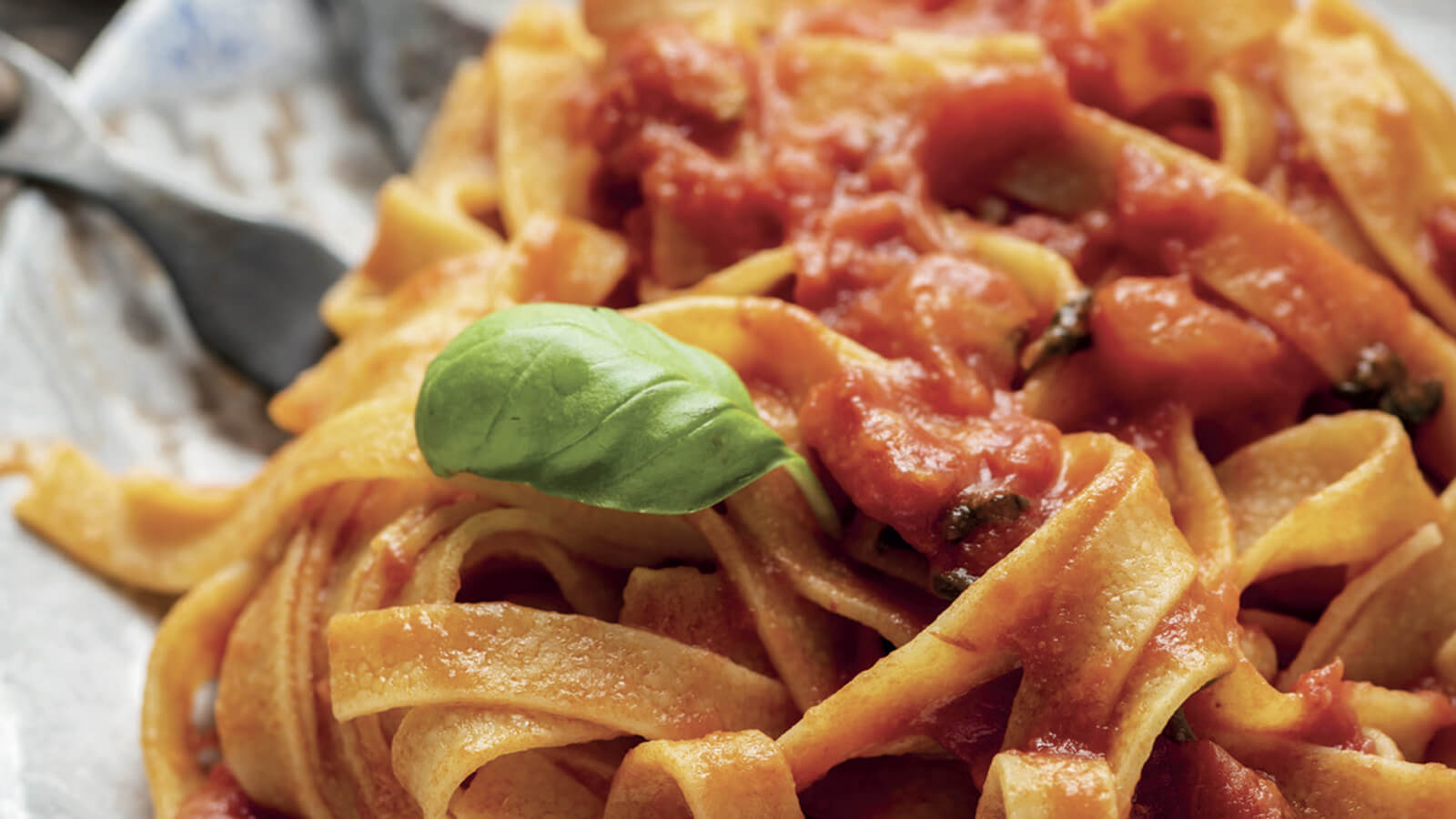
Serving and garnishing: Plate the hot Sicilian pasta alla marinara and garnish with a few fresh basil leaves and a drizzle of raw extra virgin olive oil.
Thus, by following these simple steps and with a love for Sicilian culinary tradition, you can enjoy the true goodness of pasta alla marinara prepared as it should be. Enjoy your meal!
The Best Way to Serve and Enjoy Sicilian Pasta alla Marinara
When it comes to serving and enjoying Sicilian pasta alla marinara, there are ancient traditions to respect and remain faithful to the origins of this dish steeped in history and culinary passion.
Cooking the pasta: To fully appreciate the authentic flavor of Sicilian pasta alla marinara, it is essential to respect the pasta's cooking time. Choosing high-quality pasta and cooking it al dente is crucial to maintaining the desired texture.
The marinara sauce: The marinara sauce is the heart of this dish. Prepared with fresh tomatoes, garlic, olive oil, and basil, this rich and flavorful sauce must be made with fresh, quality ingredients to achieve an authentic result.
The perfect accompaniment: To complete Sicilian pasta alla marinara in the best way, it is advisable to serve it with a sprinkle of fresh parsley and grated cheese. Salted ricotta cheese is particularly appreciated for its ability to enhance the flavors of the sauce and pasta.
The right wine: In Sicilian tradition, pasta alla marinara is best enjoyed with a glass of robust red wine such as Nero d'Avola or Cerasuolo di Vittoria. These local wines pair perfectly with the intense and genuine flavors of this dish.
Following these culinary traditions and advice allows one to fully appreciate the authenticity and goodness of Sicilian pasta alla marinara, offering a journey through the flavors and traditions of this wonderful Italian region.
Curiosities and Anecdotes about Sicilian Pasta alla Marinara
During our exploration of the history and origins of Sicilian pasta alla marinara, we discovered some interesting facts and fascinating curiosities worth sharing:
Ancient Origins: Sicilian pasta alla marinara has ancient roots, dating back to the period when Sicilian sailors prepared simple dishes using ingredients available on board their boats.
Cultural Influences: Sicilian pasta alla marinara has undergone culinary influences from various cultures that have left their mark on the island over the centuries, such as the important Arab and Spanish presence.
Typical Ingredients: The typical ingredients of Sicilian pasta alla marinara include fresh tomatoes, garlic, olive oil, anchovies, capers, and oregano, which give this dish a unique and richly nuanced flavor.
Traditional Legends: According to a popular legend, Sicilian pasta alla marinara owes its name to fishermen who, returning to shore after long days at sea, prepared this dish for their families as a sign of prosperity and abundance.
Eggplant Variation: A famous variation of Sicilian pasta alla marinara includes the addition of fried eggplant, which gives the dish a creamy texture and an even more intense flavor.
These details and anecdotes contribute to enriching the charm and history of one of the most emblematic and beloved dishes of Sicilian culinary tradition.
Conclusions and Final Thoughts
What can we take away from this journey into the history and origins of Sicilian pasta alla marinara? First and foremost, we have come to understand the importance of culinary tradition and the art of cooking in Sicily. Through historical accounts and the influences of the peoples who dominated the island over the centuries, we have seen how Sicilian pasta alla marinara is the result of a unique blend of flavors and ingredients.
We have also noticed how simplicity can be incredibly delicious. With just a few high-quality ingredients, one can create a dish that encapsulates the soul of a territory and a culture passed down through generations.
Furthermore, we have rediscovered the importance of small gestures and family traditions in food preparation. Sicilian pasta alla marinara is not just a delicious dish, but also a symbol of sharing and conviviality, bringing people together around a table.
Finally, this journey has made us realize that gastronomy is not just sustenance for the body but also for the soul. Every dish has a story to tell, harboring secrets and emotions that go far beyond the simple act of eating. And Sicilian pasta alla marinara, with its simplicity and authenticity, continues to delight us and tell us a part of the history and traditions of this wonderful Mediterranean island.