



Home
>
Curiosities from the oil mill
>
The Best Sicilian Extra Virgin Olive Oil: Which One to Choose and Why
The Best Sicilian Extra Virgin Olive Oil: Which One to Choose and Why
Sicilian extra virgin olive oil is among the most awarded and recognizable in the world. But "Sicilian" alone isn't enough: Sicily is vast, there are dozens of cultivars, and hundreds of producers. This guide helps you understand what truly distinguishes a great Sicilian olive oil from others—and how to recognize it without relying solely on price or label.
Why Sicilian Extra Virgin Olive Oil Is Different
Sicily is the leading Italian region for olive-growing area and produces approximately 20% of the national extra virgin olive oil. But quantitative data doesn't tell the whole story: the specificity of Sicilian oil lies in its terroir—the irreproducible combination of climate, soil, and native varieties.
Three technical factors structurally distinguish high-quality Sicilian oil:
- High polyphenol content: hot, dry summers, with significant temperature variations between day and night, positively stress the plants and promote the accumulation of antioxidants in the olives. High-end Sicilian oils often have polyphenol concentrations above the Mediterranean average.
- Early harvesting: the Sicilian tradition of harvesting olives while still green or undergoing veraison (October-November) produces oils with intense fruitiness, pronounced bitterness, and spiciness—organoleptic parameters that indicate freshness and richness in bioactive compounds.
- Unique native cultivars: Nocellara del Belice, Tonda Iblea, Biancolilla, Cerasuola, Moresca, Nocellara Etnea—varieties that do not grow anywhere else in the world with the same characteristics. Each cultivar produces an oil with its own identity.
Sicilian Cultivars and Their Profiles
Understanding cultivars is the first step to making an informed choice. The main Sicilian monocultivars have very different organoleptic characteristics:
- Nocellara del Belice: intense fruity, notes of green tomato, fresh almond, and artichoke. Decisive bitterness and spiciness. Produced in the Trapani area, it has a strong personality—ideal for bruschetta, red meat, legume soups.
- Tonda Iblea: floral and herbaceous profile, notes of almond and artichoke, balanced bitterness and spiciness. Cultivar from the Iblei Mountains in Ragusa, it is the basis of the Monti Iblei PDO. Versatile—excellent raw and in cooking.
- Biancolilla: the most delicate among the great Sicilian oils. Light fruity, notes of fresh grass and almond, mild bitterness and spiciness. Ideal with fish, delicate vegetables, fresh cheeses.
- Cerasuola: medium-intense fruity, notes of tomato, grass, almond, and artichoke. Typical balance of oils from western Palermo.
- Moresca: soft and fruity profile, notes of ripe tomato and sweet almond. Less bitter and spicy than other Iblean cultivars.
For a complete guide to all Sicilian cultivars, read our article dedicated to Sicilian olive varieties for oil.
What Makes a High-Quality Extra Virgin Olive Oil
Not all extra virgin olive oils are created equal. The difference between a commercial oil at €4/liter and an artisanal one at €20/500ml is not marketing—it's the economics of production. High-quality oil requires:
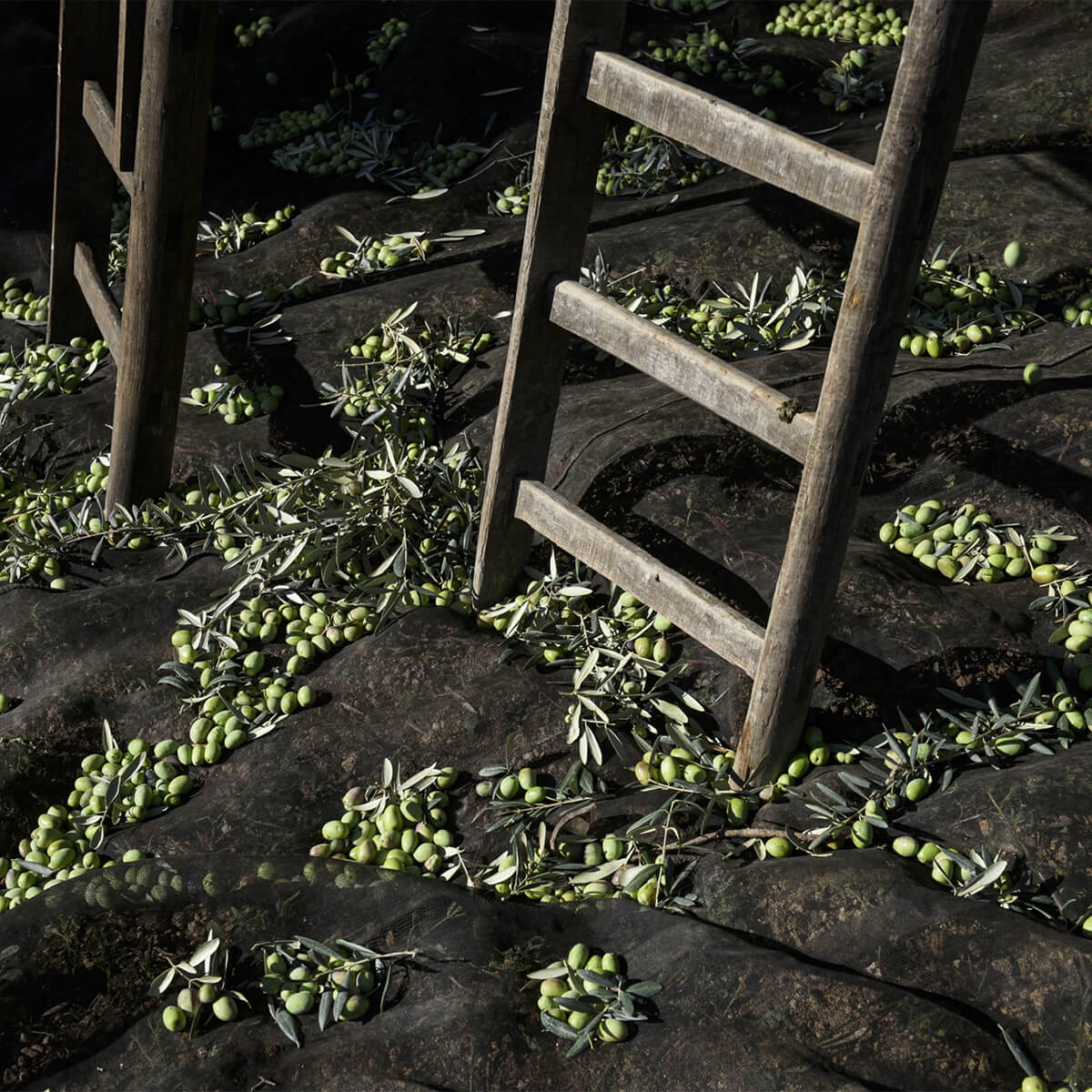
- Hand harvesting or with selective shakers: olives must reach the mill intact, without bruising that can initiate fermentation. Mechanical free-fall harvesting causes damage that degrades quality.
- Milling within 24 hours of harvest: every hour that passes after being detached from the tree, olives lose quality. Artisanal mills process within the day—industrial ones accumulate for days.
- Cold extraction (below 27°C): heat increases yield but degrades aromas and polyphenols. Cold extraction produces less oil but of superior quality.
- Low acidity: below 0.4% is excellent; below 0.2% is outstanding. But acidity alone is not enough—an oil can have low acidity and low polyphenols.
- Harvest year visible on the label: a serious producer always indicates the harvest year. An undated oil could be 18 months old.
How to Distinguish a Premium Oil from a Commercial One
Three practical criteria that work in supermarkets and online:
- Price is the first filter: below €7/liter, it is almost impossible to produce a quality extra virgin olive oil with manual harvesting and rapid milling. A low price is almost always a sign of poor quality olives, industrial processing, or an international blend.
- Specific, not generic, origin: "Product of Italy" says nothing. A quality oil indicates the region, often the province, sometimes the municipality. "Valle del Belice" or "Monti Iblei" tell a story; "EU and non-EU" tells nothing.
- Dark bottle or tin: light is the main agent of oil degradation. A producer who invests in quality does not put their oil in transparent glass.
For all details on how to read the label—PDO, PGI, organic, acidity, peroxide number—read our complete guide to olive oil.
Sicilian PDO and PGI: What They Guarantee
Sicily has a historic PDO and a regional PGI that cover a large part of certified quality production:
- PDO Monti Iblei: the most prestigious Sicilian designation. It protects oils produced in the provinces of Ragusa and Syracuse, mainly from Tonda Iblea. The regulations require manual or delicate mechanical harvesting, milling within 48 hours, maximum acidity of 0.5%. This is the designation that certifies Iblean excellence.
- PGI Sicilia: a regional geographical certification that guarantees that both the olives and the processing take place in Sicily. Less restrictive than PDO but protects the origin against imitations.
Frantoi Cutrera's Best Oils
Frantoi Cutrera has been producing in Chiaramonte Gulfi, in the heart of the Monti Iblei PDO territory, since 1906. Four generations of artisanal production, with their own oil mill and directly managed olive groves. Here are their flagship products:
Primo DOP Monti Iblei
Our benchmark oil: extracted from Tonda Iblea olives from the Iblei Mountains in Ragusa, PDO certified, manual harvesting and milling within 24 hours. Notes of fresh almond, artichoke, and grass. Decisive bitterness and spiciness, acidity typically below 0.3%. Multi-awarded in major international guides. Discover Primo DOP.
Primo BIO
The Primo in certified organic version: same territory, same Tonda Iblea olives, same early harvest—with the additional guarantee that the entire process takes place without pesticides or chemical fertilizers. For those who want Iblean excellence in an organic version. Discover Primo BIO.
Nocellara Salvatore Cutrera
Monocultivar from pure Nocellara del Belice: intense fruity, notes of green tomato and almond, pronounced spiciness. It is the oil with the most intense polyphenol profile in our range—for those who want to feel Sicily in every drop. Discover Nocellara.
Tonda Iblea Giovanni Cutrera
Monocultivar from selected Tonda Iblea: floral and almond profile, elegance and complexity. Born from the collaboration with Giovanni Cutrera to enhance the symbolic cultivar of the Iblei in its purest expression. Discover Tonda Iblea.
Frequently Asked Questions
What is the best Sicilian extra virgin olive oil?
There isn't one single "best oil"—it depends on usage and taste. For intensity and polyphenol profile, Nocellara del Belice is unbeatable. For versatility and elegance, Tonda Iblea PDO Monti Iblei is the most balanced choice. For daily use, the Pertutto blend combines Sicilian cultivars in a balanced oil for any dish.
How to recognize a true Sicilian extra virgin olive oil?
Look for: specific geographical indication (not just "Italy"), harvest year on the label, PDO Monti Iblei or PGI Sicilia, dark bottle or tin, acidity indicated below 0.5%. And taste it: a good Sicilian oil has a perceptible fruitiness, and non-null bitterness and spiciness—if it's completely neutral, it's not quality.
Is Sicilian oil better than Apulian or Tuscan oil?
It's not a matter of "better" but of profile. Apulian oil (Coratina, Ogliarola) tends to be more robust and bitter; Tuscan oil (Frantoio, Moraiolo) more herbaceous and spicy; Sicilian oil has more complex fruitiness with typical notes of tomato and almond. The choice depends on the pairing and personal taste.
How much does good Sicilian extra virgin olive oil cost?
An artisanal quality Sicilian oil starts at approximately €12-15/500ml for blends, and goes above €20/500ml for monocultivars from manual harvesting with PDO certification. Below €6-7/liter, it is almost impossible to guarantee the quality of an artisanal Sicilian extra virgin olive oil.
Share


