




Home
>
Curiosities from the oil mill
>
Nocellara del Belice: Characteristics, Properties, and Culinary Uses of Extra Virgin Olive Oil

Nocellara del Belice: Characteristics, Properties, and Culinary Uses of Extra Virgin Olive Oil
The Nocellara del Belice is one of Italy's most celebrated olive cultivars: a dual-purpose olive for both table consumption and oil production, predominantly grown in western Sicily, it is the star of an extra virgin olive oil with an unmistakable character. But what truly makes a Nocellara oil special? And how do you distinguish an extraordinary one from a merely good one?
In this article, we'll tell you everything you need to know about this olive variety: its origins, sensory profile, culinary uses, and why—when produced with artisanal care and olives harvested just meters from the mill—it becomes an unforgettable tasting experience.
What is Nocellara del Belice?
Nocellara del Belice is an indigenous Sicilian cultivar, whose name comes from the Belice Valley, in the Trapani area, where it has been cultivated for centuries. It is a dual-purpose variety: the olives are used both for the production of extra virgin olive oil and for table consumption, where they reach remarkable size and fleshiness.
Among its most recognizable botanical characteristics: large and fleshy drupes, ovoid shape, bright green skin that turns black only when fully ripe. The staggered ripening of the olive—which progresses slowly from October to December—allows producers to choose the ideal moment for harvesting based on the aromatic profile they wish to achieve.
In 1998, Nocellara del Belice obtained the DOP (Protected Designation of Origin) recognition for the extra virgin olive oil produced in the Belice Valley, further confirming its identity and quality. It is not the only Sicilian cultivar with such a distinct identity: both the Tonda Iblea and the Biancolilla express completely distinct territories and characteristics.
The Sensory Profile: How to Recognize a Good Nocellara Oil
An extra virgin olive oil obtained from Nocellara del Belice olives harvested early, before full ripeness, presents a precise and recognizable aromatic profile:
- Color: intense green with golden reflections, bright and luminous
- Aroma: medium-intense green fruity, with clear notes of fresh tomato, freshly cut grass, almond, and artichoke
- Taste: fruity on the attack, with well-balanced bitterness and pungency—a sign of richness in polyphenols and early harvesting
- Finish: persistent, clean, with a slight note of aromatic herbs
The bitterness and pungency—which to many unaccustomed consumers might seem like defects—are instead indicators of quality: they are produced by polyphenols, bioactive compounds with marked antioxidant and anti-inflammatory properties. A Nocellara oil with these characteristics is a living, intact, non-oxidized oil.
Nutritional Properties
Nocellara del Belice oil shares the excellent nutritional properties typical of all great Sicilian extra virgin olive oils, but with some specificities related to the cultivar:
- High polyphenol content: particularly oleuropein and hydroxytyrosol, powerful natural antioxidants
- Oleic acid (omega-9): the main monounsaturated fat, favorable to the lipid profile and cardiovascular health
- Vitamin E: tocopherols that contribute to cellular protection from oxidation
- Low acidity: a good Nocellara oil has a free acidity well below the 0.8% required by law for the extra virgin category
Scientific research has documented that regular consumption of extra virgin olive oil rich in polyphenols is associated with a reduction in oxidative stress markers and benefits for heart health, confirming the central role of EVOO in the Mediterranean diet. To learn more about polyphenols and their impact on health, read our dedicated article: Polyphenols in EVO Oil: The Secret of the Mediterranean Diet.
How to Use it in Cooking
Nocellara del Belice expresses its best raw, where its complex aromatic profile can fully unfold without being altered by heat. It is an oil with personality, which does not merely "dress" but actively participates in building the flavor of the dish.
The most successful pairings:
- Salmon or swordfish carpaccio: the intensity of the oil balances the delicacy of raw fish, creating contrast and depth
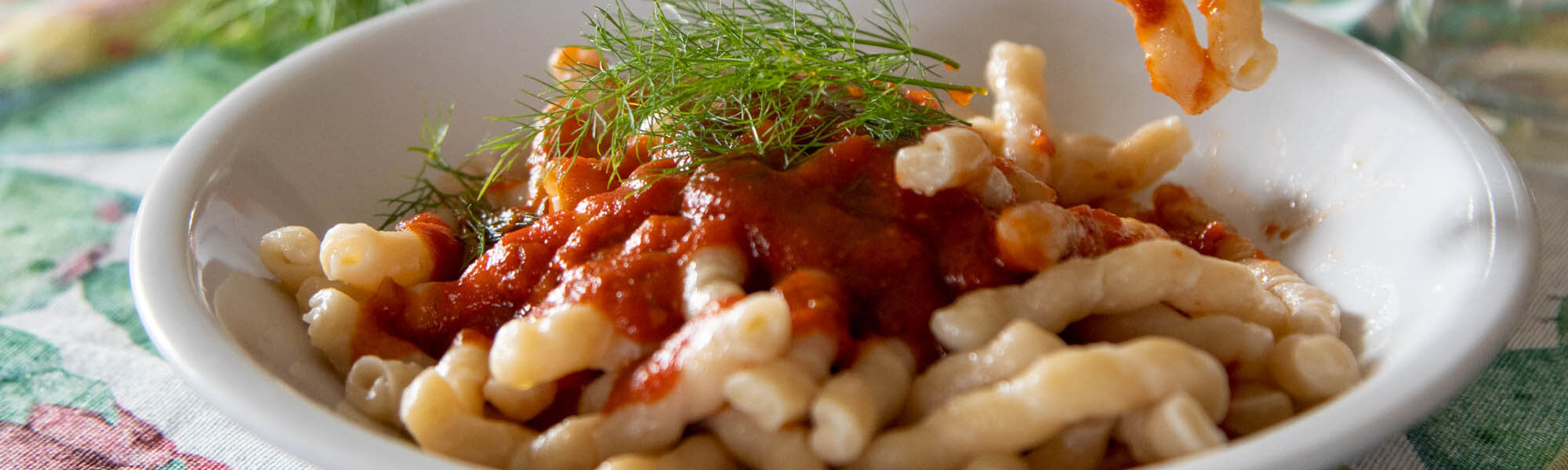
- First courses with tomato: pasta alla norma, arrabbiata, marinara—the oil blends with the acidity of the tomato, enhancing its sweetness
- Grilled fish: a drizzle raw before serving transforms a simple dish into something memorable
- Grilled white meats: chicken, turkey, rabbit—the herbaceous note of the oil enhances lean proteins without overpowering their flavor
- Bruschetta and homemade bread: the most honest test to evaluate an oil; with good Nocellara, bruschetta needs nothing else
- Raw vegetables: pinzimonio, seasonal salads, mixed greens—the oil becomes the absolute protagonist
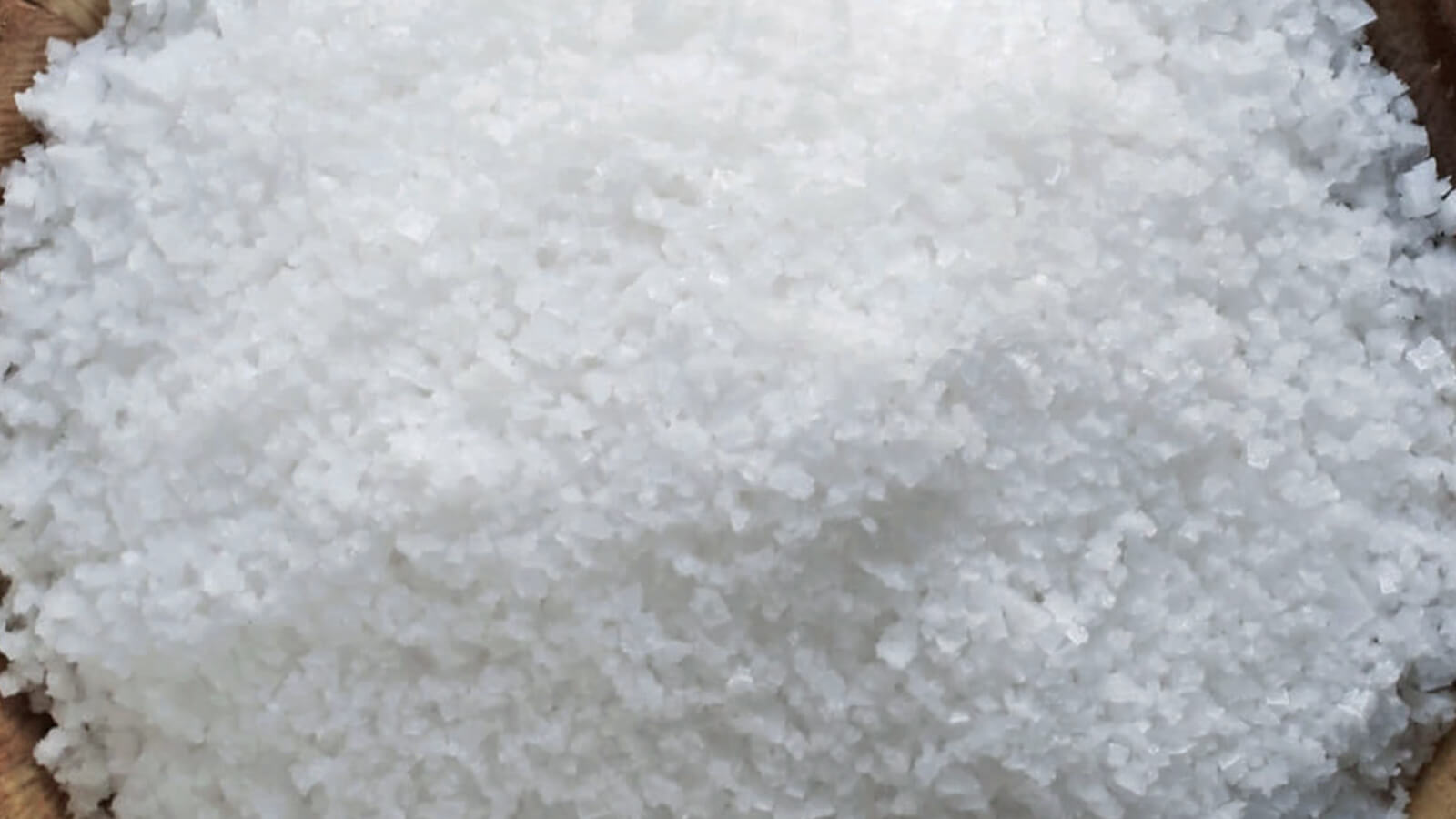
To further enhance any raw pairing, try adding a pinch of Sicilian fleur de sel: the crystalline structure of unrefined salt and the iodine note of the Mediterranean complete the Nocellara's profile without masking its intensity.
It can also be used in cooking, but it's a shame to limit its use—its aromatic heritage diminishes with heat. It's better to reserve it for cold additions or to finish dishes. If you want to understand better how heat affects extra virgin olive oils, we recommend reading: EVO Oil in Cooking: Debunking the Myth of the Low Smoke Point.
How to Store it Correctly
Even the best extra virgin olive oils quickly lose their qualities if stored improperly. The three enemies of olive oil are light, heat, and oxygen:
- Always store the bottle in a cool, dark place—a pantry or closed cupboard works perfectly
- Avoid keeping it near the stove or on a windowsill
- Close the cap tightly after each use
- Consume within 12-18 months of bottling, preferably within 6 months of opening
A well-preserved Nocellara oil will maintain its aromas, polyphenols, and nutritional qualities throughout its shelf life.
Nocellara and Wild Olive Tree: Two Worlds Compared
While Nocellara del Belice represents the excellence of cultivated cultivars, there is another type of Sicilian extra virgin olive oil that moves on a completely different plane: that from wild olive trees, the uncultivated, ungrafted olive trees that grow in Mediterranean forests. These are two opposite and complementary expressions of Sicilian olive oil tradition—the first the result of centuries of agricultural selection, the second a pure expression of untamed nature. To understand the differences in detail, read the comparison: Wild Olive Oil vs. Traditional EVO Oil.
Frantoi Cutrera's Nocellara Oil: The Family Selection
Not all Nocellara del Belice oils are created equal. The final quality depends on where the olives grow, who harvests them, how much time passes between harvesting and milling, and how each stage of the process is managed.
The Nocellara Salvatore Cutrera is a special selection that comes from the family's own olive groves, located just a few hundred meters from the mill in the Hyblaean Mountains. This proximity—rare even among artisanal producers—ensures that the olives arrive at the mill within a few hours of harvesting, preserving all their aromatic and nutritional characteristics.
The result is a medium fruity oil with an intense character, with that mix of tomato, almond, and pungency that is the trademark of Nocellara processed with care. An oil for special occasions, not to be kept hidden away: salmon carpaccio, fresh tomato pasta, grilled fish.
The 0.5-liter bottle—the size designed for those who always want to have a high-quality oil on hand without compromising its freshness—is available in the Frantoi Cutrera online shop.
Frequently Asked Questions about Nocellara del Belice
Is Nocellara del Belice a DOP?
Yes. The extra virgin olive oil produced in the Belice Valley with Nocellara olives obtained DOP recognition in 1998. Not all oils made with Nocellara olives carry this designation: the DOP is linked to a specific territory and a production specification.
Is it different from Nocellara dell'Etna?
Yes, they are two distinct cultivars. Nocellara del Belice is typical of western Sicily (Trapani area); Nocellara dell'Etna grows in eastern Sicily, under different soil and climatic conditions, and yields an oil with a different sensory profile—softer and less intense.
Why is Nocellara oil bitter and pungent?
It's not a defect: it's a sign of quality. Bitterness and pungency derive from polyphenols—particularly oleuropein—present in high concentrations in early-harvested olives. Over time, or with late harvesting, these compounds degrade and the oil becomes sweeter but less rich.
What dishes does it pair best with?
Fish carpaccio, tomato pasta, grilled fish, grilled white meats. Excellent raw on bruschetta and vegetables. Its intense profile expresses itself best without cooking or with additions at the end of cooking.


