Curiosities from the oil mill

Il Miglior Olio Extravergine di Oliva Siciliano: Quale Scegliere e Perché

The Best Sicilian Extra Virgin Olive Oil: Which One to Choose and Why

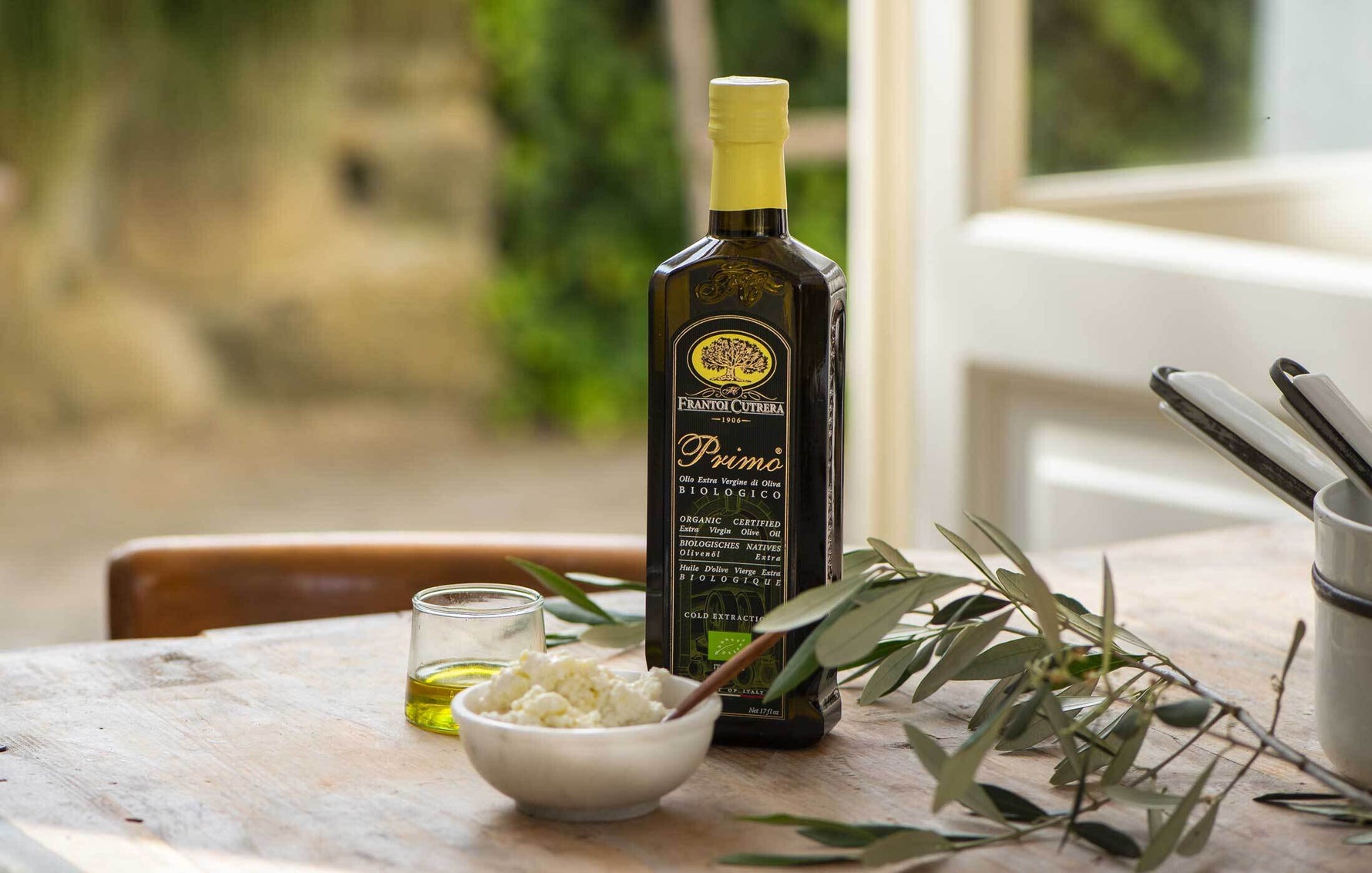
Sicilian extra virgin olive oil is among the most awarded and recognizable in the world. But "Sicilian" alone isn't enough: Sicily is vast, there are dozens of cultivars, and hundreds of producers. This guide helps you understand what truly distinguishes a great Sicilian olive oil from others—and how to recognize it without relying solely on price or label. Why Sicilian Extra Virgin Olive Oil Is Different Sicily is the leading Italian region for olive-growing area and produces approximately 20% of the national extra virgin olive oil. But quantitative data doesn't tell the whole story: the specificity of Sicilian oil lies in its terroir—the irreproducible combination of climate, soil, and native varieties. Three technical factors structurally distinguish high-quality Sicilian oil: High polyphenol content: hot, dry summers, with significant temperature variations between day and night, positively stress the plants and promote the accumulation of antioxidants in the olives. High-end Sicilian oils often have polyphenol concentrations above the Mediterranean average. Early harvesting: the Sicilian tradition of harvesting olives while still green or undergoing veraison (October-November) produces oils with intense fruitiness, pronounced bitterness, and spiciness—organoleptic parameters that indicate freshness and richness in bioactive compounds. Unique native cultivars: Nocellara del Belice, Tonda Iblea, Biancolilla, Cerasuola, Moresca, Nocellara Etnea—varieties that do not grow anywhere else in the world with the same characteristics. Each cultivar produces an oil with its own identity. Sicilian Cultivars and Their Profiles Understanding cultivars is the first step to making an informed choice. The main Sicilian monocultivars have very different organoleptic characteristics: Nocellara del Belice: intense fruity, notes of green tomato, fresh almond, and artichoke. Decisive bitterness and spiciness. Produced in the Trapani area, it has a strong personality—ideal for bruschetta, red meat, legume soups. Tonda Iblea: floral and herbaceous profile, notes of almond and artichoke, balanced bitterness and spiciness. Cultivar from the Iblei Mountains in Ragusa, it is the basis of the Monti Iblei PDO. Versatile—excellent raw and in cooking. Biancolilla: the most delicate among the great Sicilian oils. Light fruity, notes of fresh grass and almond, mild bitterness and spiciness. Ideal with fish, delicate vegetables, fresh cheeses. Cerasuola: medium-intense fruity, notes of tomato, grass, almond, and artichoke. Typical balance of oils from western Palermo. Moresca: soft and fruity profile, notes of ripe tomato and sweet almond. Less bitter and spicy than other Iblean cultivars. For a complete guide to all Sicilian cultivars, read our article dedicated to Sicilian olive varieties for oil. What Makes a High-Quality Extra Virgin Olive Oil Not all extra virgin olive oils are created equal. The difference between a commercial oil at €4/liter and an artisanal one at €20/500ml is not marketing—it's the economics of production. High-quality oil requires: Hand harvesting or with selective shakers: olives must reach the mill intact, without bruising that can initiate fermentation. Mechanical free-fall harvesting causes damage that degrades quality. Milling within 24 hours of harvest: every hour that passes after being detached from the tree, olives lose quality. Artisanal mills process within the day—industrial ones accumulate for days. Cold extraction (below 27°C): heat increases yield but degrades aromas and polyphenols. Cold extraction produces less oil but of superior quality. Low acidity: below 0.4% is excellent; below 0.2% is outstanding. But acidity alone is not enough—an oil can have low acidity and low polyphenols. Harvest year visible on the label: a serious producer always indicates the harvest year. An undated oil could be 18 months old. How to Distinguish a Premium Oil from a Commercial One Three practical criteria that work in supermarkets and online: Price is the first filter: below €7/liter, it is almost impossible to produce a quality extra virgin olive oil with manual harvesting and rapid milling. A low price is almost always a sign of poor quality olives, industrial processing, or an international blend. Specific, not generic, origin: "Product of Italy" says nothing. A quality oil indicates the region, often the province, sometimes the municipality. "Valle del Belice" or "Monti Iblei" tell a story; "EU and non-EU" tells nothing. Dark bottle or tin: light is the main agent of oil degradation. A producer who invests in quality does not put their oil in transparent glass. For all details on how to read the label—PDO, PGI, organic, acidity, peroxide number—read our complete guide to olive oil. Sicilian PDO and PGI: What They Guarantee Sicily has a historic PDO and a regional PGI that cover a large part of certified quality production: PDO Monti Iblei: the most prestigious Sicilian designation. It protects oils produced in the provinces of Ragusa and Syracuse, mainly from Tonda Iblea. The regulations require manual or delicate mechanical harvesting, milling within 48 hours, maximum acidity of 0.5%. This is the designation that certifies Iblean excellence. PGI Sicilia: a regional geographical certification that guarantees that both the olives and the processing take place in Sicily. Less restrictive than PDO but protects the origin against imitations. Frantoi Cutrera's Best Oils Frantoi Cutrera has been producing in Chiaramonte Gulfi, in the heart of the Monti Iblei PDO territory, since 1906. Four generations of artisanal production, with their own oil mill and directly managed olive groves. Here are their flagship products: Primo DOP Monti Iblei Our benchmark oil: extracted from Tonda Iblea olives from the Iblei Mountains in Ragusa, PDO certified, manual harvesting and milling within 24 hours. Notes of fresh almond, artichoke, and grass. Decisive bitterness and spiciness, acidity typically below 0.3%. Multi-awarded in major international guides. Discover Primo DOP. Primo BIO The Primo in certified organic version: same territory, same Tonda Iblea olives, same early harvest—with the additional guarantee that the entire process takes place without pesticides or chemical fertilizers. For those who want Iblean excellence in an organic version. Discover Primo BIO. Nocellara Salvatore Cutrera Monocultivar from pure Nocellara del Belice: intense fruity, notes of green tomato and almond, pronounced spiciness. It is the oil with the most intense polyphenol profile in our range—for those who want to feel Sicily in every drop. Discover Nocellara. Tonda Iblea Giovanni Cutrera Monocultivar from selected Tonda Iblea: floral and almond profile, elegance and complexity. Born from the collaboration with Giovanni Cutrera to enhance the symbolic cultivar of the Iblei in its purest expression. Discover Tonda Iblea. Frequently Asked Questions What is the best Sicilian extra virgin olive oil? There isn't one single "best oil"—it depends on usage and taste. For intensity and polyphenol profile, Nocellara del Belice is unbeatable. For versatility and elegance, Tonda Iblea PDO Monti Iblei is the most balanced choice. For daily use, the Pertutto blend combines Sicilian cultivars in a balanced oil for any dish. How to recognize a true Sicilian extra virgin olive oil? Look for: specific geographical indication (not just "Italy"), harvest year on the label, PDO Monti Iblei or PGI Sicilia, dark bottle or tin, acidity indicated below 0.5%. And taste it: a good Sicilian oil has a perceptible fruitiness, and non-null bitterness and spiciness—if it's completely neutral, it's not quality. Is Sicilian oil better than Apulian or Tuscan oil? It's not a matter of "better" but of profile. Apulian oil (Coratina, Ogliarola) tends to be more robust and bitter; Tuscan oil (Frantoio, Moraiolo) more herbaceous and spicy; Sicilian oil has more complex fruitiness with typical notes of tomato and almond. The choice depends on the pairing and personal taste. How much does good Sicilian extra virgin olive oil cost? An artisanal quality Sicilian oil starts at approximately €12-15/500ml for blends, and goes above €20/500ml for monocultivars from manual harvesting with PDO certification. Below €6-7/liter, it is almost impossible to guarantee the quality of an artisanal Sicilian extra virgin olive oil.
Miele Siciliano: l’oro dolce della Sicilia

Sicilian Honey: the sweet gold of Sicily

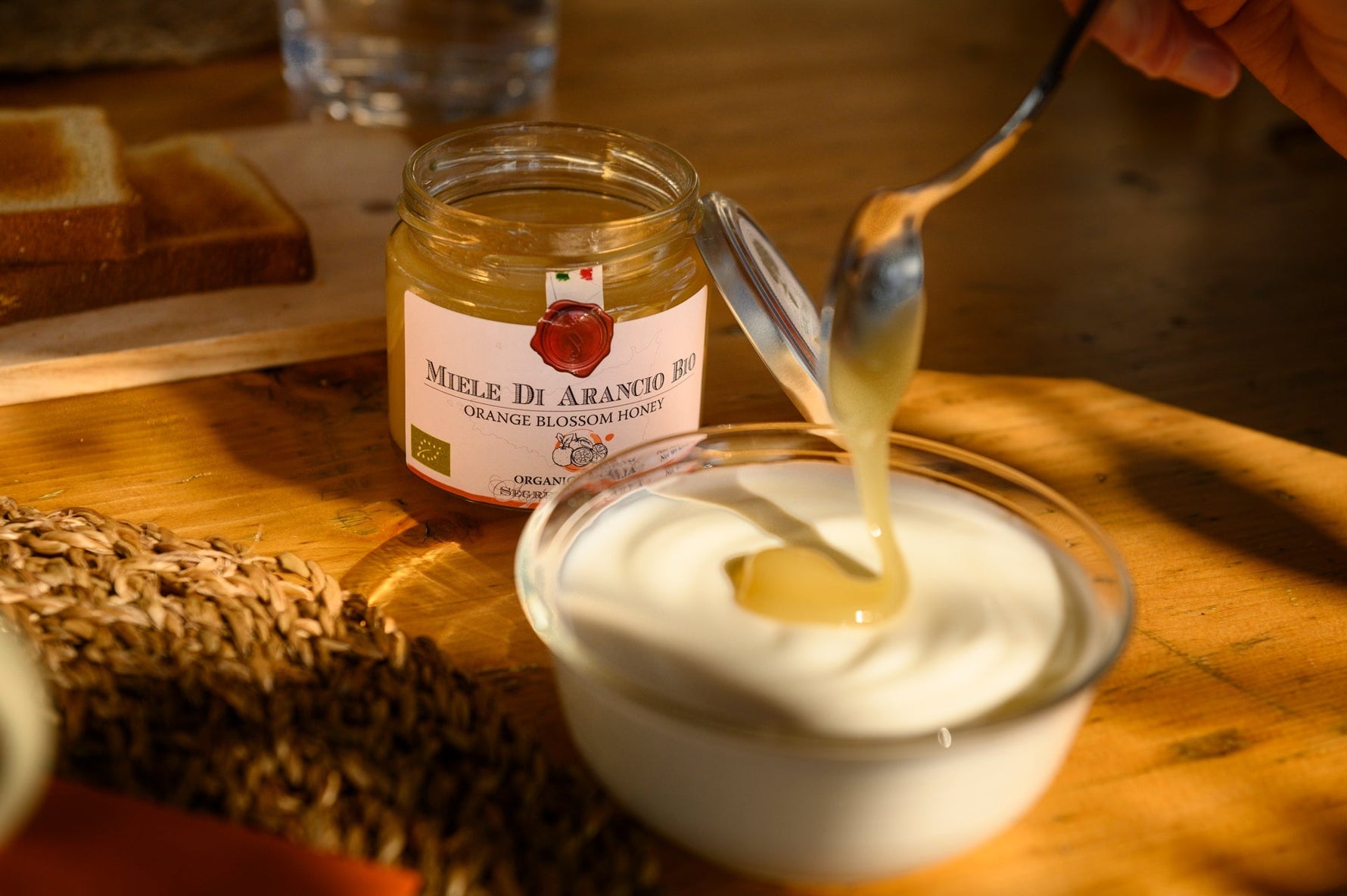
Index Sicilian Honey: a treasure of nature Why choose organic Sicilian honey Sicilian Honey Varieties Secrets of Sicily Sicilian Orange Honey Lemon Honey Chestnut Honey Sicilian Millefiori Honey The benefits of Sicilian honey: taste and well-being How to use Sicilian honey in cooking Where to buy organic Sicilian honey Conclusion Sicilian Honey: a treasure of nature Sicilian honey is one of the most beloved delicacies of the island's gastronomy. Produced in a territory rich in biodiversity, among fragrant citrus groves and pristine hills, Sicilian honey contains intense flavors and beneficial properties that make it a precious food. From the bees that work tirelessly in the sun-kissed landscapes comes a unique product, capable of telling the Sicilian beekeeping tradition in every teaspoon. If you love high-quality honey, the organic Sicilian honey Segreti di Sicilia by Frantoi Cutrera is the perfect choice to bring a pure, natural and flavorful product to your table. Why choose organic Sicilian honey Choosing organic Sicilian honey means opting for a product: ✅ 100% natural , without additives or industrial processes. ✅ Rich in beneficial properties , thanks to the purity of the raw material. ✅ Cold extracted , to preserve aromas and nutritional qualities. ✅ Produced in Sicily , in a contamination-free environment. Segreti di Sicilia honey is made with an artisanal and sustainable process, respecting bees and their fundamental role in the ecosystem. Sicilian Honey Varieties Secrets of Sicily Frantoi Cutrera, through the Segreti di Sicilia line, offers different varieties of organic honey, each with unique characteristics and uses. 🍊 Sicilian Orange Honey Sicilian orange honey is among the most appreciated for its floral scent and delicate taste with citrus notes. Perfect for sweetening teas and herbal teas , it is also an excellent ally for well-being, thanks to its calming and relaxing effect. Characteristics: ✔️ Light and golden color ✔️ Sweet flavour with notes of orange blossom ✔️ Relaxing and antioxidant effects 🍋 Lemon Honey With a slightly more acidic character, lemon honey is an explosion of freshness. Rich in vitamin C and polyphenols , it is ideal for strengthening the immune system and adding a special touch to desserts and drinks. Characteristics: ✔️ Fresh and fruity aroma ✔️ Purifying and digestive properties ✔️ Perfect for desserts and infusions 🌰 Chestnut Honey With an intense and slightly bitter flavour, chestnut honey is a dark and aromatic honey, much appreciated by connoisseurs. Excellent when paired with aged cheeses and meat , it is also known for its energizing and antibacterial properties. Characteristics: ✔️ Strong flavour, with woody notes ✔️ High concentration of minerals ✔️ Perfect with cheeses and savoury dishes 🌺 Sicilian Multi-Flower Honey Sicilian multi-flower honey is an explosion of biodiversity, produced by bees that collect nectar from different wild flowers on the island. Its flavor varies with the seasons, making it a unique and always different honey. Characteristics: ✔️ Varied and complex aroma ✔️ Rich in enzymes and antioxidants ✔️ Versatile in the kitchen The benefits of Sicilian honey: taste and well-being In addition to being delicious, organic Sicilian honey is a real panacea for your health. ✅ Natural source of energy – Perfect for athletes and students. ✅ Strengthens the immune system – Rich in enzymes and antioxidants. ✅ Aids digestion – Especially lemon honey. ✅ Calming and relaxing effect – Useful for reducing stress and promoting sleep. A precious food, which combines taste and well-being in a single spoon. How to use Sicilian honey in cooking Sicilian honey is a versatile ingredient, perfect for: 🍯 Sweeten drinks and herbal teas 🥞 Garnish yogurt, pancakes and desserts 🧀 Accompany cheeses and appetizers 🥩 Season meats and gourmet dishes 🍞 Spread on bread and rusks Whatever your taste, there is a Sicilian honey perfect for you! Where to buy organic Sicilian honey If you are looking for Sicilian honey online , Frantoi Cutrera offers a selection of organic honeys with the guarantee of a pure and artisanal product. 📌 Why buy Segreti di Sicilia honey? ✔️ Certified and organic quality ✔️ Sicilian artisan production ✔️ Fast shipping Discover the range and choose the honey that best suits you! 👉 Buy now the organic Sicilian honey Segreti di Sicilia Conclusion Organic Sicilian honey is not only an extraordinary food, but a true symbol of the uncontaminated nature of the island. Each variety has its own personality, its aroma and its benefits, making it an essential ingredient in the kitchen and a precious ally for health . If you want to savor the true taste of Sicily , choose Segreti di Sicilia honey and discover a unique and authentic product. 📢 Order now and let yourself be conquered by Sicilian sweetness!
Frescolio: l'Olio Novello Frantoi Cutrera

Frescolio: the New Oil Frantoi Cutrera

Index What is Frescolio and why is it so special What is "olio novello" (new oil) and how is it different How Frescolio is produced The characteristics of Frescolio: taste, aroma, and properties How to use Frescolio in cooking Where to buy Frescolio and why you should pre-order it Conclusion What is Frescolio and why is it so special Among the most sought-after extra virgin olive oils by food lovers, Frescolio by Frantoi Cutrera is a true jewel of the Sicilian olive oil tradition. It is a new oil, meaning the first oil extracted from the new season, made from freshly harvested and cold-pressed olives. The characteristics of Frescolio largely depend on the polyphenols of EVO oil — antioxidant compounds that reach their maximum concentration precisely in new oil. Purchase Frescolio by Frantoi Cutrera directly from the shop: available only in the months following the harvest. To understand the legal categories of olive oil and what distinguishes extra virgin from other types, read our complete guide to olive oil. What makes Frescolio unique is its intense aromatic profile and unmistakable freshness, which make it a perfect condiment to enhance simple and genuine dishes. But beware: it is available only for a limited period each year, making it an exclusive product that is a must-have for those who love quality extra virgin olive oil. What is "olio novello" (new oil) and how is it different New oil is the first oil of the season, extracted immediately after the olive harvest. Its main characteristic is its aromatic and gustatory intensity, thanks to the presence of polyphenols and antioxidants in greater quantities than in long-stored oils. Unlike more mature extra virgin olive oils, new oil: ✅ Has a bright green color, due to the chlorophyll still present.✅ Features fresh, herbaceous notes with hints of tomato, artichoke, and almond.✅ Has a more pronounced pungency and bitterness, a sign of very high quality. It is an unfiltered product, which means it may have a slight sediment at the bottom of the bottle: a distinctive sign of its freshness and authenticity. How Frescolio is produced Frescolio is born in the Sicilian hills, where Frantoi Cutrera carefully cultivates ancient olive trees, a heritage of a tradition handed down for generations. The production process follows rigorous methods to guarantee quality and authenticity: Early Harvest – Olives are harvested in the first weeks of October, when they are still green and rich in polyphenols. Cold Pressing – Within a few hours of harvesting, the olives are pressed at low temperatures to preserve their aromas and nutritional properties. No Filtration – The oil is allowed to decant naturally, maintaining its intensity and organoleptic characteristics. Immediate Packaging – Frescolio is bottled immediately after extraction to ensure maximum freshness and authentic flavor. The characteristics of Frescolio: taste, aroma, and properties Cutrera's Frescolio is unmistakable for its vibrant and complex sensory profile. 👃 Aroma: Fresh herbaceous notes, with hints of artichoke, green tomato, and almond.👅 Taste: Perfect balance between bitter and spicy, with a persistent aftertaste.💪 Properties: Rich in natural antioxidants and polyphenols, precious allies for health. Thanks to its composition, Frescolio is considered a "living" extra virgin olive oil, in which all the nuances and characteristics of freshly pressed olives can be perceived. How to use Frescolio in cooking Its freshness makes it perfect for raw use, enhancing the natural flavor of dishes without overpowering it. Here are some ways to best enjoy it: 🥗 Crisp Salads – A drizzle of Frescolio on seasonal salads adds a touch of intensity.🍞 Bread and Bruschetta – The simplest and most irresistible combination: homemade bread, fresh tomato, and Frescolio.🥩 Grilled Meats – Perfect for seasoning grilled meats, imparting an authentic taste.🐟 Fish and Seafood – A few drops on fish carpaccios or baked fish enhance their natural flavor.🍲 Soups and Legumes – A note of freshness that makes every dish more balanced and flavorful. To savor all its quality, it is recommended to store it away from light and heat and to consume it within the first few months of production. Where to buy Frescolio and why you should pre-order it Frescolio is a limited edition oil, available only for a few weeks each year. For this reason, pre-ordering is the only way to ensure you don't run out. On the Frantoi Cutrera website, on the product page, you can activate the " Notify me when available" notification to receive an update as soon as it is back in stock. 📌 Why pre-order Frescolio? ✔️ Limited production – Once sold out, you'll have to wait for the new harvest.✔️ Guaranteed quality – You buy directly from the producer, without intermediaries.✔️ Exclusivity – It's the perfect oil for cooking enthusiasts and quality seekers. Conclusion Frescolio by Frantoi Cutrera is much more than just an extra virgin olive oil: it's a sensory experience that tells the story of the freshness of the new olive oil season. Its intense taste, artisanal quality, and limited availability make it a unique and unrepeatable product. If you love extra virgin olive oil and want to experience an authentic taste sensation, Frescolio is the perfect choice. 📢 Order now and secure a bottle of Sicilian excellence!
Marmellata di Vino: Scopri Il Gusto Raffinato della Sicilia

Wine Marmalade: Discover the Refined Taste of Sicily

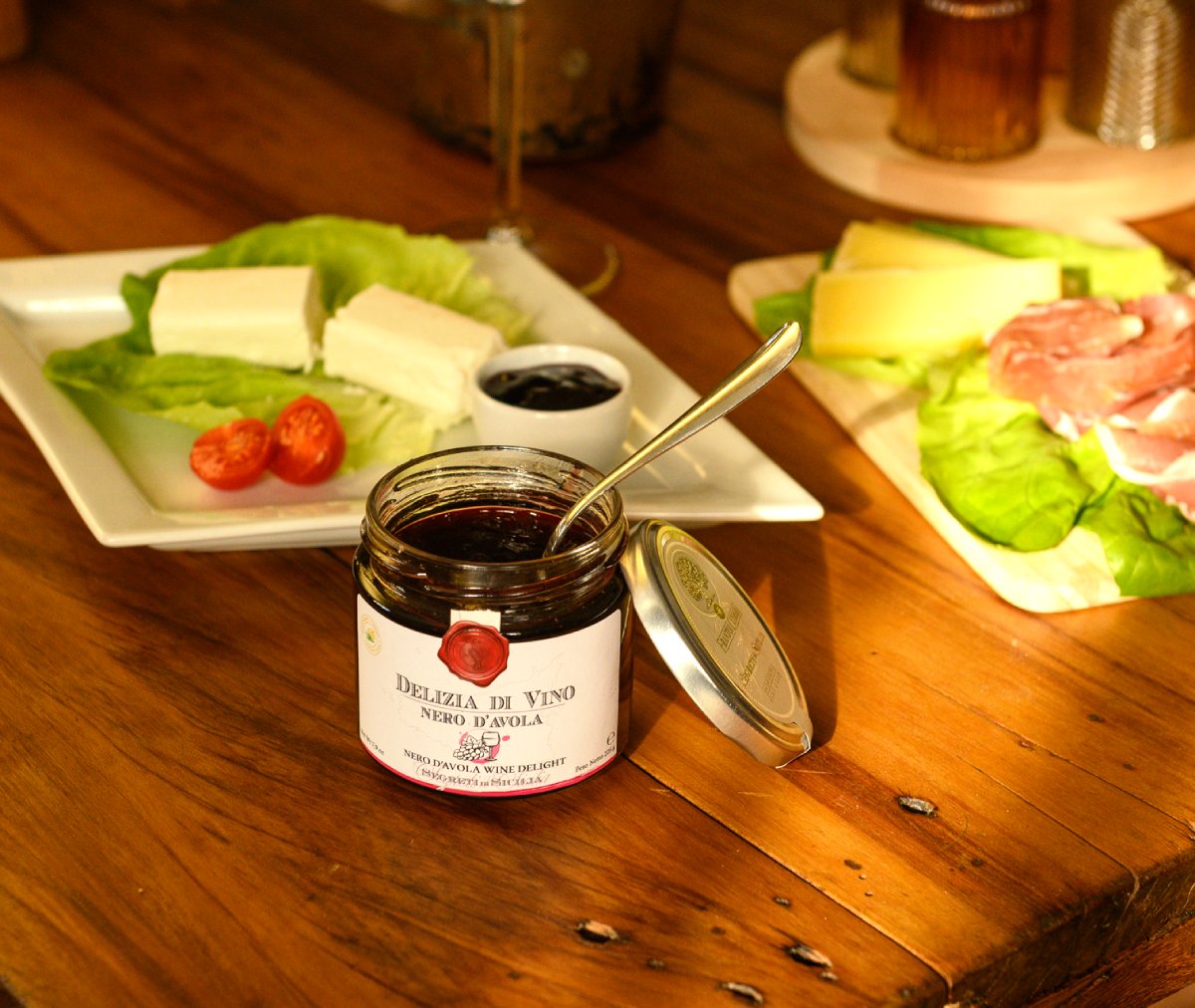
Index What is Wine Jam? Origins and Tradition of Wine Jam How Wine Jam is Made Wine Jam for Cheeses: A Perfect Pairing Red Wine Grape Jam: Differences and Properties Segreti di Sicilia Wine Jam: Why Choose It? Conclusion What is Wine Jam? Wine jam is a refined preserve made from the reduction of wine with the addition of sugar and natural flavors. Unlike traditional fruit jams, this preserve encapsulates the intense aroma and flavor of wine grapes, transforming it into a unique delicacy perfect for accompanying cheeses, desserts, and gourmet dishes. Like the production of extra virgin olive oil, the processing of artisan Sicilian jams also follows traditional methods that preserve the natural compounds of the fruit. To learn about Frantoi Cutrera's production philosophy: Sicilian jams: the authentic taste of tradition. Segreti di Sicilia wine jam is produced with selected Sicilian grapes. You can find this and other artisanal products in the Marmellate Segreti di Sicilia collection. Thanks to its versatility, wine jam is increasingly appreciated in cooking, becoming a key element for those who love to experiment with new flavors and enrich their preparations with a touch of elegance. Origins and Tradition of Wine Jam The first traces of a preparation similar to wine jam date back to peasant tradition, when in the Sicilian countryside, people sought ways to preserve the flavor of grapes throughout the year. Artisans and local producers began to cook wine with sugar and spices to create a dense and fragrant reduction, which paired well with aged cheeses and homemade bread. Today, this tradition continues thanks to excellent brands like Frantoi Cutrera, which with its Delizia di Vino Segreti di Sicilia offers an authentic and high-quality product. How Wine Jam is Made The preparation of wine jam follows a careful and artisanal process to preserve the authentic taste of the wine. Here are the main steps: Wine selection – A quality wine, usually Nero d'Avola, is used for its intense aromatic structure. Reduction – The wine is slowly boiled to concentrate the flavors. Addition of sugar and spices – To balance sweetness and add a spicy note. Slow cooking – The mixture is left to thicken until the perfect consistency is achieved. Preservation – The jam is pasteurized and stored in glass jars to maintain its taste. The result is a dense, intensely ruby-colored, and complex-flavored jam, which retains all the nuances of the wine used. Wine Jam for Cheeses: A Perfect Pairing One of the most beloved combinations is the pairing of wine jam and cheeses, a contrast that enhances the taste of both ingredients. Which cheeses to pair with wine jam? 🧀 Aged cheeses – Parmigiano Reggiano, Pecorino Siciliano, Grana Padano 🧀 Blue cheeses – Gorgonzola, Roquefort, Blu di Bufala 🧀 Fresh and creamy cheeses – Ricotta, Goat cheese, Stracchino The acidity and sweetness of the wine jam balance the savoriness of the cheeses, creating a perfect equilibrium for appetizers, gourmet cheese boards, and refined dinners. Red Wine Grape Jam: Differences and Properties There is often confusion between wine jam and red wine grape jam. Let's look at the main differences: Wine Jam: Obtained by reducing the wine itself, maintaining its aroma and complexity. Red Wine Grape Jam: Prepared with grapes used to produce wine, maintaining a greater consistency and a more fruity flavor. Both are perfect for gourmet pairings and creative recipes, but wine jam has a more refined and liquor-like note, making it an excellent choice for accompanying savory dishes and unique desserts. Segreti di Sicilia Wine Jam: Why Choose It? Among the best wine jams on the market, Frantoi Cutrera's Delizia di Vino Segreti di Sicilia stands out for quality and authenticity. Here's why it's a perfect choice: ✔️ 100% Sicilian – Produced with Nero d'Avola, one of the island's most renowned wines.✔️ Natural Ingredients – No preservatives or artificial flavors, just wine, sugar, and spices.✔️ Authentic Taste – Perfectly balanced between sweetness and aromatic intensity.✔️ Versatile in the Kitchen – Ideal with cheeses, meats, desserts, and even cocktails. If you are looking for a refined, authentic, and passionately crafted wine jam, Frantoi Cutrera's Delizia di Vino is the best choice. Conclusion Wine jam is a unique product, capable of transforming a simple dish into a surprising gastronomic experience. Perfect for those who love authentic and refined flavors, this preserve is the perfect ally for gourmet pairings and creative ideas in the kitchen. With the Delizia di Vino Segreti di Sicilia, you can bring all the taste and tradition of Sicily to your table. Try it and let yourself be won over by a unique flavor!
Marmellate Siciliane: Il Gusto Autentico della Tradizione

Sicilian Jams: The Authentic Taste of Tradition

Table of Contents What Are Sicilian Jams? Typical Sicilian Jams: A Journey Through Flavors Why Choose Organic Sicilian Jams? Sicilian Jams Online: How to Choose the Best How to Use Sicilian Jams in Cooking Sicilian Jams from Frantoi Cutrera: The Excellence of Segreti di Sicilia Conclusion What Are Sicilian Jams? Sicilian jams are much more than a simple food: they represent a deep connection with the tradition, culture, and unique flavors of Sicily. These products encapsulate the essence of fruits grown under the Sicilian sun, with an ideal climate that enhances their natural sweetness and intensity of taste. Before purchasing online, read our guide on how to read labels of artisanal products — the same criteria also apply to jams. Unlike industrial jams, typical Sicilian jams are made with natural ingredients and artisanal methods, respecting the authenticity of the raw material. Typical Sicilian Jams: A Journey Through Flavors Among the most popular products are citrus-based jams, which celebrate the richness of Sicilian oranges, lemons, and mandarins. Here are some typical varieties: In the Segreti di Sicilia Jams range, you'll find artisanal jams selected by Frantoi Cutrera: citrus fruits, figs, almonds, and typical island fruits. Tarocco Orange Jam: Sweet and slightly tart, perfect for breakfast and gourmet pairings. Mandarin Jam: With an intense and enveloping flavor, ideal for accompanying desserts or fresh cheeses. Lemon Jam: Fresh and lively, it adds a citrus touch to cakes and cookies. Each jar tells a story of passion and care, an authentic sensory journey into Sicilian tradition. Why Choose Organic Sicilian Jams? Organic Sicilian jams offer numerous benefits: Natural ingredients: Made with certified organic fruit, without pesticides or chemical preservatives. Authentic taste: They reflect the pure and original flavor of Sicilian fruit. Well-being and sustainability: Ideal for those seeking healthy and environmentally friendly food. With an organic product, you not only choose quality, but also a commitment to nature and the land. Sicilian Jams Online: How to Choose the Best Buying Sicilian jams online is convenient and simple, but it is essential to rely on quality producers. Here's what to consider: Origin: Verify that the fruits used are grown in Sicily. Certifications: Prefer certified organic products. Processing method: Choose jams prepared with artisanal methods to guarantee an authentic taste. The jams from Frantoi Cutrera, under the Segreti di Sicilia brand, represent an excellent choice for those seeking quality and tradition. How to Use Sicilian Jams in Cooking Sicilian jams are incredibly versatile and can be used in many ways: Sicilian jams pair wonderfully with aged cheeses — just like wine jam, perfect with Pecorino and Caciocavallo. Breakfast: Perfect spread on a slice of bread or paired with natural yogurt. Cheeses: Enhance the flavor of fresh and aged cheeses. Desserts: Ideal for filling cakes, tarts, or cookies. Gourmet pairings: Try them with roasted meats or foie gras for a unique contrast. Each jar is an invitation to experiment and create moments of pleasure at the table. Sicilian Jams from Frantoi Cutrera: The Excellence of Segreti di Sicilia The jams from Frantoi Cutrera, under the brand Segreti di Sicilia, are the symbol of Sicilian excellence. Here's what makes them unique: High-quality organic fruit: Grown in the fertile Sicilian lands, under the Mediterranean sun. Artisanal method: Traditional preparation that preserves the authenticity and nutrients of the fruit. Intense and natural flavor: Every spoonful is an explosion of taste, without excessive added sugars. Among the most loved offerings are Tarocco Orange Jam and Lemon Jam, ideal for bringing all the warmth and sweetness of Sicily to your table. Conclusion Sicilian jams are a product that combines tradition, quality, and authenticity. Choosing Frantoi Cutrera means bringing home a piece of Sicily, enclosed in a jar of organic jam. From breakfast to the most refined desserts, Sicilian jams from Segreti di Sicilia are the perfect ally for those seeking an authentic and genuine experience. Discover the unique taste of Sicilian jams and transform every meal into a special occasion.
Olive alla Contadina: Tradizione e Gusto Autentico

Olive alla Contadina: Tradition and Authentic Taste

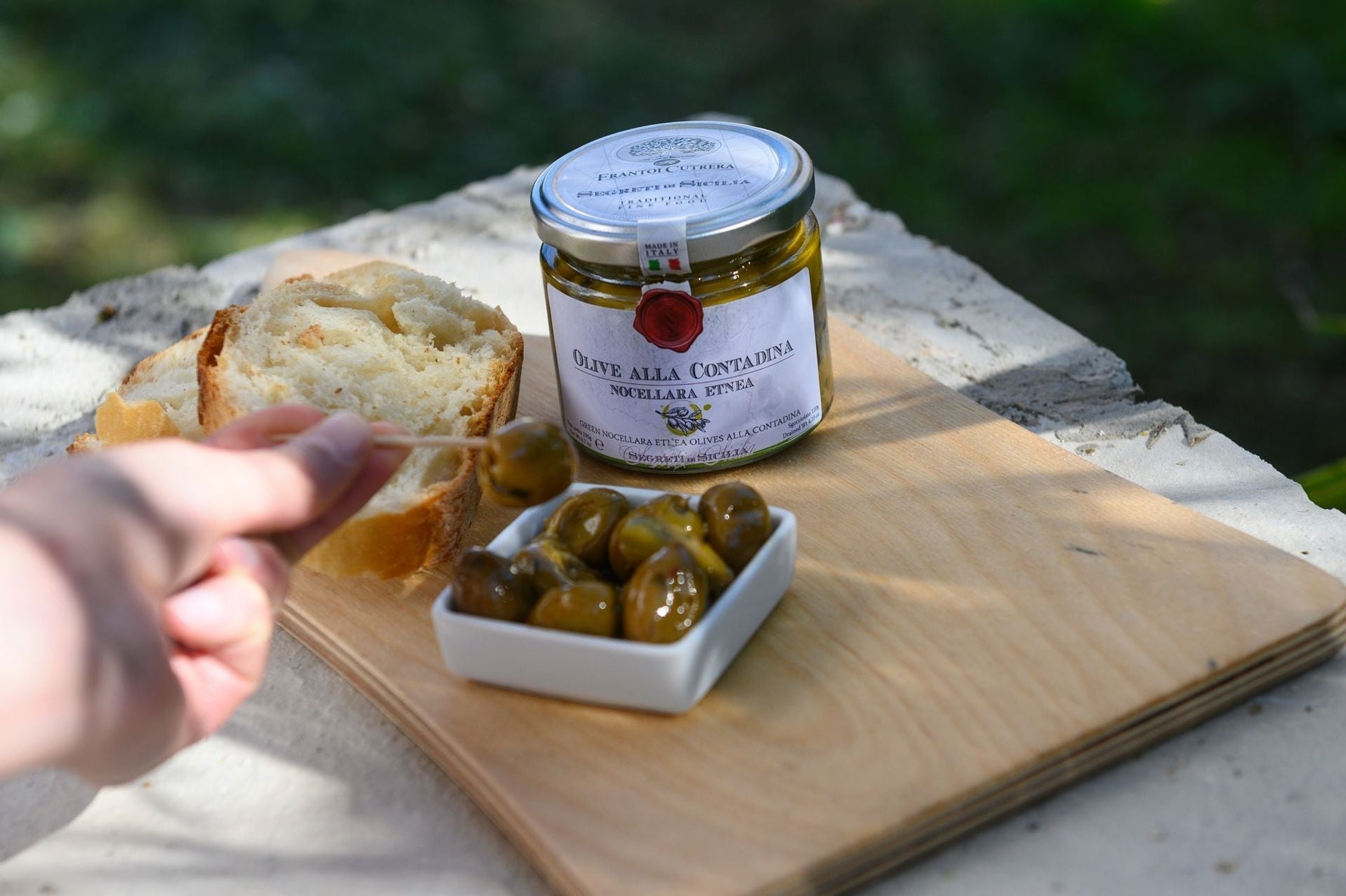
What are "Contadina Style" Olives? "Contadina style" olives are an authentic celebration of Italian tradition. Prepared using artisanal techniques passed down through generations, these olives are carefully processed to enhance their natural flavor and unique texture. Often seasoned with fresh aromas like garlic, chili pepper, oregano, and extra virgin olive oil, they symbolize simple yet genuine cuisine. Contadina style olives are part of the great tradition of Sicilian preserves. To discover all the products in our range, visit the Segreti di Sicilia collection. Perfect as an appetizer, snack, or versatile ingredient, Contadina style olives are a delicious choice for those who want to bring the authentic taste of tradition to their table. The Different Varieties: Green, Black, and Crushed Olives Contadina style olives are distinguished by three main varieties: Green Contadina Style Olives: Crispy and with a strong flavor, perfect for pairing with cheeses or cured meats. Black Contadina Style Olives: With an intense and slightly bitter taste, they are ideal for enriching salads and meat dishes. Crushed Contadina Style Olives: Marinated with aromatic herbs and spices, they offer a soft texture and an extraordinarily rich flavor. Each variety is the result of careful processing, designed to preserve the taste and properties of fresh olives as much as possible. How are "Contadina Style" Olives Produced? The preparation of Contadina style olives follows traditional processes that combine craftsmanship and innovation: Hand-picking: Olives are selected at their best maturity to ensure quality and freshness. Natural processing: The olives are preserved in brine to remove natural bitterness and enriched with flavors such as garlic, chili pepper, and extra virgin olive oil. Artisanal preservation: Each jar is carefully packaged to ensure the highest quality reaches your table. These steps are fundamental to obtaining an authentic and flavorful product. What do "Contadina Style" Olives Contain? Our Contadina style olives are born from an artisanal process that combines tradition and quality. We exclusively use olives of the Nocellara Etnea variety, known for their fleshy pulp and excellent pit-to-pulp ratio. After harvesting, the olives are preserved in brine to maintain their freshness. Like all olives, Contadina style olives are rich in the same compounds that make extra virgin olive oil a functional food. To learn more: polyphenols in EVO oil. For the preparation of this recipe, the olives are carefully desalted and then seasoned with our Frantoi Cutrera extra virgin olive oil, which enhances their flavor. To further enrich them, we add selected ingredients such as wild fennel, parsley, oregano, mint, garlic, chili pepper, and salt, following a time-honored recipe. Finally, the preserve is pasteurized, a fundamental step that helps preserve the intense green color and fleshy texture of the olives. Upon opening the jar, you will be enveloped by a delicious aroma of mint and wild fennel, the characteristic scents of this unique preparation. This process guarantees a high-quality product, ready to be enjoyed on any occasion. Why Choose Frantoi Cutrera's "Contadina Style" Olives Frantoi Cutrera is synonymous with excellence in olive cultivation and processing. Its Contadina style olives represent the highest quality on the market thanks to: Selected raw materials: Olives grown in the fertile Sicilian lands, famous for ideal climatic conditions. Artisanal processing: Every step respects tradition, ensuring an authentic and natural taste. Absence of chemical preservatives: Our olives are processed using natural methods to preserve their authentic flavor. Choosing Frantoi Cutrera means bringing home a product that tells the story of a land rich in flavors and traditions. How to Use "Contadina Style" Olives in Cooking Contadina style olives are incredibly versatile. Here are some ideas on how to use them: Appetizers: Serve them with toasted bread, cheeses, and cured meats for an irresistible aperitif. Condiments: Use them to enrich salads, pizzas, or focaccias. Main courses: Add them to meat, fish, or pasta dishes for a unique touch of flavor. Snacks: Enjoy them on their own for a healthy and flavorful snack. "Contadina Style" Olives and Sicilian Tradition Contadina style olives are deeply rooted in Sicilian culture. Each olive tells the story of a land rich in culinary traditions, where food is an experience that combines taste, conviviality, and passion for quality. Thanks to Sicily's unique climate and the skill of local producers, Contadina style olives become an ingredient that celebrates the bond between territory and authenticity. Frequently Asked Questions about "Contadina Style" Olives What is the difference between green and black Contadina style olives?Green olives are harvested before full ripeness, resulting in a crisper texture and fresher flavor. Black olives, on the other hand, ripen completely on the tree, developing a more intense and complex taste. Can I use Contadina style olives in hot recipes?Absolutely! Contadina style olives are perfect for adding to sauces, pasta dishes, or baked recipes. How should I store Contadina style olives once opened?Keep the jar in the refrigerator and ensure the olives are covered by the preserving liquid to keep them fresh longer. Conclusion: The Value of Quality "Contadina Style" Olives Frantoi Cutrera's Contadina style olives are more than just a food: they are a journey through the authentic flavors of Sicily. Perfect for any occasion, these olives offer taste, quality, and tradition in every bite. Choosing Frantoi Cutrera means bringing a unique product to your table that combines craftsmanship and passion. Discover the authentic flavor of our Contadina style olives and transform every meal into a special moment. Discover Frantoi Cutrera's Contadina Style Olives and bring the best of Sicily to your table! Contadina style olives pair perfectly with Sicilian extra virgin olive oil — read our guide to extra virgin olive oil pairings to discover the best combinations.
Fior di Sale: Cos'è e Perchè Sceglierlo

Fior di Sale: What It Is and Why Choose It

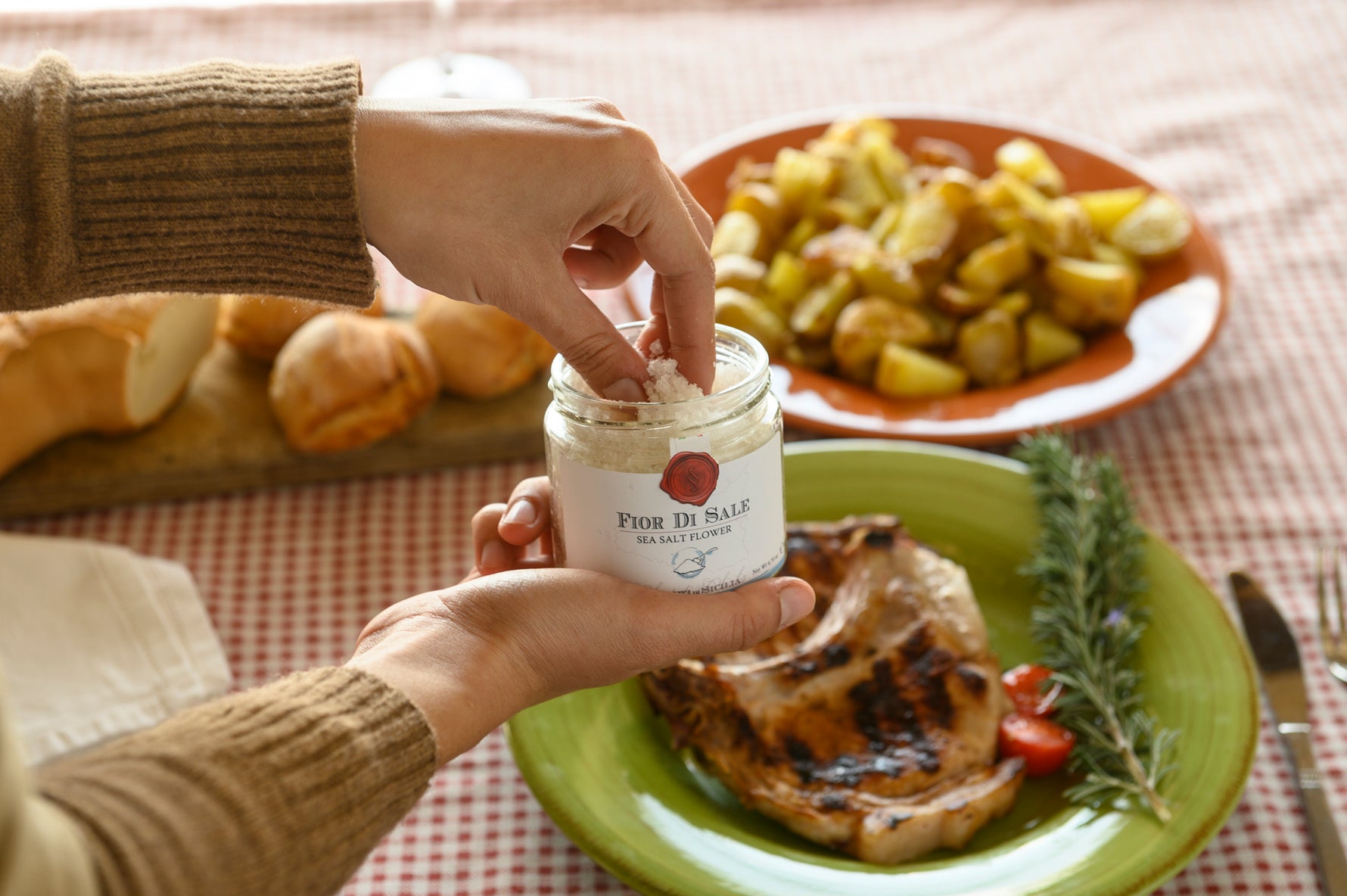
This article has been integrated and expanded. You can find the complete and updated guide here: Fior di Sale: What it is, How it's Produced in Sicily, and How to Use it in Cooking. The new guide covers: what fior di sale is, how it's produced in the Sicilian salt pans of Trapani, the differences from common salt, food pairings, and how to store it. Read the complete guide to fior di sale →
Pesto di Basilico: Tradizione, Varianti e Consigli Utili

Basil Pesto: Tradition, Variations and Helpful Tips

Index Introduction to Basil Pesto​ Origins and Tradition of Basil Pesto​ Regional Variations of Basil Pesto​ Sicilian Basil Pesto with Almonds and Pistachios​​​ How to Make Basil Pesto at Home​ How to Store Basil Pesto​ Food Pairings with Basil Pesto​​ Why Basil Pesto Turns Dark or Bitter​​ Basil Pesto in the Diet​ Conclusion Introduction to Basil Pesto Basil pesto is a traditional Italian sauce, originating from Liguria, prized for its fresh aroma and intense flavor. Made primarily with fresh basil, pine nuts, garlic, cheese, and extra virgin olive oil, it has become a versatile condiment in numerous cuisines. Origins and Tradition of Basil Pesto The word "pesto" comes from the Italian verb "pestare," which means to crush or pound, referring to the traditional method of preparation with a mortar and pestle. Born in Genoa, pesto alla genovese has become a symbol of Ligurian cuisine, with a recipe that includes the use of Genoese basil DOP, pine nuts, garlic, Parmigiano Reggiano, Pecorino and extra virgin olive oil. Regional Variations of Basil Pesto In addition to the classic version, there are numerous regional variations of pesto: Pesto alla Trapanese: Originating from western Sicily, it combines basil, fresh tomatoes, almonds, garlic and olive oil. Arugula Pesto: Replaces basil with arugula, offering a spicier, bolder flavor. Pistachio Pesto: Typical of Sicily, it uses pistachios instead of pine nuts, giving it a sweet and unique note. Sicilian Basil Pesto with Almonds and Pistachios Frantoi Cutrera, a renowned Sicilian producer, offers a reinterpretation of traditional pesto, using high-quality local ingredients. Their Sicilian Basil Pesto combines: Sicilian Almonds and Pistachios: Replace pine nuts, offering a crunchy texture and rich flavor. Cosacavaddu Cheese: Sicilian alternative to Parmesan, adds depth to the flavor. Frantoi Cutrera Extra Virgin Olive Oil: Enhances and harmonizes all the ingredients. This version celebrates Sicilian tradition, offering an authentic and distinctive culinary experience. How to Make Basil Pesto at Home Making basil pesto at home is simple and requires just a few fresh ingredients: Ingredients: 50g fresh basil leaves 30g pine nuts 1 clove of garlic 50g grated Parmigiano Reggiano 100ml extra virgin olive oil Salt to taste Procedure: Wash and Dry the Basil: Gently rinse the leaves and dry them carefully to avoid oxidation. Crush the Ingredients: In a mortar, crush the garlic with a pinch of salt, add the pine nuts and continue to crush until you obtain a smooth paste. Add the Basil: Combine the basil leaves and crush with circular movements until you obtain a creamy consistency. Incorporate the Cheese: Add the grated Parmesan and mix well. Pour the Oil: Add the oil in a drizzle, continuing to mix until you obtain a smooth sauce. For a Sicilian version, replace the pine nuts with almonds and pistachios and the Parmigiano with a local cheese such as Cosacavaddu or Pecorino Siciliano. Adding a high-quality extra virgin olive oil, such as Frantoi Cutrera , will make your pesto even more aromatic and genuine. How to Store Basil Pesto Basil pesto is a delicate sauce that requires some care to best preserve its freshness and color: Short Term Storage Store the pesto in the refrigerator in an airtight glass container. Add a layer of extra virgin olive oil on top of the pesto to protect it from oxidation. Consume within 3-4 days to maintain maximum flavor. Long Term Storage You can freeze pesto in portions, using airtight containers or ice cube trays. Avoid adding cheese before freezing; add it after thawing for a fresher taste. Frozen properly, pesto can last up to 6 months. Food Pairings with Basil Pesto Basil pesto is incredibly versatile and pairs well with numerous dishes: First courses Perfect for seasoning fresh pasta such as trofie, tagliatelle or gnocchi. Also with busiate . You can dilute it with a spoonful of cooking water to obtain a more fluid sauce. Second courses and appetizers Spread pesto on crispy bruschetta or use as a filling for gourmet sandwiches. Try it as an accompaniment to white meat or grilled fish. Creative Dishes Mix it with ricotta to create a filling for ravioli or lasagna. Add it to grain or vegetable salads for a flavorful touch. Why Does Basil Pesto Turn Dark or Bitter? When making or storing pesto, you may notice a change in color or flavor. Here are some explanations and solutions: Why Does It Get Dark? Oxidation is the main cause of color change. Contact with air can cause basil to darken. Use very dry basil and add a generous layer of oil to protect it from the air. Why Does It Become Bitter? Overprocessing with metal blades, such as those in a blender, can oxidize basil and make it bitter. If possible, use a pestle and mortar or a low-speed blender to minimize heat. Basil Pesto in the Diet Basil pesto can be part of a balanced diet thanks to its nutritious and natural ingredients: Health Benefits Rich in antioxidants thanks to fresh basil and extra virgin olive oil. Source of healthy monounsaturated fats, which are good for your heart. Contains vegetable proteins and essential vitamins. Watch Out for Calories Despite its benefits, pesto is high in calories due to the presence of oil, cheese and dried fruit. It is perfect in moderate quantities, perhaps combined with vegetables or whole grains. Conclusion Basil Pesto , whether in its classic version or reinterpreted in the Sicilian style as proposed by Frantoi Cutrera , is much more than a simple sauce: it is an explosion of taste that encompasses tradition, quality and versatility. With its unmistakable aromatic profile and the possibility of pairing it with numerous dishes, it represents an indispensable condiment in Italian and international cuisine. If you are looking for a unique and authentic pesto, try the Sicilian Basil Pesto with Almonds and Pistachios by Frantoi Cutrera. Discover Sicilian excellence and bring a touch of originality and tradition to your dishes.
Olive alla Contadina: Un Viaggio nei Sapori Autentici della Sicilia

Olive alla Contadina: A Journey Through the Authentic Flavors of Sicily

Index Introduction to Olives in the Farmer's Style The Tradition of Olives in the Country Style in Sicily Frantoi Cutrera : Masters in Olive Production Nocellara Etnea Olives : A Cultivar of Excellence Production Process of Country - Style Olives How Olive alla Contadina are produced Organoleptic Characteristics of Olives alla Contadina Food Pairings and Suggestions for Use Where to Buy Olives alla Contadina by Frantoi Cutrera Conclusion : A Taste of Sicily on Your Table Introduction to Olives in the Farmer's Style Olive alla Contadina represent one of the most authentic expressions of the Sicilian culinary tradition. This preparation, which has its roots in ancient peasant customs, enhances the olives through a simple but flavorful process. Frantoi Cutrera, with its "Segreti di Sicilia" line, offers a version of this specialty using the prized Nocellara Etnea olives, thus enhancing the typical taste and aroma of Sicily. The Tradition of Olives in the Country Style in Sicily In Sicily, the preparation of olives is a ritual that is passed down from generation to generation. Olive alla Contadina was born from the need to preserve the olives harvested during the season, transforming them into a tasty and versatile food. This technique involves curing the olives with simple ingredients such as aromatic herbs, garlic and chili pepper, which give the final product an intense and characteristic flavor. Frantoi Cutrera: Masters in Olive Production With a long tradition in olive growing, Frantoi Cutrera is internationally recognized for the quality of its products. The passion for olives and attention to detail have allowed the company to obtain numerous awards, positioning itself as a leader in the sector. Olive alla Contadina are a testimony to Frantoi Cutrera's commitment to preserving and promoting Sicilian culinary traditions. Nocellara Etnea Olives: A Cultivar of Excellence The choice of Nocellara Etnea olives for the preparation of Olive alla Contadina is not accidental. This cultivar, typical of the slopes of Etna, is appreciated for its meaty pulp and balanced flavor. Nocellara Etnea olives, thanks to the particular climatic conditions and volcanic soil, develop unique organoleptic characteristics, making them ideal for this traditional preparation. Production Process of Country-Style Olives The Segreti di Sicilia Olive alla Contadina by Frantoi Cutrera follow a traditional process that enhances the taste and preserves the properties of the olives. The process begins with the harvesting of the best Nocellara Etnea olives, carried out at the ideal moment of ripeness. Subsequently, they are processed with traditional methods that combine ancient recipes and modern techniques. How Olives Are Produced in the Country Style Secrets of Sicily The olives, carefully selected, are immersed in a natural brine to preserve their freshness and flavor. They are then flavored with a mix of traditional ingredients: aromatic herbs, garlic and chili pepper, which give the final product its unmistakable flavor. This method not only preserves the organoleptic qualities of the olives, but also enhances their natural flavor, making them perfect for multiple uses in the kitchen. Organoleptic Characteristics of Olives alla Contadina The Olives alla Contadina by Frantoi Cutrera are distinguished by: Color: Deep green with golden hues. Aroma: Herbaceous notes with hints of garlic and chilli. Taste: Balanced, with a perfect balance between the sweetness of the pulp and the spiciness of the seasoning. Texture: Fleshy and crunchy pulp, which makes every bite a pleasant experience. Food Pairings and Suggestions for Use Olive alla Contadina are extremely versatile in the kitchen. They can be served as an appetizer, accompanied by cheeses and cured meats, or used to enrich salads and meat dishes. Their intense flavor also makes them ideal as an ingredient for focaccia and homemade bread. To fully appreciate their characteristics, we recommend serving them at room temperature. Where to Buy Olives alla Contadina by Frantoi Cutrera Olive alla Contadina by Frantoi Cutrera are available in our shop , in the section dedicated to "Segreti di Sicilia" preserves. By purchasing directly from the producer, you are sure to receive a fresh and authentic product, the fruit of tradition and passion for olive growing. Conclusion: A Taste of Sicily on Your Table Bringing Olive alla Contadina by Frantoi Cutrera to the table means immersing yourself in the authentic flavors of Sicily. Each jar is the result of a centuries-old tradition, an accurate production process and love for our land. Perfect for those looking for genuine and versatile products, these olives are the symbol of Sicilian gastronomic excellence. Visit our online shop and discover how Olive alla Contadina can transform your dishes, enriching every meal with a touch of tradition and quality.
Olio di Oliva Spray: Praticità e Qualità in Cucina

Olive Oil Spray: Practicality and Quality in the Kitchen

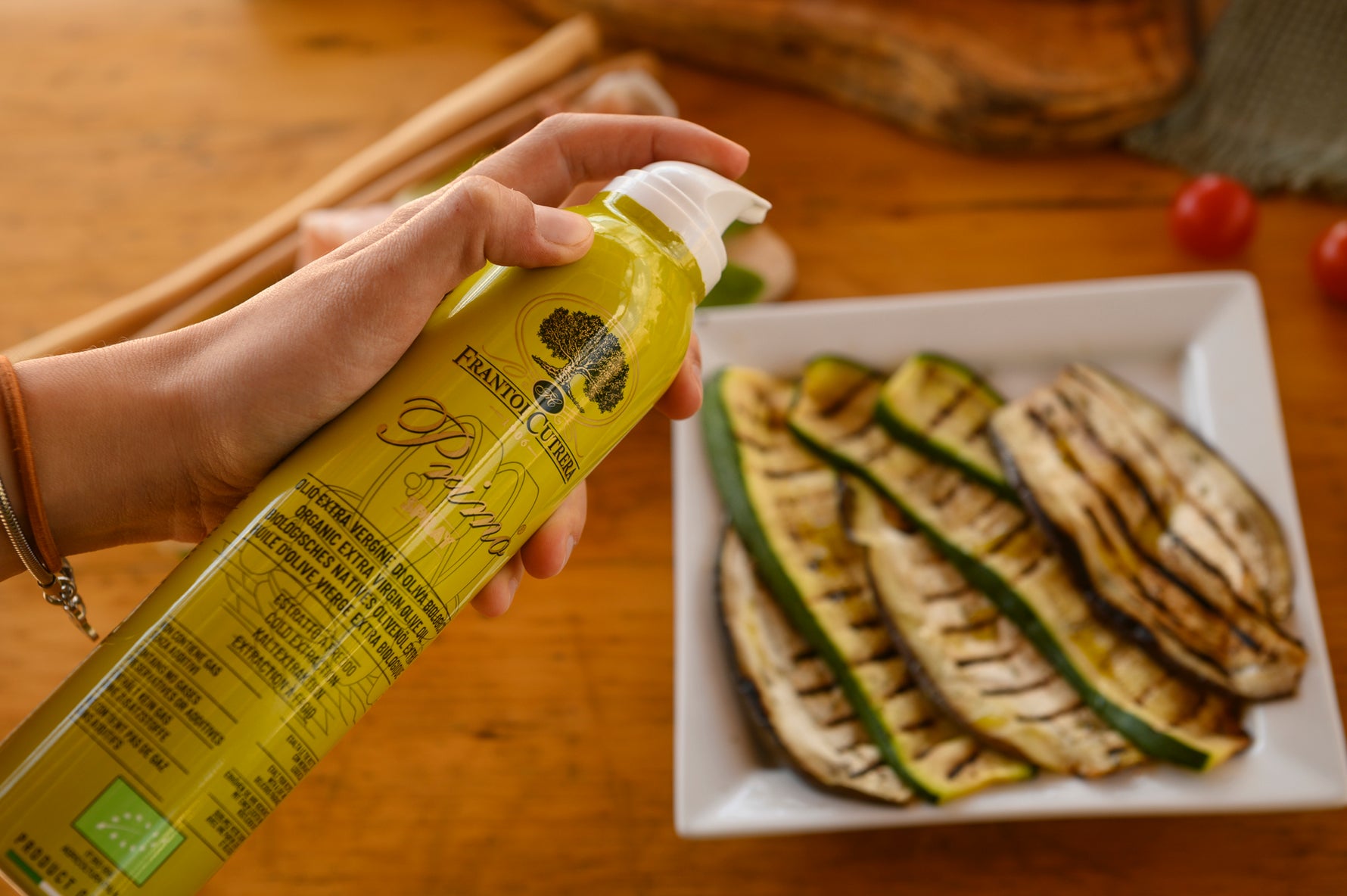
Table of Contents Frantoi Cutrera's Primo BIO Spray is 100% organic Sicilian extra virgin olive oil, with no additives or propellants. Introduction to Spray Olive Oil What Makes Spray Olive Oil a Unique Product? Advantages of Spray Extra Virgin Olive Oil in the Kitchen How to Use Spray Oil for the Air Fryer Spray Olive Oil: Perfect for Diet Organic Spray Oil: Frantoi Cutrera's Sustainability How to Choose the Best Spray Extra Virgin Olive Oil The Different Applications of Spray Olive Oil Frantoi Cutrera: Sicilian Excellence in Spray Format Conclusion: Why Choose Frantoi Cutrera's Spray Olive Oil Introduction to Spray Olive Oil If you've ever wondered how to make your cooking more practical without compromising on quality, spray olive oil might be the answer you've been looking for. This innovative product has become increasingly popular in the kitchens of those who want maximum convenience without compromise, and the reason is clear: it allows you to dispense oil with precision, avoiding waste and preserving all the flavor and beneficial properties of extra virgin olive oil. In this article, we will thoroughly explore all the features, benefits, and best applications of spray olive oil, with a particular focus on Frantoi Cutrera's extra virgin spray oil. Get ready to discover why it is considered one of the best on the market. What Makes Spray Olive Oil a Unique Product? Spray olive oil is an innovation that has changed the way we use oil in cooking. Unlike classic bottles or oil cans, the spray format allows you to mist the oil onto any surface with extreme precision. But what makes it so special? Precision and Control One of the main advantages of spray olive oil is its ability to ensure precise dosing. Not only can you apply a reduced amount of oil, but you can also ensure it spreads evenly on pans, dishes, or food, without using too much product. This makes it ideal for those who want to reduce fat intake without sacrificing taste. Practicality Extra virgin olive oil spray is extremely practical. Just a light press is enough to dispense the oil, which can be used on pans, salads, bread, and even on baked or grilled foods. It's also a great ally for those using an air fryer, thanks to its ability to mist small quantities without waste. Advantages of Spray Extra Virgin Olive Oil in the Kitchen Avoid Waste Spray olive oil allows you to use exactly the amount you need, drastically reducing waste. With a traditional bottle, we often pour more oil than necessary, but the spray gives you total control. A small spray is often all that's needed to flavor a dish or grease a pan. Even Distribution Thanks to its atomized form, spray oil distributes evenly, ensuring uniform coverage on any surface or food. This is particularly useful when preparing crispy or baked dishes, where an even application of oil can make all the difference. Fewer Calories and Fats For those who are figure-conscious, spray oil offers a significant advantage: it allows you to limit the use of oil, without sacrificing taste. Just a light spray is enough to season your dishes, reducing calorie and fat intake, while maintaining all the organoleptic properties of extra virgin olive oil. How to Use Spray Oil for the Air Fryer The use of spray oil is particularly recommended for those who own an air fryer. This appliance is now very popular in the kitchens of those who want to prepare crispy food without using large amounts of oil. For technical details on the smoke point: olive oil smoke point. Advantages of Spray Oil in the Air Fryer Crispy Cooking: A light spray of extra virgin olive oil before cooking ensures even browning and a crispy texture without making dishes heavy. Zero Waste: With spray oil, you can perfectly dose the oil to be applied to food, avoiding the use of too much product. Ease of Use: Spray oil is easy to use and requires no additional tools. Just spray it directly on food or on the surface of the air fryer basket. Tips for Use For optimal results, we recommend spraying the oil directly onto food before placing it in the air fryer. This way, you'll get crispy and golden food without the need to immerse it in oil. Spray Olive Oil: Perfect for Diet Extra virgin olive oil is well known for its health benefits, and it is an essential part of the Mediterranean diet. With the spray version, you can continue to reap these benefits, while reducing calorie and fat consumption. Health Benefits Extra virgin olive oil is rich in antioxidants and monounsaturated fats, which contribute to: Improve heart health: Studies have shown that consuming extra virgin olive oil helps reduce bad cholesterol and increase good cholesterol, protecting the heart. Reduce inflammation: Thanks to its antioxidants, extra virgin olive oil has natural anti-inflammatory properties, which help fight chronic diseases. Support weight loss: Spray oil allows for less oil to be used compared to traditional methods, while still retaining the health benefits of extra virgin olive oil. Organic Spray Oil: Frantoi Cutrera's Sustainability Another great advantage of Frantoi Cutrera's extra virgin olive oil spray is that it is an organic product, obtained from olives cultivated without the use of pesticides or chemical fertilizers. The Importance of Sustainability In an era where sustainability is increasingly important, choosing an organic oil means making a responsible choice for both your health and the environment. Frantoi Cutrera uses sustainable agricultural methods that respect the land and preserve biodiversity. A High-Quality Organic Product Frantoi Cutrera's extra virgin spray oil combines the superior quality of organic oil with the practicality of the spray format. It is perfect for those who want a healthy, natural, and sustainable product, without compromise. How to Choose the Best Spray Extra Virgin Olive Oil When it comes to choosing the best spray oil, there are several factors to consider: Read our complete guide to olive oil to understand the differences between extra virgin, virgin, and refined. Oil quality: Make sure the oil used is of the highest quality. Extra virgin olive oil must be pure, without additives or preservatives. Dispensing method: The spray format must ensure a fine and uniform mist, to prevent oil from accumulating in certain parts of the food. Sustainability: Choose an organic spray oil produced with sustainable methods. Not only is it better for your health, but it also helps protect the environment. The Different Applications of Spray Olive Oil Spray oil is extremely versatile and can be used in many different contexts in the kitchen: Salads: Perfect for dressing salads with a light touch of oil, without weighing them down. Grilling: Ideal for greasing grills before cooking meat, fish, or vegetables. Bread and Bruschetta: A light spray of oil on toasted bread or bruschetta delicately enhances flavors. Frying: When used with an air fryer, it allows for crispy frying with very little oil. Frantoi Cutrera: Sicilian Excellence in Spray Format When it comes to spray extra virgin olive oil, Frantoi Cutrera is synonymous with excellence. Our long tradition and attention to quality allow us to produce a spray oil that is the result of years of experience and passion for olive growing. To discover the complete range of Sicilian extra virgin olive oils: best Sicilian extra virgin olive oil. Why Choose Frantoi Cutrera? Certified Quality: Frantoi Cutrera's extra virgin olive oil is renowned for its superior quality, internationally awarded. Organic Product: Our spray oil is organic, additive-free, and completely natural. Ease of Use: The spray format is convenient, practical, and prevents waste. Perfect for those looking for a quick and healthy solution in the kitchen. Conclusion: Why Choose Frantoi Cutrera's Spray Olive Oil In conclusion, spray olive oil is the perfect solution for those who want a high-quality, convenient, and versatile product. Frantoi Cutrera's extra virgin spray oil represents the best of Sicilian tradition in an innovative format, perfect for those seeking maximum control in the kitchen without sacrificing the authentic flavor of extra virgin olive oil. Visit our online shop and discover the spray oil that is revolutionizing the kitchens of those who love quality and practicality!
Fior-di-Sale-La-Spezia-di-Elite-della-Cucina-Mediterranea FRANTOI CUTRERA

Fleur de Sel: The Elite Spice of Mediterranean Cuisine

This article has been integrated and expanded. You can find the complete and updated guide on: Fior di Sale: What it is, How it is Produced in Sicily, and How to Use it in Cooking. The new guide covers: what fior di sale is, how it is produced in the Sicilian salt pans of Trapani, the differences from common salt, food pairings, and how to store it. Read the complete guide to fior di sale →
Olio-Extravergine-di-Oliva-Siciliano-la-qualità-Frantoi-Cutrera FRANTOI CUTRERA

Sicilian Extra Virgin Olive Oil: Frantoi Cutrera quality

Introduction: The Importance of Extra Virgin Olive Oil in Sicilian Culture When we talk about Sicily, an island in the heart of the Mediterranean, we immediately think of its breathtaking landscapes, crystal-clear sea and, of course, its rich and authentic cuisine. Among the many culinary treasures, extra virgin olive oil occupies a prominent place. It is much more than a simple condiment; it is the lifeblood of our culinary and cultural tradition. I still remember the stories our grandparents told us, sitting around the family table. They talked about how oil was produced in ancient times, with traditional methods passed down from generation to generation. Stone oil mills, manual presses and inimitable artisan knowledge have given life to an oil that is a symbol of quality and authenticity. The Olive Tree: Symbol of Peace and Prosperity For us Sicilians, the olive tree is a sacred symbol. Its roots are deeply embedded in our soil and in our history. Each olive tree has a story to tell, made of patience and dedication. In our olive groves, even time seems to flow differently, following the natural rhythm of the seasons. "Oil is the blood of the Sicilian land", our grandfather always told us. And in these words there was all the love and passion he put into his work. Extra Virgin Olive Oil: A Protagonist in the Kitchen With a drizzle of extra virgin olive oil, every dish is transformed. It's not just a matter of taste, but also of health. Sicilian oil is rich in antioxidants and monounsaturated fatty acids, precious allies for our well-being. Think of a plate of pasta "con le sarde" dressed with a fruity and full-bodied oil, or a simple tomato salad made delicious by a spicy and aromatic oil. These are the flavors that carry with them the heat of the Sicilian sun and the sweat of work in the fields. The Harvest Cycle Every year, the wait for the olive harvest is felt. It is a time of celebration and hard work, in which families gather to work together. From harvesting to milling, every gesture is cared for with love. The resulting oil is a living testimony of a tradition that continues to be at the center of our lives. Our journey through the world of Sicilian extra virgin olive oil allows us to rediscover not only food, but also the roots of our culture and our identity. The History of Frantoi Cutrera: Tradition and Innovation When we talk about Frantoi Cutrera, we talk about a story that has its roots in a land of passion and tradition: Sicily. Our adventure began more than a century ago, in the heart of the Iblei region, where the Cutrera family decided to dedicate themselves body and soul to the cultivation of olive trees. Since then, six generations have followed one another, keeping alive our commitment to excellence. The First Steps In the early years, work was hard and resources were limited. We relied on traditional methods, passed down from generation to generation. The ancient stone mills, moved by the force of water, were the beating heart of our business. Harvesting olives required labor and dedication, and the entire community participated as if it were one big family. Innovation Pays Homage to Tradition As the years went by, we understood that to maintain and improve quality, we had to evolve. Towards the end of the twentieth century, we began to adopt modern technologies. However, each step towards innovation was carefully considered, so as never to betray the roots and soul of our production. Evolution of the systems: In the 90s, we introduced the first cold extraction systems, which allowed us to better preserve the organoleptic properties of the oil. Sustainability: Since 2000, we have invested in sustainable farming practices, such as the use of low-impact irrigation techniques. Quality Certifications: We have obtained numerous awards, including certifications such as IGP and DOP, which attest to the quality and authenticity of our oil. The Future in Our Hands Today, we are proud to be a point of reference in the production of extra virgin olive oil. We continue to innovate, respecting the lessons of the past. We believe in the importance of continuous training and collaborate with universities and research institutes to experiment with new techniques and varieties of olive trees. Our countryside, among the dry stone walls and the scents of the Mediterranean scrub, tells a story that continues to live and grow, intertwining tradition and innovation in a perfect union. Production Process: From Harvest to Table The journey of our extra virgin olive oil begins in the fields, where centuries-old olive trees dominate the Sicilian landscape. There, among the sounds of nature and the heat of the sun, we hand-pick the olives at the ideal time, when they are at their peak ripeness. Harvesting olives by hand is not just a tradition, it is a choice that preserves quality. Our hands work with care, picking each olive to ensure that none are damaged. Here, we truly feel the connection with past generations, who cultivated these same trees with the same dedication. Once harvested, the olives are immediately transported to the mill. Here the magic begins, where the art of extraction releases the unique flavors of Sicily. Process Phases Defoliation and Washing : With the precision of a watchmaker, we remove the leaves and wash the olives, preparing them for extraction. Crushing : The olives are crushed, turning into a dense and fragrant paste. It is at this moment that the intoxicating smell of oil begins to fill the air. Kneading : The paste is slowly mixed to release the natural oils. It is a delicate process, requiring the perfect balance of time and temperature. Extractor : The pulp passes through an extractor that separates the oil from the water and pulp. At each stage, we carefully control the temperature to preserve the organoleptic properties of our oil. It is not just about oil, but an ancient ritual that we revive with modernity and passion. The extra virgin olive oil obtained is stored in stainless steel containers, ready to be bottled. Each bottle is the result of meticulous work, a tribute to our land and our roots. Our journey does not end at the mill. With heart and pride, we bring our oil to your homes, ensuring that every drop reflects the beauty and passion of Sicily. "Oil is art, it is history, it is the fruit of a love passed down from generation to generation." The Olive Varieties Used: A Treasure of Aromas and Flavors When you enter the Cutrera mills, you are immediately greeted by the intoxicating aroma of fresh olives. We do not just produce any oil; our goal is to create a 100% Sicilian extra virgin olive oil that captures the essence of our land. To achieve this, we carefully select from a variety of unique olives that come together to produce an exceptional oil. Nocellara of Belice This variety is known for its large, fleshy fruit, characterized by a fruity and slightly spicy flavor. Nocellara del Belice olives contribute to an oil with a perfect balance of bitterness and spiciness. White lilac Biancolilla olives, one of the oldest varieties in Sicily, are known for their floral scent and delicate flavor. They add a slightly sweet note to our oil, with hints of artichoke and almond. Cherry With their intense green color and strong flavor, Cerasuola olives bring a touch of bitterness and spice to our oil. They are ideal for those looking for a more robust and persistent flavor. Moorish This variety characterizes our oil with a complex combination of sweetness and bitterness. Moresca olives create a unique flavor, rich in green notes and a slightly spicy aftertaste. Iblea Round Native cultivar from the Monti Iblei area, as the name suggests. This is an olive that gives our oil an intense fruity essence, with notes of green tomato and fresh herbs. Each variety of olive is a world in itself, a jewel that brings its own uniqueness to our extra virgin olive oil. Thanks to this harmonious mix of cultivars, we are able to produce an oil that tells the story of Sicily through its unmistakable aromas and flavors. The Sicilian Territory: A Unique Terroir for a Unique Oil Imagine our sun-kissed hills, where olive trees reign supreme. Here, in this fertile and generous land, history meets nature, creating an unparalleled terroir. Our roots sink into volcanic and calcareous soils, giving the olive trees a nourishing embrace that is reflected in the unique flavor of our extra virgin olive oil. In spring, the fields come alive with the sound of birds singing and the scent of wild flowers. But it is summer that marks the beginning of the real show. When the scorching Sicilian sun begins to embroider golden shadows on the olive trees, we know that harvest time will soon arrive. And it is not just a harvest; it is an ancient ritual, passed down from generation to generation. We harvest the olives by hand, with care and respect for the plant. This allows us to select only the best fruits, maintaining the quality that has always distinguished us. Once harvested, the olives are immediately taken to the mill to be cold-processed, thus preserving all the organoleptic properties. The advantages of our terroir: Soil : Rich in nutrients thanks to the combination of volcanic and calcareous soil. Climate : Warm and dry, ideal for the growth of olive trees without water stress. Altitude : Hills offer excellent drainage and prevent water stagnation. The winds that blow from the sea bring with them the salty breeze, adding a special touch to our cultivation. Our plants grow strong and luxuriant, thanks also to the temperature range between day and night that gives the fruits a distinctive character. Our olives are not just fruits; they are the testimony of a deep bond with our land. Every drop of our extra virgin olive oil tells a story of passion, dedication and love for the Sicilian territory. An oil that contains the purity and authenticity of a culture that has its roots in the past, but that looks to the future with hopeful and custodian eyes. Certifications and Awards: International Recognitions From the heart of Sicily to international stages, Frantoi Cutrera extra virgin olive oil has conquered the hearts of many. We have always believed in quality and passion for what we do. Our efforts have not gone unnoticed. Certifications The certifications we have obtained demonstrate our commitment to high standards: DOP (Protected Designation of Origin) : Our production respects rigorous standards that guarantee the authenticity and quality of our oil. BIO : We are proud to offer an organic extra virgin olive oil, free from pesticides and harmful chemicals. ISO 22000 : The certification that attests to a superior quality food safety management system. Kosher and Halal : We ensure that our oil meets the requirements of special diets, making it accessible to a wide range of consumers. Awards Each award is a confirmation of our hard work and dedication to quality. Over the years, we have been honored with numerous prestigious awards: BIOL Award : This international award for organic oil has seen us triumph many times thanks to the quality and purity of our product. NYIOOC : Our oil shone at the New York International Olive Oil Competition, one of the most important competitions in the world. Ercole Olivario : A prestigious Italian award that recognized us for excellence in production. Sol d'Oro : With this victory in the international competition in Verona, we have demonstrated the value of our oil on a global scale. Words of Thanks Each certification and award represents an important milestone in our journey. We are grateful to our collaborators, our families and above all to our customers who support us daily. Their trust is our greatest reward. We are committed to continuing on this path, always trying to improve and bring the essence of Sicily into your homes, with every drop of our oil. Organoleptic Properties: An Experience of Taste and Smell When we dive into the world of Frantoi Cutrera extra virgin olive oil, it is like opening a window onto a Sicilian garden on a summer day. The organoleptic properties of their oil are a symphony of flavors and aromas that tell an ancient story. Perfumes that Speak of the Earth The sense of smell , the first sense we explore, welcomes us with a bouquet of fragrances. We immediately recognize: Freshly cut grass : a green freshness that transports us to the orchards. Ripe tomatoes : a touch of sweetness that reminds us of local markets. The aromatic plants : rosemary, basil and a pinch of mint that give complexity. A Taste That Enchants Then, with the first taste, our taste buds are enveloped in a harmonious dance of flavors. Every drop of oil is a narrative that tells us about the Sicilian hills and the passionate work of the millers. The predominant flavors include: Fruity : a rich and powerful taste, which expresses the quality of the olives. Bitter : a note that balances perfectly, enhancing the characteristics of the oil. Pungent : a slight tingle that leaves a strong, long-lasting mark. An Odyssey for the Senses As we continue our sensory journey, we perceive how: "Frantoi Cutrera oil becomes almost a poem, a story that unfolds between taste and smell, without ever repeating itself." Every sip is an invitation to explore more, to seek out those hidden nuances that speak of tradition and innovation. Without a precise conclusion, every tasting leaves us with a desire to renew the experience, feeling and tasting again that liquid history that is 100% Sicilian extra virgin olive oil. Health Benefits: An Elixir of Wellbeing When we savor Frantoi Cutrera extra virgin olive oil, we are not simply enjoying the fruit of the Sicilian land, but we are also embracing a myriad of benefits for our health. Every drop of this liquid gold is an elixir that nourishes our body and our senses. Heart Protection We know that unsaturated fats in extra virgin olive oil are friends of our heart. Monounsaturated fatty acids help to: Reduce levels of "bad" cholesterol (LDL). Increase "good" cholesterol (HDL). Improve blood circulation. Powerful antioxidant The antioxidants present in our oil, such as polyphenols, are precious allies in the fight against free radicals. These compounds help to: Prevent cellular aging. Protect DNA from mutations. Reduce the risk of chronic disease. Ally against inflammation Rich in oleocanthal, a substance with anti-inflammatory properties, our extra virgin olive oil can play a crucial role in: Relieve joint pain. Reduce chronic inflammation. Fight inflammatory diseases such as arthritis. Digestion Support Let's not forget the digestive benefits! Frantoi Cutrera oil promotes healthy digestion thanks to: Stimulation of the production of digestive enzymes. Protection of gastric mucosa. Optimal nutrient absorption. Benefits for the skin Beauty also comes from within, and our extra virgin olive oil offers benefits that are reflected on the skin: Natural hydration and nourishment. Wrinkle prevention thanks to antioxidants. Treatment of minor irritations and wounds. "Frantoi Cutrera non è solo un'esperienza culinaria, è un investimento in salute e benessere quotidiano." Let's learn to consider extra virgin olive oil not only as an ingredient in the kitchen, but as a true ally for a longer and healthier life. Use in the Kitchen: From Simplicity to Prestige Gastronomy When we think of Frantoi Cutrera extra virgin olive oil, our minds fill with endless culinary possibilities. I still remember the first time I poured a drizzle of this liquid gold onto a simple slice of warm bread. The vibrant flavor was released in the mouth, telling stories of centuries-old olive trees and Sicilian sun. A simple gesture that elevated every meal. But the real magic happens when we bring this oil into our kitchens, transforming the everyday into something extraordinary. Frantoi Cutrera oil finds its place not only in traditional recipes, but also in haute cuisine creations. Here are some of our favorite applications: Daily Uses: Bread and Oil: The simplest and most authentic way to appreciate every note of flavor. Condiments: Perfect for fresh salads, enhancing even the simplest vegetables. Marinades: Adds depth to meat and fish dishes. Refined Applications: Emulsions: Excellent for creating delicate dressings and sauces. Pastry shop: It replaces traditional fats in desserts such as cakes and biscuits, adding a touch of the Mediterranean. Fry & Finish: Ideal for light frying and as a finishing touch on gourmet dishes. We remember the first time a starred chef visited the mill, tasting the oil directly from the press. His expression was incredulous, each spoonful was an explosion of flavors that he knew and loved well, but that he had never encountered with such purity. As a family, we love to see our oil become part of creative dishes, knowing that every drop carries with it a piece of our history and tradition. That unmistakable aroma, that intense green color with golden reflections, has become synonymous with quality. "L'ingrediente segreto che trasforma il comune in straordinario." Frantoi Cutrera oil is not just a condiment; it is a journey into the flavors and emotions of our beloved Sicily, every time we use it in the kitchen. Testimonials and Opinions of Chefs and Industry Experts Frantoi Cutrera extra virgin olive oil is not just an ingredient, but a true experience that seduces the most refined palates. We have collected the opinions of starred chefs and experts in the food and wine sector who tell us about their experience with this Sicilian treasure. Here are some of the most touching testimonials: "Every time I use Frantoi Cutrera oil, it's as if I were adding a piece of Sicily to my dishes. The flavor is authentic, pure, and gives my cooking a unique touch." - Chef Maria Rossi This passion is also shared by food critics who appreciate its quality and craftsmanship: "Frantoi Cutrera manages to carry on an ancient tradition with a modern touch, respecting nature and enhancing the territory." - Luca Bianchi, Food and Wine Critic Many chefs have told us how Frantoi Cutrera extra virgin olive oil has become a must in their kitchens: Chef Giuseppe Verdi : "We use it not only to enhance the flavors of our dishes, but also in our homemade bread. The oil adds an unmistakable aroma that our customers love." Chef Paola Ferrara : "This oil has transformed our salads into gourmet experiences. Every drop contains the essence of the Sicilian land." Even industry experts underline the importance of the quality and provenance of the olives used: Anna Marinelli, Oil Sommelier : "The centuries-old olive trees and the meticulous care during the harvest ensure that each bottle is a small masterpiece." Franco Calabrese, Agronomist : "The sustainability and organic practices adopted by Frantoi Cutrera are an example to follow." Finally, we cannot forget the home cooking enthusiasts, who have rediscovered the pleasure of using a genuine product with an intense flavor. Their stories remind us how important the quality of the ingredients is to make each dish special. Buying and Storing Frantoi Cutrera Oil: Useful Tips We have discovered a secret: purchasing and storing Frantoi Cutrera extra virgin olive oil requires care and attention. Follow these tips to ensure the highest quality of your oil. Buy Frantoi Cutrera Oil Authorized Resellers : We only purchase oil from authorized resellers to ensure you get the authentic product. Expiration : We always check the expiration date. Fresh extra virgin olive oils have an incomparable flavor and aroma. Variety : Frantoi Cutrera offers different varieties. We choose the one that best suits our tastes and culinary needs. Packaging : We prefer dark bottles or tin cans. Light can deteriorate the oil faster, so proper packaging is important. Fresh Oil : We buy in small quantities to ensure that the oil is always fresh. So we can enjoy its unaltered flavor. Storing Frantoi Cutrera Oil Away from Light : Keep the oil away from direct sunlight. Light can cause oxidation, reducing quality and flavor. Constant Temperatures : The oil should be stored in a cool place, but not too cold. Ideally, we keep it at a temperature between 14 and 18 degrees Celsius. Airtight Containers : We use well-sealed containers to avoid contact with air, which could oxidize the oil. Clean Cloths : If we decant the oil, we must make sure that the tools are perfectly clean to avoid contamination. Avoid humidity : Store the oil in a dry place. Humidity can affect the quality of the product. Using Frantoi Cutrera Oil in the Kitchen Raw : The best way to appreciate Frantoi Cutrera oil is to use it raw. Salads, bruschetta and fresh dishes benefit from its quality. In Cooking : Although it is perfect raw, we can use it in cooking at low temperatures to maintain its organoleptic properties. Tastings and Tastings : We organize tastings at home. Small quantities on a piece of bread to appreciate every nuance of its taste. We tell the story of how Frantoi Cutrera oil has become an essential part of our cuisine and, with these simple precautions, we can always guarantee the highest quality. Conclusion: Why Choose Frantoi Cutrera Extra Virgin Olive Oil When faced with a choice, we often ask ourselves: what makes a product truly special? With Frantoi Cutrera extra virgin olive oil, the answer lies in the deep roots of Sicilian tradition, in techniques passed down from generation to generation and in the commitment to uncompromising quality. Starting with the story of grandfather Cutrera, we can remember the times spent among the olive groves, with him teaching us how to recognize the most promising plants and how to take care of them with love and dedication. Every drop of oil tells this story, taking us back in time, but also forward, towards an awareness that unites tradition and innovation. The art of olive pressing is a harmonious dance. At Frantoi Cutrera we follow every step meticulously, ensuring that each olive is processed at the right time and in the ideal conditions. We know that timing is everything: even an hour can make the difference between an excellent oil and one that is simply good. Cold pressing in our modern mill ensures that each bottle contains the maximum nutritional and organoleptic properties. Why Frantoi Cutrera Extra Virgin Olive Oil? Let's consider some key points: Superior Quality : Each bottle reflects high standards of purity and quality. Controlled Origin : All the oil comes from our Sicilian olive groves, guaranteeing authenticity and transparency. Family Tradition : Techniques have been passed down through generations, combining ancient methods with modern technologies. Sustainability : We are committed to respecting the environment by promoting sustainable agricultural practices. "Telling our story through oil is more than a job, it's a mission." We can guarantee that every drop of Frantoi Cutrera oil is the result of an unparalleled commitment to quality and passion for our land. More and more, our customers trust us not only for the inimitable taste of the oil, but for the history and love that each bottle contains.

Prezzo-Dell-Olio-di-Oliva-I-Fattori-che-Fanno-la-Differenza FRANTOI CUTRERA

Olive Oil Price: Why it Costs What it Does and How to Navigate the Market

Extra virgin olive oil prices range from €4 to €40 per 750ml bottle. This isn't marketing—it's production economics. In this guide, you'll find the real factors that determine the price, how to use them to guide your purchase, and why a good artisan extra virgin olive oil cannot exist below a certain threshold. The Minimum Threshold: Why Below €7-8/liter Is Almost Impossible Before analyzing the factors, a concrete fact: the production cost of a liter of quality artisan extra virgin olive oil—manual harvesting, rapid milling, low yield—ranges between €5 and €9 for the mill alone, before bottling, labeling, distribution, and margin. A 750ml bottle sold for €4 at the supermarket cannot contain oil produced to these standards. What you are buying is almost certainly an international blend of virgin and refined oils, or extra virgin oil from olives mechanically harvested at full maturity with high yields—legal, but a completely different product from an artisan single-cultivar oil. This doesn't mean that every expensive oil is good. It means that every good oil has a minimum cost below which it cannot fall. Factors Determining Price 1. Harvesting Method Harvesting is the heaviest cost item in artisan production. Three main methods, with very different costs: Manual Harvesting: 1.5-2.5 hours of work to harvest 100 kg of olives. To produce one liter of oil, 5-7 kg of olives are needed—which means 10-17 minutes of manual labor per liter. At the cost of agricultural labor in Italy (€12-15/hour), the harvesting cost alone is already €2-4 per liter. Harvesting with Mechanical Aids (Vibrating Combs): faster, less selective. Cost reduced by 30-40% compared to pure manual harvesting. Falling Harvesting or with Heavy Shakers: the most economical. Olives fall to the ground or are vigorously shaken—many get bruised, oxidation starts immediately, quality drastically decreases. 2. Harvest Time Olives harvested early (October, still green or at veraison) have a low oil yield (10-14% of weight) but a polyphenol profile 3-4 times higher than olives harvested at full maturity (December, yield 18-22%). A producer who harvests early gets less oil from each tree and each hour of work—the cost per liter increases, but the quality is incomparably superior. 3. Cultivar Oil Yield Different cultivars have different yields. Nocellara del Belice has a relatively low yield (12-16%)—more fruit is needed to produce a liter. Biancolilla has a high yield (18-22%)—more oil per kilo of olives. All other factors being equal, a single-cultivar Nocellara inherently costs more than a blend with Biancolilla. 4. Mill Size and Production Scale A large mill that processes thousands of quintals amortizes fixed costs over enormous volumes. An artisan mill that produces 1,000-3,000 liters of selected single-cultivar oil has much higher unit costs. Economies of scale also work in olive oil—at the expense of quality when a certain threshold is exceeded. 5. Certifications DOP, IGP, and Organic have direct costs: consortium registration, mandatory chemical and sensory analyses, inspections, traceability. A DOP Monti Iblei adds €0.30-0.80 per liter just in certification costs. This is not a cost that goes to the producer as profit—it's a guarantee cost that the consumer pays to ensure origin and compliance with regulations. 6. Packaging A 750ml dark glass bottle costs €0.40-0.80 empty. A 3-liter tin costs €1.20-1.80. The cap, label, and packaging add another €0.30-0.60. For a €12/bottle oil, packaging accounts for 10-15% of the final price. 7. Distribution Channel Oil sold directly by the producer online has completely different margins compared to the same oil that goes through an importer, distributor, large-scale retail buyer, and supermarket. Each step adds a mark-up. An artisan oil sold for €18 on the mill's website could cost €28-32 on the shelf of a premium chain—not because the producer earns more, but because the supply chain is longer. How to Use Price to Guide Your Purchase Four indicative price ranges for the Italian market: Below €5/bottle (750ml): generic olive oil or extra virgin from industrial production. Useful for cooking where oil quality is not perceived—but don't expect any of the benefits of polyphenols. €5-9/bottle: commercial quality extra virgin. Can be good if the company is serious and the supply chain is short—but the range is competitive, and there are many opaque products. Look at the harvest year and specific origin. €10-18/bottle: range for quality artisan extra virgin olive oils. Here you'll find regional DOPs, blends of indigenous cultivars, IGPs with controlled supply chains. The quality/price ratio is often excellent. Above €18/bottle: single-cultivar from early harvest, top DOPs, competition oils. The difference compared to the previous range is real but decreases at the margin—this is the range for those who already know olive oil and want the best. More Reliable Quality Signals on the Label Than Price Price is a proxy for quality—not a guarantee. These label elements tell you more than the price: Harvest Year (Campaign): the most important signal. A producer who doesn't indicate the year is hiding something. Specific Origin: "Monti Iblei, Ragusa" says much more than "100% Italian." The more specific the origin, the more the producer is willing to be judged on the terroir. Declared Cultivar: indicates transparency and product pride. Indicated Acidity: not legally required—if present, it's a positive sign. Below 0.3% is excellent. DOP or IGP: doesn't guarantee excellence but guarantees origin and compliance with regulations. For a complete guide on how to read olive oil labels: complete guide to olive oil: types, label, and how to choose it. The True Cost of Quality Oil: Your Pocketbook An average consumer uses about 15-20 liters of oil per year. With a €12/liter oil, you spend €180-240 per year—about €0.50-0.65 per day. With a €20/liter oil, you spend €300-400 per year—€0.82-1.10 per day. The difference between a commercial extra virgin and a quality one, in daily spending, is €0.30-0.60 per day. For those who cook with oil every day, this differential is probably the best quality/price ratio in the entire food expenditure. If you want to explore the Frantoi Cutrera range starting with everyday use, the Pertutto Cutrera is the entry point—a blend of Sicilian cultivars designed for every day, with the quality profile of an artisan mill at an accessible price. For those who want the best, the Primo DOP Monti Iblei is our flagship oil. Frequently Asked Questions Why has olive oil become so expensive in recent years? Between 2022 and 2025, drought in Spain (the world's leading producer, 40% of European oil) drastically reduced production for two consecutive seasons. Prices at the source tripled, with cascading effects across the market. Since 2025, Spanish production has partially recovered, but prices have not returned to pre-crisis levels—part of the increase seems structural. Is Italian oil more expensive than Spanish or Greek oil? Why? Labor costs in Italy are higher. Italian companies are, on average, smaller—fewer economies of scale. Italian DOP and IGP certifications impose more restrictive regulations. And the brand positioning of premium Italian oil is historically superior. All factors that justify the differential—but require the producer to truly leverage them, not just use them as an excuse for high margins on mediocre products. Is it worth buying oil in 3-5 liter tins? Yes, if consumed within 2-3 months of opening and stored correctly. Tin is the best container for oil—opaque, inert, protects from oxygen. The price per liter is always lower than bottled oil. The only risk is buying more than you can consume in good time.
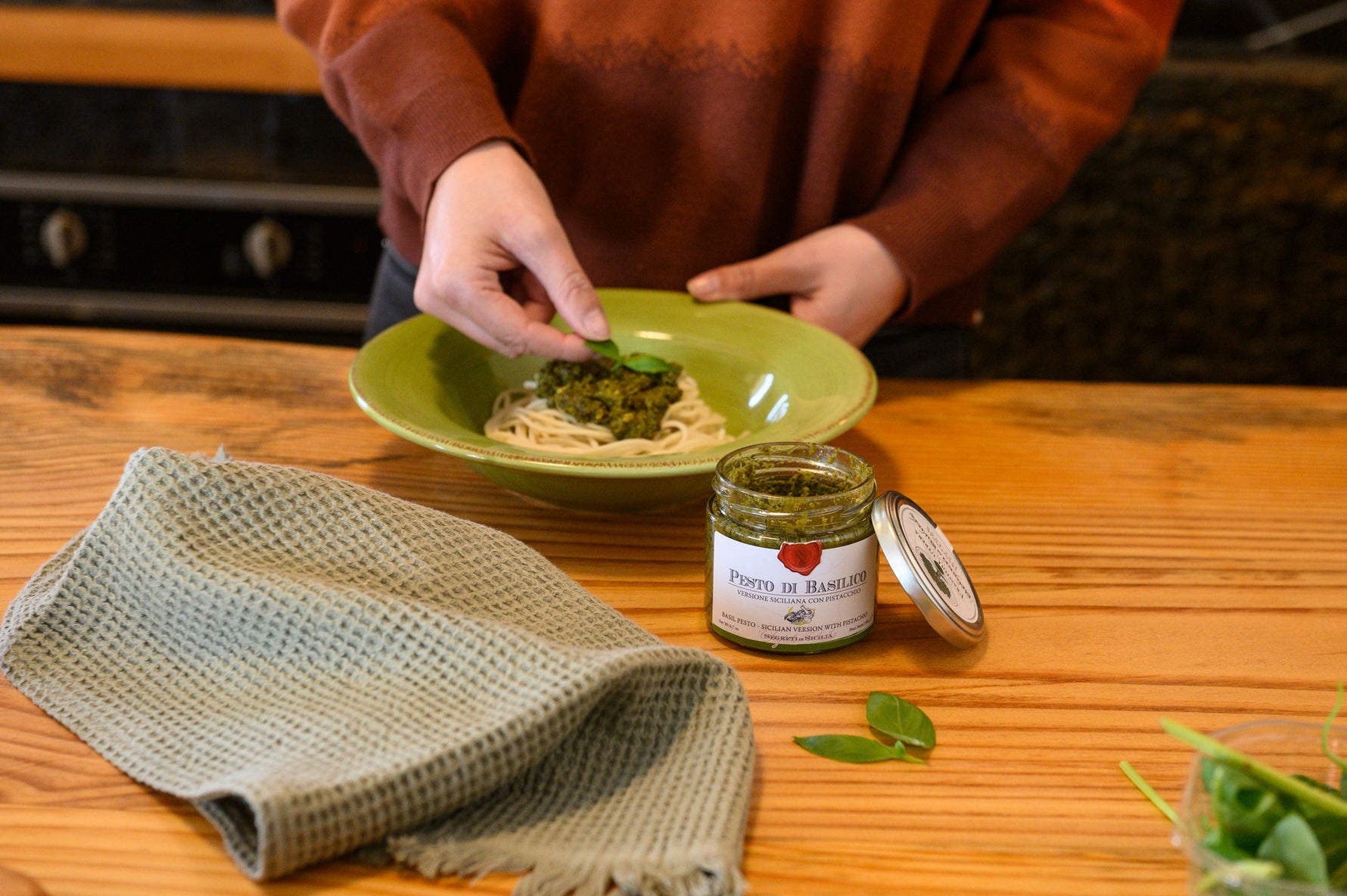
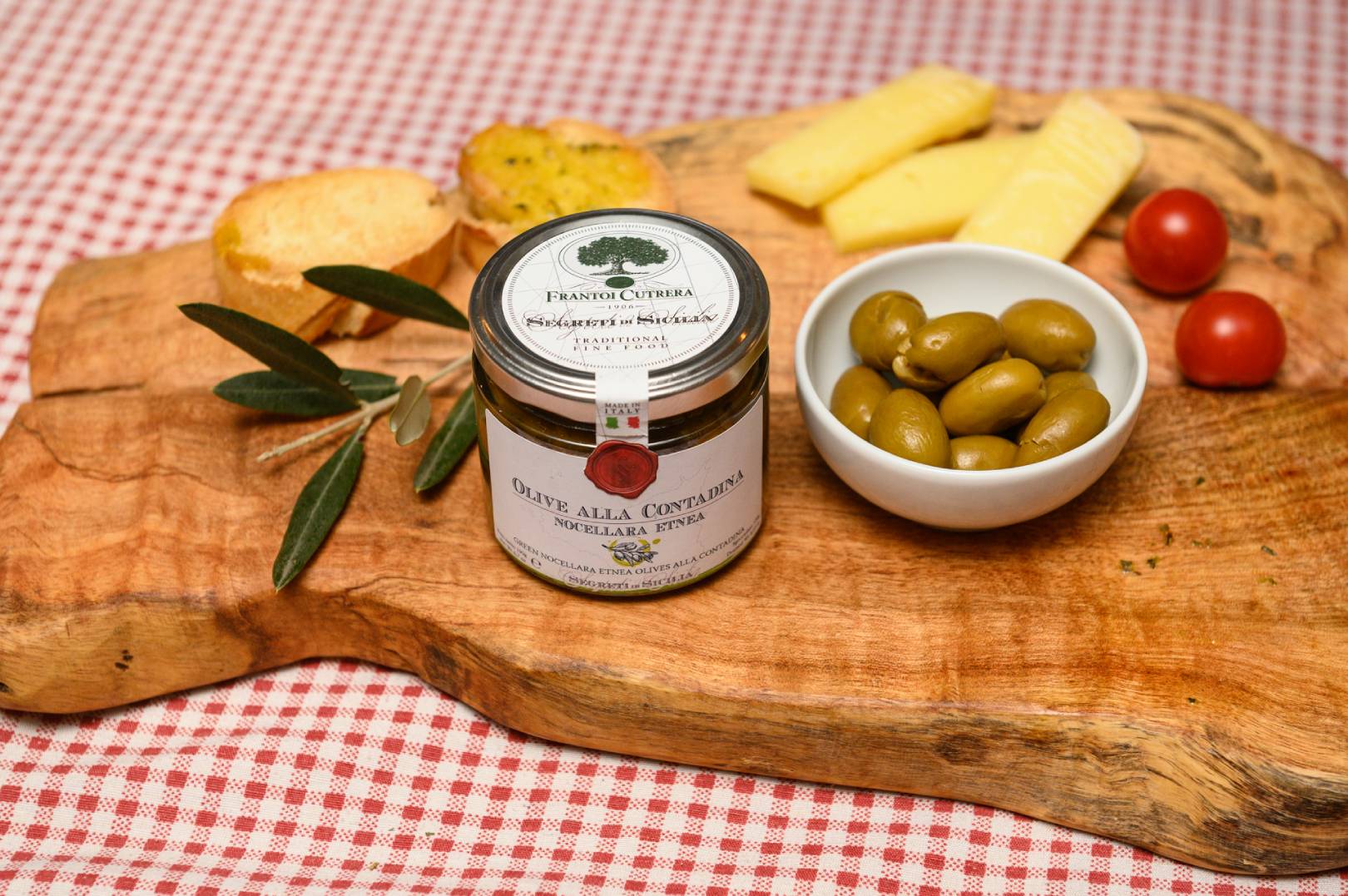
Caponata-un-viaggio-tra-tradizione-e-innovazione FRANTOI CUTRERA

Caponata: a journey between tradition and innovation

Introduction to Caponata Caponata is a typical Sicilian dish rich in culinary history and tradition. The roots of this dish delve into the island's distant past, blending Arab, Spanish, and French influences to create a unique and irresistible dish. Its very name, Caponata, evokes images of laden tables, intense and enveloping flavors that mingle harmoniously. Ingredients and Preparation: The base of Caponata is eggplant, which is fried and then mixed with tomatoes, onions, celery, green olives, capers, and vinegar. This combination of ingredients gives Caponata its characteristic sweet and sour flavor, making it so popular worldwide. Preparing Caponata requires time and patience; each ingredient must be cooked slowly to allow the flavors to blend and fully develop. Only then can a perfect Caponata be achieved, with a creamy texture and intense, enveloping flavors. Variations and Innovations: Over the years, Caponata has undergone variations and reinterpretations, with the introduction of ingredients like swordfish, chocolate eggplant, artichokes, or toasted almonds. These innovations have further enriched Caponata, making it increasingly appreciated and versatile. Today, Caponata is served not only as a side dish or appetizer but also as a topping for pasta or bruschetta, demonstrating its versatility and adaptability to contemporary tastes. In this journey to discover Caponata, we will explore the origins of this dish, its more modern variations, and the traditions that make it a symbol of Sicilian cuisine. Join us on this journey and let yourself be captivated by the enveloping and unique flavors of Caponata. The Origins of Caponata Let's begin our gastronomic journey by immersing ourselves in the roots of delicious Caponata. The history of this dish is enveloped in legends and ancient traditions that are lost in time. It is said that Caponata has its origins in Sicily, specifically in Palermo, during the Arab period around the year 1000. As culinary storytellers, we like to imagine the narrow, winding streets of magnificent medieval Palermo, with its stalls overflowing with colorful vegetables and the enveloping scent of exotic spices mingling in the air. "It was an era when trade flourished, and cuisine was enriched with new flavors and aromas, giving life to unique and unforgettable dishes like Caponata." Fresh, typically Sicilian vegetables, such as eggplants, tomatoes, peppers, and onions, were carefully selected and prepared. The magic slowly unfolded in terracotta pots over kitchen fires, where the ingredients transformed through the slow cooking process into the famous sweet and sour condiment that would make Caponata famous worldwide. We still remember the sizzling sound of olive oil and the enveloping aroma of celery and olives joining the braised vegetables to create a dish wrapped in an explosion of unique flavors. The Traditional Ingredients of Caponata The original recipe for Sicilian Caponata is a true treasure trove of flavors that tells the culinary story of the island. Let's start with the list of ingredients that make this dish so unique and delicious: The secret to an authentic caponata lies in the quality of the oil: for this recipe, abundant extra virgin olive oil is used for frying the vegetables. Frantoi Cutrera's Pertutto is the ideal daily blend for Sicilian cooking. Eggplant: Eggplant is diced and fried until soft and golden. Tomatoes: Ripe tomatoes are peeled, deseeded, and diced, adding freshness and acidity to the dish. Onions: Onions are thinly sliced and cooked slowly until sweet and caramelized. Celery and green olives: Finely chopped celery and pitted green olives contribute texture and flavor to Caponata. Capers and pine nuts: Salted capers and pine nuts join the other ingredients to create an irresistible mix of flavors. Vinegar and sugar: The sweet and sour taste is one of the distinguishing features of this dish, achieved by balancing vinegar and sugar. Each ingredient plays a precise role and together they create a gastronomic harmony that makes Caponata a unique dish in the Sicilian culinary landscape. The Classic Caponata Recipe The classic Caponata recipe is a true symbol of Sicilian cuisine. Preparing this delicious dish is a ritual deeply rooted in the island's culinary tradition. Here's how we learned to prepare Caponata following the recipe handed down from generation to generation: Ingredients: Eggplant Celery Onions Ripe tomatoes Green olives Capers Pine nuts Wine vinegar Sugar Extra virgin olive oil Salt and pepper Preparation: Cut the eggplant into cubes and let it rest with a little salt to remove bitterness. Finely chop celery, onions, and tomatoes. In a pan, sauté the chopped vegetables in extra virgin olive oil. Add the green olives, capers, and pine nuts. Add the drained eggplant and cook for a few minutes. Add wine vinegar, sugar, salt, and pepper to taste. Cook over low heat until all ingredients are well blended. Savoring Caponata prepared following this classic recipe is like taking a trip back in time, discovering the authentic flavors and culinary traditions of Sicily. Regional Variations of Caponata In this gastronomic journey to discover Caponata, we have encountered a variety of regional interpretations of this classic dish of Sicilian tradition. The different versions of Caponata have evolved over time, influenced by the culinary peculiarities of each geographical area. Here are some of the most interesting variations we have come across: Among the most beloved variations is artichoke caponata: our ready-made product Caponata di Carciofi Segreti di Sicilia follows the traditional recipe, also available in the Caponata di Melanzane version. Agrigentina Caponata: In the province of Agrigento, Caponata is enriched with the addition of anchovies and green olives, giving the dish an intense and decisive flavor. Palermitana Caponata: In Palermo, Caponata is prepared with the addition of pine nuts and raisins, which give a truly unique contrast of sweet and savory flavors. Messinese Caponata: In Messina, Caponata is enriched with peppers and eggplant, giving the dish a soft and enveloping consistency. Catanese Caponata: In Catania, you can find variations of Caponata with the addition of capers and sun-dried tomatoes, which give a slightly more pungent taste. Every region, every city, every family has its own special version of Caponata, passed down from generation to generation, enriching the island's culinary heritage. Trying these different regional variations is a fascinating way to discover the nuances and traditions that characterize Caponata, a dish that continues to conquer palates worldwide. Caponata in Contemporary Cuisine During my journey through the history of Caponata, we discovered that this traditional Sicilian dish has had an interesting evolutionary path in contemporary cuisine. Today, Caponata is no longer just a side dish or an appetizer; it has become a true protagonist of modern tables. To delve deeper into Sicilian culinary tradition and island sauces, read our article on Sicilian sauces: traditional recipes. Creative variations: We have noticed that many starred chefs and prestigious restaurants have reinvented Caponata, adding unusual ingredients like smoked tofu or whole wheat couscous to give an innovative twist to this dish rich in history. Food design: Observing the latest culinary trends, we have seen that the presentation of Caponata has become a true design element. Chefs carefully arrange it on the plate, creating chromatic combinations and attractive shapes to stimulate not only taste but also sight. Healthy approach: In line with the growing attention to health and well-being, many contemporary cooking enthusiasts have reinterpreted Caponata in a healthy way. We have tried light versions with less oil and sugar, yet equally tasty and satisfying. Global influences: Finally, we have noted that Caponata has also begun to win over international palates thanks to its versatility and unique flavor. Far from Sicilian borders, it has made its way into restaurant menus worldwide, adapting to different gastronomic traditions. In conclusion, Caponata has proven to be not only a dish with an illustrious past but also a current dish, constantly evolving and open to present influences. Innovative Ways to Prepare Caponata In the kitchen, we are always looking for innovative ways to prepare our caponata, combining traditional flavors with new culinary techniques. Here are some tips to give a modern twist to this classic Sicilian dish: Ingredient variations: We can experiment with different ingredients to create a unique caponata. For example, we can add seasonal vegetables like zucchini, grilled peppers, or smoked eggplant for a contemporary twist. Creative presentation: Presentation plays an important role in preparing caponata. We can serve it in small individual bowls or present it on crispy bread crostini for an elegant and modern touch. Fusion food: We can dare with culinary fusions, blending traditional caponata with influences from other cuisines. Try pairing caponata with a curry risotto or using it as a topping for a gourmet burger. Alternative cooking techniques: We can experiment with different cooking techniques to create a uniquely flavored caponata. We can try roasting the vegetables instead of pan-frying them or marinating the ingredients to add depth of flavor. By experimenting with ingredients, presentations, and cooking techniques, we can update the traditional caponata recipe and create a dish that celebrates Sicilian cuisine with a touch of innovation. Caponata in the International Culinary Context In the international culinary context, Caponata represents a dish rich in history and flavors that conquers palates worldwide. There are several regional variations of Caponata, each with its unique ingredients and preparation methods. From Italy to France, from the United States to Australia, Caponata has gained popularity thanks to its versatility and delicious taste. Italy: In Italy, Caponata is considered a classic of Sicilian cuisine and is often consumed as an appetizer or side dish. The basic ingredients include eggplant, tomatoes, celery, green olives, capers, and vinegar. Its sweet and sour taste and Mediterranean flavors make it a beloved dish by all. France: In French cuisine, Caponata is known as "Ratatouille" and is often served as a main course accompanied by crusty bread. Although the ingredients may vary slightly, the base of eggplant, zucchini, peppers, and tomatoes remains constant. United States: In the United States, Caponata has found its way onto the menus of many Italian restaurants as an appealing vegetarian or vegan option. It is often served on crispy crostini or as a side dish for grilled meats. Australia: In Australia too, Caponata has gained popularity as a healthy and tasty option for those following a plant-based diet. It is often enriched with local ingredients like avocado or chia seeds. In every corner of the world, Caponata has adapted and conquered the hearts and palates of everyone who tastes it. Its rich history and enveloping flavors make it a unique and beloved dish by all. Tasting and Recommended Pairings When it comes to tasting caponata, we can't help but share some advice on how to maximize the gastronomic experience. Tasting traditional caponata: Let's start by savoring traditional caponata at room temperature to allow all the flavors to blend perfectly. Close your eyes and let yourself be transported by the different nuances of taste: the sweetness of the raisins, the creaminess of the eggplant, the crunchiness of the almonds, and the sweet and sour touch of the sauce. Recommended pairings: The versatility of caponata makes it perfect for various occasions. We can pair this dish with a Sicilian wine like a good Nero d'Avola, or with a light, sparkling beer that contrasts with the sweetness of the preparation. For non-alcohol drinkers, an iced tonic water with a slice of fresh lemon will be a refreshing and tasty alternative. Let's always remember that tasting a dish as rich in history and tradition as caponata is also a way to honor past generations who carefully passed down this recipe. Bon appétit! Conclusions on Caponata: A Timeless Dish As lovers of fine Sicilian cuisine, we can only conclude that caponata is truly a timeless dish. Throughout our journey through its history, we have come to appreciate how this dish has stood the test of time, preserving its authenticity and versatility intact. Its peasant origins, linked to tradition and the genuineness of local products, blend with culinary influences from afar, creating a unique and unforgettable combination of flavors. Through various evolutions and reinterpretations over the years, caponata has shown itself capable of embracing innovation without losing its essence and its connection to the land and Sicilian traditions. This dish, rich in nuances and contrasts, continues to win over the palates of anyone who tastes it, conveying emotions and memories linked to a territory rich in history and culture. Caponata remains an excellence of Sicilian cuisine, a true symbol of conviviality and culinary art that must be preserved and valued, lunch after lunch, preparation after preparation. Whether served as an appetizer, side dish, or main course, caponata always delivers moments of pleasure and authentic taste, telling centuries-old stories through its unique and unmistakable flavors. In our shop, you can find authentic Sicilian Caponata, in the traditional version or artichoke version.
Olio-di-Oliva-Extravergine-Biologico-Come-viene-prodotto FRANTOI CUTRERA

Organic Extra Virgin Olive Oil: How is it produced?

Introduction to Organic Extra Virgin Olive Oil In the wonderful world of organic extra virgin olive oil, there is so much to discover and appreciate. Where do we begin? Well, it all starts with the olive trees, careful custodians of tradition and goodness. These majestic trees cover the hills with their silvery leaves, giving us the precious fruits from which extra virgin olive oil is made. From olives carefully hand-picked to traditional extraction processes, every step is infused with passion and respect for nature. You breathe the fresh country air, listen to the gentle rustling of the leaves, and perceive the intense aroma of olives slowly transforming into a precious nectar. The olives are carefully selected to ensure the highest quality of the final product, an organic extra virgin olive oil that gives dishes a unique and unmistakable taste. Thanks to organic farming, we respect the land and preserve the balance of ecosystems, contributing to creating a healthy and genuine product, rich in beneficial properties for our health. A fascinating journey through the paths of our countryside, discovering ancient traditions and authentic flavors handed down for generations. Welcome to the world of organic extra virgin olive oil, where nature bestows upon us its most precious green gold with love and dedication. Health Benefits We at Frantoi Cutrera are proud to offer organic extra virgin olive oil not only for its delicious taste but also for the numerous health benefits it brings. Here's why you should choose our organic extra virgin olive oil: The benefits of organic extra virgin olive oil largely depend on the concentration of antioxidant polyphenols — compounds that organic farming tends to preserve better than conventional farming. Rich in antioxidants: Our organic extra virgin olive oil is rich in natural antioxidants, which help fight free radicals in the body and prevent cell damage. Protects the heart: Thanks to its high content of monounsaturated fats, our organic extra virgin olive oil is known to promote heart health, reducing the risk of cardiovascular diseases. Weight control: Contrary to popular belief, consuming organic extra virgin olive oil can help with weight management, as it helps maintain a feeling of fullness for longer. Beneficial for mental health: The omega-3 fatty acids present in our organic extra virgin olive oil are essential for brain health and can contribute to improving mood and reducing the risk of depression. Anti-inflammatory properties: The antioxidants and fatty acids present in our organic extra virgin olive oil have demonstrated anti-inflammatory properties that can help reduce inflammation in the body. Choosing our organic extra virgin olive oil will not only enrich your dishes with a unique flavor but will also bring tangible benefits to your health. Organic Extra Virgin Olive Oil and the Environment We deeply care about the environment in which we live and produce our organic extra virgin olive oil. That's why, by following the principles of organic farming, we protect the health of the land, plants, and animals. The Primo BIO by Frantoi Cutrera is our certified organic extra virgin olive oil: cold-extracted from Tonda Iblea olives from the Iblei Mountains, with early harvest. Respect for the land: We use sustainable farming practices that preserve soil fertility and promote biodiversity. We avoid the use of harmful pesticides and chemical fertilizers. Water saving: We are aware of the importance of sustainable water resource management. We use efficient irrigation systems that help reduce water waste. Clean energy: We have implemented solutions to reduce energy consumption during the extra virgin olive oil production process. We use renewable energy sources to power our operations. Pollution reduction: We have adopted measures to reduce polluting emissions and minimize the environmental impact of transport related to the distribution of our products. In summary, our commitment to the production of organic extra virgin olive oil is not limited to product quality, but extends to respect for the environment and the sustainability of our agricultural practices. Differences Between Organic and Non-Organic Extra Virgin Olive Oil When it comes to choosing between organic and non-organic extra virgin olive oil, there are some key differences to keep in mind. Here's what we've learned during our experience in producing organic extra virgin olive oil: To understand in detail how to read the label and recognize certified organic oil, read our complete guide to olive oil. To choose the most suitable organic cultivar, also read our article on the best Sicilian extra virgin olive oil. To understand the differences between extra virgin, virgin, and refined olive oil — regardless of organic certification — read our complete guide to olive oil. Cultivation method: With organic extra virgin olive oil, olives are cultivated without the use of pesticides or chemical fertilizers. This cultivation method respects the environment and promotes biodiversity. Certification: Organic extra virgin olive oil is subject to strict controls and must be certified by an authorized body that guarantees its production in compliance with organic standards. Extraction process: During the production of organic extra virgin olive oil, cold mechanical methods are used to extract the oil, thus preserving all its beneficial properties. In contrast, non-organic oil may be subjected to chemical or thermal processes that compromise its quality. Organoleptic properties: Organic extra virgin olive oil often has a more intense and complex flavor than non-organic oil, thanks to the care and attention devoted during the production process. Sustainability: By choosing organic extra virgin olive oil, you contribute to supporting more environmentally friendly agricultural practices and promoting the health of the planet in the long term. Quality and Production of Organic Extra Virgin Olive Oil In this section, we will explore the importance of the quality and production process of organic extra virgin olive oil. When it comes to organic extra virgin olive oil, the keyword is quality. Olive Selection: We carefully examine the organic olives used in the production of extra virgin olive oil. Every step is crucial. From the olive grove to milling, care and attention are essential. Each olive has its value, and through careful selection, we ensure we obtain an oil of the highest quality. Extraction Method: We use traditional methods for extracting organic extra virgin olive oil. Cold pressing is fundamental to ensure the oil retains all its beneficial properties. In this way, we preserve the unique taste, color, and aroma of our oil. Organic Certification: We care about the environment and consumer health. For this reason, we strictly follow the regulations for organic farming in the production of our extra virgin olive oil. Organic certification guarantees a genuine product, free from pesticides and synthetic fertilizers. Quality Controls: Our attention to quality never wanes. Through continuous laboratory controls, we verify that our organic extra virgin olive oil complies with high standards of purity and freshness. Only then can we offer an excellent product to those who choose to savor it. The quality and production of organic extra virgin olive oil are a daily commitment for us. We want to ensure maximum satisfaction for those who appreciate the authentic taste and health benefits of such a precious product. How to Recognize High-Quality Organic Extra Virgin Olive Oil In the vast world of organic extra virgin olive oils, it can be difficult to distinguish between high-quality ones and those of lesser value. Here are some tips on how to identify top-quality organic extra virgin olive oil: Certified organic label: Always check for the logo or wording on the label that certifies its organic status. This is a primary guarantee of product quality. Production area: Prefer organic extra virgin olive oils from renowned olive growing regions, such as Sicily. Taste and smell: A high-quality extra virgin olive oil should have a fresh, fruity, and slightly bitter taste, with herbaceous notes. The smell should be intense and rich. Color and consistency: Look at the color of the oil: an intense green tone often indicates high quality. Furthermore, the oil should have a dense but fluid consistency. PDO and PGI: The presence of PDO (Protected Designation of Origin) or PGI (Protected Geographical Indication) labels is a further indicator of excellence and respect for local traditions. Remember that high-quality organic extra virgin olive oil is not only a delicious condiment but also a true ally for your health. We always pay attention to its origin and organoleptic characteristics to ensure we enjoy a genuine and superior quality product. Uses and Applications of Organic Extra Virgin Olive Oil in Cooking When it comes to cooking with organic extra virgin olive oil, the possibilities are truly endless. One of the simplest ways to fully enjoy its aroma and flavor is to use it as a raw condiment on salads, soups, or freshly cooked vegetable dishes. We have also found that it is ideal for marinating meats, fish, and vegetables before cooking, adding a touch of freshness and taste to every dish. "The versatility of organic extra virgin olive oil makes it an essential element in the kitchen." Another delicious culinary application of this exquisite oil is its use in preparing sauces and dressings. Mixed with balsamic vinegar to create a light and tasty vinaigrette, or with garlic and aromatic herbs for a flavorful sauce to pair with pasta or meat dishes. And let's not forget its use for frying: thanks to its resistance to high temperatures and its fruity flavor, organic extra virgin olive oil is perfect for frying crispy chips, golden meatballs, or battered vegetables. Finally, we must mention its use in preparing desserts: by replacing butter with organic extra virgin olive oil, it is possible to obtain lighter and healthier desserts without sacrificing the desired flavor and softness. In the kitchen, organic extra virgin olive oil is our best ally for enhancing flavors and winning over the palate of anyone who sits at our table. Tips for Best Storing Organic Extra Virgin Olive Oil When it comes to best storing organic extra virgin olive oil, there are some precautions we can take to ensure it retains its freshness and properties. Here are some useful tips to keep in mind: Light and heat: Avoid exposing extra virgin olive oil to direct sunlight or excessive heat sources, as these can alter its flavor and beneficial properties. Air and humidity: Always store the oil in a tightly sealed container in a cool, dry place, away from sources of humidity. Oxidation is the worst enemy of organic olive oil, so protect it from air as much as possible. Container: Prefer dark glass or tin containers for storing organic extra virgin olive oil. Avoid plastic containers, which could contaminate the oil with harmful substances. Quick consumption: Organic extra virgin olive oil is best when consumed fresh, so try to use it within a year of production. Once opened, it should preferably be consumed within two or three months. Temperature: Keep organic extra virgin olive oil away from excessive heat sources, but also be aware of excessive cold, which could cause it to solidify. By following these simple tips, we can ensure that we best preserve all the flavor and healthy properties of our precious organic extra virgin olive oil. Controversies and Criticisms of Organic Extra Virgin Olive Oil The controversies and criticisms related to organic extra virgin olive oil are important to consider when discussing this precious product. Here are some points for reflection: Food fraud: Unfortunately, the food industry is not immune to dishonest practices, and organic extra virgin olive oil is no exception. Fraud regarding the origin or quality of the oil sometimes occurs, compromising consumer trust. Sustainability: Not all organic extra virgin olive oil producers adopt sustainable practices. It is important to evaluate not only compliance with organic regulations but also the overall environmental impact of the production process. Misleading labeling: Some labels can mislead consumers, presenting a product as organic that does not actually meet the required standards. Conflicts of interest: In a competitive sector such as extra virgin olive oil, conflicts of interest may arise that affect the transparency and accuracy of information provided to consumers. Challenges in organic certification: Obtaining organic certification is not always a straightforward process for farmers, who may face complex bureaucratic requirements and additional costs. In conclusion, it is important to be aware of the controversies and criticisms related to organic extra virgin olive oil to make informed choices and support producers who adhere to high standards of quality and sustainability. Conclusion We have journeyed together through the wonderful world of organic extra virgin olive oil production. We have immersed ourselves in the lush lands where olive trees thrive, followed the harvesting process of the golden fruits, and witnessed their transformation into precious oil. We have come to understand the care and passion that farmers pour into their work, guaranteeing a product of the highest quality. During this exploration, we discovered the health benefits that organic extra virgin olive oil brings, rich in antioxidants and beneficial fatty acids for our well-being. We also understood the importance of supporting sustainable and environmentally friendly agricultural practices, preserving the beauty of the lands and the biodiversity that surrounds them. Now that we have completed our journey through the production of this golden treasure, we can fully appreciate the craftsmanship and dedication that underlie every bottle of organic extra virgin olive oil. Its fragrance, its unique flavor, and its beneficial properties remind us how precious this gift from nature is. We hope that our exploration has instilled in you a new appreciation for organic extra virgin olive oil and inspires you to carefully choose the products you bring to your table, valuing not only your palate but also the health and well-being of the planet we all share.

Showing 60/85