


Home
>
Curiosities from the oil mill
>
Sicilian Caponata: Traditional Recipe, Origins, and Regional Variations

Sicilian Caponata: Traditional Recipe, Origins, and Regional Variations
Caponata is one of the most iconic dishes of Sicilian cuisine — a sweet and sour vegetable stew that has no equivalent in Italian cooking. It’s not just a simple eggplant caponata: it’s a dish with a history, a specific technique, and endless local variations. In this guide, you’ll find the authentic recipe, the most interesting regional variations, and why the quality of the olive oil makes all the difference.
The Origins of Sicilian Caponata
Caponata has Arab-Norman roots: the term probably derives from caupone, the sailors' tavern, where dishes based on dorado (lampuga) dressed with a sweet and sour sauce were served. Over time, the fish was replaced by eggplants — a less expensive and more accessible ingredient — maintaining the sweet and sour balance that is the dish's distinctive feature.
The spread of caponata throughout Sicily has led to profoundly different variations. In Palermo, caponata is sweeter, with the addition of dark chocolate. In Catania, it's spicier. In the Ragusa area, Pantelleria capers and green olives are added generously. There isn't an "official" recipe — there's the family recipe.
The Traditional Recipe for Eggplant Caponata
The following recipe is for the classic Palermitan tradition, which is also the most widespread.
Ingredients for 4 people:
- 800 g eggplants (preferably round Sicilian violet ones)
- 4 celery stalks
- 1 medium white onion
- 200 g pitted green olives
- 2 tablespoons desalted capers
- 400 g peeled tomatoes or tomato pulp
- 4 tablespoons white wine vinegar
- 2 tablespoons granulated sugar
- Plenty of extra virgin olive oil (for frying)
- Salt, pepper
- Fresh basil for garnish
Technique: the eggplants should be cut into cubes of about 2 cm, salted, and left to rest for 30 minutes to release their bitter liquid. After drying them, fry them in abundant extra virgin olive oil until golden — do not bake them, it completely changes the texture and flavor. Briefly blanch the celery. Slowly sauté the onion in olive oil. Add tomatoes, olives, capers, and cook for 10 minutes. Finally, combine the eggplants and celery, add vinegar and sugar, mix, and let it rest for at least 24 hours before serving.
Resting is crucial: caponata improves with time, as the flavors meld. It’s always better the day after than the day it’s made.
Oil for frying: eggplants absorb a lot of oil — you need an extra virgin olive oil with good heat stability. Pertutto Cutrera is the ideal daily blend for Sicilian frying: adequate smoke point and a medium fruitiness that doesn't alter the flavor of the eggplants.
Regional Variations of Caponata
The most interesting versions that deviate from the basic recipe:
- Caponata with chocolate (Palermo): 20-30 g of dark chocolate melted into the sweet and sour dressing. The chocolate adds a bitter depth that balances the vinegar and sugar in an unexpected way. It's not a confectionery variation — it's a taste balancing technique.
- Artichoke caponata: eggplants are replaced with Sicilian violet artichokes, which are more delicate and have a herbaceous flavor that completely changes the dish's profile. Our Segreti di Sicilia Artichoke Caponata follows the traditional Sicilian recipe.
- Caponata with fish (historic version): the original version with tuna or swordfish — almost disappeared from home cooking today, it survives in some coastal trattorias.
- Catania-style caponata: spicier, with the addition of chili pepper and sometimes toasted pine nuts. The profile is more robust compared to the Palermitan version.
Why Olive Oil Makes a Difference in Caponata
Caponata uses olive oil at two distinct moments: for frying eggplants (heat) and as a final raw dressing (finishing). These are two different functions that require different approaches.
For frying: a Sicilian extra virgin olive oil with good thermal stability. Eggplants absorb a lot of oil during frying, so the quality of the oil is felt in the dish's final flavor.
For finishing: a drizzle of raw extra virgin olive oil before serving adds brightness and freshness — in this case, a more intensely fruity oil like Primo DOP Monti Iblei enhances the flavors of the caponata better.
To learn more about the properties of Sicilian extra virgin olive oil and how to choose the right one: guide to the best Sicilian extra virgin olive oil.
How to Serve and Pair Caponata
Caponata is an extremely versatile dish:
- As an appetizer: at room temperature, on homemade bread or bruschetta. Do not serve it cold from the refrigerator — the flavors will be dulled.
- As a side dish: alongside grilled fish, crusted tuna, white meat. The sweet and sour balances the neutral flavors of the fish.
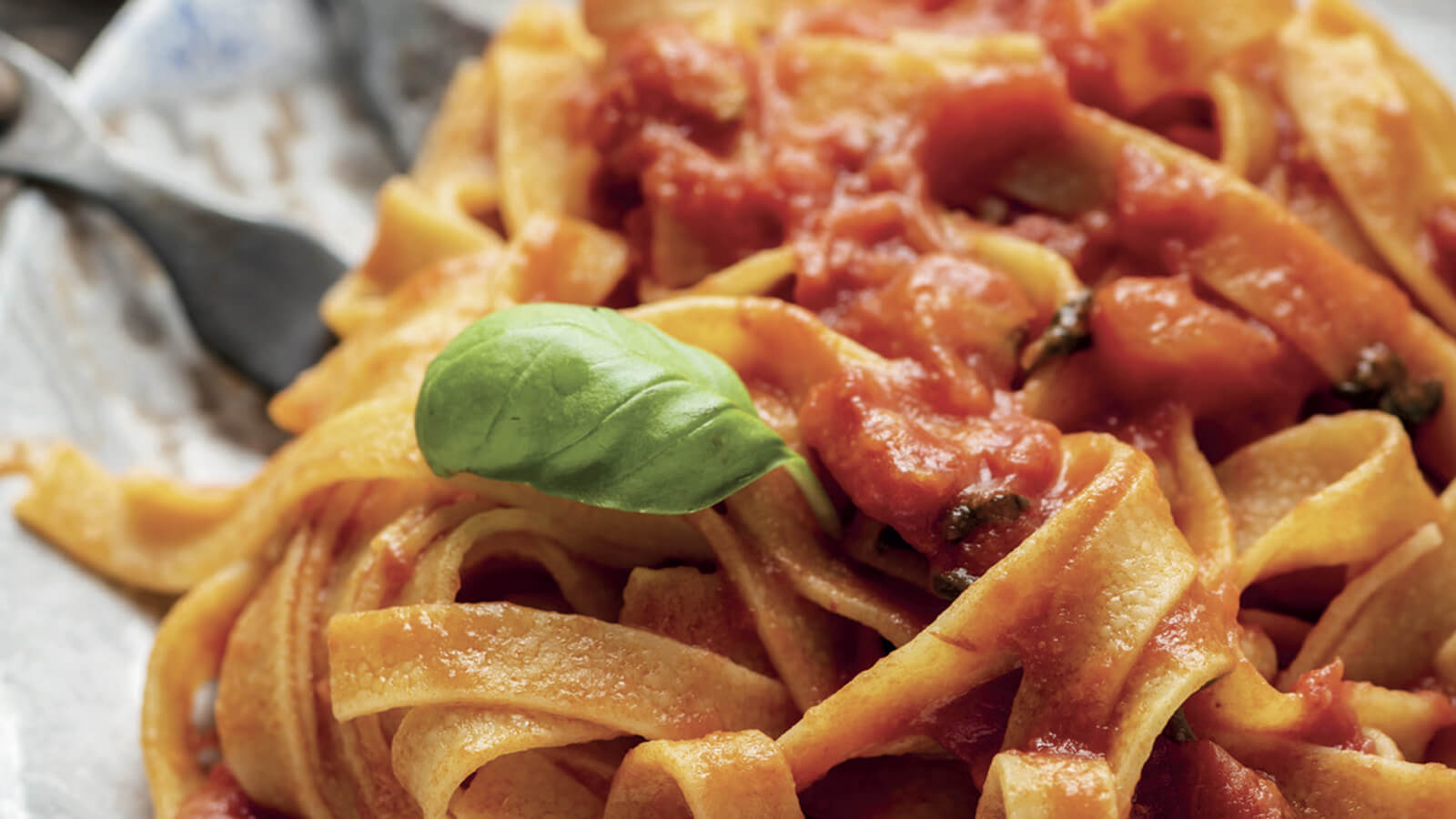
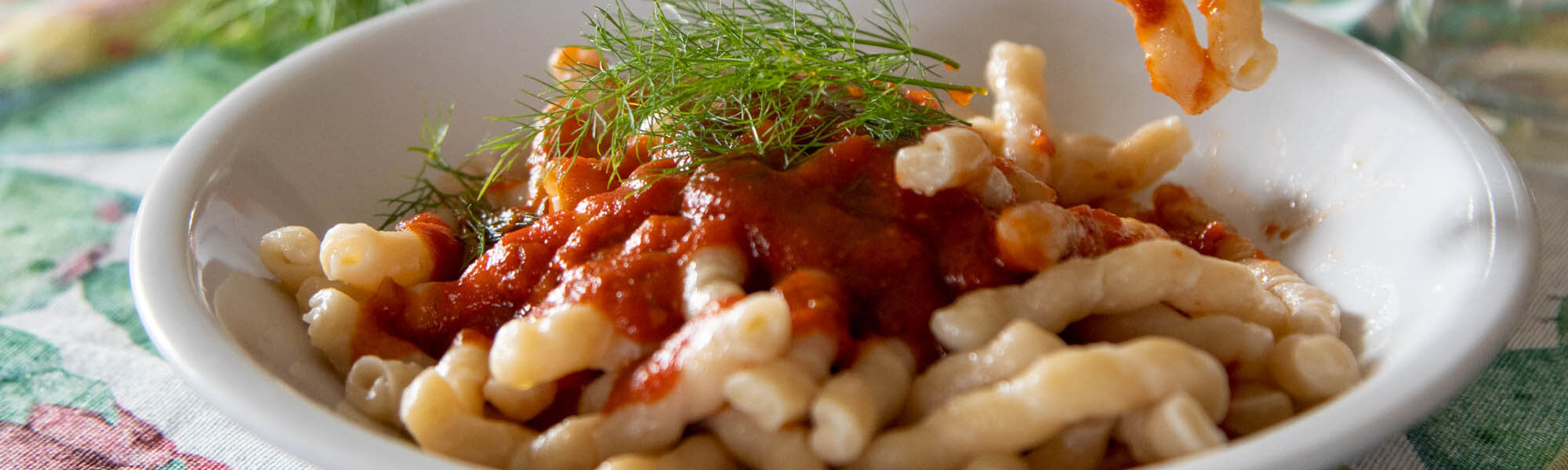
- As a pasta sauce: added to short pasta (rigatoni, sedanini) with a sprinkle of salted ricotta — a hearty one-dish meal.
- As a filling: excellent on focaccia, in sandwiches with fresh cheese, or as a stuffing for rolls.
Frequently Asked Questions About Caponata
What is the difference between caponata and peperonata?
Caponata is Sicilian, has a base of fried eggplants, and a sweet and sour character with vinegar and sugar. Peperonata is widespread throughout central and southern Italy, has a base of bell peppers, and is not sweet and sour. They are different dishes, only similar in being stewed vegetables dressed with oil.
Can caponata be stored?
Yes, and it improves over time. It keeps for 4-5 days in the refrigerator. It can be sterilized in jars in a bain-marie for longer preservation — a traditional Sicilian method to have caponata all year round. Alternatively, our Segreti di Sicilia Eggplant Caponata follows the traditional recipe with artisanal production.
Do you fry eggplants in extra virgin olive oil?
Yes. The traditional recipe calls for frying in extra virgin olive oil — not seed oil. Extra virgin olive oil has an adequate smoke point for frying at home temperatures (170-180°C) and imparts a flavor that refined oils do not. The myth that EVOO cannot be fried is unfounded — we have a dedicated article: olive oil for frying: advantages and tips.
Share


