




Caponata: a journey between tradition and innovation
Introduction to Caponata
Caponata is a typical Sicilian dish rich in culinary history and tradition. The roots of this dish delve into the island's distant past, blending Arab, Spanish, and French influences to create a unique and irresistible dish. Its very name, Caponata, evokes images of laden tables, intense and enveloping flavors that mingle harmoniously.
Ingredients and Preparation:
- The base of Caponata is eggplant, which is fried and then mixed with tomatoes, onions, celery, green olives, capers, and vinegar. This combination of ingredients gives Caponata its characteristic sweet and sour flavor, making it so popular worldwide.
- Preparing Caponata requires time and patience; each ingredient must be cooked slowly to allow the flavors to blend and fully develop. Only then can a perfect Caponata be achieved, with a creamy texture and intense, enveloping flavors.
Variations and Innovations:
- Over the years, Caponata has undergone variations and reinterpretations, with the introduction of ingredients like swordfish, chocolate eggplant, artichokes, or toasted almonds. These innovations have further enriched Caponata, making it increasingly appreciated and versatile.
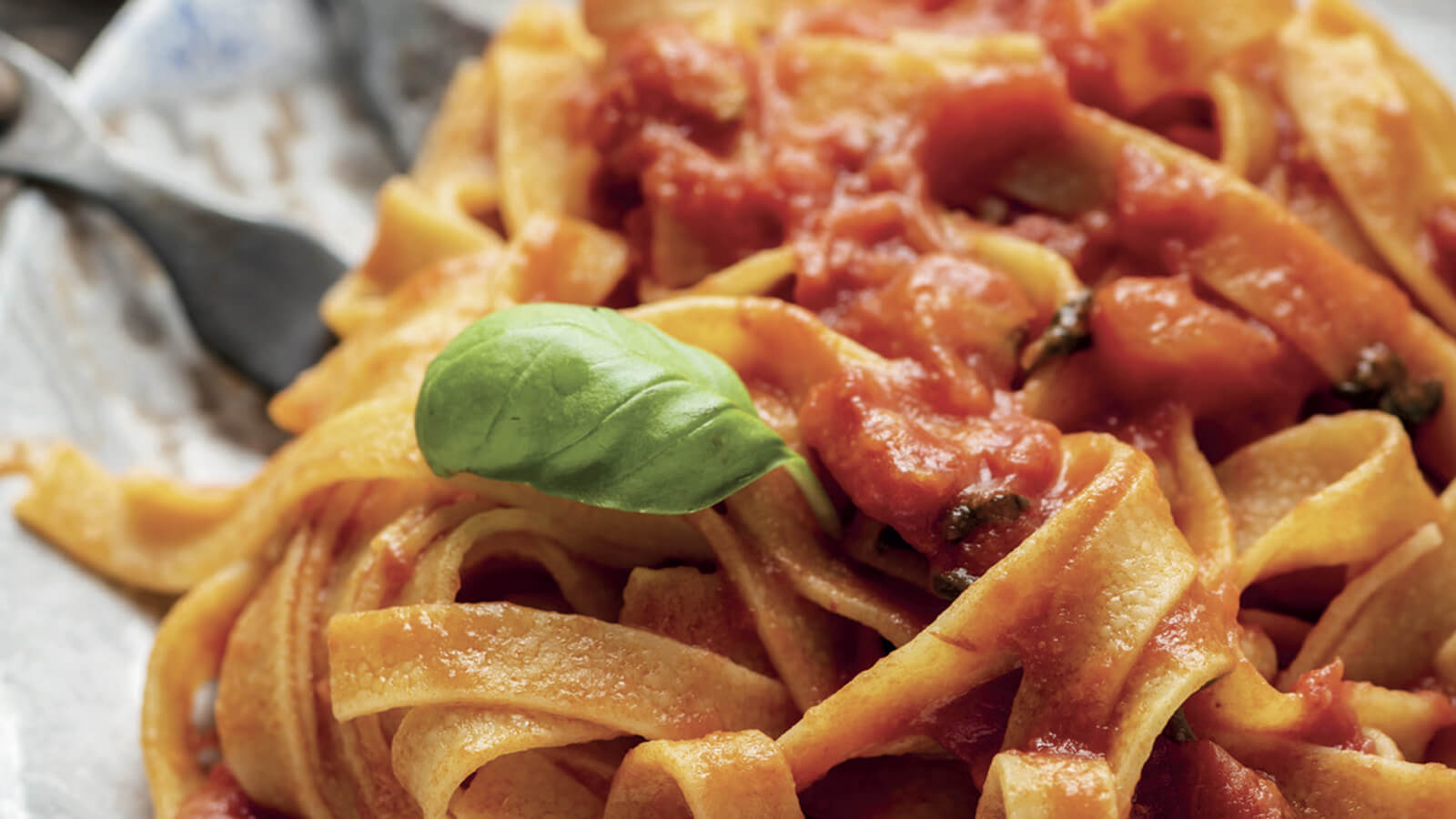
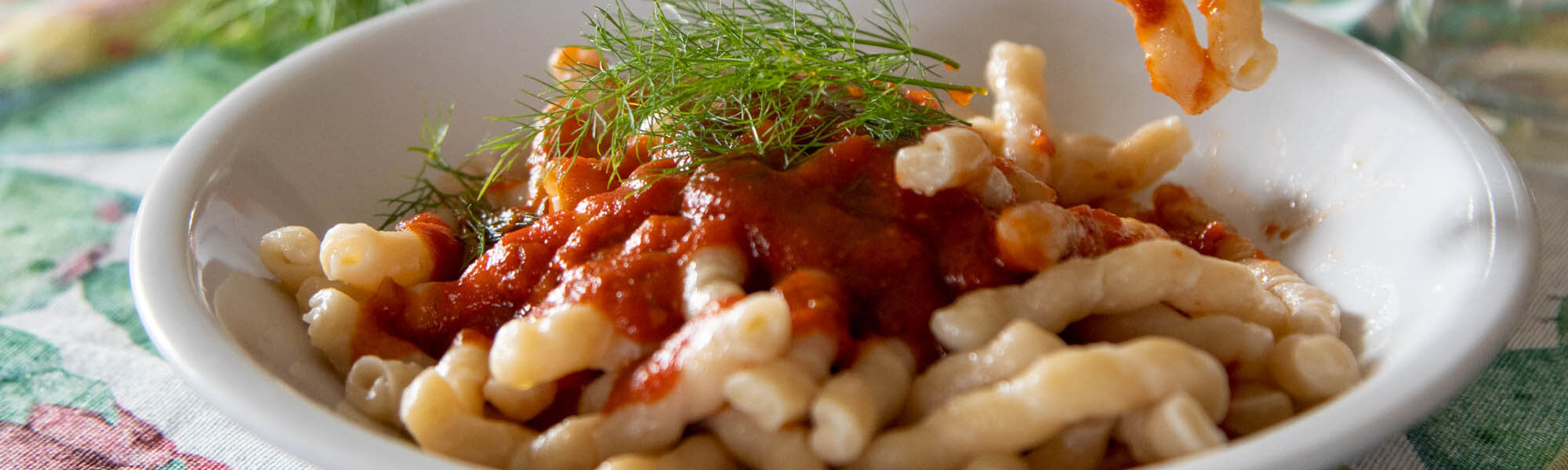
- Today, Caponata is served not only as a side dish or appetizer but also as a topping for pasta or bruschetta, demonstrating its versatility and adaptability to contemporary tastes.
In this journey to discover Caponata, we will explore the origins of this dish, its more modern variations, and the traditions that make it a symbol of Sicilian cuisine. Join us on this journey and let yourself be captivated by the enveloping and unique flavors of Caponata.
The Origins of Caponata
Let's begin our gastronomic journey by immersing ourselves in the roots of delicious Caponata. The history of this dish is enveloped in legends and ancient traditions that are lost in time. It is said that Caponata has its origins in Sicily, specifically in Palermo, during the Arab period around the year 1000. As culinary storytellers, we like to imagine the narrow, winding streets of magnificent medieval Palermo, with its stalls overflowing with colorful vegetables and the enveloping scent of exotic spices mingling in the air.
"It was an era when trade flourished, and cuisine was enriched with new flavors and aromas, giving life to unique and unforgettable dishes like Caponata."
Fresh, typically Sicilian vegetables, such as eggplants, tomatoes, peppers, and onions, were carefully selected and prepared. The magic slowly unfolded in terracotta pots over kitchen fires, where the ingredients transformed through the slow cooking process into the famous sweet and sour condiment that would make Caponata famous worldwide.
We still remember the sizzling sound of olive oil and the enveloping aroma of celery and olives joining the braised vegetables to create a dish wrapped in an explosion of unique flavors.
The Traditional Ingredients of Caponata
The original recipe for Sicilian Caponata is a true treasure trove of flavors that tells the culinary story of the island. Let's start with the list of ingredients that make this dish so unique and delicious:
The secret to an authentic caponata lies in the quality of the oil: for this recipe, abundant extra virgin olive oil is used for frying the vegetables. Frantoi Cutrera's Pertutto is the ideal daily blend for Sicilian cooking.
- Eggplant: Eggplant is diced and fried until soft and golden.
- Tomatoes: Ripe tomatoes are peeled, deseeded, and diced, adding freshness and acidity to the dish.
- Onions: Onions are thinly sliced and cooked slowly until sweet and caramelized.
- Celery and green olives: Finely chopped celery and pitted green olives contribute texture and flavor to Caponata.
- Capers and pine nuts: Salted capers and pine nuts join the other ingredients to create an irresistible mix of flavors.
- Vinegar and sugar: The sweet and sour taste is one of the distinguishing features of this dish, achieved by balancing vinegar and sugar.
Each ingredient plays a precise role and together they create a gastronomic harmony that makes Caponata a unique dish in the Sicilian culinary landscape.
The Classic Caponata Recipe
The classic Caponata recipe is a true symbol of Sicilian cuisine. Preparing this delicious dish is a ritual deeply rooted in the island's culinary tradition. Here's how we learned to prepare Caponata following the recipe handed down from generation to generation:
-
Ingredients:
- Eggplant
- Celery
- Onions
- Ripe tomatoes
- Green olives
- Capers
- Pine nuts
- Wine vinegar
- Sugar
- Extra virgin olive oil
- Salt and pepper
-
Preparation:
- Cut the eggplant into cubes and let it rest with a little salt to remove bitterness.
- Finely chop celery, onions, and tomatoes.
- In a pan, sauté the chopped vegetables in extra virgin olive oil.
- Add the green olives, capers, and pine nuts.
- Add the drained eggplant and cook for a few minutes.
- Add wine vinegar, sugar, salt, and pepper to taste.
- Cook over low heat until all ingredients are well blended.
Savoring Caponata prepared following this classic recipe is like taking a trip back in time, discovering the authentic flavors and culinary traditions of Sicily.
Regional Variations of Caponata
In this gastronomic journey to discover Caponata, we have encountered a variety of regional interpretations of this classic dish of Sicilian tradition. The different versions of Caponata have evolved over time, influenced by the culinary peculiarities of each geographical area. Here are some of the most interesting variations we have come across:
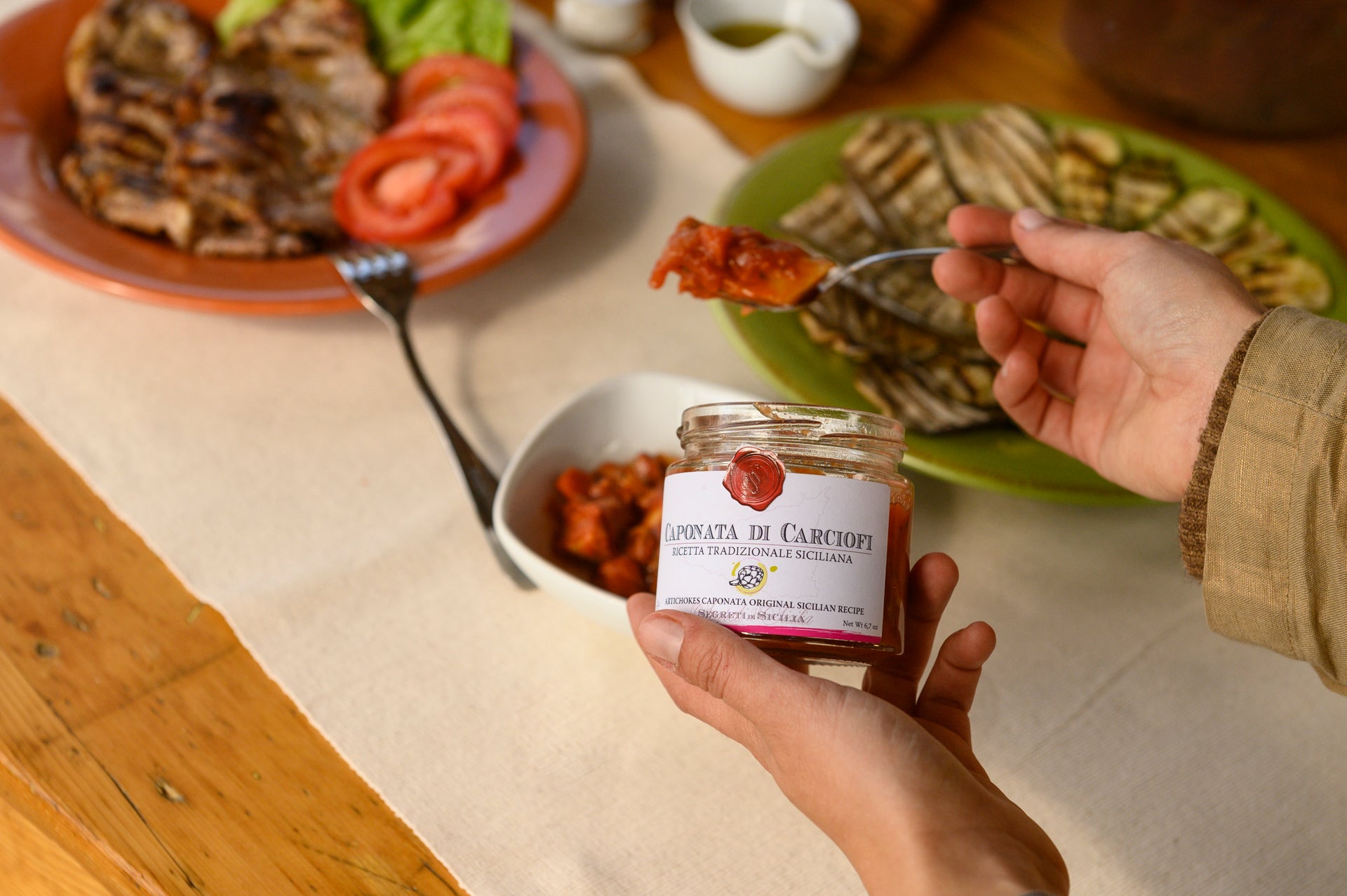
Among the most beloved variations is artichoke caponata: our ready-made product Caponata di Carciofi Segreti di Sicilia follows the traditional recipe, also available in the Caponata di Melanzane version.
- Agrigentina Caponata: In the province of Agrigento, Caponata is enriched with the addition of anchovies and green olives, giving the dish an intense and decisive flavor.
- Palermitana Caponata: In Palermo, Caponata is prepared with the addition of pine nuts and raisins, which give a truly unique contrast of sweet and savory flavors.
- Messinese Caponata: In Messina, Caponata is enriched with peppers and eggplant, giving the dish a soft and enveloping consistency.
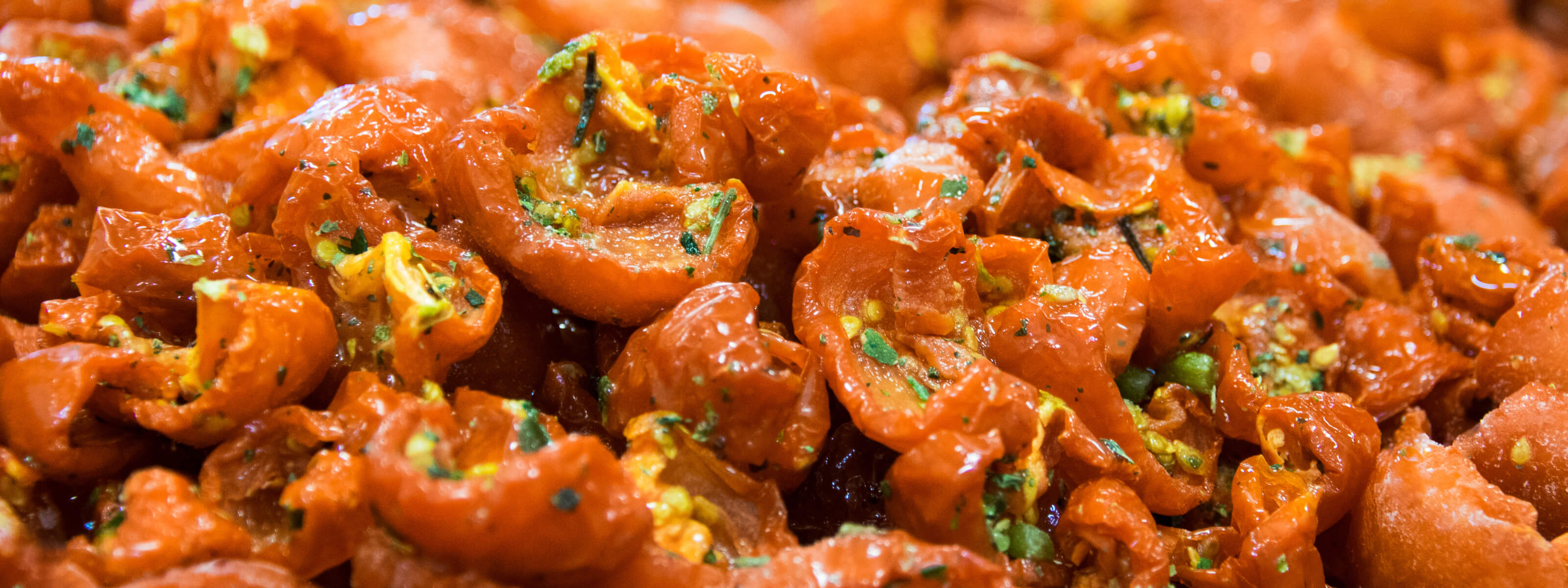
- Catanese Caponata: In Catania, you can find variations of Caponata with the addition of capers and sun-dried tomatoes, which give a slightly more pungent taste.
Every region, every city, every family has its own special version of Caponata, passed down from generation to generation, enriching the island's culinary heritage. Trying these different regional variations is a fascinating way to discover the nuances and traditions that characterize Caponata, a dish that continues to conquer palates worldwide.
Caponata in Contemporary Cuisine
During my journey through the history of Caponata, we discovered that this traditional Sicilian dish has had an interesting evolutionary path in contemporary cuisine. Today, Caponata is no longer just a side dish or an appetizer; it has become a true protagonist of modern tables.
To delve deeper into Sicilian culinary tradition and island sauces, read our article on Sicilian sauces: traditional recipes.
-
Creative variations: We have noticed that many starred chefs and prestigious restaurants have reinvented Caponata, adding unusual ingredients like smoked tofu or whole wheat couscous to give an innovative twist to this dish rich in history.
-
Food design: Observing the latest culinary trends, we have seen that the presentation of Caponata has become a true design element. Chefs carefully arrange it on the plate, creating chromatic combinations and attractive shapes to stimulate not only taste but also sight.
-
Healthy approach: In line with the growing attention to health and well-being, many contemporary cooking enthusiasts have reinterpreted Caponata in a healthy way. We have tried light versions with less oil and sugar, yet equally tasty and satisfying.
-
Global influences: Finally, we have noted that Caponata has also begun to win over international palates thanks to its versatility and unique flavor. Far from Sicilian borders, it has made its way into restaurant menus worldwide, adapting to different gastronomic traditions.
In conclusion, Caponata has proven to be not only a dish with an illustrious past but also a current dish, constantly evolving and open to present influences.
Innovative Ways to Prepare Caponata
In the kitchen, we are always looking for innovative ways to prepare our caponata, combining traditional flavors with new culinary techniques. Here are some tips to give a modern twist to this classic Sicilian dish:
-
Ingredient variations: We can experiment with different ingredients to create a unique caponata. For example, we can add seasonal vegetables like zucchini, grilled peppers, or smoked eggplant for a contemporary twist.
-
Creative presentation: Presentation plays an important role in preparing caponata. We can serve it in small individual bowls or present it on crispy bread crostini for an elegant and modern touch.
-
Fusion food: We can dare with culinary fusions, blending traditional caponata with influences from other cuisines. Try pairing caponata with a curry risotto or using it as a topping for a gourmet burger.
-
Alternative cooking techniques: We can experiment with different cooking techniques to create a uniquely flavored caponata. We can try roasting the vegetables instead of pan-frying them or marinating the ingredients to add depth of flavor.
By experimenting with ingredients, presentations, and cooking techniques, we can update the traditional caponata recipe and create a dish that celebrates Sicilian cuisine with a touch of innovation.
Caponata in the International Culinary Context
In the international culinary context, Caponata represents a dish rich in history and flavors that conquers palates worldwide. There are several regional variations of Caponata, each with its unique ingredients and preparation methods. From Italy to France, from the United States to Australia, Caponata has gained popularity thanks to its versatility and delicious taste.
-
Italy: In Italy, Caponata is considered a classic of Sicilian cuisine and is often consumed as an appetizer or side dish. The basic ingredients include eggplant, tomatoes, celery, green olives, capers, and vinegar. Its sweet and sour taste and Mediterranean flavors make it a beloved dish by all.
-
France: In French cuisine, Caponata is known as "Ratatouille" and is often served as a main course accompanied by crusty bread. Although the ingredients may vary slightly, the base of eggplant, zucchini, peppers, and tomatoes remains constant.
-
United States: In the United States, Caponata has found its way onto the menus of many Italian restaurants as an appealing vegetarian or vegan option. It is often served on crispy crostini or as a side dish for grilled meats.
-
Australia: In Australia too, Caponata has gained popularity as a healthy and tasty option for those following a plant-based diet. It is often enriched with local ingredients like avocado or chia seeds.
In every corner of the world, Caponata has adapted and conquered the hearts and palates of everyone who tastes it. Its rich history and enveloping flavors make it a unique and beloved dish by all.
Tasting and Recommended Pairings
When it comes to tasting caponata, we can't help but share some advice on how to maximize the gastronomic experience.
-
Tasting traditional caponata: Let's start by savoring traditional caponata at room temperature to allow all the flavors to blend perfectly. Close your eyes and let yourself be transported by the different nuances of taste: the sweetness of the raisins, the creaminess of the eggplant, the crunchiness of the almonds, and the sweet and sour touch of the sauce.
-
Recommended pairings: The versatility of caponata makes it perfect for various occasions. We can pair this dish with a Sicilian wine like a good Nero d'Avola, or with a light, sparkling beer that contrasts with the sweetness of the preparation. For non-alcohol drinkers, an iced tonic water with a slice of fresh lemon will be a refreshing and tasty alternative.
Let's always remember that tasting a dish as rich in history and tradition as caponata is also a way to honor past generations who carefully passed down this recipe. Bon appétit!
Conclusions on Caponata: A Timeless Dish
As lovers of fine Sicilian cuisine, we can only conclude that caponata is truly a timeless dish. Throughout our journey through its history, we have come to appreciate how this dish has stood the test of time, preserving its authenticity and versatility intact. Its peasant origins, linked to tradition and the genuineness of local products, blend with culinary influences from afar, creating a unique and unforgettable combination of flavors.
Through various evolutions and reinterpretations over the years, caponata has shown itself capable of embracing innovation without losing its essence and its connection to the land and Sicilian traditions. This dish, rich in nuances and contrasts, continues to win over the palates of anyone who tastes it, conveying emotions and memories linked to a territory rich in history and culture.
Caponata remains an excellence of Sicilian cuisine, a true symbol of conviviality and culinary art that must be preserved and valued, lunch after lunch, preparation after preparation. Whether served as an appetizer, side dish, or main course, caponata always delivers moments of pleasure and authentic taste, telling centuries-old stories through its unique and unmistakable flavors.
In our shop, you can find authentic Sicilian Caponata, in the traditional version or artichoke version.
Share