





Flavored Oils: Pairing Guide and How to Choose the Right One
Flavored extra virgin olive oil is one of the most versatile applications of quality oil in cooking: it retains the nutritional properties of the basic extra virgin olive oil and adds an aromatic dimension that simplifies and enriches many preparations. In this guide, you will find out how they are produced, the difference between natural and artificial flavoring, and which one to choose based on the dish.
What is flavored oil and how is it produced?
Flavored oil is not oil flavored with synthetic essences—or at least, it shouldn't be. The production process makes all the difference between a quality product and an industrial one:
- Cold infusion flavoring: Fresh or dried ingredients (garlic, rosemary, chili pepper, lemon peel) are steeped in extra virgin olive oil at room temperature for a period ranging from days to weeks. The oil gradually extracts the aromatic compounds without heat. This is the artisanal method—slower, richer, and truer to the original ingredient.
- Flavoring with natural essential oils: Essential oils extracted from the ingredient (e.g., lemon peel, basil leaves) are mixed with extra virgin olive oil in precise proportions. This method is more controllable and stable over time.
- Flavoring with artificial flavors: The low-cost industrial method. The result is a more intense but less authentic aroma, and often the base oil is of inferior quality. To be avoided.
How to recognize quality: check the label. A good flavored oil explicitly states the percentage of extra virgin olive oil (ideally ≥95%) and the natural flavoring ingredient. Selezione Cutrera condiments are produced with 98% Sicilian extra virgin olive oil—the base is always the same quality as our single-cultivar oils.
To learn more about reading olive oil labels, read our complete guide to olive oil.
Which flavored oil to choose: a guide to pairings
Each aroma has its own logical use. The general principle is that flavored oil should enhance the dish without overpowering the raw ingredient—use it as a raw finishing oil, not as a base for prolonged cooking.
Lemon oil
The most versatile pairing in the range. Lemon pairs well with raw and cooked fish, crustaceans, steamed vegetables, salads, fresh cheeses, and desserts. Particularly recommended with swordfish carpaccio, baked sea bream, asparagus, and ricotta. The Selezione Cutrera Lemon Dressing has a lively citrus note without acidity—the base oil balances the freshness of the lemon.
Garlic oil
For bruschetta, pasta with garlic, oil, and chili, legume soups, grilled vegetables, red meat. It replaces the classic soffritto when you want the aroma of garlic without the preparation. Use sparingly—the intensity is high. The Selezione Cutrera Garlic Dressing is made with Sicilian garlic.
Chili oil
For pizza, pasta, grilled fish, soups. It adds warmth without the astringency of ground dried chili. Dose carefully—the spiciness intensifies as it heats up on a warm dish. The Selezione Cutrera Chili Dressing uses Calabrian chili.
Rosemary oil
For red meat, lamb, roasted potatoes, focaccia, bread. The resinous and balsamic aroma of rosemary pairs well with robust flavors. Excellent as a finish on beef carpaccio or as a dressing for roasted potatoes. The Selezione Cutrera Rosemary Dressing maintains the fresh herbaceousness typical of fresh rosemary.
Basil oil
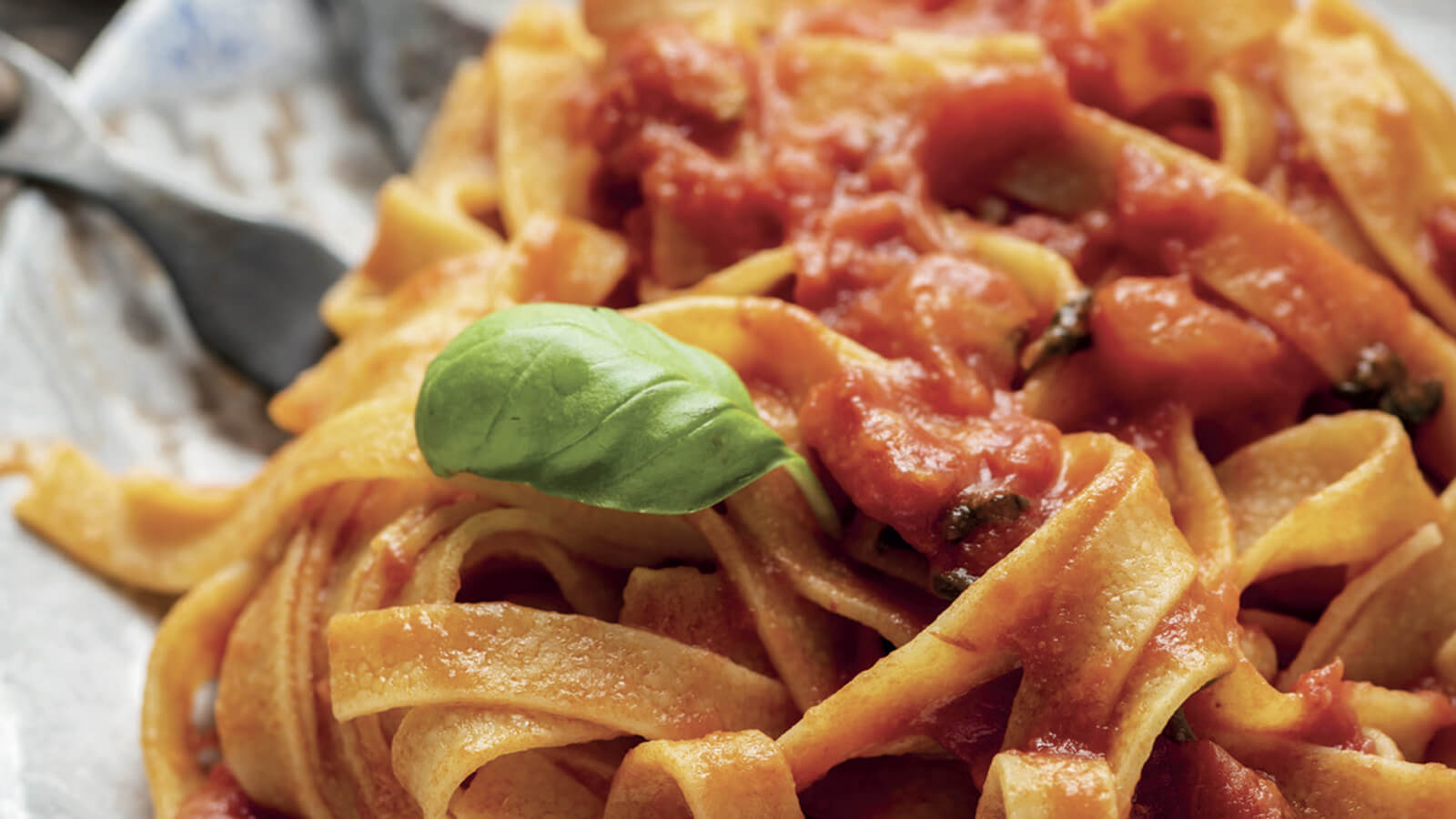
For tomato pasta, mozzarella, bruschetta, caprese salad. The alternative to classic EVOO when you want a more herbaceous and fresh profile without preparing pesto. To be used strictly raw—heat degrades the aromatic compounds of basil. The Selezione Cutrera Basil Dressing has persistent fresh basil notes.
Orange oil
The least intuitive but most interesting pairing. White fish, shrimp, duck, salads with fennel and citrus, aged cheeses, dark chocolate. Orange adds sweetness and complexity—use it as a finish on dishes that already have a sweet or acidic note. The Selezione Cutrera Orange Dressing uses Sicilian orange peel.
White truffle oil
For fresh pasta, risotto, eggs, white meat, aged cheeses. Truffle has a dominant aromatic profile—just a few drops raw can transform a simple dish. Never cook it. The Selezione Cutrera White Truffle Dressing is the most prized in the range.
How to use flavored oils in cooking
Three practical rules:
- Always raw or as a finishing oil: Flavored oils lose their volatile compounds with prolonged heat. Always add them at the end of cooking or directly to the dish. The exception is garlic oil used as a base for a quick soffritto—but even in that case, the heat should be low and the time short.
- Dose precisely: Flavors are concentrated. Start with smaller quantities than classic EVOO and adjust. An excess of truffle or chili oil can mask all other flavors.
- Storage: Away from light and heat, like any extra virgin olive oil. Consume within 6-8 months of opening—natural flavors tend to evolve over time, and some (like basil) may become less fresh.
Frequently Asked Questions
Is flavored oil extra virgin olive oil?
It depends on the product. By law, it is classified as a "condiment" when it contains additional ingredients. The base can be quality extra virgin olive oil (as in Selezione Cutrera condiments, 98% EVOO) or refined olive oil in industrial products. Always read the label.
Can you make flavored oil at home?
Yes, but with attention to food safety. Fresh garlic in oil at room temperature can promote the growth of Clostridium botulinum—a real risk. For homemade flavoring, use dried ingredients (not fresh), store in the refrigerator, and consume within a few days. Industrial flavoring uses controlled processes that eliminate this risk.
Which flavored oil is most versatile?
Lemon oil is the most versatile—it works with fish, vegetables, fresh cheeses, and even some desserts. Garlic oil is the most commonly used in traditional Italian cooking. Truffle oil is the most impactful but also the least suitable for everyday use.
Share


