




Home
>
Curiosities from the oil mill
>
Biancolilla: Characteristics of the Oil, Sensory Profile and Culinary Pairings
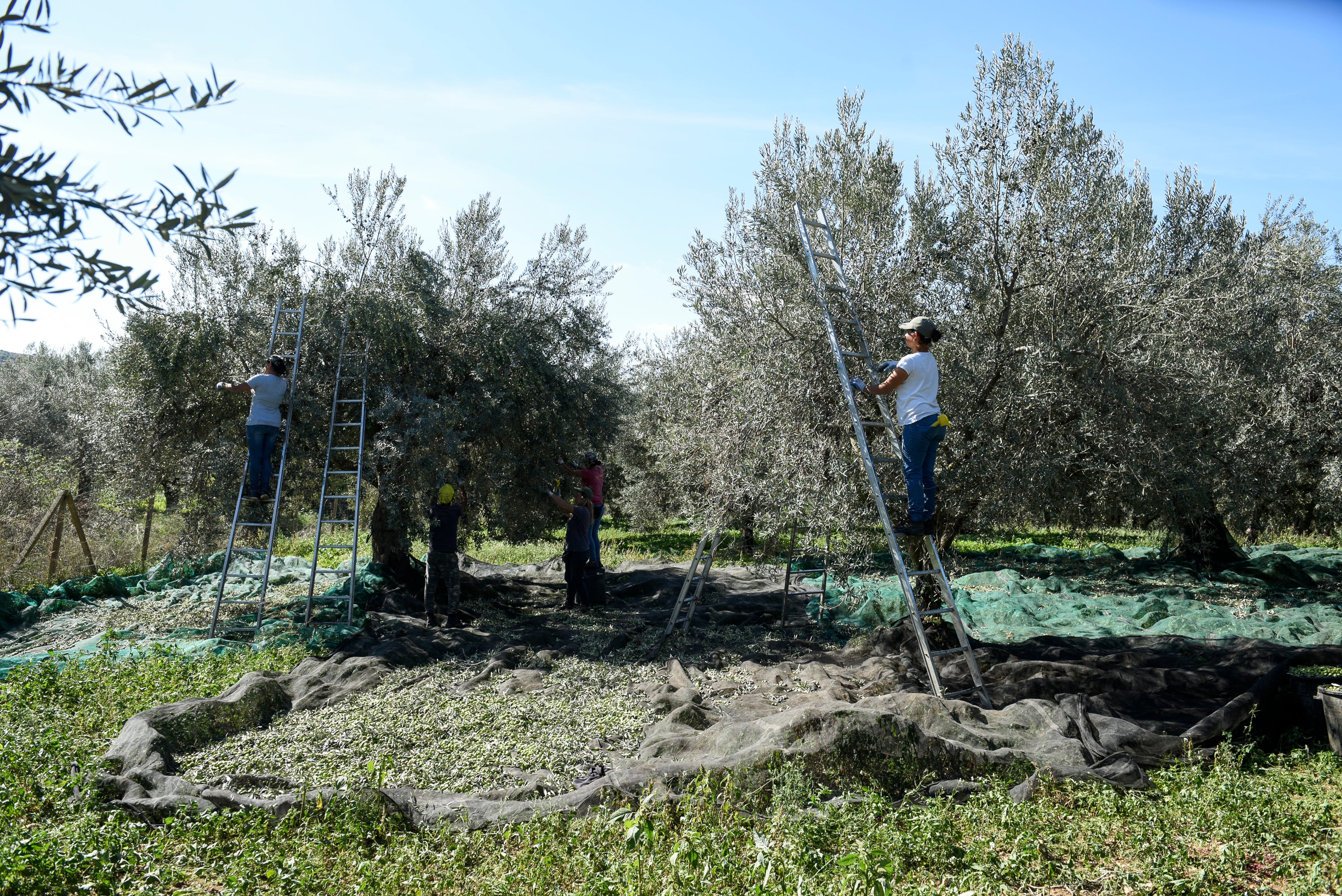
Biancolilla: Characteristics of the Oil, Sensory Profile and Culinary Pairings
Biancolilla is the most delicate Sicilian cultivar — and for this reason, the most challenging to fully appreciate. While Nocellara del Belice asserts itself with its intense fruitiness and pronounced pungency, and Tonda Iblea convinces with its almond-like elegance, Biancolilla requires a trained palate to be fully enjoyed. It is the oil for those who already know Sicilian extra virgin olive oil and wish to discover its most subtle nuance. In this guide, you’ll find everything: origins, sensory profile, PGI, pairings, and a comparison with other cultivars on the island.
Origins and Geographical Distribution
Biancolilla is predominantly found in western and central Sicily — in the provinces of Agrigento, Palermo, Trapani, and Caltanissetta. It is one of the island's oldest cultivars: its name is said to derive from the light color of the olives during maturation, which turn from light green to yellow before darkening.
Unlike Tonda Iblea, which is strictly linked to the Hyblaean territory, Biancolilla has a wider distribution in Sicily and is often used in blends with other cultivars to add softness and delicacy to the final profile. As a pure monocultivar, it is less common — precisely because its delicacy requires careful production to express itself best.
Biancolilla is also included in the PGI Sicilia — the protected geographical indication that guarantees both the olives and their processing take place in Sicily. For a complete comparison of all the island's cultivars: guide to the 6 main Sicilian olive cultivars.
Agronomic Characteristics
- Vigorous plant: the Biancolilla olive tree is among the most robust and long-lived in Sicily. Centenary trees are common in the Palermo and Agrigento areas.
- Medium-late ripening: the olives reach full maturity between November and December — later than Nocellara and Tonda Iblea. Quality producers harvest early (October-November) to preserve polyphenols.
- High oil yield: among Sicilian cultivars, it has the highest yield — 18-22% of the olive weight. This makes it economically attractive for producers but also more susceptible to late harvesting (which maximizes yield but impoverishes the aromatic profile).
- Susceptibility to olive fly: more susceptible than Nocellara and Tonda Iblea. In years with high pest pressure, quality can significantly decline if agronomic management is not careful.
Sensory Profile: What to Expect
Biancolilla's profile is the most delicate among the great Sicilian cultivars — and it should be tasted knowing what to look for; otherwise, it risks seeming "less of an oil."
- Fruity: light, with notes of sweet almond, fresh grass, and green apple. Almost complete absence of the tomato and artichoke notes that characterize Nocellara. In early-harvest oils, slight floral notes emerge.
- Bitterness: slight or almost absent. This is the characteristic that most distinguishes Biancolilla from other Sicilian cultivars — those accustomed to Nocellara will find Biancolilla "sweet."
- Pungency: slight, almost imperceptible. There is no typical throat tickle of oils with high polyphenol concentration.
- Softness: the mouthfeel is particularly silky and fluid — this sensation of softness is Biancolilla's true signature.
- Persistence: medium. It does not have the long, almond-like persistence of Tonda Iblea.
An important note: slight bitterness and pungency do not mean low quality — they mean a lower polyphenol concentration compared to other cultivars. Biancolilla simply has a different profile, suitable for different uses. An early-harvest, artisanal Biancolilla oil can be an excellent product — just not suitable for those seeking intensity.
Pairings in the Kitchen: Where Biancolilla Excels
Biancolilla's delicacy is its strength for certain pairings — those where a more intense oil would overpower the raw ingredient instead of enhancing it.
- Delicate fish: sea bass, sea bream, sole, turbot — Biancolilla does not overpower the delicate flavors of white fish. It is the ideal oil for sea bass carpaccio or steamed sea bream.
- Shellfish and raw seafood: on scallops, oysters, raw prawns — where any bitterness or pungency would be too much.
- Fresh cheeses and dairy products: buffalo mozzarella, burrata, ricotta — Biancolilla integrates without competing.
- Spring vegetables: asparagus, zucchini, fresh peas — delicate vegetables that would lose their identity with a more aggressive oil.
- Fine herb salads: wild rocket, lamb's lettuce, sliced fennel — where you want to taste the herb and not the oil.
- Desserts and pastries: Biancolilla is among the most used cultivars in traditional Sicilian pastry — where EVO oil replaces butter. Its softness and sweet almond flavor perfectly complement almond desserts, dried fruit, cannoli.
- Mayonnaise and emulsified sauces: for those who prepare mayonnaise with EVO oil, Biancolilla is the most balanced choice — it does not overload the sauce with flavor.
Where Biancolilla is not the right choice: on red meat, hearty soups, spicy dishes, bruschetta where you want to feel the intensity of the oil. For those contexts, Nocellara del Belice or Tonda Iblea are better.
Biancolilla vs Nocellara vs Tonda Iblea: When to Choose Which
The three great Sicilian cultivars cover three different intensity ranges. The choice depends on the dish:
- Biancolilla: delicate fish, raw shellfish, fresh cheeses, desserts, spring vegetables, mayonnaise. When you want to taste the raw ingredient, not the oil.
- Tonda Iblea: cooked fish, steamed vegetables, legumes, delicate soups, semi-aged cheeses. The all-meal oil — present but not intrusive.
- Nocellara del Belice: red meat, bruschetta, pasta with robust sauces, strong dishes, aged cheeses. When you want the oil to be clearly noticeable.
Frantoi Cutrera's Biancolilla
Frantoi Cutrera's Biancolilla PGI monocultivar is PGI Sicilia certified, cold-extracted with early harvesting to maximize the aromatic profile of a cultivar that naturally tends towards delicacy. It is an oil for precise pairings — not an everyday extra virgin, but one that transforms a simple fish dish into something special.
For daily use and cooking, the Pertutto Cutrera — a blend of Sicilian cultivars — offers an optimal balance between quality and versatility.
Frequently Asked Questions about Biancolilla
What is Biancolilla?
It is an indigenous Sicilian olive cultivar, mainly found in the provinces of Agrigento, Palermo, and Trapani. It produces an extra virgin olive oil with a light, almond-like and delicate fruitiness, with almost no bitterness or pungency — the softest profile among the island's great cultivars.
Does Biancolilla have few polyphenols?
Compared to Nocellara del Belice and Tonda Iblea, yes — the polyphenol concentration is lower. But this does not mean inferior quality in absolute terms: it means a different sensory profile, suitable for different uses. A high-quality early-harvest Biancolilla oil can have a higher polyphenol concentration than many "intense" late-harvest oils.
How is Biancolilla used in cooking?
Mainly raw on delicate fish, shellfish, fresh cheeses, and spring vegetables. It is also excellent in traditional Sicilian pastry where EVO oil replaces butter. Avoid it on robust dishes where its delicacy would be lost.
What is the difference between Biancolilla and Tonda Iblea?
Tonda Iblea is more complex and persistent — medium fruity with notes of almond and artichoke, with present but balanced bitterness and pungency. Biancolilla is simpler and softer — light fruity, sweet almond, almost no bitterness or pungency. Tonda Iblea is more versatile; Biancolilla excels only in delicate pairings.
Share


