


Home
>
Curiosities from the oil mill
>
Olive Oil in Pregnancy: Benefits, Quantities, and Practical Uses

Olive Oil in Pregnancy: Benefits, Quantities, and Practical Uses
Extra virgin olive oil is one of the most recommended foods during pregnancy — not due to tradition, but due to its composition. Its monounsaturated fatty acids, polyphenols, and vitamin E have documented effects on fetal development and maternal health. In this guide, you'll find evidence, recommended quantities, practical uses, and answers to frequently asked questions.
Why extra virgin olive oil is recommended during pregnancy
During pregnancy, the need for quality fats increases significantly. Fats are essential for:
- The development of the fetal central nervous system (the brain is 60% fat)
- The formation of cell membranes
- The absorption of fat-soluble vitamins (A, D, E, K) — essential for the pregnant woman and the fetus
- The production of placental hormones
Extra virgin olive oil meets these needs particularly effectively due to its composition:
- Oleic acid (omega-9, 55-83%): the main monounsaturated fat. Contributes to fetal neurological development and myelin formation — the protective sheath of nerve fibers. Observational studies link maternal oleic acid consumption to better cognitive outcomes in children at 12-24 months.
- Vitamin E: a fat-soluble antioxidant with a protective function on cell membranes. The need for vitamin E increases during pregnancy — quality extra virgin olive oil is a concentrated source.
- Polyphenols (oleuropein, hydroxytyrosol): anti-inflammatory and antioxidant action that protects both the pregnant woman and the fetus from oxidative stress, which physiologically increases during pregnancy.
- Squalene: a precursor of cholesterol, necessary for the synthesis of steroid hormones — including placental hormones that support pregnancy.
How much extra virgin olive oil to consume during pregnancy
Nutritional guidelines for pregnancy (SIGO, LARN) do not indicate a specific value for extra virgin olive oil but recommend that fats represent 25-35% of daily caloric intake, with a prevalence of monounsaturated and polyunsaturated fats over saturated fats.
In practical terms, typical Mediterranean consumption — 3-4 tablespoons a day (30-40 ml) as the main seasoning, replacing butter and other fats — is consistent with nutritional recommendations for pregnancy and supported by evidence from the PREDIMED study and Mediterranean cohorts.
There is no risk of "too much olive oil" at these levels: oil is caloric (about 120 kcal per tablespoon) but calories from quality fats are managed differently than saturated fats. Caloric needs in pregnancy increase by about 200-300 kcal/day in the second and third trimesters — an increase that can be partially covered by generous use of extra virgin olive oil.
Olive oil and omega-3 in pregnancy: an important clarification
Extra virgin olive oil is rich in omega-9 (oleic acid) and contains a small amount of omega-6 (linoleic acid) — but it is not a significant source of long-chain omega-3s (EPA and DHA), which are most critical for fetal brain development.
EPA and DHA omega-3s are primarily found in fatty fish (salmon, mackerel, sardines, anchovies), seafood, and algae. During pregnancy, recommendations indicate 1-2 servings of fish per week (avoiding large fish rich in mercury such as bluefin tuna, swordfish, shark).
Extra virgin olive oil and fish are complementary, not alternative: EVOO provides omega-9 and antioxidants; fish provides long-chain omega-3s. Both are pillars of the Mediterranean diet in pregnancy.
How to use it during pregnancy: practical uses
In the kitchen
Use extra virgin olive oil as the main fat in all preparations — replacing butter, margarine, and seed oils. Raw on vegetables, legumes, soups, fish; in cooking for sautéing vegetables, dressing pasta, preparing light stir-fries. Nutritional properties remain substantially intact in home cooking at moderate temperatures.
To alleviate pregnancy discomforts
Some traditional uses of olive oil in pregnancy have a rational basis:
- Constipation: a tablespoon of EVOO on an empty stomach in the morning has a slight lubricating effect on the intestine. It is not a laxative, but it can help with reduced intestinal motility during pregnancy.
- Heartburn: raw extra virgin olive oil can gently buffer gastric acidity. Useful as an alternative to antacid medications in mild cases.
- Skin and stretch marks: massaging the belly with extra virgin olive oil (or almond oil) keeps the skin elastic and hydrated. There is no evidence that it prevents stretch marks — it depends on genetic predisposition — but it keeps the skin in good condition.
As a dressing to increase micronutrient absorption
Fats are necessary to absorb fat-soluble vitamins (A, D, E, K) and carotenoids (beta-carotene, lycopene). Dressing vegetables with extra virgin olive oil is not just a taste habit — it significantly increases the bioavailability of micronutrients. A salad without fatty dressing has dramatically reduced absorption of vitamin A and carotenoids compared to the same salad dressed with EVOO.
Which extra virgin olive oil to choose during pregnancy
During pregnancy, the quality of the oil is even more important than at other times:
- Certified organic: reduces exposure to pesticide residues. In pregnancy, this precaution is justified.
- Cold extracted: preserves vitamin E and polyphenols.
- Recent harvest year: antioxidant compounds decay over time. In pregnancy, you want the maximum nutritional profile.
- Monocultivar or PDO from a transparent producer: less likelihood of adulteration or blends of uncertain quality.
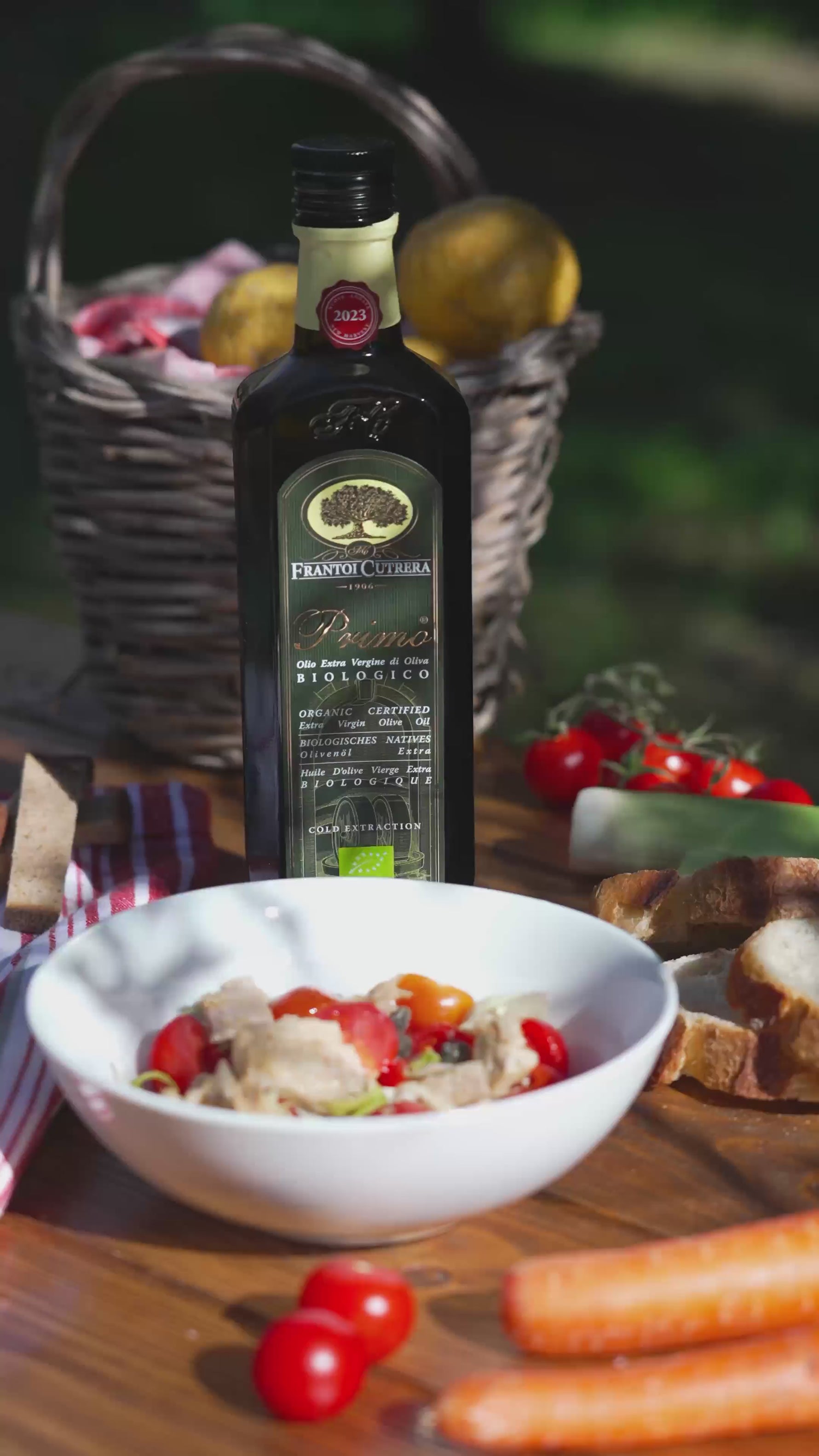
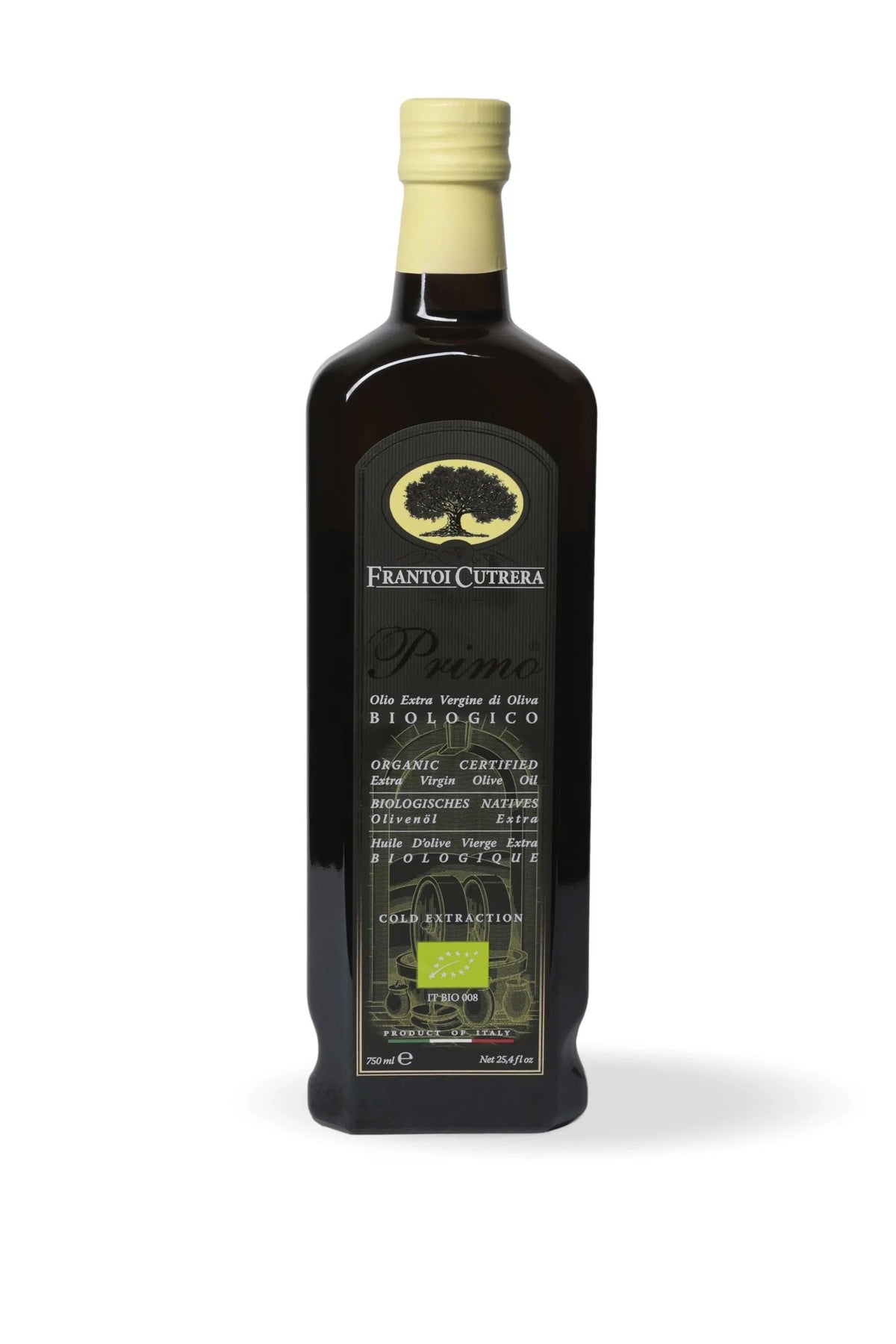
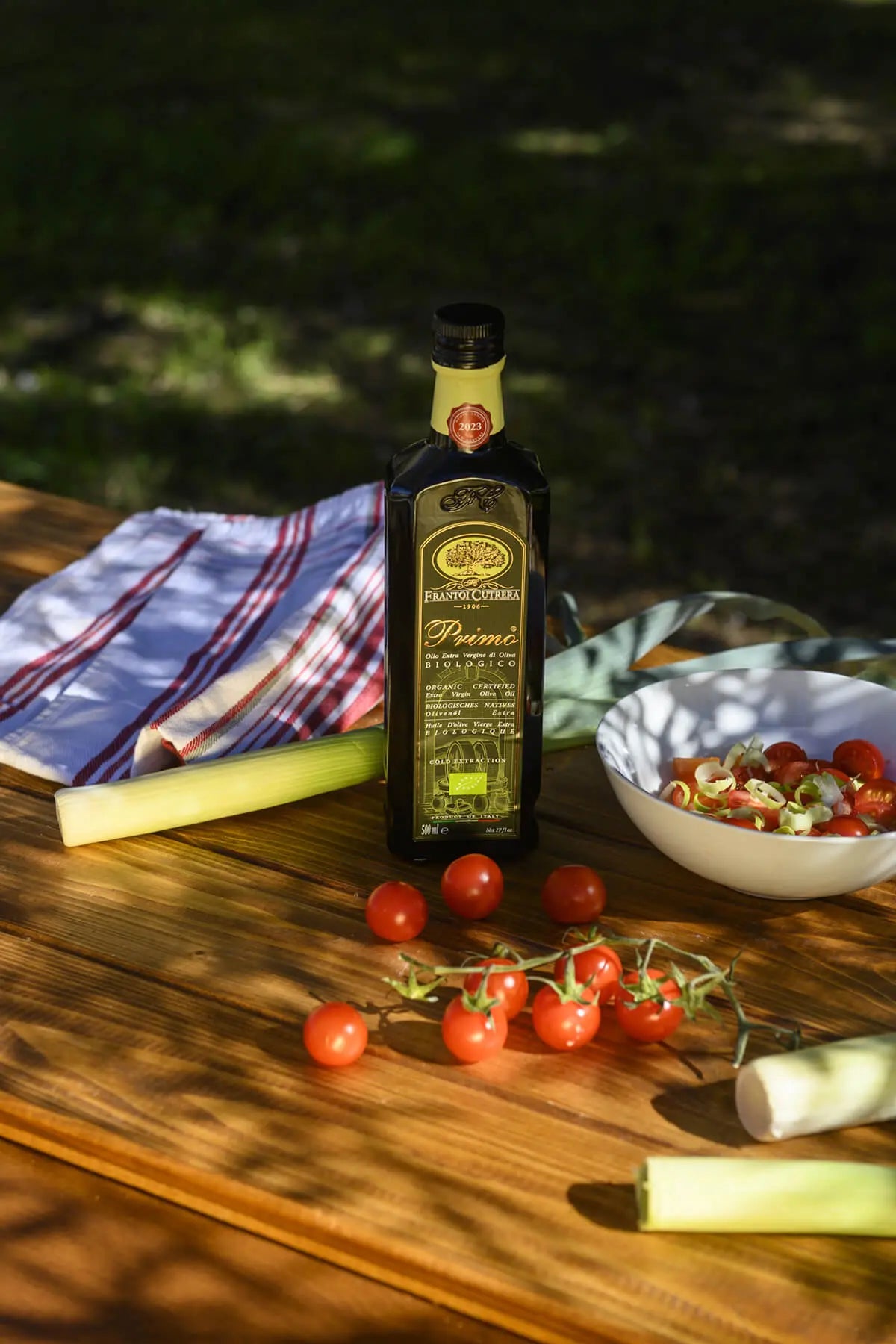
Primo BIO by Frantoi Cutrera — certified organic, cold-extracted from Tonda Iblea with early harvest — meets all these criteria. For a more economical daily use, Pertutto Cutrera also offers a good quality profile at an accessible price.
To learn more about the nutritional properties of extra virgin olive oil: composition and properties of extra virgin olive oil.
Frequently asked questions
Can you eat olive oil during pregnancy?
Yes, absolutely. Extra virgin olive oil is one of the most recommended foods during pregnancy. There are no known contraindications — on the contrary, its composition of monounsaturated fatty acids, vitamin E, and polyphenols makes it particularly suitable for the nutritional needs of the pregnant woman and fetal development.
Does olive oil help with stretch marks during pregnancy?
Extra virgin olive oil applied to the skin maintains skin elasticity and deeply hydrates. There is no solid scientific evidence that it prevents stretch marks — genetic predisposition is the main factor. However, well-hydrated skin handles stretching better: regular application is useful even without absolute guarantees.
Olive oil or seed oil during pregnancy?
Extra virgin olive oil without a doubt. It has a superior fatty acid profile (prevalence of monounsaturated), higher vitamin E concentration, and bioactive compounds (polyphenols) that refined seed oils do not contain. Seed oils can be used for high-temperature cooking but not as the main dietary fat during pregnancy.
Is a tablespoon of oil on an empty stomach safe during pregnancy?
Yes. A tablespoon of extra virgin olive oil on an empty stomach is a well-tolerated traditional practice, useful for intestinal motility. There are no known contraindications during pregnancy. If you have particular gastric problems, it is always helpful to consult your doctor or midwife.
Share