



Home
>
Curiosities from the oil mill
>
Sicilian Olive Varieties for Oil: Guide to the 6 Main Cultivars

Sicilian Olive Varieties for Oil: Guide to the 6 Main Cultivars
Sicily is one of the richest olive-growing regions in Italy: over 50 indigenous cultivars registered, each with a distinct aromatic profile, linked to a specific territory and unrepeatable soil and climate conditions. Yet, when talking about Sicilian oil, this label is often used as if it were a homogeneous category — as if an oil produced in the Iblei Mountains were the same as one from the Belice Valley or the Etna area.
It is not. The cultivar — the olive variety from which the oil is born — is the variable that most of all determines the character of the final product: the aromatic profile, the intensity of the fruitiness, the balance between bitter and spicy, and the culinary pairings. Understanding the differences between the main Sicilian varieties means choosing with awareness and getting the most out of each bottle.
In this guide, we analyze the six most representative cultivars of Sicilian extra virgin olive oil production: Nocellara del Belice, Tonda Iblea, Biancolilla, Cerasuola, Moresca, and Nocellara Etnea. For each: territory of origin, botanical characteristics, sensory profile of the oil, and culinary pairings.
What is a Cultivar and What Does Monocultivar Mean?
The term cultivar — a contraction of "cultivated variety" — indicates a plant variety selected and maintained through cultivation for its distinctive characteristics. In olive growing, each cultivar is the result of centuries of agronomic selection: a human response to local soil, climate, and gastronomic tradition conditions.
A monocultivar oil is obtained from a single olive variety, without mixing with other cultivars. The goal is to maximize the aromatic identity of that specific variety, making it recognizable and traceable. It is the olive oil equivalent of a single-varietal wine: a choice of precision and transparency for the consumer.
Most commercial oils, however, are a blend of different cultivars — a legitimate choice that allows for more balanced and consistent profiles from one year to the next. But it is in monocultivars that the most authentic expression of a territory is found.
Sicilian Olive Biodiversity: Why it is Unique
Sicily has over 50 registered indigenous cultivars, unevenly distributed across the territory: some are located in very small areas, others have spread throughout the island, adapting to different microclimates. This biodiversity is the result of millennia of agricultural history — Phoenicians, Greeks, Arabs, and Normans have all left their mark on Sicilian olive growing.
The Sicilian territory offers very different conditions from area to area: the Iblei Mountains in the southeast with their limestone plateaus and continental climate; western Sicily with its coastal plains and sea winds; Etna with its volcanic soils and day-night temperature excursions. These differences are directly reflected in the character of the oils produced in each area.
Nocellara del Belice
Territory: Western Sicily, Belice Valley (provinces of Trapani, Agrigento, Palermo). PDO since 1998.
Botanical Characteristics: Dual-purpose cultivar — for oil and for table olives. The drupes are large, fleshy, ovoid in shape, with bright green skin that turns black only at full ripeness. Ripening is gradual, from October to December.
Sensory Profile of the Oil: Medium-intense green fruity. Clearly emerging on the nose are hints of fresh tomato, freshly cut grass, almond, and artichoke. On the palate, bitterness and spiciness are present and balanced — a sign of a high concentration of polyphenols. Early harvesting, at incomplete veraison, enhances these characteristics and ensures maximum aromatic complexity.
In the Kitchen: Salmon and swordfish carpaccio, tomato-based pasta dishes, grilled fish, grilled white meats. Excellent raw on bruschetta and pinzimonio (raw vegetable dip). To learn more: complete guide to Nocellara del Belice.
Frantoi Cutrera Monocultivar: Nocellara Salvatore Cutrera — special selection from family olive groves a few hundred meters from the mill. 0.5 l bottle. Also available: Grand Cru Nocellara del Belice in a 6-pack.
Tonda Iblea
Territory: Southeastern Sicily, Iblei Mountains (provinces of Ragusa, Siracusa, Catania). Production area of PDO Monti Iblei.
Botanical Characteristics: Indigenous cultivar of the Iblean plateau, growing on calcareous soils at altitudes between 300 and 600 meters. The drupes are small and round — hence the name — with a relatively low oil yield but of very high quality. The tree is rustic, long-lived, well-adapted to the continental climate of the Iblei with dry summers and harsher winters compared to the coast.
Sensory Profile of the Oil: It is the most "intense" Sicilian oil by definition. Pronounced green fruity, with distinct notes of green tomato, freshly cut grass, and fresh aromatic herbs (rosemary, thyme). Decisive but balanced bitter and spicy. Very low acidity. Long persistence. It is a distinctive, immediately recognizable oil.
In the Kitchen: Grilled meats and fish, legume soups, robust salads, bruschetta, caprese. Excellent raw on grilled vegetables. To learn more: complete guide to Tonda Iblea.
Frantoi Cutrera Monocultivar: Tonda Iblea Giovanni Cutrera — special selection from family olive groves. 0.5 l bottle. Also available: Grand Cru Tonda Iblea in a 6-pack.
Biancolilla
Territory: Western and central Sicily, with widespread presence in the provinces of Palermo, Agrigento, and Trapani.
Botanical Characteristics: Considered one of the oldest and best-preserved indigenous cultivars in Italy. The name probably derives from the light color of the immature drupes. It is predominantly an oil variety, with medium-sized drupes and good yield. The tree is vigorous and adapts well to the hilly terrains of western Sicily.
Sensory Profile of the Oil: Medium fruity with a delicate but well-defined character. Predominant notes of artichoke and green almond emerge on the nose, with floral nuances. On the palate, it is slightly bitter with a pronounced but never aggressive spiciness — a characteristic that makes it very versatile in the kitchen while maintaining a recognizable personality. It is one of the most elegant Sicilian oils.
In the Kitchen: Delicate salads, fish carpaccio, grilled vegetables, fresh cheeses, light pasta dishes. Its delicacy also makes it ideal for preparations where you don't want the oil to dominate the dish. To learn more: complete guide to Biancolilla.
Frantoi Cutrera Monocultivar: Grand Cru Biancolilla — 6 x 0.5 l bottle pack.
Cerasuola
Territory: Widespread in various areas of Sicily, with a concentration in the central and western area. Frantoi Cutrera's monocultivar comes from the Sciacca area, in the province of Agrigento, a short distance from the sea.
Botanical Characteristics: Typically an oil cultivar, with medium-sized drupes and a satisfactory oil yield. The name "Cerasuola" refers to the shape of the drupes, similar to small cherries. It is a rustic variety, resistant to the difficult climatic conditions of inland Sicily.
Sensory Profile of the Oil: Medium fruity with a complex and characteristic aromatic bouquet. Distinct notes of ripe tomato, thistle, almond, and thyme — the latter particularly marked compared to other Sicilian cultivars. High beta-carotene content. On the palate, bitterness and spiciness are persistent but perfectly balanced, with a long and pleasant aromatic finish. The proximity to the sea of the Sciacca area gives Cutrera oil an additional slight minerality.
In the Kitchen: Legume soups, roasted meats, aged cheeses, grilled red meats. Its aromatic complexity and structure make it particularly suitable for important dishes with strong flavors.
Frantoi Cutrera Monocultivar: Grand Cru Cerasuola — 6 x 0.5 l bottle pack.
Moresca
Territory: Southeastern Sicily, with a concentration in the Noto area (province of Siracusa). The name evokes the ancient Arab roots of Sicilian olive growing.
Botanical Characteristics: Typically an oil cultivar, widespread on often very old olive trees — in some cases centuries old. The drupes are medium-sized. Oil yield is significantly influenced by the harvest time: early harvested olives produce a more intense and complex oil; late harvesting yields a sweeter and rounder oil.
Sensory Profile of the Oil: It is the most "delicate" Sicilian monocultivar in the Cutrera catalog. Medium-light fruity with an elegant floral bouquet. Bitterness and spiciness are present but in a mild and very balanced way — there isn't the distinct polyphenolic charge of Tonda Iblea or Nocellara. This characteristic makes it particularly accessible even to those not accustomed to intense oils, without sacrificing complexity.
In the Kitchen: Raw fish, fried calamari and shrimp, steamed fish, delicate salads, seafood salads. The lightness of the aromatic profile pairs perfectly with preparations where you want to preserve the delicacy of the raw ingredients.
Frantoi Cutrera Monocultivar: Grand Cru Moresca — 6 x 0.5 l bottle pack.
Nocellara Etnea
Territory: Etna area, on the slopes of Mount Etna in the provinces of Catania and Messina. It is not a cultivar of the same family as Nocellara del Belice, despite sharing the name: the two varieties have distinct origins, botanical characteristics, and sensory profiles.
Botanical Characteristics: Grows on volcanic soils rich in minerals, at varying altitudes between 300 and 800 meters. The day-night temperature excursions, typical of the Etna environment, slow down the ripening of the olives and favor the concentration of aromas. Many Nocellara Etnea olive groves are centuries old.
Sensory Profile of the Oil: Medium-light fruity with a floral, delicate, and balanced aromatic bouquet — very different from the intensity of Nocellara del Belice. The volcanic notes of the soil are perceived in a slight underlying minerality. Gentle bitter and spicy. It is an elegant and refined oil, with a complexity that emerges gradually.
In the Kitchen: Seafood appetizers, grilled vegetables, grilled cuttlefish, fresh and goat cheeses. Also ideal on fish carpaccio where a delicate but not neutral profile is desired.
How to Choose the Right Cultivar
No cultivar is "better" in absolute terms: the choice depends on its intended use. Here's practical guidance:
- Strong-flavored dishes (red meats, legume soups, aged cheeses) → Tonda Iblea or Cerasuola: they stand up to strong flavors and enhance them
- Grilled fish and meat, tomato pasta → Nocellara del Belice: intense and balanced fruity, versatile for classic Mediterranean preparations
- Delicate preparations (steamed fish, carpaccio, seafood salads) → Moresca or Nocellara Etnea: light profile that doesn't overpower the raw ingredients
- Universal use, elegantly seasoned dishes → Biancolilla: the most versatile of the group, with a recognizable but never intrusive character
- Bruschetta, pinzimonio, pure raw use → any cultivar expressed as a quality monocultivar; the advice is to choose based on the intensity you prefer and rotate to discover the differences
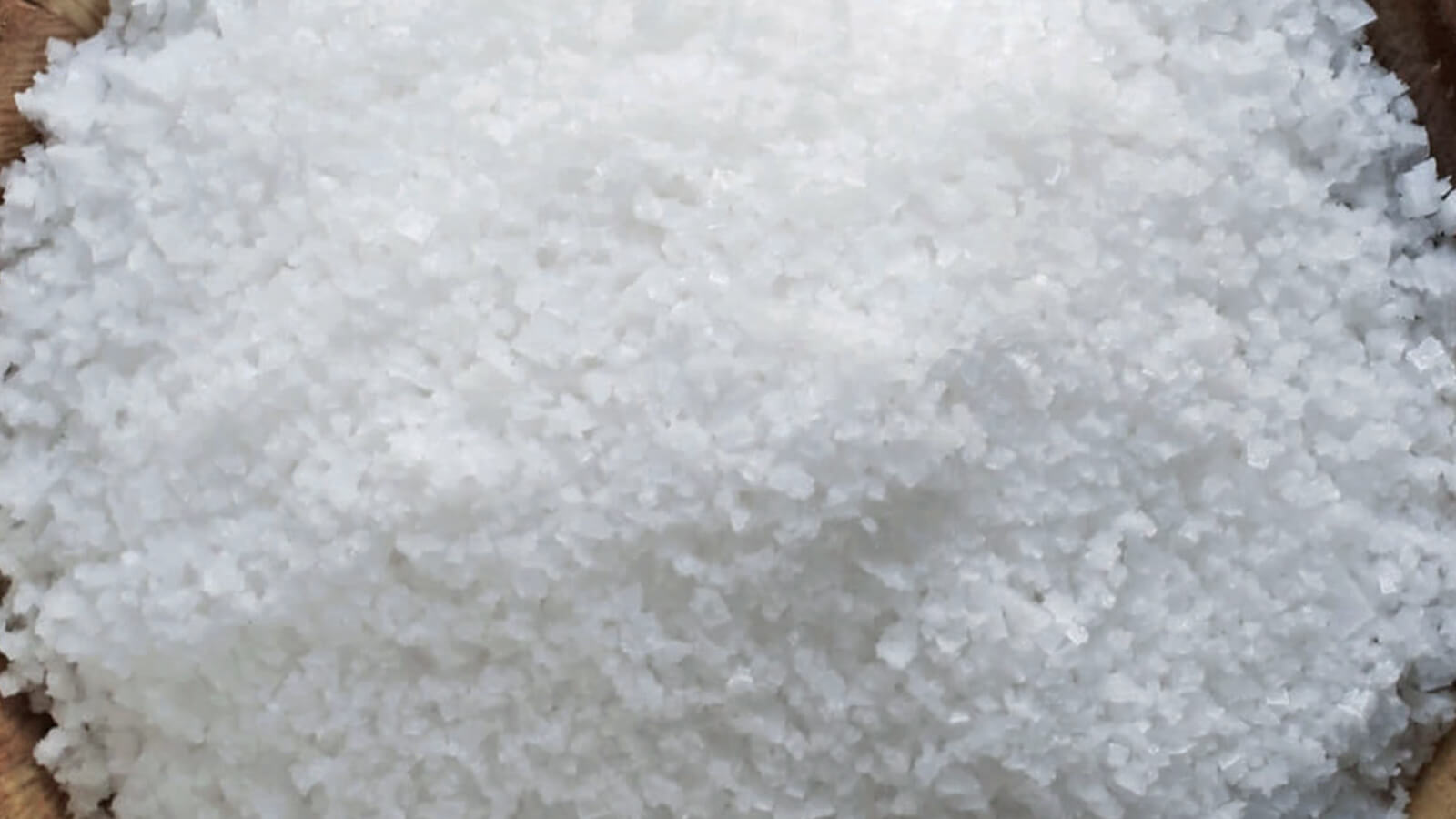
Whatever cultivar you choose, a raw dressing reaches its peak with just one final touch: a pinch of fleur de sel from Sicilian salt pans. Unrefined crystals, a mineral note from the Mediterranean, slow dissolution on the palate — the natural complement to a quality extra virgin olive oil.
A useful exercise, if you want to develop a true sensitivity to extra virgin olive oil, is to taste the same monocultivars on a neutral piece of bread, at room temperature, without other seasonings. The differences emerge clearly and become recognizable even in dishes. To better understand how oil interacts with heat and when to use it raw, read: EVO Oil in Cooking: Debunking the Myth of the Low Smoke Point.
Frantoi Cutrera Monocultivars: A Map of Sicilian Taste
Frantoi Cutrera produces monocultivars from five of the six cultivars described in this guide — Nocellara del Belice, Tonda Iblea, Biancolilla, Cerasuola, and Moresca — plus Nocellara Etnea. Each oil comes from selected olive groves, with manual harvesting at the right degree of ripeness and milling within a few hours of harvesting at the family mill in Chiaramonte Gulfi, in the Iblei Mountains.
The result is a line of oils that allows direct comparison of the differences between cultivars, with the same production method: a map of Sicilian taste in a bottle. The Grand Crus are available in packs of 6 x 0.5 l bottles. For those who want to start with a single product, the family selections — Salvatore Cutrera (Nocellara) and Giovanni Cutrera (Tonda Iblea) — are available in single 0.5 l bottles.
To learn more about the characteristics of oil from wild olive trees — a completely different category from monocultivars of cultivated varieties — read: Wild Olive Tree: What it Is and Why its Oil is So Rare.
Frequently Asked Questions About Sicilian Olive Cultivars
How many olive cultivars exist in Sicily?
Over 50 indigenous cultivars have been identified, distributed unevenly across the territory. Some are widespread throughout the island, while others — like Tonda Iblea — are strictly localized in specific geographical areas.
What is the best olive variety for making oil in Sicily?
There is no single answer: each cultivar has its optimal profile. Tonda Iblea is considered among the most prized for its aromatic complexity and low acidity; Nocellara del Belice is appreciated for its intensity and versatility in cooking; Biancolilla for its elegance and delicacy. The "best" depends on personal taste and the intended use of the oil.
What does PGI mean for a Sicilian oil?
PGI (Protected Geographical Indication) is a European recognition that certifies the link between a product and its territory of origin. For Sicilian extra virgin olive oil, PGI Sicily guarantees that the olives are grown and processed in Sicily according to specific regulations. It differs from PDO (Protected Designation of Origin), which requires more stringent geographical and production requirements.
Is a monocultivar oil or a blend better?
It depends on the objective. A monocultivar expresses the identity of a single cultivar in a pure and traceable way — ideal for those who want to understand the differences between varieties or for specific pairings. A blend allows for more balanced and stable profiles between vintages. There is no hierarchy of quality: there are excellent blends and mediocre monocultivars, and vice versa. Quality always depends on care at every stage of production.
How to properly store a monocultivar extra virgin olive oil?
Away from light, heat, and oxygen. Keep the bottle closed in a cool, dark place, away from stoves. Preferably consume within 6 months of opening and within 18 months of bottling. To learn more about the benefits of polyphenols and how to best preserve them, read our dedicated guide.


